

Are you searching for the perfect cutting board? If so, you might have come across teak wood as a potential option.
But is teak wood really good for cutting boards? You deserve a kitchen tool that combines durability and style, while being gentle on your knives. Imagine effortlessly slicing through vegetables and meat on a surface that withstands the test of time.
Teak wood promises a unique blend of functionality and beauty, but is it the right choice for you? Dive into this article to uncover everything you need to know about teak wood cutting boards, and discover why they might just be the missing piece in your kitchen puzzle.
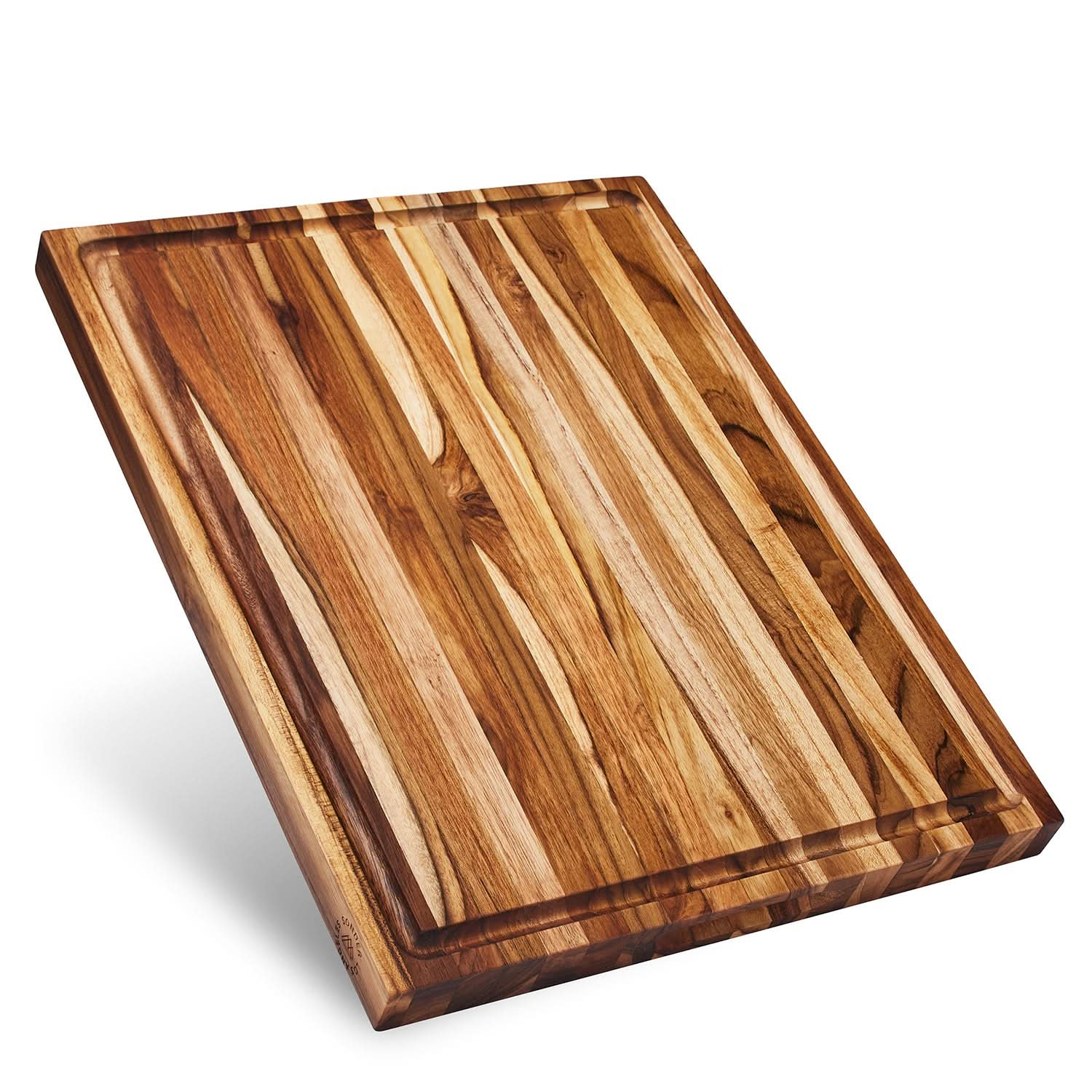
Credit: sonderla.com
Teak Wood Characteristics
Teak wood is often praised for its exceptional qualities. It has become a popular choice for cutting boards due to its unique characteristics. Understanding these characteristics helps in making an informed decision.
Durability And Hardness
Teak wood is known for its durability. It can withstand daily use without wearing out quickly. The hardness of teak provides a sturdy surface for chopping. It doesn’t easily get nicked or scratched. This longevity makes it a reliable choice for kitchen use.
Natural Oils And Resistance
Teak wood contains natural oils. These oils provide resistance to moisture. This characteristic helps in preventing warping and cracking. Teak’s resistance to water is a significant advantage in the kitchen. It also makes teak boards easier to clean and maintain.
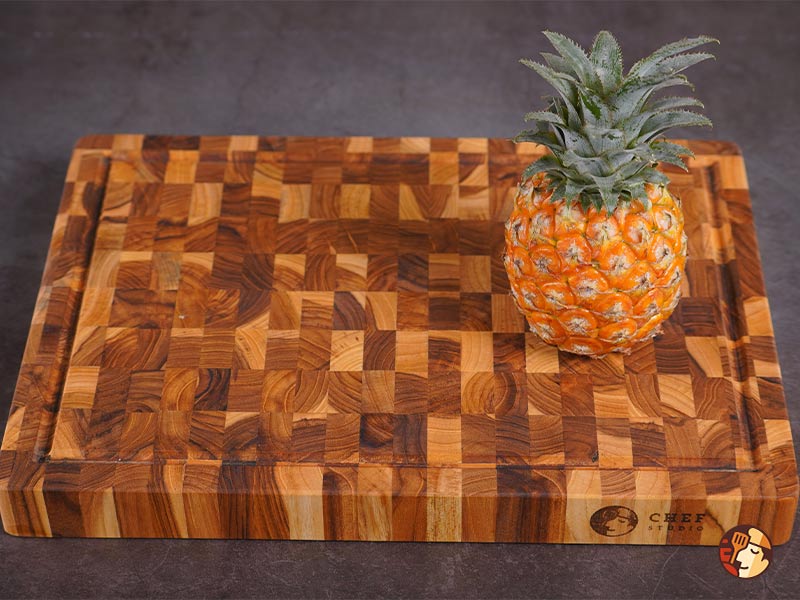
Credit: en.chefstudio.vn
Benefits Of Teak For Cutting Boards
Teak wood offers durability and resistance to moisture, making it ideal for cutting boards. Its natural oils help prevent bacteria growth. The dense grain structure ensures a smooth surface, reducing knife marks and prolonging board life.
Teak wood has long been a favorite among kitchen enthusiasts and professional chefs for cutting boards. Its unique properties make it a top choice for those who value both functionality and aesthetics. If you’re considering a new cutting board, understanding the benefits of teak might just tip the scales in its favor.Water Resistance
Teak wood is naturally resistant to water, a feature that stands out in the kitchen. This quality comes from its high oil content, which repels moisture and prevents the wood from warping or cracking. Imagine the relief of not having to worry about your board swelling after washing it. This water resistance also makes teak cutting boards less prone to bacterial growth. If you’re someone who enjoys cooking with raw meats and vegetables, this could be a game-changer. You can cut with confidence, knowing your board is less likely to harbor harmful bacteria.Knife-friendly Surface
Teak offers an ideal balance between hardness and softness. It’s hard enough to be durable but soft enough to be gentle on your knives. This means your knives will stay sharper for longer, saving you time and money on sharpening. Using a teak cutting board can enhance your cooking experience. It provides a smooth surface that feels great to cut on, giving you more control and precision. Have you ever felt the frustration of a knife catching on a rough surface? With teak, that’s one less worry.Low Maintenance
One of the standout features of teak is its low maintenance requirements. Thanks to its natural oils, teak boards require less frequent oiling compared to other woods. A quick wipe down with soapy water is usually all it takes to keep it clean. You won’t need to fret about extensive care routines or special treatments. A simple occasional oiling keeps your board looking fresh and ready for use. This ease of maintenance makes teak a practical choice for busy kitchens. Choosing a cutting board involves more than just picking a piece of wood. It’s about finding the right balance of durability, hygiene, and convenience. If these benefits resonate with you, teak might just be your perfect kitchen companion.Comparing Teak To Other Woods
When choosing wood for cutting boards, it’s crucial to compare options. Teak stands out for its durability and resistance to moisture. But how does it stack up against other popular woods? Let’s explore how teak compares to maple, bamboo, and walnut.
Teak Vs. Maple
Maple is a popular choice for cutting boards. It’s hard and dense, making it durable. Teak, on the other hand, offers natural oils that resist water. This quality makes teak boards less prone to warping. Maple boards are lighter in color, giving a clean look. Teak has a richer, darker appearance. It requires less maintenance due to its oil content. Maple boards may need more frequent oiling to stay in good shape.
Teak Vs. Bamboo
Bamboo is often chosen for its eco-friendliness. It’s a renewable resource, unlike traditional hardwoods. Teak is more durable and less prone to knife marks. Bamboo can be more rigid, which may dull knives faster. Teak’s natural oils help resist stains and odors. Bamboo boards may absorb stains more easily. Both options are great, but teak offers better longevity and maintenance.
Teak Vs. Walnut
Walnut boards are known for their rich, dark color. They provide a luxurious look but can be softer. This softness means walnut boards may show knife marks over time. Teak is harder and offers better resistance to wear. Its natural oils help protect against moisture and bacteria. Walnut needs regular oiling to maintain its luster. Teak’s maintenance is less frequent, making it more convenient.
Environmental Impact
Teak wood is often praised for its durability and aesthetic appeal. But its environmental impact raises important questions. Understanding the sustainability and ethical sourcing of teak wood helps make informed decisions.
Sustainability Concerns
Teak wood’s popularity leads to increased demand. This demand can threaten natural teak forests. Overharvesting can disrupt ecosystems. It may lead to loss of biodiversity. Sustainable harvesting is crucial. It helps preserve these vital habitats. Teak plantations offer a solution. They allow controlled growth and harvesting. This approach reduces pressure on natural forests.
Ethical Sourcing Practices
Ethical sourcing is essential in the wood industry. Responsible suppliers follow strict guidelines. They ensure teak is sourced sustainably. Certification programs like FSC support ethical practices. These programs verify responsible management. They help consumers choose sustainably sourced products. Buying certified teak promotes ethical practices. It supports the conservation of natural resources.
Caring For Teak Cutting Boards
Teak wood cutting boards are known for their durability and elegance. Proper care ensures they remain functional and beautiful. Regular maintenance extends their lifespan, making them a worthy investment.
Cleaning Tips
Always clean your teak cutting board after each use. Use warm water and mild soap to remove food particles. Avoid soaking the board in water to prevent warping. Instead, use a damp cloth for gentle cleaning.
Ensure the board is completely dry before storing. Air drying is best to avoid moisture buildup. Regular cleaning maintains hygiene and the board’s natural sheen.
Oil And Condition
Oil your teak cutting board monthly to keep it hydrated. Use food-safe mineral oil for best results. Apply a generous amount and let it soak for several hours.
Conditioning prevents the wood from drying out and cracking. It also enhances the board’s natural grain and color. Regular oiling keeps the board looking new and vibrant.
Remember, a well-cared-for teak cutting board can last for years. It remains an essential tool in your kitchen with proper maintenance.

Credit: www.amazon.com
Common Myths And Misconceptions
Teak wood cutting boards are durable and resistant to moisture, yet some believe they’re prone to warping. Unlike softer woods, teak’s natural oils help maintain its condition, making it a popular choice for kitchens. Understanding these qualities dispels myths surrounding its suitability for culinary use.
Common Myths and Misconceptions When it comes to choosing the perfect cutting board, teak wood often sparks a debate surrounded by myths and misconceptions. Many people wonder if teak’s unique properties truly make it a good fit for their kitchen. Let’s dive into some common myths and misconceptions to give you clarity on whether teak wood is the right choice for your cutting board.Teak’s Impact On Knife Sharpness
A common myth is that teak wood blunts your knives faster than other materials. You might have heard this from a friend or seen it in an online forum. However, teak is known for its optimal balance of hardness and softness. This balance helps maintain your knife’s edge longer than you might think. Unlike glass or harder woods like bamboo, teak provides a gentle surface for cutting. If you care for your knives, teak might actually be a great ally in your kitchen.Cost And Value Considerations
Some people think teak is excessively expensive and not worth the investment. It’s true that teak cutting boards often carry a higher price tag than those made from other woods. But let’s look at the bigger picture. Teak wood is naturally resistant to water, making it less prone to warping and splitting. This durability means your cutting board can last for years, offering long-term value. When you break it down, investing in quality often saves you money in the long run. Have you ever bought a cheaper cutting board only to replace it within a year? Sometimes spending a bit more upfront can save you the hassle and cost of frequent replacements. Would you rather replace your cutting board every year or enjoy a sturdy, reliable one that stands the test of time? By dispelling these myths, you can make an informed decision on whether teak wood suits your culinary needs.Frequently Asked Questions
Can You Cut Meat On A Teak Cutting Board?
Yes, you can cut meat on a teak cutting board. Teak is durable and resists moisture, making it ideal. Its natural oils prevent bacterial growth. Regular cleaning and oiling extend its lifespan. Always wash after use to maintain hygiene.
Is Teak Or Walnut Cutting Board Better?
Teak cutting boards resist moisture and warping, ideal for durability. Walnut boards offer a rich, dark aesthetic and are gentler on knives. Choose teak for longevity and walnut for elegance. Both are excellent choices based on personal preferences.
What Wood To Avoid For Cutting Boards?
Avoid softwoods like pine and cedar for cutting boards. They can easily get scratched and harbor bacteria. Choose hardwoods like maple or walnut for durability and hygiene. Softwoods also absorb moisture, causing warping and splitting. Ensure the wood is non-toxic and food-safe for best results.
Is Teakwood Or Bamboo Better For Cutting Board?
Teakwood cutting boards are durable and resist moisture well. Bamboo boards are eco-friendly and affordable but harder and may dull knives faster. Both options have benefits. Choose based on your preferences for durability, sustainability, and knife care.
Conclusion
Teak wood makes a solid choice for cutting boards. Durable and resistant to moisture. It withstands regular use without damage. The natural oils prevent bacteria growth. Easy to clean, it maintains hygiene. Plus, its rich color adds beauty to any kitchen.
Teak is also gentle on knives, preserving their sharpness. Investing in teak means long-lasting quality. A wise choice for any cooking enthusiast. Choose teak for reliability and style. The kitchen will thank you. Enjoy the benefits of this sturdy material.
Make your culinary tasks easier with teak wood.

I’m Abby Lu, a passionate home cook who loves simplifying everyday meals. At PlugChef.com, I share product reviews and cooking guides to help you find the best tools for your kitchen.
Related posts:
 What Type of Cooking Utensils are Safe: Expert Picks
 What Innovations Could Blenders Make: Unleashing Future Tech
 Smart Strategies to Organize a Small Kitchen: Maximize Space
 How to Organize a Kitchen Cabinet: Expert Tips & Tricks
 How to Organize Kitchen Drawers: Expert Tips and Tricks
 How to Organize a Corner Kitchen Cupboard: Expert Tips

