
When it comes to choosing the perfect cutting board, the type of wood you select can make all the difference in your culinary experience. You might be wondering, “Is teak a good wood for cutting boards?”
Well, you’re not alone. Many home chefs and cooking enthusiasts are curious about this exotic wood and its suitability for kitchen use. Imagine a cutting board that not only stands the test of time but also looks stunning on your countertop.
Teak promises durability, beauty, and functionality, but is it truly the best choice for your kitchen needs? As you delve into this article, you’ll discover the unique properties of teak, how it compares to other woods, and why it might just be the perfect addition to your kitchen arsenal. Keep reading to find out if teak is the secret ingredient to elevate your cooking space.

Credit: www.amazon.com
Teak Wood Properties
Teak wood is popular for cutting boards due to its unique properties. This wood offers several advantages that make it a great choice for kitchen use. Let’s explore what makes teak wood special for cutting boards.
Natural Oils And Resins
Teak contains natural oils and resins. These oils help protect the wood from bacteria. They also give the wood a smooth surface. This smoothness makes it easy to clean. Natural oils add a beautiful sheen to the board.
Durability And Strength
Teak is known for its durability. It withstands daily use without showing much wear. This strength prevents deep cuts and scratches. It keeps the board looking new for a long time. Teak’s strong fibers add to its lasting nature.
Water Resistance
Teak wood resists water naturally. This prevents the board from warping. Water resistance keeps the board hygienic. It also helps maintain the board’s shape. Teak remains sturdy even with frequent washing.
Credit: sonderla.com
Teak Vs. Other Woods
Choosing the right wood for a cutting board is crucial. Teak is a popular choice, but how does it compare to other woods? Below, we explore how teak stands against maple, bamboo, and walnut. Each has unique features and benefits.
Comparison With Maple
Maple is a traditional choice for cutting boards. It’s known for its durability and smooth surface. Teak is also durable but offers a unique grain pattern. Maple’s lighter color contrasts teak’s rich, dark tones. Both resist knife marks well. Maple absorbs less moisture than teak.
Comparison With Bamboo
Bamboo is eco-friendly and lightweight. Teak is heavier, adding stability during use. Bamboo is harder than teak, which can dull knives faster. Teak is easier on blades. Bamboo requires more care to prevent splitting. Teak’s natural oils repel moisture better than bamboo.
Comparison With Walnut
Walnut offers elegance with its dark color. Teak shares this appeal but has a distinct grain. Walnut is softer than teak, making it less durable. Teak withstands wear and tear better. Walnut is less resistant to moisture. Teak’s oils protect it from water damage.
Benefits For Cutting Boards
Teak cutting boards offer durability and resistance to moisture. The natural oils in teak help protect against bacteria. This makes them a practical choice for kitchen use.
When deciding on the perfect cutting board, you may wonder about the benefits of using teak wood. Teak is a popular choice for many kitchen enthusiasts, and for good reasons. Its natural properties make it an excellent candidate for a durable and attractive cutting board. But what exactly makes teak stand out? Let’s dive into its key advantages.Knife Friendliness
One of the biggest perks of teak cutting boards is their knife friendliness. Teak has a unique grain structure that is gentle on your knives. This means your blades stay sharper longer, saving you time and money on sharpening. Imagine slicing through fresh vegetables with ease, knowing your knife is in good hands. Teak’s natural oils also help prevent deep cuts, keeping your board smoother and longer-lasting. It’s a win-win for your culinary tools and your cooking experience.Maintenance Ease
Nobody enjoys spending extra time on cleaning and maintenance. With teak, you’ll find that upkeep is a breeze. Its natural oils provide a protective layer, resisting moisture and staining better than other woods. You can quickly wipe it down with a damp cloth and a little mild soap. Its resilience to water damage means it won’t warp easily, even if you accidentally leave it wet for a while. This low-maintenance aspect makes it a favorite among busy home cooks.Aesthetic Appeal
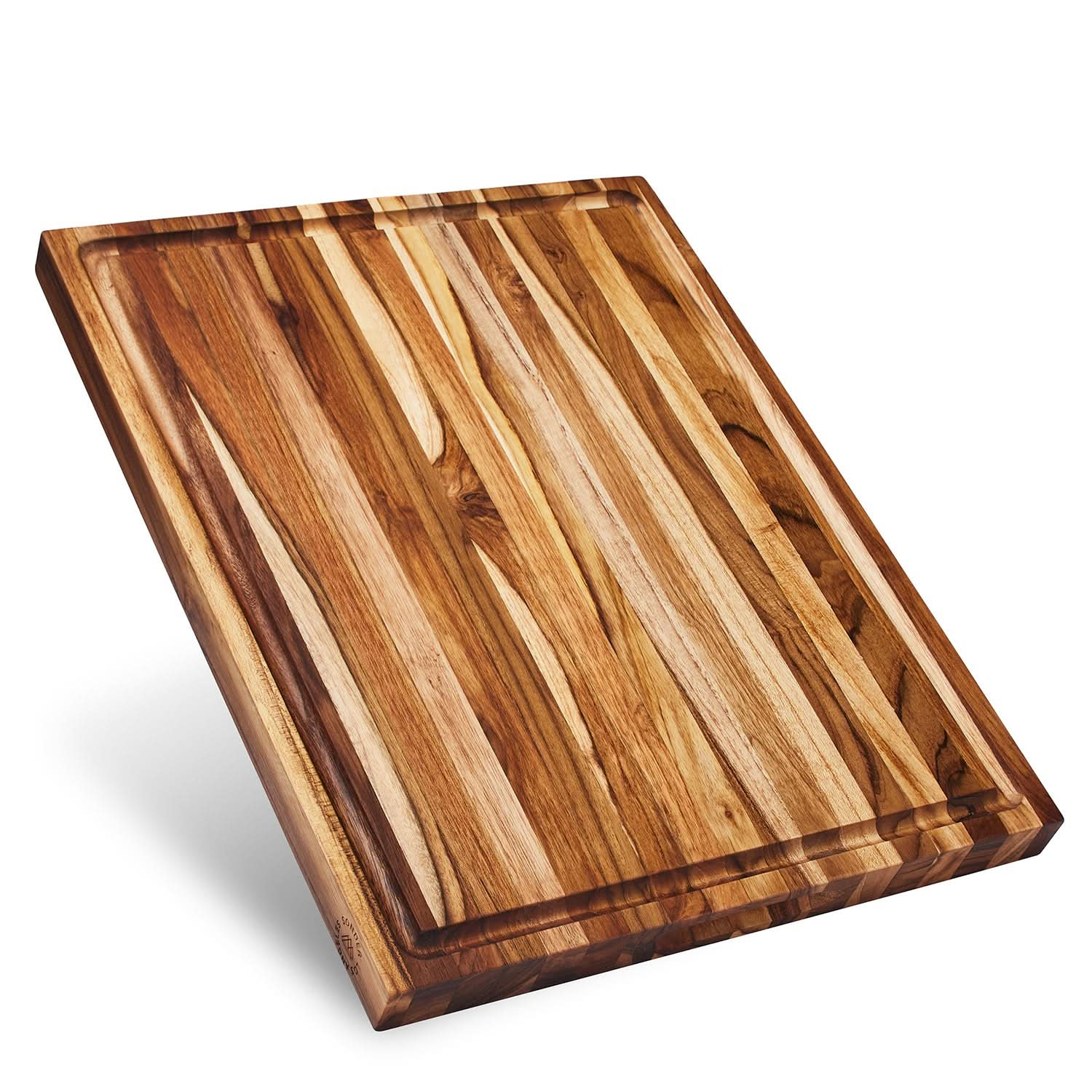
A cutting board isn’t just a tool—it’s also a piece of kitchen décor. Teak offers a rich, warm color that adds elegance to any kitchen. Its beautiful, dark wood tones provide a stunning contrast to lighter countertops. Picture your kitchen with a teak board on display, drawing compliments from friends and family. The natural patterns and textures of teak make each board unique, adding character and charm to your cooking space. Why settle for ordinary when you can have extraordinary? In choosing a cutting board, teak offers practical benefits and aesthetic value. You’ll enjoy its knife-friendly surface, easy maintenance, and timeless beauty. With these advantages, teak stands as a top contender for your next cutting board purchase. What will your kitchen say about you?
Credit: www.nytimes.com
Potential Drawbacks
Teak wood, though durable, can dull knives more quickly due to its hardness. Its natural oils might also cause issues with food safety. Additionally, teak cutting boards can be heavier and more expensive than other wood options.
When considering whether teak is a suitable wood for cutting boards, it’s important to weigh the potential drawbacks. While teak boasts many advantages, it’s not without its downsides. Understanding these can help you make a well-informed decision about whether teak is right for your kitchen.Cost Considerations
Teak is often more expensive than other woods used for cutting boards. You might find yourself questioning if the investment is worth it. While teak offers durability and resistance to water, you might be able to find cheaper alternatives that suit your needs just as well. Balancing your budget with your desire for quality is key.Weight And Handling
Teak cutting boards can be quite heavy, making them difficult to handle. If you’re someone who enjoys cooking and moves your cutting board frequently, this could be a concern. Heavier boards may also be challenging to clean and store, especially in smaller kitchens. Consider your kitchen space and usage habits before deciding.Availability Issues
Teak isn’t always easy to find, especially if you’re looking for certified sustainable options. Limited availability might mean you have fewer choices, both in terms of price and style. If you’re committed to sourcing environmentally-friendly products, you might need to do extra research or wait for the right product to come along. In deciding whether teak is the right choice for your cutting board, consider these potential drawbacks carefully. Would a more affordable, lighter, and readily available option better suit your lifestyle?Choosing The Right Teak Board
Choosing the right teak board can greatly enhance your culinary experience. Teak wood is known for its durability and beautiful grain patterns. It is highly favored for cutting boards due to its unique properties. Selecting the perfect teak board involves more than just picking one off the shelf. You need to consider the quality, size, and care requirements to ensure longevity.
Sourcing Quality Teak
Quality teak is essential for a lasting cutting board. Not all teak is equal. Genuine teak has natural oils that resist moisture. This makes it less prone to warping. Always seek sustainably sourced teak. Look for certifications from reputable organizations. These ensure that the wood is harvested responsibly. High-quality teak often comes from regions like Southeast Asia. Verify the origin to guarantee authenticity.
Size And Thickness Options
Size and thickness matter for functionality. A larger board offers more space for chopping. Consider your kitchen counter size. Choose a board that fits comfortably. Thickness impacts durability. Thicker boards withstand heavy use. They are less likely to crack or split. Consider a board that is at least 1.5 inches thick. This provides a stable surface for all types of cutting.
Caring Tips For Longevity
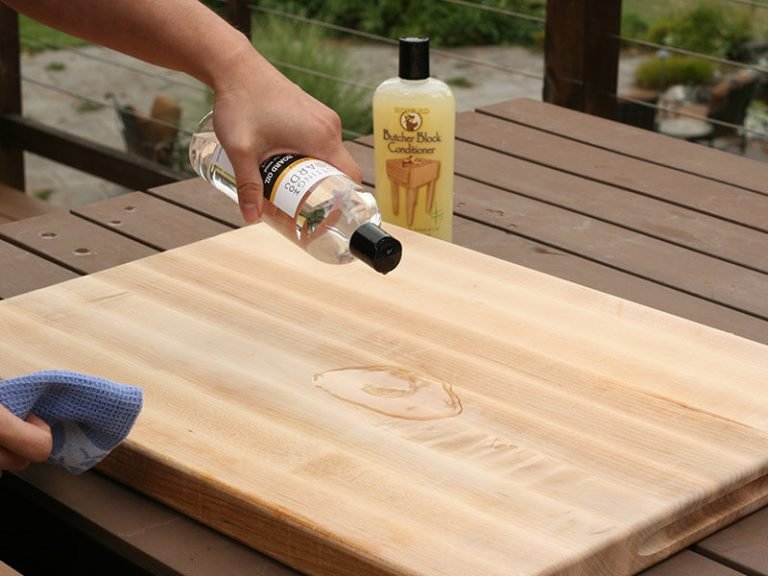
Proper care extends the life of your teak cutting board. Regular oiling maintains its moisture resistance. Use food-grade mineral oil. Apply it monthly for best results. Avoid soaking the board in water. This can lead to warping. Clean it with mild soap and warm water. Dry immediately to prevent moisture damage. Store in a dry place to protect the wood.
Frequently Asked Questions
Is Teak Safe To Use As A Cutting Board?
Yes, teak is safe for cutting boards. It offers natural durability and resistance to water and bacteria. Its tight grain prevents knife marks and absorbs less moisture, making it ideal for kitchen use. Choose sustainably sourced teak to ensure environmental responsibility.
Regular maintenance helps preserve its quality and appearance.
Can You Cut Raw Meat On A Teak Cutting Board?
Yes, you can cut raw meat on a teak cutting board. Teak is durable and resistant to moisture. Its natural oils make it less prone to bacteria. Clean the board thoroughly after use to maintain hygiene. Regular oiling helps preserve its surface and longevity.
What Are The Pros And Cons Of Teak Cutting Boards?
Teak cutting boards resist moisture and bacteria, offer durability, and maintain knife edges. They can be pricey and heavy.
Which Wood Is Better For Cutting Board, Teak Or Acacia?
Teak is better for cutting boards due to its durability and water resistance. Acacia is also durable but may require more maintenance. Teak’s natural oils prevent moisture absorption, making it a superior choice for longevity and hygiene. Both woods are attractive, but teak offers better performance for regular kitchen use.
Conclusion
Teak wood offers durability for cutting boards. Its natural oils resist bacteria, making it safe. The hard surface withstands daily use without damage. Teak’s rich color adds beauty to any kitchen. While more expensive, its longevity saves money over time.
Proper care keeps teak boards in top condition. Regular oiling prevents drying and cracking. Choosing teak means investing in quality. It’s a solid choice for those seeking reliable kitchen tools. Consider your budget and needs before buying. Teak might be the right fit for your culinary adventures.

I’m Abby Lu, a passionate home cook who loves simplifying everyday meals. At PlugChef.com, I share product reviews and cooking guides to help you find the best tools for your kitchen.
Related posts:
 What Type of Cooking Utensils are Safe: Expert Picks
 What Innovations Could Blenders Make: Unleashing Future Tech
 Smart Strategies to Organize a Small Kitchen: Maximize Space
 How to Organize a Kitchen Cabinet: Expert Tips & Tricks
 How to Organize Kitchen Drawers: Expert Tips and Tricks
 How to Organize a Corner Kitchen Cupboard: Expert Tips