

Imagine preparing a delicious meal in your kitchen. You reach for your cutting board and pause.
You’ve heard oak is a good choice, but is it really? This is a question many ponder. You want your kitchen tools to be reliable and safe. You might be looking for durability, ease of cleaning, or perhaps something that complements your kitchen’s aesthetic.
Oak cutting boards promise so much, but what’s the truth? You’ll discover whether oak is truly the best choice for your cutting board needs. We’ll explore its strengths and potential drawbacks, so you can make an informed decision. With insights backed by expert opinions and research, you’ll feel confident knowing if oak is the right fit for your kitchen. Keep reading to learn everything you need to know and transform your kitchen experience.

Credit: m.youtube.com
Characteristics Of Oak Wood
Oak wood is a popular choice for cutting boards. It is known for its strength and beauty. This makes it a preferred option in many kitchens. Understanding the characteristics of oak wood can help in making informed decisions. Let’s explore some key features that oak wood offers for cutting boards.
Density And Durability
Oak wood is dense and strong. It withstands frequent use without damage. This density makes it durable for kitchen tasks. Oak cutting boards last a long time. They handle heavy chopping and slicing with ease.
Grain Patterns
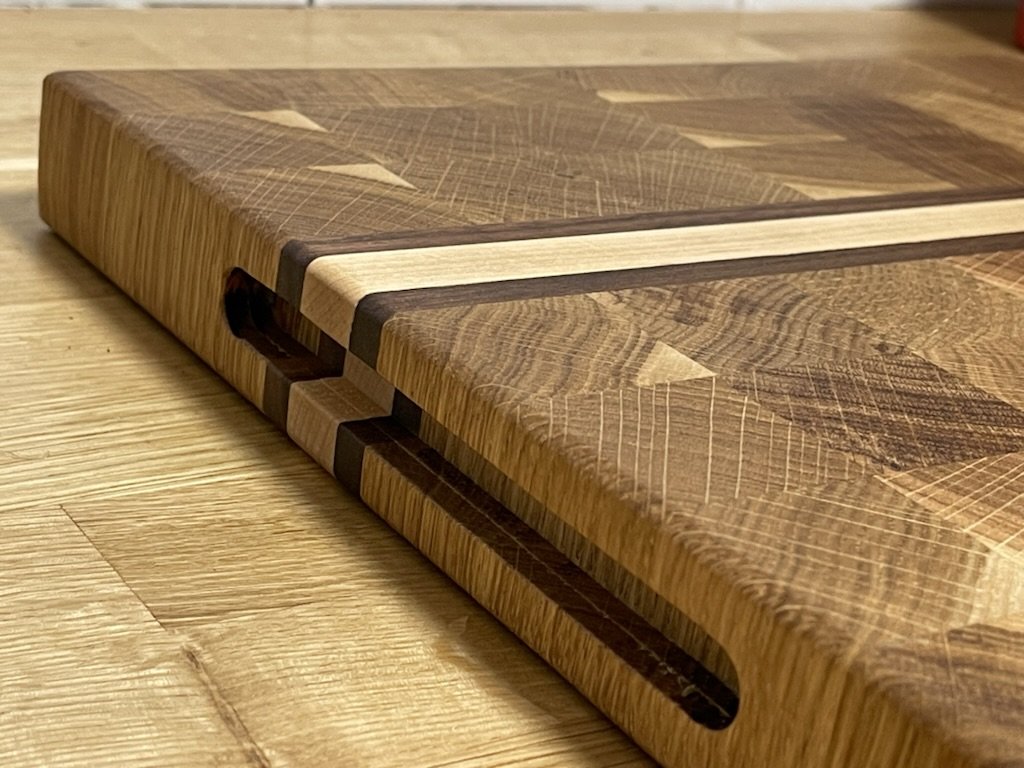
Oak wood has unique grain patterns. These patterns add beauty and charm. Each oak board has its own distinct look. The grain can be straight or wavy. This variety enhances the visual appeal of cutting boards.
Resistance To Wear
Oak wood is resistant to wear and tear. It maintains its structure over time. This quality makes oak a reliable option for cutting boards. It remains sturdy even after years of use. Oak boards are less likely to warp or crack.
Credit: thefinch.co.uk
Benefits Of Oak For Cutting Boards
When choosing the right material for your cutting board, oak often comes up as a strong contender. But what makes oak such a great choice? Let’s explore the benefits of oak for cutting boards and why it might be the perfect addition to your kitchen.
Longevity And Strength
Oak is well-known for its durability. This means your cutting board can withstand years of use without warping or splitting. Have you ever had a cutting board break after just a few uses? With oak, that’s less likely to happen. Its dense grain structure makes it resistant to scratches and dents. This ensures your board remains smooth and functional over time, providing a reliable surface for all your chopping needs.
Aesthetic Appeal
There’s something undeniably attractive about an oak cutting board. Its rich, warm tones add a touch of elegance to any kitchen. If you’ve ever admired a beautifully set kitchen, chances are you’ve noticed an oak cutting board at the center of it. The natural grain patterns create a unique look, making each board distinct. Whether you’re hosting a dinner party or just enjoying a quiet meal at home, an oak cutting board can enhance your cooking space with its visual charm.
Natural Antibacterial Properties
Oak isn’t just about looks and strength; it also has natural antibacterial properties. This can make your kitchen a safer place. Have you ever worried about bacteria lingering on your cutting surfaces? Oak can help ease those concerns. The wood contains tannins, which naturally inhibit bacterial growth. This means you can focus more on preparing delicious meals and less on potential health risks.
So, is oak good for cutting boards? Absolutely. With its blend of strength, beauty, and natural safety features, it offers a practical and stylish option for any kitchen. Consider an oak cutting board for your next purchase and enjoy the benefits it brings to your culinary adventures.
Potential Drawbacks
Oak cutting boards have a strong reputation for durability and beauty. Yet, they come with some potential drawbacks. These aspects might influence your decision. Understanding these can help you make an informed choice.
Porosity Concerns
Oak is porous. This means it can absorb liquids easily. This absorption can lead to bacteria growth. It can also cause unpleasant odors. Constant exposure to moisture can weaken the board over time.
Maintenance Requirements
Keeping an oak cutting board in good shape requires regular maintenance. Regular oiling is necessary to maintain its condition. Without proper care, the board can dry out. This can cause cracks and splits. It also takes time and effort to clean the board thoroughly.
Weight And Handling
Oak is a heavy wood. This makes the cutting board heavier than others. The weight can make handling difficult. Moving the board around the kitchen might be challenging. It may require more effort during cleaning. This can be inconvenient for some users.
Comparing Oak With Other Woods
Choosing the right wood for your cutting board can be a bit confusing. With so many options available, how do you decide which is best for your kitchen? Oak is a popular choice, but how does it stack up against other woods? Let’s dive into comparing oak with other woods and see if it’s the right fit for your cutting board needs.
Maple Vs. Oak
Maple is known for its durability and smooth surface. It’s often praised for its gentle touch on knives. Oak, on the other hand, offers a unique grain pattern that many find attractive. But oak is slightly porous, which means it might absorb more liquids than maple.
I remember my first cutting board purchase. I went with maple because I was worried about knife marks and stains. However, my friend chose oak for its aesthetic appeal. Both of us are happy, but it shows how personal preferences play a big role.
Considering the differences, ask yourself: do you prioritize durability over appearance? This simple question might help you make your choice.
Bamboo Vs. Oak
Bamboo is eco-friendly and remarkably hard. It’s resistant to scratches and looks sleek in modern kitchens. Oak, while not as hard, offers a warm, rustic charm. If sustainability is your priority, bamboo might win your heart.
Once, I gifted a bamboo cutting board to a friend who was passionate about green living. She loved it, but she missed the classic look of her old oak board. It made me realize that values and aesthetics often collide.
Reflect on what matters most to you in your kitchen setup: sustainability or style?
Walnut Vs. Oak
Walnut has a rich dark color and smooth surface. It’s less porous than oak, which means fewer stains. Oak, however, offers a timeless, classic look that can complement any kitchen decor.
Years ago, I swapped my oak board for walnut, hoping for fewer maintenance hassles. While walnut was easier to clean, I missed the charming look of oak. This personal experience taught me that functionality and beauty often compete.
Think about your kitchen’s vibe: do you want a board that blends in or stands out?
Ultimately, your choice between these woods depends on your priorities and kitchen style. Whether it’s the durability of maple, the eco-friendliness of bamboo, or the elegance of walnut, each offers something unique. Consider your needs and your kitchen’s character before making your decision.
Tips For Maintaining Oak Cutting Boards
Oak cutting boards are a beautiful addition to any kitchen. They are strong and durable, but they need proper care to last long. Maintaining your oak cutting board involves a few simple steps. These steps keep your board looking great and functioning well. Learn how to clean, oil, and store your oak cutting board correctly.
Proper Cleaning Techniques
Clean your board after each use. Use warm water and mild soap. Avoid soaking the board in water. Rinse it well and dry it with a clean towel. This prevents bacteria buildup and keeps the wood safe. Never put your oak cutting board in the dishwasher. The heat can damage the wood.
Regular Oiling
Oil your oak cutting board regularly. Use food-grade mineral oil for best results. Apply the oil with a soft cloth. Rub it gently into the wood. Let the board absorb the oil overnight. Oiling helps prevent cracks and keeps the wood hydrated. It also enhances the board’s natural beauty.
Storing Correctly
Store your cutting board in a dry place. Make sure it has enough air circulation. Avoid storing it near heat sources. Heat can cause the wood to warp. Keep it upright or flat, but not leaning against other objects. Proper storage prevents damage and prolongs the board’s life.
Eco-friendliness Of Oak
Oak is a popular choice for cutting boards due to its durability. But how eco-friendly is it? Let’s explore oak’s sustainability and environmental impact.
Sustainability Considerations
Oak trees grow in many parts of the world. They are widely available and easy to harvest. This makes oak a sustainable option. Replanting programs are common, ensuring a steady supply. Oak cutting boards often come from responsibly managed forests. These practices help maintain forest health.
Environmental Impact
Using oak for cutting boards has minimal environmental impact. It is biodegradable and can be recycled. The production process is also relatively low in emissions. Oak cutting boards last long, reducing waste. When they wear out, they decompose naturally. Thus, oak supports a greener lifestyle.
Oak Cutting Board Recommendations
Oak cutting boards offer durability and strength, making them a solid choice for kitchen tasks. Their dense surface resists knife marks, ensuring longevity. Natural tannins help in keeping the board hygienic, making oak a practical and reliable option for everyday use.
When considering the ideal cutting board, oak often comes to mind for its durability and classic appearance. But how do you decide which oak cutting board is right for your kitchen? This guide will walk you through some practical recommendations to help you make an informed decision.Choosing The Right Size
Size matters when choosing an oak cutting board. A board that’s too small might leave you frustrated, while one that’s too large could be cumbersome. Think about your kitchen space and cooking habits. Do you often prepare large meals or just a quick sandwich? Opt for a medium-sized board if you’re somewhere in between. Remember, the right size is one that comfortably fits on your countertop and accommodates your chopping needs.Selecting Quality Oak
Not all oak is created equal. Look for boards made from solid, hardwood oak, as they tend to last longer and withstand daily use. Avoid particleboard or laminated options, which may not offer the same resilience. A good-quality oak board should feel heavy and have a smooth finish. Run your hand over it—does it feel solid and free of splinters? That’s a sign of quality craftsmanship.Trusted Brands To Consider
When it comes to trusted brands, some names stand out for their quality and customer satisfaction. Boos Block is often hailed as a leader in the industry, offering both durability and beauty in their oak cutting boards. Teakhaus also provides excellent options, known for their sustainability and sturdy construction. Are you looking for a budget-friendly choice? Consider Ironwood Gourmet, which offers robust boards without breaking the bank. Think about what’s most important to you—durability, aesthetics, sustainability? This will guide you in selecting a brand that aligns with your values. In your kitchen adventures, the right oak cutting board can make all the difference. What’s your favorite cutting board feature? Is it the size, the feel, or perhaps the brand reputation? Share your thoughts and see how others have chosen theirs!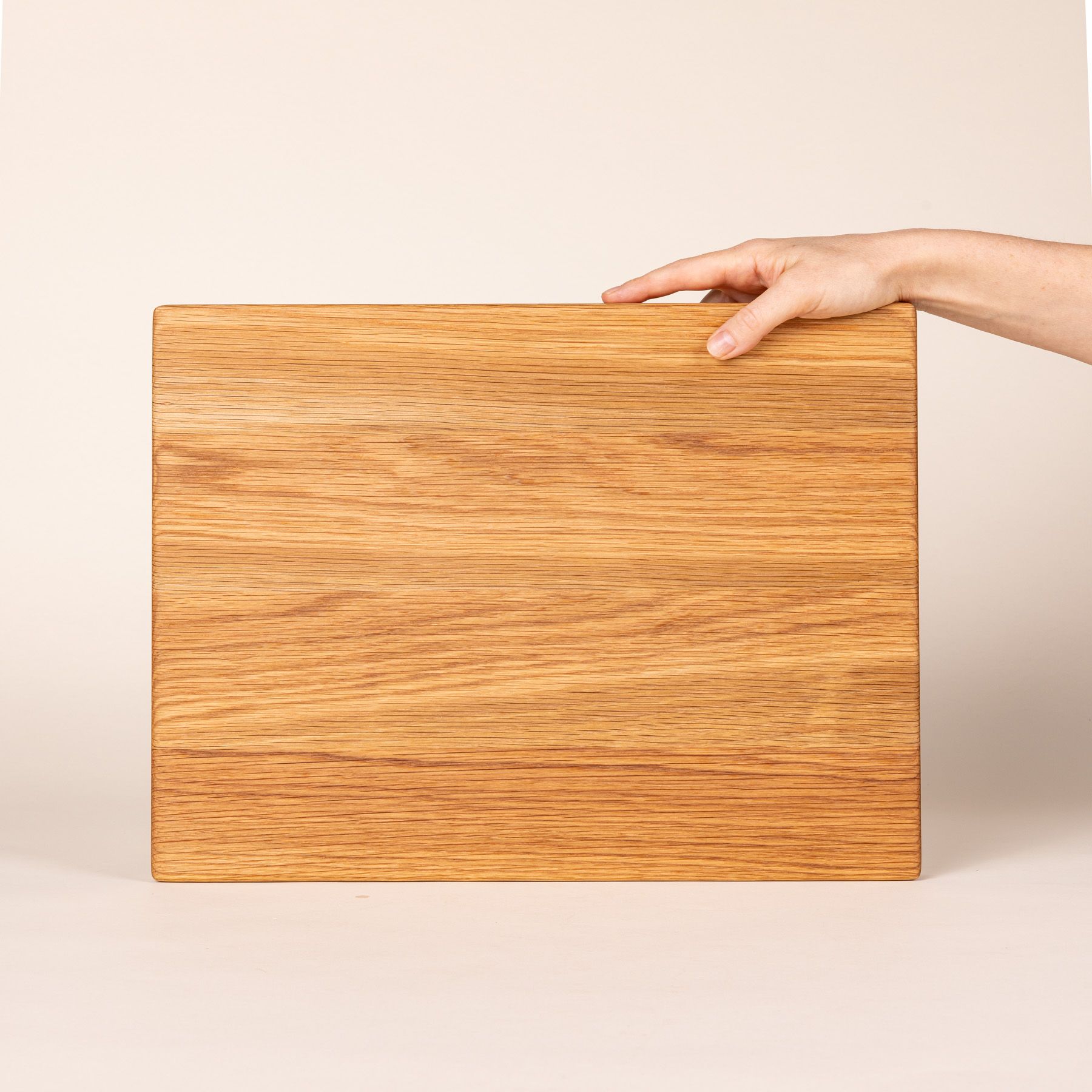
Credit: www.eastfork.com
Frequently Asked Questions
Why Not Use Oak For Cutting Boards?
Oak is porous, absorbing moisture and bacteria, which can lead to hygiene issues. It causes knife dulling quickly. Use dense hardwoods like maple for cutting boards instead.
Is Maple Or Oak Better For Cutting Boards?
Maple is better for cutting boards due to its hardness and fine grain, which resist bacteria. Oak is porous, making it less hygienic and more prone to knife marks. Maple provides a durable, easy-to-clean surface, ideal for kitchen use. Choose maple for a long-lasting, safe cutting board.
Can I Use Oak As A Chopping Board?
Yes, oak is suitable for a chopping board. It is durable and resistant to knife scars. Ensure it’s well-maintained and regularly oiled for longevity. Avoid soaking it in water to prevent warping. Oak’s natural hardness makes it a popular choice for both professional and home kitchens.
What Type Of Wood Is Best For A Cutting Board?
Hardwoods like maple, walnut, and cherry are best for cutting boards. They are durable and resist knife marks. These woods prevent bacteria growth and provide a smooth surface. Choose end-grain boards for extra longevity. Avoid softwoods as they damage easily and harbor bacteria.
Conclusion
Oak makes an excellent choice for cutting boards. Its durability stands the test of time. Natural antibacterial properties help keep food safe. Easy maintenance adds to its appeal. Regular cleaning keeps your oak board fresh. Its rich grain enhances kitchen aesthetics.
Choose oak for its reliability and beauty. It’s a smart, practical option for any kitchen. Remember to oil it occasionally. This prevents cracks and extends its life. Oak offers a balance of function and style. Ideal for those who value quality in their kitchen tools.
Consider oak for your next cutting board purchase.

Hi, I’m Daniel Brooks—a food lover and kitchen gear enthusiast. I enjoy testing cookware, utensils, and gadgets to see what really works in everyday cooking. At PlugChef.com, I share honest reviews, comparisons, and simple guides to help you choose the best tools for a safer, smarter, and more enjoyable kitchen.
Related posts:
 What Type of Cooking Utensils are Safe: Expert Picks
 What Innovations Could Blenders Make: Unleashing Future Tech
 Smart Strategies to Organize a Small Kitchen: Maximize Space
 How to Organize a Kitchen Cabinet: Expert Tips & Tricks
 How to Organize Kitchen Drawers: Expert Tips and Tricks
 How to Organize a Corner Kitchen Cupboard: Expert Tips

