
Have you ever wondered how to keep your cutting boards in top condition? You’re not alone.
The kitchen is the heart of your home, and your cutting board is its unsung hero. It slices, dices, and withstands the daily grind. But, what’s the secret to keeping it fresh and functional? Mineral oil might be the answer you’ve been searching for.
Imagine a cutting board that stays smooth and splinter-free, protecting your hands and enhancing your culinary experience. Keep reading to discover if mineral oil is the magic solution your cutting board has been waiting for.

Credit: www.youtube.com
Role Of Mineral Oil In Cutting Board Care
Maintaining your cutting board is crucial for preserving its longevity and ensuring food safety. Mineral oil plays a pivotal role in cutting board care, offering a simple yet effective solution to keep your board in top condition. But why should you choose mineral oil?
Mineral oil is often celebrated for its ability to protect and hydrate wooden surfaces. When applied to cutting boards, it penetrates the wood, preventing it from drying out and cracking. This keeps your board smooth and ready for use.
Have you ever noticed your cutting board looking dull or feeling rough? Mineral oil can rejuvenate the surface, restoring its natural sheen and making it pleasant to use again. A well-maintained board not only looks better but also performs better during food preparation.
Why Choose Mineral Oil?
Mineral oil is food-safe and non-toxic, making it an ideal choice for items that come in contact with food. You might wonder if other oils can do the same. Unlike vegetable oils, mineral oil doesn’t go rancid, which makes it a reliable option for long-term use.
Think about your cutting board as an investment. Regular application of mineral oil can extend its life, saving you money in the long run. Plus, the maintenance process is straightforward, requiring no fancy tools or expertise.
How To Apply Mineral Oil
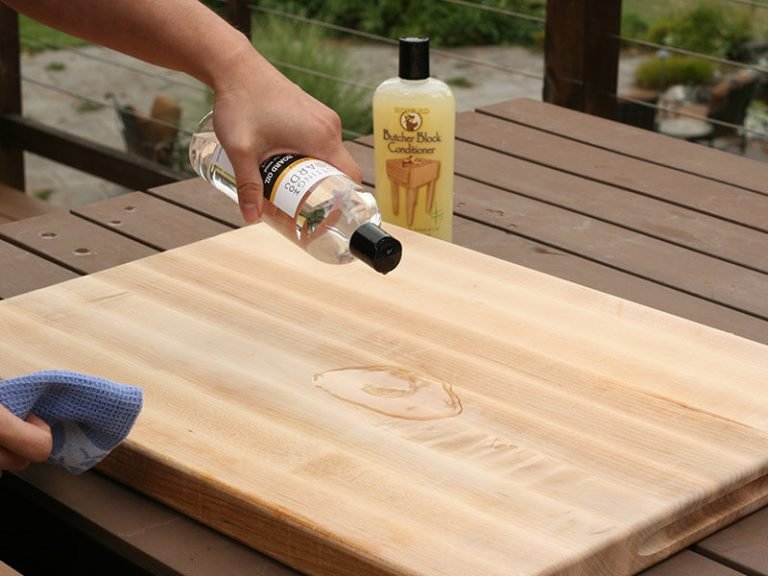
Applying mineral oil is a breeze. Simply pour a small amount onto the surface and spread it evenly with a cloth or paper towel. Allow the oil to penetrate overnight for best results. Wondering how often to do this? Monthly application is usually sufficient, but your board might need more frequent care if used daily.
Ever tried applying mineral oil and found it messy? Here’s a tip: use a squeeze bottle for precise application. This minimizes waste and ensures even coverage.
Benefits Beyond Protection
Beyond protecting the wood, mineral oil enhances the aesthetic appeal of your cutting board. A well-oiled board looks inviting and adds charm to your kitchen. It also makes food preparation more enjoyable.
Do you enjoy those moments of culinary creativity? A well-cared-for cutting board contributes to that experience, giving you a reliable surface for slicing and dicing.
Incorporating mineral oil into your cutting board care routine is a simple step with profound benefits. Are you ready to give your cutting board the care it deserves?
Benefits Of Using Mineral Oil
Mineral oil is often used to maintain cutting boards. It has several benefits that help keep your board in top shape. These benefits make it a popular choice for many kitchen enthusiasts. Let’s explore how mineral oil can enhance your cutting board’s life and appearance.
Prevents Dryness
Wood cutting boards can dry out over time. Dryness leads to cracks and splits. Mineral oil seeps into the wood. It keeps the board moisturized. This prevents the wood from becoming brittle. Regular oiling ensures your cutting board stays smooth and functional.
Enhances Longevity
Mineral oil creates a protective barrier. This barrier helps shield the wood from damage. It reduces the risk of warping and cracking. A well-maintained board lasts longer. Mineral oil extends the life of your cutting board, making it a worthy investment.
Maintains Appearance
Mineral oil enhances the wood’s natural color. It gives the board a fresh and polished look. The oil helps hide small scratches and blemishes. With regular treatment, your board looks new for longer. It’s an easy way to maintain a beautiful kitchen tool.
Application Process
Mineral oil is a popular choice for maintaining cutting boards. It prevents drying and cracking. A proper application process ensures the board remains in top condition. Follow these steps for optimal results.
Cleaning The Board
Before applying mineral oil, clean the cutting board thoroughly. Use warm water and mild soap. Scrub the surface gently to remove food particles. Rinse well and dry with a clean towel. Ensure the board is completely dry. Moisture can affect the oil’s absorption.
Applying The Oil
Pour a small amount of mineral oil onto the board. Use a soft cloth or paper towel to spread it evenly. Cover the entire surface, including the edges. Allow the oil to soak in for a few hours. For deeper absorption, leave it overnight. Excess oil can be wiped away with a dry cloth.
Frequency Of Application
Regular application keeps the board in good shape. Apply mineral oil every month for new boards. Older boards might need more frequent oiling. Adjust based on usage and condition. More use means more frequent applications.
:max_bytes(150000):strip_icc()/__opt__aboutcom__coeus__resources__content_migration__serious_eats__seriouseats.com__2018__09__20180822-mineral-oil-liz-clayman-pouring-1500x1125-0b80b401d0354d46a9eccf6d5decd9de.jpg)
Credit: www.seriouseats.com
Comparing Alternatives
Mineral oil is a popular choice for maintaining cutting boards due to its ability to protect and moisturize wood. It helps in preventing cracks and keeps the surface smooth. Compare it with alternatives like beeswax and coconut oil for varied benefits.
Comparing alternatives for cutting board care is essential for kitchen enthusiasts. Mineral oil is a popular choice, but there are other options. Each alternative offers distinct benefits for maintaining your cutting board. Let’s explore some of these options.Beeswax
Beeswax is a natural and effective option for cutting boards. It creates a protective barrier on the surface. This helps in keeping moisture out. Beeswax also adds a subtle shine. It is often combined with other oils for enhanced protection. Many appreciate its natural origin and pleasant scent.Coconut Oil
Coconut oil is another popular choice. It is easily available and affordable. It penetrates the wood, providing moisture and protection. Some prefer its natural and mild fragrance. But, be cautious. Coconut oil can go rancid over time. It requires frequent reapplication to maintain its effectiveness.Commercial Board Oils
Commercial board oils are specially formulated for cutting boards. They often contain a mix of mineral oil and other conditioners. These products are designed to penetrate and seal the wood. Many brands offer food-safe options. They are easy to apply and often come with detailed instructions. Consider them for a convenient and comprehensive solution.Expert Opinions
Choosing the right oil for your cutting board is crucial for its maintenance and longevity. You might wonder if mineral oil is the best option. Let’s explore what the experts have to say. Should you trust a chef’s advice or a woodworker’s insight? These professionals offer unique perspectives that might just influence your decision.
Chef Recommendations
Chefs often favor mineral oil for its simplicity and effectiveness. It’s easy to apply and helps keep the board moisture-free. This oil prevents the wood from absorbing food juices, which can lead to stains and odors.
Imagine a bustling restaurant kitchen. The chef must maintain sanitary conditions without sacrificing time. Mineral oil offers a practical solution, as it’s readily available and straightforward to use. It’s a staple in many professional kitchens.
Have you ever noticed how smoothly a knife glides over a well-oiled board? Chefs appreciate this smooth surface as it enhances precision and safety when chopping. A mineral oil-treated board reduces friction, allowing for cleaner cuts.
Woodworker Perspectives
Woodworkers look at mineral oil differently. They value its ability to penetrate and protect the wood’s grain. This oil nourishes the wood, preventing it from drying out and cracking over time.
Consider a woodworker crafting a cutting board. They see the board as a work of art, requiring care and attention. Mineral oil enhances the board’s natural beauty by highlighting its grain and texture. It’s like giving life to the wood.
But there’s a catch. Some woodworkers argue that mineral oil doesn’t provide long-term protection. They might suggest using a blend of oils or beeswax for added durability. This raises an interesting question: Do you prioritize ease of use or longevity?
Ultimately, whether you align with chefs or woodworkers, consider how often you use your cutting board and what you want from it. Mineral oil is widely praised, but exploring additional options might offer more tailored results for your kitchen needs.

Credit: www.amazon.com
Potential Drawbacks
Mineral oil can build up over time, making boards greasy. It might not be suitable for all wood types. Some people prefer oils with antibacterial properties for added safety.
When considering mineral oil for your cutting board, it’s essential to weigh its potential drawbacks. While many people use mineral oil to maintain their cutting boards, it’s not a one-size-fits-all solution. Understanding these potential downsides will help you make a more informed decision for your kitchen.Allergies And Sensitivities
Some individuals may experience allergic reactions to mineral oil. If you have sensitive skin, touching a mineral oil-treated cutting board might cause irritation. Have you ever noticed a rash after preparing a meal? It could be the result of contact with mineral oil. Always test a small area first or consult with a healthcare professional if you’re unsure about potential allergies.Environmental Concerns
Mineral oil is a byproduct of petroleum, raising environmental questions. Are you passionate about green living and reducing your carbon footprint? Using petroleum-based products may conflict with eco-friendly values. Consider alternative oils like coconut or beeswax, which are renewable and biodegradable. This choice might align better with your environmental goals. Balancing the benefits and drawbacks of mineral oil involves personal priorities. Consider your health, environmental impact, and overall kitchen practices. Would an alternative oil serve your needs better? Making thoughtful choices ensures your cutting board remains both functional and aligned with your values.Selecting The Right Mineral Oil
Choosing the right mineral oil for your cutting board is crucial. Not all mineral oils are the same, and using the wrong type can affect both the longevity of your board and the safety of your food. How do you ensure you’re using the best oil? Let’s dive into the details.
Food-grade Options
When picking mineral oil for your cutting board, ensure it’s labeled as food-grade. This means it’s safe for contact with food and won’t contaminate your meals. Non-food-grade oils might contain additives that can be harmful. Imagine preparing a fresh salad, only to realize your cutting board oil isn’t safe. Always check the label for FDA approval or a similar certification. Your health is worth the extra scrutiny.
Where To Purchase
Finding the right mineral oil doesn’t have to be a daunting task. Many kitchenware stores and online platforms offer a variety of options. Buying online can be convenient, but local stores allow you to read the labels in person. You might even discover a brand that a friend or family member swears by. Don’t hesitate to ask store employees for recommendations—they’re often more than willing to help. Have you ever found a gem of a product just by asking around?
Consider creating a checklist of qualities you desire in a mineral oil. Keep it handy when shopping to ensure you don’t miss anything important. This proactive step can save you time and ensure you get the right oil for your cutting board needs.
Frequently Asked Questions
Why Not Use Mineral Oil On Cutting Board?
Mineral oil can damage cutting boards over time. It doesn’t provide enough hydration, leading to cracks. Opt for food-safe oils instead, ensuring longevity and safety. Proper care enhances durability and hygiene, keeping your cutting board in top condition. Always choose oils designed for kitchen use.
Which Oil Is Best For Cutting Boards?
Food-grade mineral oil is the best choice for cutting boards. It is non-toxic and prevents wood from drying. Regular application keeps the board conditioned and long-lasting. Avoid vegetable and olive oils as they can go rancid. Always ensure the oil is specifically labeled for food use.
Is There A Difference Between Food Grade Mineral Oil And Regular Mineral Oil?
Food grade mineral oil is purified for safe consumption, while regular mineral oil is not. Food grade is used in food preparation, while regular is for industrial use. Always choose food grade for culinary purposes to ensure safety.
Does Mineral Oil Make Wood Food Safe?
Yes, mineral oil makes wood food safe. It is non-toxic and prevents wood from drying and cracking. Regular application of food-grade mineral oil protects wooden cutting boards and utensils. Always choose food-grade mineral oil for kitchen use to ensure safety and effectiveness.
Conclusion
Mineral oil is a popular choice for cutting boards. It keeps the wood hydrated and prevents cracks. Non-toxic and odorless, it’s safe for food surfaces. Easy to apply with a cloth. Leaves no residue, ensuring a clean board every time.
Affordable and widely available in stores. Helps prolong the board’s life. Regular use ensures durability and safety. Consider mineral oil for your next cutting board care routine. Keeps it looking new and functional. Perfect for everyday kitchen use. Simple, effective, and trusted by many.
Your cutting board deserves the best care possible.

I’m Abby Lu, a passionate home cook who loves simplifying everyday meals. At PlugChef.com, I share product reviews and cooking guides to help you find the best tools for your kitchen.
Related posts:
 What Type of Cooking Utensils are Safe: Expert Picks
 What Innovations Could Blenders Make: Unleashing Future Tech
 Smart Strategies to Organize a Small Kitchen: Maximize Space
 How to Organize a Kitchen Cabinet: Expert Tips & Tricks
 How to Organize Kitchen Drawers: Expert Tips and Tricks
 How to Organize a Corner Kitchen Cupboard: Expert Tips