
Imagine slicing through fresh vegetables or carving a juicy steak on a cutting board that not only serves its purpose but also adds a touch of elegance to your kitchen. You’re likely familiar with the rich, warm tones of mahogany, a wood that’s often synonymous with luxury and durability.
But is mahogany truly a good choice for your cutting board? As you ponder this question, consider the balance between aesthetics and functionality. You’re not just looking for any cutting board—you’re seeking one that complements your culinary efforts while standing up to the demands of daily use.
With countless options available, selecting the right material becomes crucial. You’ll discover whether mahogany meets the criteria for the ideal cutting board. We’ll explore its characteristics, weigh its pros and cons, and ultimately help you decide if it’s the right fit for your kitchen. Keep reading to ensure your next cutting board choice is both stylish and practical.
Mahogany Characteristics
Mahogany is a popular choice for cutting boards. Its unique qualities make it stand out. Let’s explore what makes mahogany special.
Wood Density And Hardness
Mahogany offers a balance of density and hardness. It’s dense enough to withstand regular use. Yet, it’s not too hard to damage knives. This makes it ideal for cutting boards. The wood absorbs shock well, reducing wear on blades.
Color And Grain Patterns
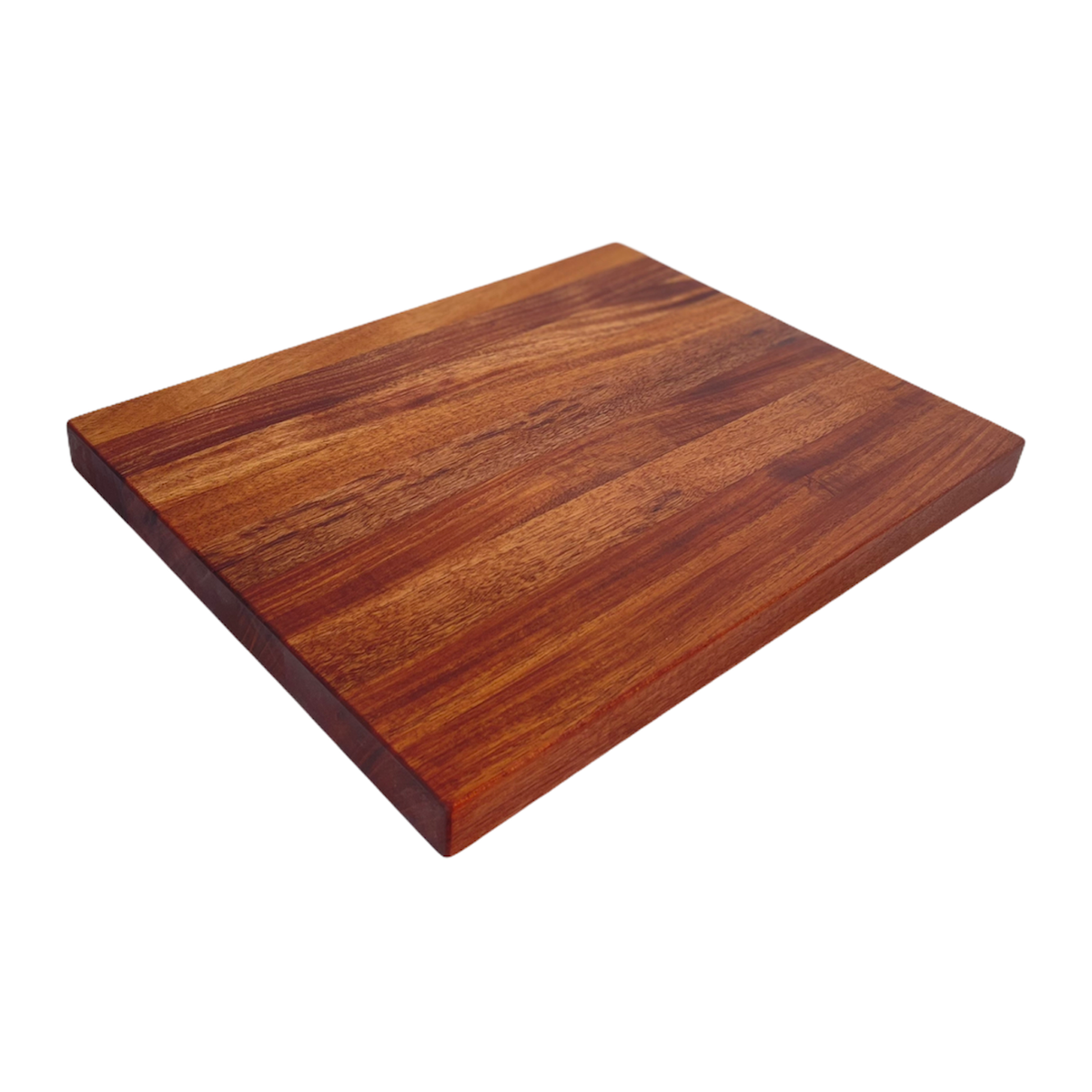
Mahogany is known for its rich color. The wood’s deep reddish-brown tone adds elegance. Each piece has unique grain patterns. These patterns enhance the board’s beauty. Over time, the wood may darken, adding character.
Sustainability And Sourcing
Sustainability is vital when choosing wood. Mahogany sourcing is a concern. Some sources are eco-friendly. It’s important to select responsibly harvested wood. Look for certified suppliers. This ensures minimal environmental impact.
Credit: www.reddit.com
Benefits Of Mahogany Cutting Boards
Mahogany cutting boards offer numerous benefits for your kitchen needs. Known for their elegance and resilience, they are a popular choice among chefs and home cooks. Let’s explore the advantages of using mahogany cutting boards.
Durability And Longevity
Mahogany is a hardwood. It withstands wear and tear effectively. This makes it ideal for cutting boards. It lasts longer than softer woods. Over time, it resists knife marks and scratches. Its toughness ensures a reliable surface for food prep.
Aesthetic Appeal
Mahogany has a rich, warm color. This adds beauty to any kitchen. Its grain patterns are unique and attractive. Each board has a distinct look. It enhances the visual appeal of your countertop. A mahogany board can double as a serving platter.
Resistance To Water And Stains
Mahogany naturally resists water. This quality prevents warping and cracking. It also repels stains effectively. The wood’s tight grain structure makes this possible. This helps maintain a clean and hygienic cutting surface. Proper care extends its lifespan even further.
Potential Drawbacks
Mahogany cutting boards have a distinct appeal. Yet, they come with some concerns. Understanding these drawbacks can help in making a decision.
Maintenance And Care
Mahogany boards need regular oiling. This maintains their condition. Without it, they may dry out. Regular cleaning is also vital. Use mild soap and water. Avoid soaking them. This prevents warping. Proper care increases their lifespan. But it requires effort.
Price Considerations
Mahogany is a premium wood. This makes cutting boards expensive. They can cost more than other woods. Not everyone can afford this. Consider your budget before buying. It’s a long-term investment. But initial costs might be high.
Environmental Concerns
Mahogany is often imported. This raises sustainability issues. Overharvesting is a problem in many regions. Consider the environmental impact. Look for certified sources. This ensures responsible sourcing. Support sustainable practices whenever possible.
Credit: www.armanifinewoodworking.com
Comparing Mahogany To Other Woods
Choosing the right wood for cutting boards is important. Different types of wood offer various benefits. Mahogany is popular among wood enthusiasts. But how does it compare to other options? Understanding these differences helps in making an informed choice. Let’s look at how mahogany stacks up against maple, bamboo, and walnut.
Mahogany Vs. Maple
Maple is a common choice for cutting boards. It’s durable and strong. Mahogany, on the other hand, is softer. This makes it less resistant to knife marks. Maple has a lighter color. Mahogany offers a rich, dark hue. Maple’s tight grain resists bacteria better. Mahogany is easier to maintain. Both have unique benefits. Choose based on your needs.
Mahogany Vs. Bamboo
Bamboo is environmentally friendly. It grows quickly and is renewable. Mahogany takes time to mature. Bamboo is harder than mahogany. It withstands more wear and tear. Mahogany has a smooth texture. Bamboo can feel rough. Bamboo is lighter in weight. Mahogany is heavier and denser. Consider these traits when selecting your board.
Mahogany Vs. Walnut
Walnut is known for its dark color. Mahogany shares similar richness in tone. Walnut is more expensive than mahogany. Both woods are fairly easy to work with. Walnut is slightly harder than mahogany. This makes it last longer. Mahogany has a warmer appearance. Walnut offers deep, chocolate tones. Choose the wood that fits your kitchen style.
Expert Opinions
Mahogany’s durability and rich color make it a popular choice for cutting boards. Experts appreciate its resistance to scratches and bacteria. Yet, some caution against using it due to its porous nature, which may affect hygiene.
Mahogany is a popular choice for cutting boards. But is it truly suitable? In this section, we explore expert opinions from chefs, woodworkers, and environmental experts. These insights will help you make an informed decision.Chef Perspectives
Many chefs appreciate mahogany for its durability. It’s less prone to scratching compared to softer woods. Some chefs prefer its smooth surface for slicing. The dark color hides stains better. Mahogany cutting boards are often praised for their aesthetic appeal. Some chefs consider them a stylish addition to their kitchen.Woodworker Views
Woodworkers often praise mahogany for its workability. It’s easy to shape and sand. This makes it ideal for crafting cutting boards. Mahogany’s grain pattern is admired for its beauty. Some woodworkers view it as a premium material. Its stability reduces warping, which is crucial for cutting boards. They often highlight its resistance to moisture.Environmental Expert Insights
Environmental experts have mixed views on mahogany. It’s important to source it sustainably. Overharvesting can lead to deforestation issues. Some experts stress checking certifications before purchase. Mahogany’s longevity can offset environmental concerns. A well-maintained board lasts for years, reducing waste. Sustainable practices can make mahogany a responsible choice.Care Tips For Mahogany Boards
Mahogany cutting boards are prized for their beauty and durability. Proper care ensures they last long and stay safe for food preparation. Regular maintenance also keeps them looking their best. Let’s explore essential care tips for these elegant boards.
Cleaning And Sanitation
Clean mahogany boards with warm, soapy water after each use. Avoid soaking them, as excess water can cause warping. Use a soft cloth or sponge for gentle cleaning. Rinse thoroughly and dry immediately with a towel. For sanitation, occasionally use a solution of vinegar and water. This helps to disinfect without harsh chemicals.
Oiling And Conditioning
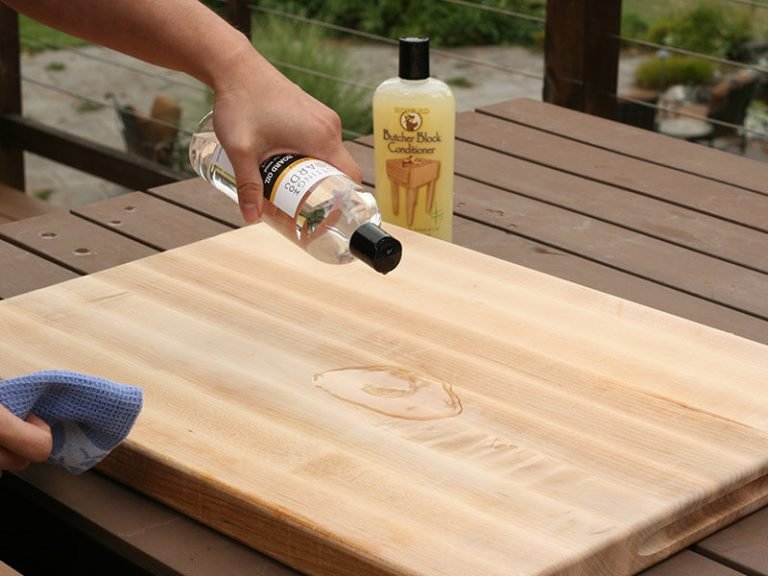
Regular oiling prevents the wood from drying out. Use food-grade mineral oil for best results. Apply the oil evenly with a soft cloth. Allow it to soak for several hours or overnight. Wipe off excess oil with a clean, dry cloth. Condition the board monthly to maintain its luster and protect against cracks.
Storage Recommendations
Store mahogany boards in a dry place away from direct sunlight. Keep them upright to allow air circulation. This prevents moisture buildup that can lead to mold. Avoid stacking heavy items on them to prevent warping. Proper storage extends the life of your cutting board.
Making The Right Choice
Choosing mahogany for cutting boards offers durability and aesthetic appeal. Its dense grain resists knife marks and bacteria, ensuring long-lasting use. The rich, dark color adds elegance to any kitchen setup, blending functionality with style effortlessly.
Choosing the right cutting board is more than just picking a piece of wood. It’s about understanding your cooking habits, preferences, and how much you’re willing to invest. Mahogany, with its rich color and durability, often catches the eye. But is it the right choice for your kitchen? Let’s dive into some crucial considerations to help you make an informed decision.Assessing Personal Needs
Think about how often you cook. Do you find yourself slicing fruits for breakfast or preparing elaborate meals daily? If your cutting board will see heavy use, durability is key. Consider the types of foods you usually prepare. Mahogany’s medium hardness provides a good balance for cutting, but softer woods might be better if you frequently work with delicate ingredients. Don’t forget aesthetics. Do you want a board that doubles as a serving platter? Mahogany’s rich hues can make it a beautiful addition to your table.Budget Considerations
How much are you willing to spend on a cutting board? High-quality mahogany boards can be pricey, but they might offer better longevity. Compare prices with other hardwoods like maple or walnut. Sometimes, a small increase in price can result in a significant boost in quality. Remember, a cutting board is an investment in your kitchen. Consider whether you’re looking for a temporary solution or a lasting fixture.Long-term Use And Investment
Mahogany is known for its durability. If cared for properly, it can last for years, making it a wise investment. Think about maintenance. Are you prepared to oil your board regularly to maintain its condition? This can enhance its lifespan and appearance. Evaluate if the board’s longevity aligns with your long-term kitchen goals. Are you planning to upgrade or change your kitchen style soon? Before purchasing, ask yourself: Does this board meet my current needs, and will it continue to do so in the future?
Credit: www.woodworkerssource.com
Frequently Asked Questions
Can Mahogany Wood Be Used For Cutting Boards?
Mahogany wood can be used for cutting boards, but it’s not ideal. It can be prone to scratches and dull knives. Opt for harder woods like maple or walnut for better durability and knife-friendliness. Always ensure the wood is food-safe and properly finished.
What Wood Is Not Good For Cutting Boards?
Softwoods like pine and cedar are not suitable for cutting boards. They are too soft and porous. These woods can easily get damaged and harbor bacteria. Stick to hardwoods like maple or walnut for better durability and hygiene.
What Is The Best Wood For A Cutting Board?
Maple, walnut, and cherry are ideal for cutting boards. They are durable, dense, and resist bacteria growth. These woods provide a smooth surface, minimizing knife damage. Choose hardwoods for longevity and hygiene. Ensure the board is food-safe and finished with mineral oil to maintain quality.
Why Is It Illegal To Import Mahogany Wood?
Importing mahogany wood is illegal due to its endangered status. Overharvesting threatens its survival and contributes to deforestation. Laws like CITES protect endangered species by regulating trade. Compliance helps conserve biodiversity and maintain ecological balance. Supporting sustainable practices ensures the protection of mahogany forests for future generations.
Conclusion
Mahogany cutting boards offer durability and style. Their rich color adds elegance. They resist scratches, ensuring long-lasting beauty. Consider the weight; mahogany is heavier than other woods. This could be a factor in your choice. Maintenance is crucial; oiling helps keep its luster.
Proper care prevents damage and prolongs life. For eco-conscious buyers, check sourcing practices. Sustainable options support environmental health. Overall, mahogany boards blend function with aesthetics. A solid choice for many kitchens. Evaluate your needs and decide if mahogany fits them well.

Hi, I’m Daniel Brooks—a food lover and kitchen gear enthusiast. I enjoy testing cookware, utensils, and gadgets to see what really works in everyday cooking. At PlugChef.com, I share honest reviews, comparisons, and simple guides to help you choose the best tools for a safer, smarter, and more enjoyable kitchen.
Related posts:
 What Type of Cooking Utensils are Safe: Expert Picks
 What Innovations Could Blenders Make: Unleashing Future Tech
 Smart Strategies to Organize a Small Kitchen: Maximize Space
 How to Organize a Kitchen Cabinet: Expert Tips & Tricks
 How to Organize Kitchen Drawers: Expert Tips and Tricks
 How to Organize a Corner Kitchen Cupboard: Expert Tips