

Are you confused about whether canola oil and corn oil are the same? You’re not alone.
Many people use these oils daily but don’t really know how they differ—or if they do at all. Understanding the difference can affect the taste of your food, your health, and even your cooking results. Keep reading to uncover the key facts about canola oil and corn oil, so you can make smarter choices in your kitchen and feel confident about what you’re putting on your table.
Origins Of Canola And Corn Oils
Understanding the origins of canola and corn oils can transform how you view these everyday kitchen staples. Both oils are derived from plants, yet they hail from different parts of the world and have distinct historical backgrounds. By exploring their source plants and historical development, you can gain a richer appreciation of the oils you use daily.
Source Plants
Canola oil is derived from the seeds of the canola plant, a cultivar of rapeseed. It’s a member of the Brassicaceae family, which also includes cabbage and broccoli. In contrast, corn oil comes from the germ of corn kernels, which are part of the Poaceae family, encompassing grass species like wheat and rice.
Have you ever considered how these plants impact the oils’ nutritional profiles? The canola plant’s seeds are known for their low saturated fat content, making canola oil a heart-friendly choice. Meanwhile, corn oil’s mild taste and high smoke point make it ideal for frying and baking.
Historical Background
The journey of canola oil is relatively modern, originating in Canada during the 1970s. It was developed through traditional plant breeding techniques to reduce the erucic acid content found in rapeseed oil, making it safer for consumption. This innovation has since positioned canola oil as a staple in many households worldwide.
Corn oil, on the other hand, has a longer history in the United States, dating back to the late 19th century. It gained popularity in the early 20th century as an affordable alternative to other cooking fats. Since then, it has become a versatile ingredient in both home and industrial kitchens.
Reflect on the history of these oils next time you’re cooking. Their unique origins not only influence their taste and uses but also their role in our culinary traditions. Which oil do you find yourself reaching for more often, and how does its history influence your choice?
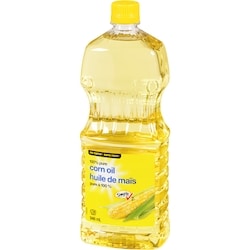
Credit: www.yourindependentgrocer.ca
Extraction Methods
Understanding how canola oil and corn oil are extracted can help you make better choices in the kitchen. The extraction methods impact the oil’s quality, taste, and nutritional value. Let’s dive into the main processes behind these oils and see what sets them apart.
Processing Techniques
Both canola and corn oils start with seeds that contain oil locked inside. The seeds go through mechanical pressing or solvent extraction to release the oil. Mechanical pressing uses physical force to squeeze out oil, which many prefer for its natural quality, but it usually yields less oil.
Solvent extraction, often using hexane, pulls out more oil and is common in large-scale production. This method helps keep costs down but can affect the oil’s purity if not refined properly. Have you ever wondered why some oils taste more natural than others? The extraction technique plays a big role.
Refining Differences
Once oil is extracted, it often undergoes refining to remove impurities, color, and odors. Canola oil typically requires less refining because its seeds have fewer natural toxins and flavors. Corn oil usually needs more intensive refining to eliminate stronger flavors and residues from the solvent extraction.
Refining involves steps like degumming, neutralizing, bleaching, and deodorizing. These steps can strip away nutrients but improve shelf life and cooking stability. Think about your last cooking oil purchase—did you check if it was refined or cold-pressed? That detail affects not just taste but also how the oil reacts at high heat.
Nutritional Profiles
Understanding the nutritional profiles of canola oil and corn oil helps in choosing the right cooking oil. Both oils offer unique benefits and differ in their nutrient content. These differences affect health and cooking outcomes.
Fatty Acid Composition
Canola oil contains a high amount of monounsaturated fats. These fats support heart health and reduce bad cholesterol.
Corn oil has more polyunsaturated fats, especially omega-6 fatty acids. These fats are essential but should be balanced with omega-3 intake.
| Fatty Acid | Canola Oil (%) | Corn Oil (%) |
|---|---|---|
| Monounsaturated Fat | 62 | 27 |
| Polyunsaturated Fat | 31 | 59 |
| Saturated Fat | 7 | 14 |
Vitamins And Antioxidants
Canola oil contains vitamin E, a powerful antioxidant that protects cells. It also has small amounts of vitamin K, which supports blood health.
Corn oil is rich in vitamin E too, often with higher levels than canola oil. It contains plant sterols, which may help reduce cholesterol.
- Canola oil: vitamin E, vitamin K
- Corn oil: vitamin E, plant sterols
Culinary Uses
Understanding the culinary uses of canola oil and corn oil can help you decide which one to reach for in your kitchen. Both oils bring unique qualities that affect how they perform during cooking and how they influence the flavor of your dishes. Knowing their strengths allows you to make smarter choices for different recipes.
Flavor And Smoke Points
Canola oil has a very mild, neutral flavor that rarely interferes with the taste of your food. Corn oil, on the other hand, carries a slightly sweet, corn-like aroma which can add a subtle depth to dishes.
The smoke point of canola oil is around 400°F (204°C), making it suitable for most everyday cooking tasks. Corn oil has a slightly higher smoke point, about 450°F (232°C), which means it can handle higher heat without burning.
Have you ever noticed a burnt taste when frying? Choosing the right oil with a suitable smoke point can prevent that unpleasant flavor.
Best Cooking Applications
- Canola Oil:Excellent for salad dressings, sautéing vegetables, baking, and light frying due to its neutral taste and moderate smoke point.
- Corn Oil:Ideal for deep frying, grilling, and recipes where a hint of corn flavor enhances the dish, like cornbread or certain marinades.
I remember using canola oil for a delicate fish dish and it didn’t overpower the natural flavors at all. Meanwhile, corn oil worked great when I fried chicken, giving it a crispiness with a subtle sweet undertone.
Which oil fits better with your cooking style and favorite recipes? Trying both in different dishes can reveal surprising differences that might improve your meals.
Health Impacts
Choosing between canola oil and corn oil involves understanding their health impacts. Both oils are common in kitchens but differ in composition. These differences affect heart health and how the body reacts to inflammation and allergies. Knowing these effects helps make better cooking choices.
Heart Health
Canola oil contains a good amount of omega-3 fatty acids. These fats help lower bad cholesterol levels. Lower cholesterol reduces the risk of heart disease. Corn oil has more omega-6 fatty acids. These can raise good cholesterol but may increase bad cholesterol if consumed too much. Both oils are low in saturated fat, which is good for the heart. Moderation is key to using these oils for heart health.
Inflammation And Allergies
Omega-6 fats in corn oil can promote inflammation if eaten in excess. Inflammation links to many health problems like arthritis and asthma. Canola oil has a better balance of omega-3 to omega-6 fats, which may reduce inflammation. People with corn allergies should avoid corn oil to prevent reactions. Canola oil is less likely to cause allergies but may still affect some individuals. Choosing the right oil can help manage inflammation and allergic responses.

Credit: www.rd.com
Environmental Considerations
Choosing between canola oil and corn oil involves more than taste and health. Environmental factors play a big role. Understanding their impact helps make better choices for the planet.
Sustainability
Canola crops often need less water than corn. This reduces strain on water resources. Canola plants can grow in cooler climates. This expands the areas suitable for farming.
Corn requires more fertilizer and pesticides. These chemicals may harm soil and water quality. Canola’s deep roots help prevent soil erosion. It also improves soil health over time.
Farmers use crop rotation with canola and other plants. This practice keeps soil fertile and reduces pests. Corn monoculture can lead to soil depletion. It may increase the need for chemical inputs.
Crop Cultivation Effects
Corn farming uses large amounts of land and energy. Heavy machinery can compact the soil. This reduces soil air and water flow. It also affects soil life negatively.
Canola cultivation tends to use less land for the same oil yield. This can help preserve natural habitats. Both crops rely on pesticides, which can impact bees and wildlife.
Growing corn often involves more irrigation. This can lower water tables and harm aquatic ecosystems. Canola’s lower water needs lessen this risk. Choosing crops with fewer environmental demands matters.
Cost And Availability
Understanding the cost and availability of canola oil and corn oil can help you make smarter choices for your kitchen and budget. Both oils serve similar purposes but vary in price and how easily you can find them in stores. Let’s break down the factors that influence their market prices and global production.
Market Prices
Canola oil generally tends to be priced slightly higher than corn oil. This difference comes from the production process and the demand in the health-conscious consumer market. You might notice canola oil on shelves with premium pricing due to its reputation for heart-healthy fats.
Corn oil, on the other hand, is often cheaper and more widely available in bulk. Its lower price makes it a popular choice for large-scale cooking and frying. Have you ever wondered why some restaurants prefer corn oil? The cost-effectiveness plays a big role.
Global Production
Canola oil comes mainly from Canada, the largest global producer, followed by the United States and Europe. Its cultivation is seasonal and depends on cooler climates, which limits widespread production. This affects how much canola oil is available at any given time.
Corn oil production is closely tied to the massive corn farming industry in the United States, China, and Brazil. Since corn is a staple crop with extensive acreage, corn oil benefits from a more consistent and larger supply. This availability often translates to better prices and easier access.
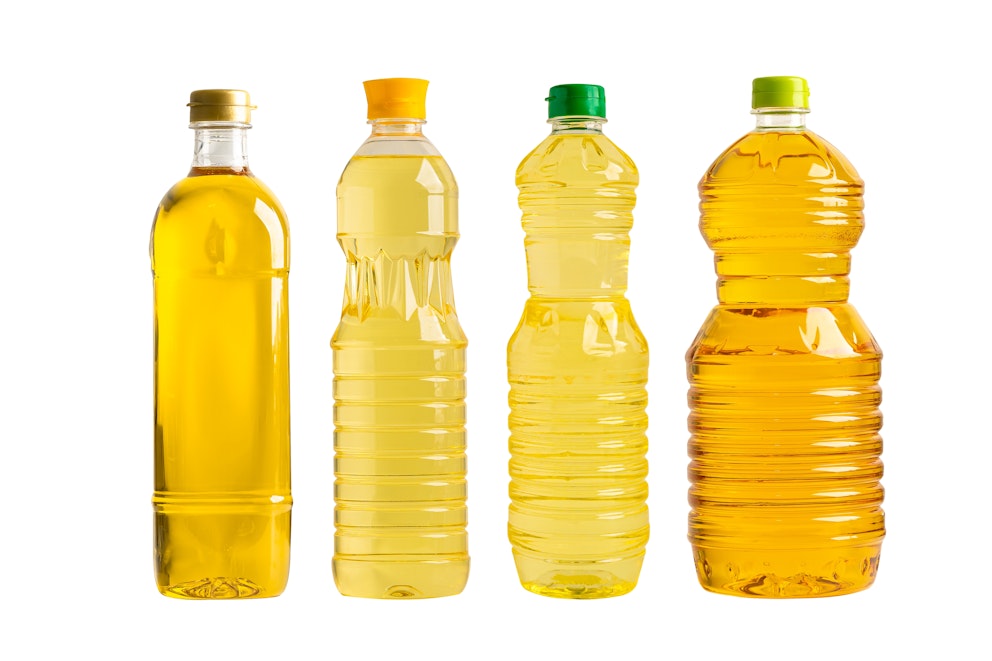
Credit: www.drberg.com
Frequently Asked Questions
Is Canola Oil The Same As Corn Oil?
No, canola oil and corn oil come from different plants. Canola oil is made from rapeseed, while corn oil comes from corn kernels. They have different flavors, nutrient profiles, and smoke points, affecting their cooking uses and health benefits.
What Are The Main Differences Between Canola And Corn Oil?
Canola oil has a milder taste and higher omega-3 content. Corn oil has a stronger flavor and more saturated fat. Canola oil is better for heart health, while corn oil is often used for frying due to its high smoke point.
Which Oil Is Healthier, Canola Or Corn Oil?
Canola oil is generally healthier because it contains less saturated fat and more omega-3 fatty acids. Corn oil has more omega-6 fats, which should be consumed in moderation. Both oils provide calories, so use them in moderation for a balanced diet.
Can I Substitute Canola Oil For Corn Oil In Recipes?
Yes, you can substitute canola oil for corn oil in most recipes. Both oils have similar smoke points and cooking properties. However, canola oil has a lighter flavor, which may slightly change the taste of your dish.
Conclusion
Canola oil and corn oil come from different plants with unique qualities. They look similar but have different tastes and uses. Canola oil has less saturated fat and a milder flavor. Corn oil has a stronger taste and works well for frying.
Both oils offer health benefits when used in moderation. Choosing the right oil depends on your cooking needs. Now you can decide which one fits your kitchen best. Simple and clear.

Hi, I’m Daniel Brooks—a food lover and kitchen gear enthusiast. I enjoy testing cookware, utensils, and gadgets to see what really works in everyday cooking. At PlugChef.com, I share honest reviews, comparisons, and simple guides to help you choose the best tools for a safer, smarter, and more enjoyable kitchen.
Related posts:
 What Type of Cooking Utensils are Safe: Expert Picks
 What Innovations Could Blenders Make: Unleashing Future Tech
 Smart Strategies to Organize a Small Kitchen: Maximize Space
 How to Organize a Kitchen Cabinet: Expert Tips & Tricks
 How to Organize Kitchen Drawers: Expert Tips and Tricks
 How to Organize a Corner Kitchen Cupboard: Expert Tips

