

Imagine slicing through a fresh loaf of bread or chopping vibrant vegetables on a cutting board that’s as beautiful as it is functional. You might wonder if bamboo is the right choice for your kitchen.
You’re not alone in pondering this; many people are curious about bamboo’s suitability as a material for cutting boards. Bamboo has gained popularity for its eco-friendly nature and durability. But does it truly live up to the hype when it comes to your culinary needs?
Understanding the benefits and drawbacks of bamboo cutting boards can transform your cooking experience and add a touch of elegance to your kitchen. Keep reading to discover whether bamboo is the perfect fit for your cutting board needs, and ensure you make the best choice for your culinary adventures.
Benefits Of Bamboo Cutting Boards
Bamboo cutting boards offer durability and are gentle on knives, making them a great kitchen tool. They resist water and stains, ensuring a clean surface. Plus, bamboo is a sustainable resource, providing an eco-friendly option for your cooking needs.
Are you considering bamboo for your next cutting board? Bamboo cutting boards have gained popularity for several compelling reasons. They’re not just a kitchen trend; they come packed with tangible benefits that make them a worthy addition to your culinary toolkit.Eco-friendly Material
Bamboo is a grass, not a tree. This means it grows rapidly and is a highly renewable resource. Unlike hardwoods, which can take decades to mature, bamboo can be harvested in just a few years. So, when you choose bamboo, you’re making a choice that’s kinder to the planet. Bamboo also regenerates from its roots. This eliminates the need for replanting. With deforestation concerns rising, this is a significant advantage.Durability And Longevity
Bamboo is incredibly strong. It often surprises people with its resilience compared to traditional woods. You might have experienced your wooden boards splitting over time, but bamboo’s natural fibers make it more resistant to cracking. Its hardness helps resist cuts and scratches. This means your bamboo cutting board can maintain its smooth surface longer. It saves you the hassle and cost of frequent replacements.Natural Antimicrobial Properties
Bamboo has a natural resistance to bacteria. This is an unexpected bonus when it comes to food safety. When you’re chopping fruits, vegetables, or meats, you can feel more confident about hygiene. This is especially beneficial for busy kitchens. If you’re like many home cooks, you don’t always have time to thoroughly sanitize your cutting boards. Bamboo’s antimicrobial properties provide an extra layer of protection. Have you ever noticed how some boards retain odors? Bamboo tends to resist absorbing them. This means fewer lingering smells in your kitchen, making meal prep more enjoyable. Why not give bamboo a try? You might find it’s the cutting board you didn’t know you needed.Comparing Bamboo To Other Materials
Bamboo cutting boards have gained popularity. They offer durability and eco-friendly benefits. But how do they compare to other materials? Understanding these differences helps you choose the best for your kitchen needs.
Bamboo Vs. Wood
Bamboo is harder than many types of wood. It resists scratches and knife marks better. Wood boards often require more maintenance. Bamboo needs less oiling and care. This makes it easier to maintain. Wood boards can harbor bacteria if not cared for properly. Bamboo has natural antibacterial properties, adding a layer of safety.
Bamboo Vs. Plastic
Plastic boards are lightweight and affordable. They can get deep scratches easily. These scratches trap bacteria, making cleaning difficult. Bamboo is more durable. It offers a smoother surface that stays cleaner. Plastic boards often need replacement more frequently. Bamboo’s longevity saves money over time.
Bamboo Vs. Glass
Glass boards are sleek and modern. But they can dull knives quickly. Bamboo is gentle on knife edges. It keeps them sharp longer. Glass can shatter if dropped. Bamboo is more forgiving and resilient. It withstands heavy use without damage. Glass boards are noisy when chopping. Bamboo offers a quieter experience.
Maintenance Tips For Bamboo Boards
Bamboo cutting boards are popular in many kitchens. They are durable and eco-friendly. Keeping them in good condition is important. Proper maintenance will help extend their life. Let’s explore some simple tips to maintain bamboo cutting boards.
Cleaning Techniques
Clean bamboo boards with warm water and mild soap. Avoid soaking them in water. This can damage the bamboo. Instead, use a damp cloth or sponge for cleaning. Rinse well and dry immediately with a towel. This prevents water stains and helps maintain the board’s quality.
Oiling And Conditioning
Oiling bamboo boards keeps them from drying out. Use food-grade mineral oil for this purpose. Apply a small amount and rub it in with a soft cloth. Let the board absorb the oil. Wipe off any excess after a few hours. This should be done monthly. It helps preserve the board’s natural beauty.
Avoiding Damage
Keep bamboo boards away from extreme heat. Do not place hot pots on them. This could warp or crack the board. Use separate boards for meat and vegetables. This prevents cross-contamination. Avoid using harsh chemicals or steel wool. They can scratch and weaken the board. Regular care will keep your bamboo board in top condition.

Credit: www.kitchenknifeguru.com
Potential Drawbacks
Bamboo cutting boards are popular in kitchens. They are eco-friendly and durable. But, they have some downsides. Knowing these can help make a better choice.
Susceptibility To Moisture
Bamboo cutting boards can absorb water. This can lead to warping. Warped boards do not sit flat. This affects their usefulness. The moisture can also cause swelling. Swollen boards are hard to use. Avoid soaking bamboo boards in water. Dry them immediately after washing.
Knife Wear And Tear
Bamboo is a hard material. It is harder than other woods. This can wear down knife edges. Dull knives are less effective. Frequent sharpening may be needed. This can reduce the lifespan of knives. Consider the hardness when choosing a cutting board.
Choosing The Right Bamboo Board
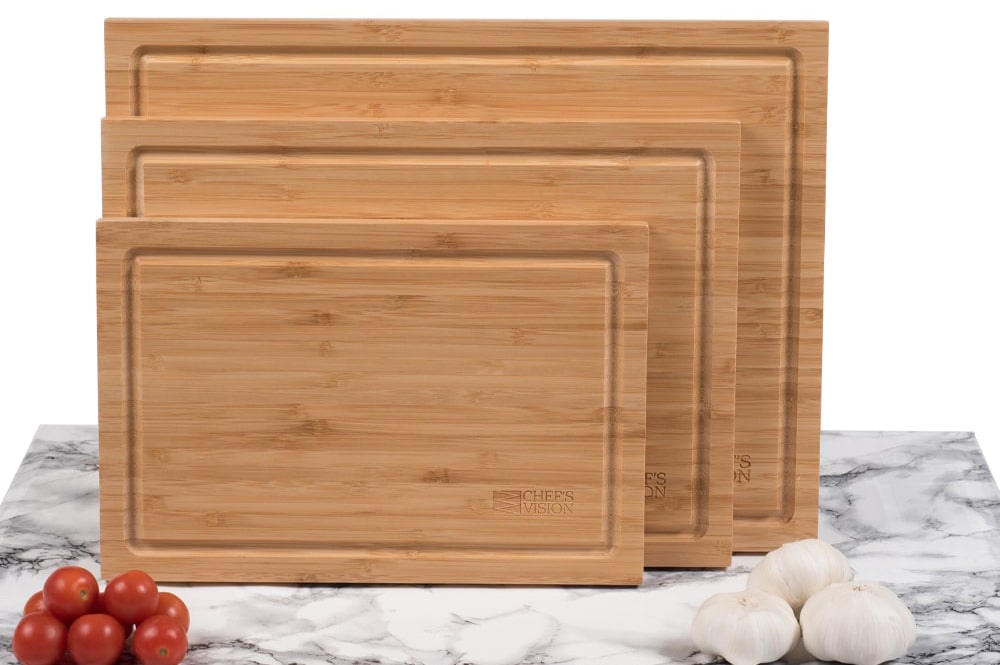
Choosing the right bamboo cutting board can enhance your kitchen experience. Bamboo boards are durable, eco-friendly, and gentle on knives. They vary in size, grain, and price, making selection crucial.
Size And Thickness
Bamboo boards come in various sizes to suit different needs. A larger board can accommodate more food items. Smaller boards are perfect for quick tasks. Thickness affects durability and stability. Thicker boards last longer and resist warping. Consider your counter space before deciding.
Grain And Construction
Bamboo boards can have vertical or horizontal grain patterns. Vertical grain is denser and offers a smoother surface. Horizontal grain has a unique look but may show knife marks sooner. Construction quality impacts longevity. Opt for boards with solid construction. They provide better performance over time.
Price Considerations
Bamboo cutting boards vary widely in price. Factors like size, grain, and construction affect cost. More expensive boards often offer better quality and durability. Budget-friendly options can still be effective. Weigh your needs against your budget before purchasing. Investing in a quality board can save money long-term.
Credit: chefsvisionknives.com
Sustainability And Environmental Impact
Bamboo cutting boards are gaining popularity for their sustainability. They offer an eco-friendly alternative to traditional wood and plastic boards. Understanding the environmental impact of bamboo is crucial. Bamboo’s rapid growth and renewability make it a top choice. It helps in reducing our carbon footprint significantly.
Bamboo Growth And Harvesting
Bamboo is a fast-growing plant. It can grow up to three feet in a day. This rapid growth makes it a renewable resource. Bamboo is ready for harvest in three to five years. Unlike trees, bamboo does not die after harvesting. This means no replanting is required. It regenerates naturally, promoting continual growth.
Efficient harvesting methods are used. Only mature stalks are cut, ensuring sustainability. This process supports healthy bamboo forests. It also protects biodiversity and local ecosystems.
Environmental Benefits
Bamboo has numerous environmental benefits. It releases more oxygen than trees, improving air quality. Bamboo absorbs carbon dioxide, helping combat climate change. Its root system prevents soil erosion. This helps maintain soil health and fertility.
Bamboo requires minimal water for growth. It thrives without the need for pesticides or fertilizers. This reduces chemical runoff into water sources. Choosing bamboo cutting boards supports eco-friendly practices. It’s a step towards a more sustainable lifestyle.

Credit: chefsvisionknives.com
Frequently Asked Questions
What Are The Disadvantages Of Bamboo Cutting Boards?
Bamboo cutting boards are prone to cracking and warping when exposed to moisture. They require frequent oiling to maintain durability. Bamboo can be rough on knives, causing them to dull quickly. These boards may also absorb odors and stains from foods, affecting their appearance and hygiene.
Is Bamboo The Healthiest Cutting Board?
Bamboo cutting boards are eco-friendly and naturally antimicrobial. They resist knife scars, making them hygienic. However, they can be harder on knives compared to softer woods. While bamboo is a healthy choice, the best option depends on personal preference and usage.
Always maintain and clean your cutting board for optimal health benefits.
Is It Safe To Cut Raw Meat On A Bamboo Cutting Board?
Yes, bamboo cutting boards are safe for raw meat. They are durable, naturally antibacterial, and easy to clean. Always sanitize after use to prevent cross-contamination. Regular oiling maintains the board’s quality and extends its lifespan. Bamboo is eco-friendly, making it a popular choice for home kitchens.
Is Bamboo Cutting Board Eco-friendly?
Yes, bamboo cutting boards are eco-friendly. Bamboo is a renewable resource that grows quickly without pesticides. It’s a sustainable choice compared to traditional wood. Its natural properties make it durable and resistant to water damage, reducing the need for frequent replacements.
Conclusion
Bamboo cutting boards are a solid choice for many kitchens. They offer durability and a natural look. Easy to clean. Resistant to bacteria. Also, bamboo is eco-friendly. It grows quickly and renews well. Maintenance is simple. Just oil it occasionally.
Some find bamboo boards gentle on knives. Others prefer harder surfaces. Consider your needs. Bamboo might fit perfectly. With proper care, it lasts long. It supports sustainable living. Choosing bamboo means supporting the environment. Ultimately, bamboo can be a great addition.
Your kitchen deserves the best. Make an informed choice. Enjoy your cooking experience.

Hi, I’m Daniel Brooks—a food lover and kitchen gear enthusiast. I enjoy testing cookware, utensils, and gadgets to see what really works in everyday cooking. At PlugChef.com, I share honest reviews, comparisons, and simple guides to help you choose the best tools for a safer, smarter, and more enjoyable kitchen.
Related posts:
 What Type of Cooking Utensils are Safe: Expert Picks
 What Innovations Could Blenders Make: Unleashing Future Tech
 Smart Strategies to Organize a Small Kitchen: Maximize Space
 How to Organize a Kitchen Cabinet: Expert Tips & Tricks
 How to Organize Kitchen Drawers: Expert Tips and Tricks
 How to Organize a Corner Kitchen Cupboard: Expert Tips

