

Are you a tea lover who can’t decide between Irish and English breakfast tea? You’re not alone.
Both have rich flavors and long traditions, but each offers a unique taste experience. What if you could discover which one truly suits your morning routine and mood? Keep reading, and you’ll learn everything you need to know to pick your perfect cup.
By the end, your tea time will never be the same.
Origins And Traditions
Understanding the origins and traditions of Irish and English breakfast teas adds depth to your daily cup. Each tea carries a unique story shaped by history and culture. Knowing these stories can change how you appreciate your morning ritual.
History Of Irish Breakfast Tea
Irish Breakfast Tea has roots in the robust tea blends favored by Irish households in the 19th century. It was designed to suit the Irish palate, which prefers a stronger, more full-bodied flavor. This tea often blends Assam teas, known for their boldness and briskness.
Interestingly, Irish families traditionally paired this tea with hearty breakfasts to match their energetic lifestyle. Have you noticed how a strong cup of tea can kickstart your day? That’s exactly what Irish Breakfast Tea was crafted to do.
History Of English Breakfast Tea
English Breakfast Tea originated in the UK during the Victorian era as a hearty blend to complement a full English breakfast. Its composition usually includes Assam, Ceylon, and Kenyan teas, creating a balanced and robust flavor. The blend became popular due to its versatility and ability to pair well with milk and sugar.
This tea reflects the British tradition of a substantial morning meal, energizing people for a busy day ahead. Does your morning tea feel like it fuels your productivity? English Breakfast Tea was created with that exact purpose in mind.
Cultural Significance
Both teas have become cultural symbols in their respective countries, representing more than just a beverage. In Ireland, tea-drinking is often a social activity, bringing people together in homes and cafes. The strength of Irish Breakfast Tea mirrors the spirited nature of Irish hospitality.
In England, tea time is a cherished ritual, a moment to pause and connect. English Breakfast Tea embodies this tradition, offering comfort and familiarity. How do your tea habits reflect your culture or lifestyle? Understanding these traditions can deepen your connection to the tea you drink every day.
Tea Blends And Ingredients
The blends and ingredients in Irish and English breakfast teas shape their unique character and flavor. Understanding what goes into each blend helps you appreciate the differences in taste and aroma. This knowledge can guide you to pick the tea that suits your mood or meal best.
Common Tea Leaves Used
Both Irish and English breakfast teas often use black tea leaves, but the sources differ. Irish breakfast tea usually features Assam leaves from India, known for their bold, malty flavor. English breakfast blends often mix Assam with Kenyan and Ceylon teas, offering a balanced, brisk taste.
Have you noticed how Assam tea delivers a stronger punch? That’s why many Irish teas lean heavily on it to create a rich, robust cup.
Typical Blend Profiles
Irish breakfast tea tends to be stronger and fuller-bodied, perfect for those who like a powerful cup with milk. It’s often described as malty and earthy with a deep amber color.
English breakfast tea usually has a lighter, smoother profile with a slightly sweet and citrusy edge. This makes it versatile and ideal for drinking plain or with just a splash of milk.
Regional Variations
Regional differences influence the blend’s character. In Ireland, the preference is for a strong tea that can stand up to milk and sugar, reflecting local taste habits. Meanwhile, in England, blends may vary more, sometimes including teas from Sri Lanka (Ceylon) to add brightness.
Do you prefer your tea bold enough to energize your morning or smoother to sip leisurely? Your choice might reflect more than taste—it’s a peek into culture.
Flavor Profiles Compared
When it comes to comparing Irish and English Breakfast Tea, the flavor profiles are a major point of distinction. Both beloved by tea aficionados, these blends offer unique taste experiences that can transform your morning ritual. Understanding their flavor characteristics can enhance your appreciation and perhaps even change your go-to choice.
Taste Characteristics Of Irish Breakfast
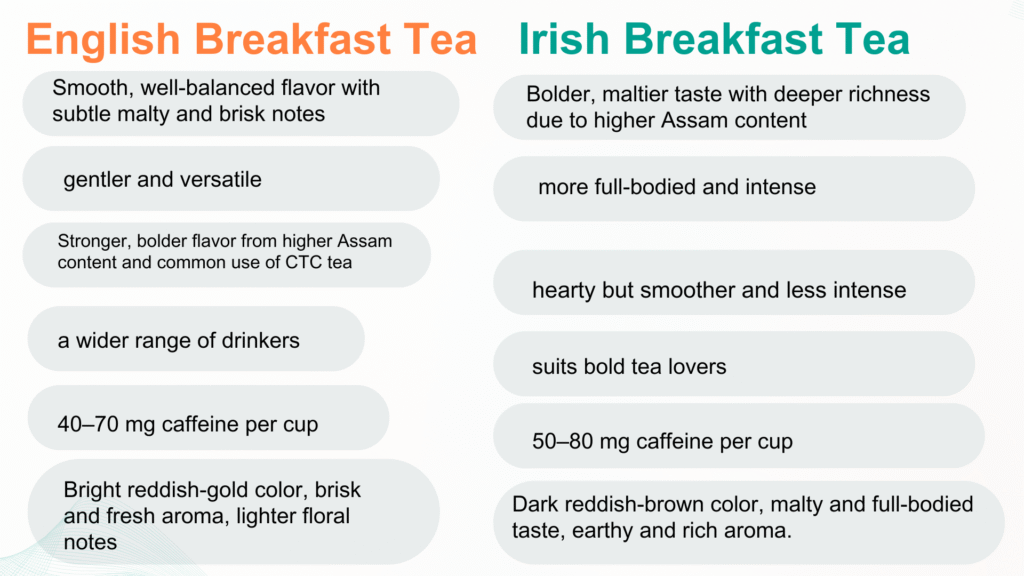
Irish Breakfast Tea is known for its robust and full-bodied taste. This tea often includes a higher proportion of Assam tea leaves, which contributes to its strong, malty flavor. If you prefer a tea that can stand up to milk and sugar, Irish Breakfast is an ideal choice.
Its boldness is perfect for those who enjoy a hearty cup of tea to kickstart their day. Many find it pairs well with a traditional Irish breakfast, offering a complementary richness to the meal.
Taste Characteristics Of English Breakfast
English Breakfast Tea provides a smoother and more balanced flavor profile. Typically, it combines several black teas, including Assam, Ceylon, and Kenyan, which creates a well-rounded taste. This blend is less intense than its Irish counterpart, making it suitable for those who enjoy a milder brew.
English Breakfast is versatile; it’s delightful on its own or with a splash of milk. It’s often the preferred choice for an afternoon tea session, offering a comforting and refreshing experience.
Aroma And Mouthfeel Differences
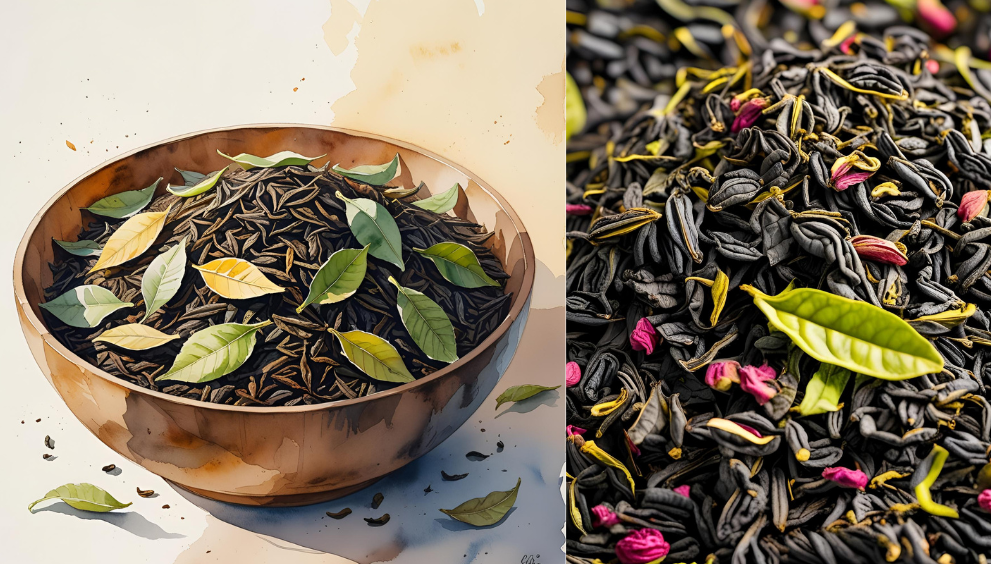
The aroma of Irish Breakfast Tea is rich and malty, with a hint of earthiness. This powerful scent is a prelude to its bold taste, creating an invigorating experience from the first sip.
In contrast, English Breakfast Tea has a more subtle aroma, often described as floral or slightly citrusy. Its mouthfeel is smoother and less astringent, appealing to those who prefer a gentler tea experience.
Have you ever noticed how your mood or the time of day influences your tea choice? Exploring these differences can add a new dimension to your tea-drinking habits.
Credit: teauniverses.com
Brewing Techniques
Brewing the perfect cup of Irish or English breakfast tea involves more than just pouring hot water over leaves. The subtle differences in technique can dramatically affect the flavor and experience of your tea. Understanding these nuances helps you highlight what makes each tea unique and enjoy every sip.
Traditional Brewing Methods
Irish breakfast tea often uses a stronger brewing method to match its robust flavor. Many prefer a teapot to steep loose leaves, allowing the full-bodied blend to develop properly. English breakfast tea, while also steeped traditionally in a teapot, can be more forgiving with bagged tea for a quicker cup.
Steeping loose leaves in a teapot encourages better circulation of water, which extracts richer flavors. Have you tried brewing directly in a cup versus a pot? The difference in taste can be surprising, especially with Irish breakfast blends.
Water Temperature And Steeping Time
Water temperature plays a crucial role. Both teas thrive best when brewed with water just off the boil, around 95-100°C (203-212°F). However, Irish breakfast tea often benefits from the hotter end of this range to fully unlock its malty notes.
Steeping time typically ranges from 3 to 5 minutes. Irish breakfast tea usually leans toward 4-5 minutes to extract a fuller taste without bitterness. English breakfast tea can be steeped for about 3-4 minutes, maintaining a balanced and smooth flavor.
Enhancements With Milk And Sugar
Adding milk and sugar is common for both teas, but how and when you add them can change the experience. Irish breakfast tea is traditionally enjoyed with a generous splash of milk to soften its boldness. Sugar is optional but can enhance the natural sweetness.
English breakfast tea also pairs well with milk but often in smaller amounts. Some prefer it plain to appreciate its lighter, brisk character. Experimenting with the order—milk before or after pouring the tea—can also subtly influence the taste.
Health Benefits And Caffeine Content
Comparing Irish and English breakfast teas means looking beyond taste and aroma. Health benefits and caffeine content play a big role in deciding which tea suits your daily routine. Understanding these factors helps you choose a brew that energizes you without unwanted side effects.
Nutritional Aspects
Both Irish and English breakfast teas are low in calories, making them a great choice if you watch your diet. Neither contains fats or sugars, so any health effects come mainly from natural compounds in the leaves.
Irish breakfast tea often includes a blend heavy on robust Assam leaves, which tend to have more iron and manganese. English breakfast tea blends vary but usually contain milder leaves like Ceylon or Kenyan, offering a slightly different mineral profile.
So, if you need a tea with a bit more mineral boost, Irish breakfast might be your pick. But for a lighter mineral intake, English breakfast works just fine.
Caffeine Levels Compared
You might wonder how much caffeine you get from each cup. Typically, Irish breakfast tea contains more caffeine than English breakfast tea due to its Assam-heavy blend.
| Tea Type | Approximate Caffeine Content (mg per 8 oz cup) |
|---|---|
| Irish Breakfast Tea | 60-70 mg |
| English Breakfast Tea | 40-60 mg |
This means Irish breakfast tea can give you a stronger caffeine kick, perfect if you need a powerful morning boost. But if you’re sensitive to caffeine or want a gentler lift, English breakfast tea might suit you better.
Antioxidant Properties
Both teas are rich in antioxidants, which help protect your cells from damage. The higher caffeine and tannin content in Irish breakfast tea also means it often has stronger antioxidant effects.
These antioxidants contribute to better heart health and may reduce inflammation. Drinking either tea regularly can support your overall wellbeing.
Have you noticed a difference in how you feel after drinking one over the other? Your body’s reaction might reveal which tea offers the right balance of benefits for you.
Credit: teauniverses.com
Popular Brands And Varieties
Choosing between Irish and English breakfast teas often comes down to the brand and variety you prefer. Each offers unique blends that reflect their cultural origins and brewing traditions. Understanding popular brands can help you find the perfect cup tailored to your taste.
Leading Irish Breakfast Teas
Irish breakfast tea is known for its strong, robust flavor and often features a higher proportion of Assam leaves. Brands like Barry’s Teaand Bewley’sdominate the market with blends that deliver a rich, malty taste.
- Barry’s Tea: Famous for its bold, full-bodied flavor, it’s a staple in many Irish households.
- Bewley’s: Offers a smooth yet strong blend, perfect for those who enjoy a slightly lighter but still hearty cup.
- Liffey Irish Breakfast: A lesser-known brand offering a fresh take with a balanced strength and brisk finish.
Have you noticed how these teas hold up well with milk, making your morning routine feel more comforting and energizing?
Top English Breakfast Teas
English breakfast teas typically have a more balanced mix of Assam, Ceylon, and Kenyan teas. This combination results in a bright and brisk flavor that’s less heavy than Irish blends.
- Twinings English Breakfast: A classic choice, known for its consistent quality and smooth taste.
- PG Tips: Popular for its strong flavor and pyramid tea bags that enhance infusion.
- Typhoo: Offers a traditional, well-rounded taste with a slightly lighter profile ideal for everyday drinking.
Which of these brands fits your morning vibe better: the robust or the more balanced?
Specialty And Artisan Options
If you want to go beyond the classics, specialty and artisan teas offer unique blends and single-origin leaves. These options often bring out subtle flavors and aromas not found in mass-market brands.
- Tea Forté: Provides elegantly packaged blends with a focus on high-quality leaf and unique flavor combinations.
- Rishi Tea: Known for organic and sustainably sourced teas, perfect if you care about ethical consumption.
- Fortnum & Mason: Offers luxurious English breakfast blends with a refined taste experience.
Have you tried a specialty tea that changed how you think about breakfast brews? Sometimes, a small shift in quality can make your daily cup feel like a treat.
Pairing Tea With Food
Pairing tea with food can transform your tea experience from ordinary to memorable. Both Irish and English Breakfast teas have unique flavors that respond differently to various dishes. Understanding these pairings lets you enjoy the full range of tastes in your cup and on your plate.
Traditional Breakfast Pairings
English Breakfast tea pairs beautifully with a classic English breakfast. Think eggs, bacon, sausages, and baked beans. Its robust yet smooth flavor stands up to these hearty foods without overpowering them.
Irish Breakfast tea is bolder and stronger, making it perfect alongside rich, fatty foods. It complements dishes like black pudding and fried potatoes especially well. Adding a splash of milk softens its intensity and enhances the flavors of your meal.
Modern Snack And Meal Ideas
Looking for something lighter? English Breakfast tea works well with toast topped with avocado or smoked salmon. It adds a warm, comforting note that balances fresh, vibrant flavors.
Irish Breakfast tea shines with spiced dishes or richer snacks like cheese and crackers. Try it with a sharp cheddar or even a mildly spicy curry to see how the tea cuts through the richness and lifts the palate.
Seasonal Pairings
In colder months, pair Irish Breakfast tea with warming foods like stews or baked goods such as cinnamon rolls. Its strength matches the heartiness of winter meals perfectly.
During spring and summer, English Breakfast tea pairs nicely with lighter fare. Fresh fruit, yogurt, or a simple cucumber sandwich can refresh your senses without overwhelming the tea’s delicate balance.
Choosing Your Favorite
Choosing between Irish and English breakfast tea depends on your taste and mood. Both teas offer unique flavors and brewing styles. Understanding these differences helps you pick the best one for your day. Here’s how to decide which tea suits you best.
Personal Taste Preferences
Irish breakfast tea is strong and bold. It has a rich, malty flavor. It pairs well with milk and sugar. English breakfast tea is lighter and smoother. It has a balanced, slightly sweet taste. Both teas can be enjoyed plain or with milk. Your preference for strength and flavor will guide your choice.
Occasions And Moods
Irish breakfast tea suits busy mornings. It gives a strong energy boost. English breakfast tea fits relaxing mornings or afternoon breaks. It refreshes without overwhelming the senses. Choose Irish tea for a powerful start. Pick English tea to unwind gently or enjoy a quiet moment.
Tips For Exploration
- Try both teas plain first to know their true flavors.
- Add milk or lemon to see how tastes change.
- Pair each tea with different breakfast foods.
- Note how each tea affects your energy and mood.
- Experiment with steeping times to find your perfect brew.

Credit: www.teawithtae.com
Frequently Asked Questions
What Is The Main Difference Between Irish And English Breakfast Tea?
Irish breakfast tea is stronger, maltier, and more robust. English breakfast tea is lighter and smoother. The difference lies in their blend of tea leaves and brewing style.
Which Breakfast Tea Is Better For A Strong Caffeine Boost?
Irish breakfast tea generally has higher caffeine content. It’s ideal for those seeking a strong morning energy boost. English breakfast tea offers a moderate caffeine level.
How Do Brewing Methods Differ For Irish And English Teas?
Irish tea is brewed longer and often with boiling water. English tea is steeped for a shorter time at slightly lower temperatures. This affects flavor intensity.
Can I Use Milk With Both Irish And English Breakfast Tea?
Yes, both teas pair well with milk. Milk complements the strong Irish tea and softens the English tea’s flavor. Adding milk is a traditional practice in both cultures.
Conclusion
Irish and English breakfast teas each offer a unique taste experience. Irish tea feels strong and rich, perfect for those who like bold flavors. English tea is lighter and smooth, ideal for a gentle start. Both teas suit different moods and times of day.
Choose based on your taste or try both to enjoy variety. Tea time can be simple yet special with either choice. A warm cup brings comfort and a moment to relax. Which one will you enjoy today?

Hi, I’m Daniel Brooks—a food lover and kitchen gear enthusiast. I enjoy testing cookware, utensils, and gadgets to see what really works in everyday cooking. At PlugChef.com, I share honest reviews, comparisons, and simple guides to help you choose the best tools for a safer, smarter, and more enjoyable kitchen.
Related posts:
 What Type of Cooking Utensils are Safe: Expert Picks
 What Innovations Could Blenders Make: Unleashing Future Tech
 Smart Strategies to Organize a Small Kitchen: Maximize Space
 How to Organize a Kitchen Cabinet: Expert Tips & Tricks
 How to Organize Kitchen Drawers: Expert Tips and Tricks
 How to Organize a Corner Kitchen Cupboard: Expert Tips