

Are you curious about what makes Irish tea and English tea so different? You might think tea is just tea, but once you dive into the world of these two popular brews, you’ll discover unique flavors, traditions, and rituals that could change the way you enjoy your cup.
Whether you’re a casual tea drinker or someone who loves exploring new tastes, understanding the key differences between Irish and English tea can make your next sip much more satisfying. Keep reading, and you’ll find out which tea suits your style and how to brew it perfectly every time.

Credit: teauniverses.com
Origins Of Irish And English Tea
Tea holds a special place in both Irish and English cultures. Their tea traditions started centuries ago. The origins show unique stories and customs. Each country shaped tea drinking in distinct ways. These roots affect how people enjoy tea today. Understanding where Irish and English tea come from reveals much about their cultures and daily life.
History Of Irish Tea Culture
Irish tea culture began in the 18th century. Tea was first a luxury for the rich. It quickly became popular across all social classes. Irish people prefer strong, black tea. It is often brewed longer for a rich taste. Milk is added generously, making it creamy. Tea became a daily ritual in Irish homes. It is a symbol of warmth and hospitality.
Roots Of English Tea Traditions
English tea traditions date back to the 17th century. Tea was introduced by traders from Asia. It became fashionable among the English elite. Afternoon tea started in the 1800s. This tradition includes tea served with snacks. English tea is usually lighter than Irish tea. Milk and sugar are added to taste. Tea time remains a cherished social event in England.
Tea Varieties And Blends
Tea plays a big role in both Irish and English cultures. Each has its own favorite blends and types. These differences show in taste, strength, and how people enjoy their tea daily.
Irish tea is known for its strong and rich flavor. English tea offers a variety of classic and delicate blends. Both use black tea mostly, but the blends vary in taste and preparation.
Popular Irish Tea Blends
- Barry’s Tea:A bold blend, loved for its deep flavor and smooth finish.
- Bewley’s Tea:Known for its strong and malty taste, perfect with milk.
- Lyons Tea:Offers a rich, full-bodied flavor, often enjoyed throughout the day.
- Gold Blend:A mix of several teas, giving a balanced but strong cup.
Common English Tea Types
- English Breakfast:A classic black tea blend, full-bodied and robust.
- Earl Grey:Black tea infused with bergamot oil, giving a citrus aroma.
- Darjeeling:Known as the “champagne of teas,” light and floral.
- Assam:Strong, malty black tea, often used in breakfast blends.
- English Afternoon:A lighter blend, smooth and gentle for later in the day.
Flavor Profiles Compared
Tea is more than a drink; it’s an experience. Irish and English tea each offer unique flavors. Understanding these can enhance your tea ritual. Let’s explore their distinct tasting notes.
Tasting Notes Of Irish Tea
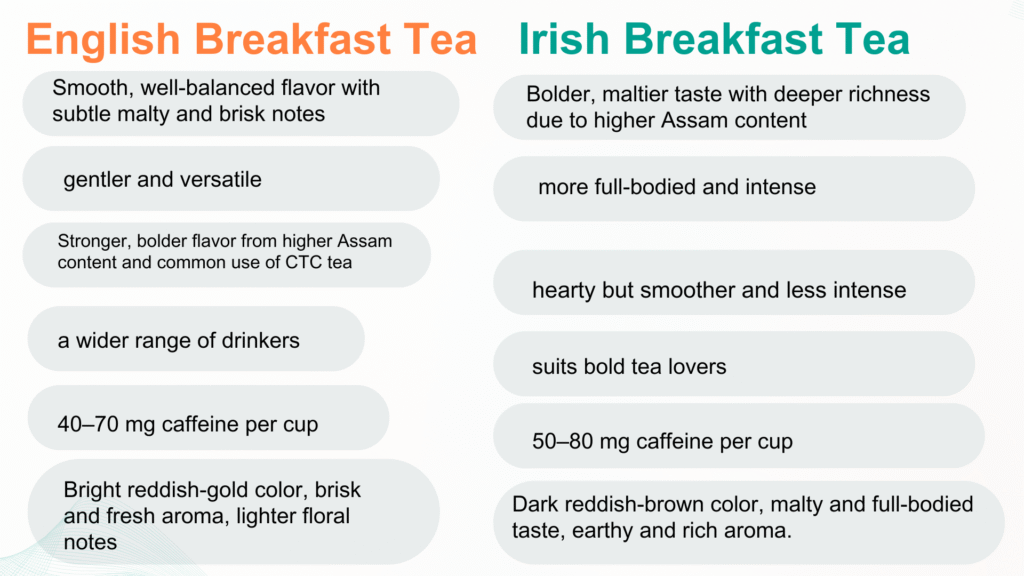
Irish tea is known for its bold taste. It often features a robust, full-bodied flavor. The tea has a strong, malty profile. This makes it perfect for a morning boost. Many enjoy it with milk or sugar. It softens the intensity, adding creaminess. The blend typically includes Assam tea leaves. These contribute to its rich and hearty taste.
Tasting Notes Of English Tea
English tea offers a more delicate experience. It usually features a balanced, smooth flavor. The tea is often lighter and more floral. This makes it ideal for afternoon sipping. It pairs well with lemon or just a splash of milk. The blend often includes Ceylon or Darjeeling leaves. These add a hint of citrus and a bright finish. English tea creates a soothing, refined tea moment.
Brewing Techniques
Tea holds a special place in both Irish and English cultures. The way each country brews tea reflects its unique traditions. Brewing techniques influence the flavor and strength of the tea. Understanding these methods reveals why Irish and English teas taste different.
Irish Brewing Methods
Irish tea is known for its strong and bold flavor. It usually starts with a robust black tea blend, like Irish Breakfast tea. The water is boiled vigorously to bring out full flavors.
Here is how Irish tea is brewed:
- Use fresh, cold water and bring it to a rolling boil.
- Pour boiling water directly over the tea leaves or tea bag.
- Steep for about 3 to 5 minutes for a strong brew.
- Strain the leaves before serving.
- Milk is often added after brewing to soften the taste.
The high temperature and longer steeping produce a rich, dark tea. This method suits the Irish preference for a hearty cup that pairs well with milk.
English Brewing Rituals
English tea follows a gentler brewing style. The focus is on balance and smoothness. English Breakfast tea or Earl Grey are popular choices.
Typical English brewing steps include:
- Boil fresh water and let it cool slightly (about 90-95°C).
- Pour hot water over tea leaves or a tea bag in a teapot.
- Steep for 3 minutes to avoid bitterness.
- Serve tea poured into cups, often with milk or lemon.
Using a teapot allows the tea to blend evenly. English tea is lighter and less intense than Irish tea. The ritual often includes a tea time with snacks and company.
Milk And Sweetener Preferences
Milk and sweetener preferences shape the unique taste of Irish and English teas. Both cultures enjoy tea differently, with distinct habits in adding milk and sweeteners. These small details highlight the special ways tea is savored across Ireland and England.
Milk Use In Irish Tea
Irish tea is known for its rich, creamy texture. Milk is added generously, creating a smooth and full-bodied flavor. The milk often softens the strong black tea, making it easy to drink any time of the day. Many Irish people prefer whole milk for its thickness. Some even heat the milk before adding it to the tea. This method ensures the tea stays warm longer and blends well.
Sweeteners And Additives In English Tea
English tea lovers usually prefer their tea with a touch of sweetness. Sugar is the most common sweetener, added in small amounts to balance the tea’s bitterness. Honey is also a popular natural option, especially during colder months. Lemon slices or a light splash of milk can be added, but usually not both together. This keeps the taste delicate and clear. Some enjoy their tea plain, appreciating the pure flavor of the brew.
Credit: www.latfusa.com
Cultural Significance
Tea is more than just a drink in both Ireland and England; it’s woven into the fabric of daily life and social customs. Understanding its cultural significance reveals how each country approaches tea with unique rituals and values. This difference shapes not only taste but also the moments people cherish over a cup.
Tea’s Role In Irish Daily Life
In Ireland, tea is a comforting constant throughout the day. It’s common to offer tea to guests immediately upon arrival, reflecting warmth and hospitality.
Irish tea often has a strong, robust flavor. People tend to add a splash of milk and sometimes sugar, creating a creamy, soothing experience.
Tea breaks in Ireland aren’t just about refreshment—they’re moments to connect and share stories. Have you noticed how a simple cup of tea can ease tension or spark laughter in your own life?
English Tea Time Traditions
English tea culture is famous for its afternoon tea tradition, a formal yet inviting ritual. It usually includes a pot of brewed tea served with milk, sugar, and a selection of sandwiches and cakes.
This ritual offers a pause in the afternoon, a chance to relax and enjoy delicate flavors. It’s a social event that brings people together, often seen as a mark of refinement and etiquette.
Do you find yourself craving a moment of calm in your busy day? English tea time might inspire you to create your own peaceful ritual.
Popular Tea Brands
Tea culture thrives in both Ireland and England, with many beloved brands shaping daily routines. Popular tea brands reflect local tastes and traditions. These brands offer unique flavors and blends that represent each country’s tea heritage.
Irish tea brands often focus on strong, bold brews. English brands tend to emphasize classic, smooth blends. Both have loyal fans and distinct identities.
Top Irish Tea Brands
- Barry’s Tea: Known for its rich, full-bodied flavor. It is a staple in many Irish homes.
- Bewley’s: Offers a variety of black teas and specialty blends. Famous for quality and tradition.
- Lyons Tea: Popular for its smooth taste and strong aroma. A favorite for daily cups.
Leading English Tea Brands
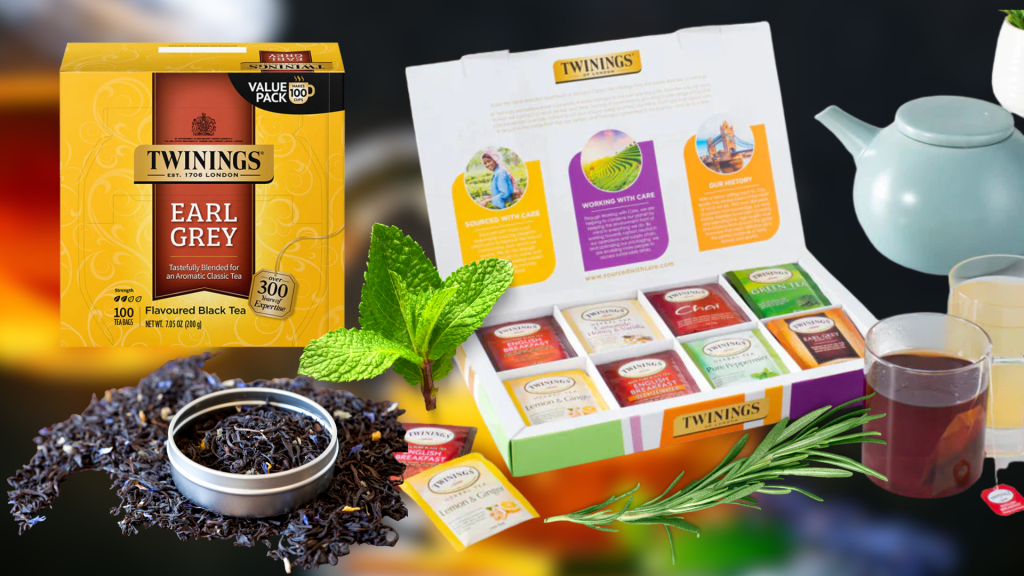
- Twinings: One of the oldest brands, known worldwide. Offers a wide range of classic and flavored teas.
- PG Tips: Famous for its strong and robust black tea. A common choice in many English households.
- Yorkshire Tea: Celebrated for its rich and malty flavor. Grows a devoted following across the UK.
Health Benefits And Effects
Choosing between Irish tea and English tea might seem like a matter of taste, but their health benefits and effects can also influence your decision. Both teas offer unique advantages that can support your well-being in different ways. Understanding these differences helps you pick the right brew for your health goals and daily routine.
Health Aspects Of Irish Tea
Irish tea is typically strong and robust, often brewed with black tea leaves and served with milk. This combination provides a good source of antioxidants, which help protect your cells from damage caused by free radicals.
Drinking Irish tea can improve your alertness thanks to its higher caffeine content. However, if you add milk, it might slightly reduce the absorption of some antioxidants, but it also adds calcium and vitamin D, which support bone health.
Have you ever noticed how a cup of Irish tea can lift your mood during a dreary day? That boost comes from compounds in tea that may reduce stress and improve mental clarity, helping you stay focused and calm.
Health Aspects Of English Tea
English tea often refers to a milder black tea blend, sometimes enjoyed with lemon or milk. Its antioxidants contribute to heart health by supporting healthy cholesterol levels and improving blood vessel function.
This tea’s moderate caffeine content can enhance your energy without causing jitters, making it a good option if you’re sensitive to caffeine. Adding lemon boosts vitamin C intake, which strengthens your immune system and aids digestion.
Do you find yourself reaching for a cup of English tea when you need a gentle pick-me-up? This tea’s balanced flavor and health effects make it an excellent choice for sustained energy and overall wellness throughout your day.
Pairing Tea With Food
Pairing tea with food enhances the taste of both. The right match brings out tea’s flavors and complements the dish. Different teas suit different meals. Irish and English teas each have unique profiles that pair well with various foods. Knowing these pairings makes tea time more enjoyable.
Irish Tea Food Pairings
Irish tea is strong and bold. It often has a malty taste and a rich color. These traits suit hearty and savory foods well. Irish tea pairs well with:
- Brown bread with butter
- Irish soda bread
- Hearty stews and soups
- Cheddar cheese
- Smoked salmon
- Potato dishes
The strong flavor cuts through fatty and rich dishes. It also balances salty and smoky tastes nicely.
English Tea Food Pairings
English tea is lighter and more floral. It often includes blends like Earl Grey or Darjeeling. These teas go well with delicate and sweet foods. English tea pairs well with:
- Cucumber sandwiches
- Scones with jam and cream
- Light cakes and pastries
- Shortbread cookies
- Egg dishes like quiche
- Fresh fruit
The subtle flavors highlight gentle and sweet foods. English tea complements creamy textures and mild tastes.
Which Tea Suits You Best?
Are you more of an Irish tea lover or does English tea captivate your taste buds? Both have their unique charm, but deciding which tea suits you best can be a delightful journey. Your choice might depend on flavor preferences, brewing convenience, or even the tea culture you resonate with. Let’s delve into the nuances that can guide your decision-making process.
Choosing Based On Flavor Preference
The flavor profile is often the first consideration when choosing between Irish and English tea. Irish tea is known for its robust and malty flavor, often thanks to a high proportion of Assam tea leaves. This gives it a strong body, perfect for those who enjoy a hearty cup, especially with milk.
On the other hand, English tea, particularly English Breakfast, offers a milder taste. It’s typically a blend of Assam, Ceylon, and Kenyan teas, creating a balanced and smooth flavor. If you prefer a lighter brew that’s still flavorful, English tea might be your go-to.
Have you ever tried sipping both to see which one invigorates your morning better? A simple taste test can reveal much about your palate.
Considering Brewing Convenience
Brewing convenience is another factor to ponder. Irish tea, given its strength, can sometimes require a longer steeping time to fully develop its flavors. It’s often enjoyed with milk, which might add an extra step to your morning routine.
English tea, however, is generally quicker to brew and can be enjoyed both with and without milk. This makes it a more versatile option for those rushed mornings or when you prefer a straightforward cup.
Do you value a quick and easy brew, or do you appreciate the ritual of a more involved tea-making process? Your lifestyle might just dictate your perfect cup of tea.
Ultimately, whether you lean towards the boldness of Irish tea or the elegance of English tea, there’s no wrong choice. Your personal preference is the key, and experimenting with both can offer delightful surprises.
Credit: teauniverses.com
Frequently Asked Questions
What Are The Main Differences Between Irish Tea And English Tea?
Irish tea is stronger, often using Assam tea, while English tea is milder with blends like Earl Grey. Irish tea usually includes milk and sugar, creating a rich flavor, whereas English tea varies with milk, lemon, or sugar. Preparation and cultural customs also differ significantly.
How Is Irish Tea Traditionally Prepared?
Irish tea is brewed strong, typically with Assam tea leaves. It is poured into a cup first, then milk is added, followed by sugar to taste. This method enhances the tea’s robust flavor and creamy texture, reflecting Ireland’s preference for bold, hearty tea.
What Makes English Tea Unique Compared To Irish Tea?
English tea is known for its variety, including blends like Earl Grey and English Breakfast. It is generally lighter and more aromatic than Irish tea. English tea can be served with milk, lemon, or sugar, depending on personal preference and regional traditions.
Why Do Irish People Prefer Stronger Tea?
Irish people favor stronger tea to complement their hearty meals and colder climate. The robust flavor of Assam tea provides warmth and energy. This preference also reflects Ireland’s cultural heritage and social rituals centered around tea drinking.
Conclusion
Irish tea and English tea each offer unique flavors and traditions. Both bring warmth and comfort in every cup. Choosing one depends on your taste and mood. Irish tea tends to be stronger and richer. English tea feels lighter and more delicate.
Enjoying either can brighten your day. Tea is more than a drink—it’s a simple pleasure. Try both to find your favorite blend. A small cup can bring big joy.

I’m Abby Lu, a passionate home cook who loves simplifying everyday meals. At PlugChef.com, I share product reviews and cooking guides to help you find the best tools for your kitchen.
Related posts:
 What Type of Cooking Utensils are Safe: Expert Picks
 What Innovations Could Blenders Make: Unleashing Future Tech
 Smart Strategies to Organize a Small Kitchen: Maximize Space
 How to Organize a Kitchen Cabinet: Expert Tips & Tricks
 How to Organize Kitchen Drawers: Expert Tips and Tricks
 How to Organize a Corner Kitchen Cupboard: Expert Tips