
Do you feel like your kitchen needs a fresh look but you’re not ready for a full renovation? Wrapping your kitchen cabinets with a plastic cover could be the perfect solution.
It’s affordable, easy to do, and instantly transforms your space without the mess and hassle of painting or replacing your cabinets. Imagine walking into a kitchen that feels brand new with just a simple, creative touch. In this guide, we’ll show you how to achieve this transformation step-by-step.
You’ll discover the best tips and tricks to make your cabinets look professionally revamped, all while protecting them from scratches and stains. Stay with us, and let’s unlock the secret to a chic kitchen makeover that you can easily do yourself!
Choosing The Right Plastic Cover
Selecting the ideal plastic cover ensures easy kitchen cabinet wrapping. Choose durable, transparent material for better visibility and protection. Measure cabinets accurately to avoid waste and achieve a snug fit.
Choosing the right plastic cover for your kitchen cabinets is crucial. It ensures protection and enhances aesthetics. With so many options, making the right choice feels overwhelming. Start by understanding what suits your needs.Types Of Plastic Covers
Different plastic covers offer varied benefits. Vinyl covers are durable and water-resistant. They’re ideal for kitchens with high humidity. Another option is adhesive film. It’s easy to apply and remove without residue. If you need flexibility, consider stretch wrap. It’s less permanent and suitable for temporary changes.Measuring Cabinet Dimensions
Accurate measurements ensure a perfect fit. Measure the height, width, and depth of each cabinet. Use a measuring tape for precision. Don’t forget to account for handles and hinges. Write down the dimensions for reference. This helps in purchasing the right amount of plastic cover.Selecting Color And Design
Color and design influence the kitchen’s look. Choose a color that complements your kitchen decor. Neutrals like white and beige offer a classic look. Bold colors make a statement. For designs, consider patterns like stripes or florals. They add personality without overpowering the space. Keep it simple for a timeless appeal.Gathering Necessary Tools
Gathering necessary tools makes wrapping kitchen cabinets with plastic cover easier and efficient. Essential tools include a measuring tape, scissors, and adhesive tape. These help achieve a neat and secure finish.
Gathering the right tools ensures a smooth kitchen cabinet wrapping process. The right tools help achieve a professional finish. Before starting, check you have everything needed. This saves time and effort later. Let’s explore the essential tools required for this task.Essential Cutting Tools
Sharp scissors are crucial for cutting plastic covers. They make precise cuts and prevent frayed edges. A utility knife is also useful. It helps with detailed trimming around corners and edges. Keep a ruler nearby for straight cuts. This ensures measurements are accurate.Adhesive Options
Choose adhesives wisely. Double-sided tape is popular. It adheres well to smooth surfaces. Spray adhesive can be used for larger areas. It provides even coverage and a strong bond. Ensure the adhesive is suitable for plastic materials. This prevents damage and ensures longevity.Safety Equipment
Safety is important when wrapping cabinets. Wear gloves to protect hands from sharp tools. A mask is helpful. It prevents inhalation of adhesive fumes. Ensure your workspace is well-ventilated. This keeps air fresh and reduces exposure to chemicals. Safety goggles protect eyes from splashes. Always prioritize safety to avoid accidents.Preparing The Cabinets
Wrapping kitchen cabinets with plastic is a smart choice. It protects against spills and stains. Before starting, proper preparation is crucial. This ensures a smooth and lasting finish.
Cleaning The Surface
Start by cleaning the cabinet surfaces. Use a gentle cleaner and soft cloth. Remove grease and dirt. Clean surfaces allow the plastic to stick better. Dry them completely before moving on.
Removing Cabinet Hardware
Next, remove cabinet hardware like knobs and handles. Use a screwdriver for this task. It makes wrapping easier and more precise. Place hardware in a safe spot for reinstallation.
Smoothing The Surface
Check for rough spots or chips on the cabinets. Smooth these areas with sandpaper. This step is vital for a flawless finish. The smoother the surface, the better the plastic adheres.

Credit: www.amazon.com
Cutting The Plastic Cover
Transform kitchen cabinets with plastic covers for a fresh look. Measure and cut the plastic precisely to fit. Secure edges neatly for a clean finish.
Cutting the plastic cover for your kitchen cabinets is a crucial step in achieving a neat and professional finish. It can be the difference between a streamlined look and a wrinkled mess. To get the best results, you’ll need to measure accurately, use effective cutting techniques, and avoid common pitfalls. Let’s dive into the details.Measuring And Marking
Start by measuring each cabinet surface that you plan to cover with plastic. Use a tape measure for precision. Write down the dimensions on a notepad to keep track. Next, roll out the plastic cover on a flat surface. Use a ruler or straight edge to mark the measurements on the plastic. A fine-tip marker works well for visibility without smudging. Remember, accuracy is key here. Double-check your measurements to ensure you’ve accounted for the edges and corners. Taking an extra minute here can save you from headaches later on.Cutting Techniques
When cutting the plastic, use sharp scissors or a utility knife for clean edges. Dull tools can tear the plastic, leading to uneven cuts. For straight cuts, follow the marked lines closely. Steady your hand, and take your time to avoid any jagged edges. If you need to cut around handles or fixtures, consider using a craft knife for precision. This ensures that the plastic wraps seamlessly around obstacles without bubbling or tearing.Avoiding Common Mistakes
One common mistake is cutting the plastic cover too small. Ensure you leave a little extra margin for error. It’s easier to trim excess than to fix a shortage. Avoid using excessive force when cutting. Pressing too hard can lead to slips and uneven edges, especially on thin plastic. Don’t rush the process. Cutting corners, literally and figuratively, can result in a sloppy finish. Take your time to achieve the best results. Have you ever tried wrapping a cabinet only to find your carefully cut plastic was too short? It’s a frustrating experience, but paying attention to these steps can save you from that hassle. What other tips have you found helpful when working with plastic covers? Share your insights in the comments below!Applying The Plastic Cover
Wrapping kitchen cabinets with plastic cover protects them from dirt and stains. Begin by measuring each cabinet surface. Cut the plastic cover according to measurements and carefully apply, ensuring smooth and bubble-free adhesion.
Applying the plastic cover to your kitchen cabinets can transform their look without a major renovation. It’s a task that requires a bit of precision and patience but offers rewarding results. Whether you’re aiming to protect your cabinets or refresh their appearance, a plastic cover is a practical choice.Aligning The Cover
Start by measuring your cabinets carefully. Ensure the plastic cover is cut to the exact size of each cabinet surface. Proper alignment is crucial; it prevents wrinkles and ensures a neat finish. Hold the cover and gently position it over the cabinet. Imagine lining up a sticker perfectly over a spot without any overlap—it’s satisfying, right? Take your time at this stage. Misalignment can lead to a frustrating redo, so patience pays off.Using Adhesives
Choose an adhesive type that suits your plastic cover. Spray adhesive can work wonders for a smooth application. Apply a thin, even layer on the cabinet surface, holding the spray can about 8 inches away. This helps avoid clumping. Ever tried gluing a craft project only to have it mess up because of too much glue? Same principle here—less is more. Press the plastic firmly against the adhesive, ensuring every inch sticks well.Smoothing Out Air Bubbles
Air bubbles can spoil the sleek look of your cabinets. Use a squeegee or a plastic card to gently push out bubbles from the center to the edges. It’s like smoothing out a creased shirt before heading out—you don’t want to leave the house looking unkempt. If a bubble persists, pierce it lightly with a pin and smooth it out again. This step is crucial for a flawless finish. Remember, a smooth surface reflects your attention to detail. Have you ever tackled a project and found a simple trick made a world of difference? Share your experiences in the comments! Your insights might just help someone else perfect their cabinet wrapping.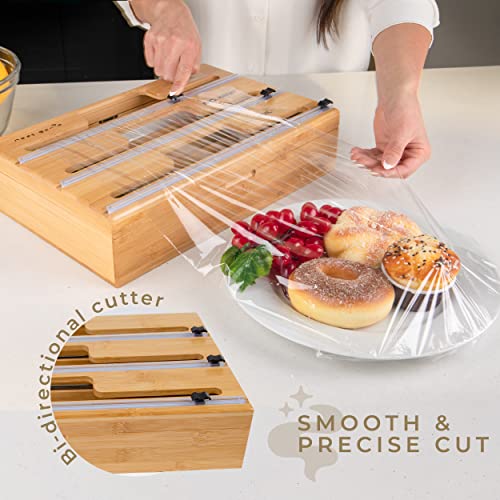
Credit: www.teamduval.org
Reassembling The Cabinets
Wrapping kitchen cabinets with plastic covers protects them from dust and scratches. Start by cleaning the surfaces thoroughly. Measure and cut the plastic to fit, then secure it tightly with tape or adhesive for a neat finish.
Reassembling your kitchen cabinets after wrapping them with a plastic cover involves a few careful steps. Taking your time ensures a neat and professional finish. Each step is important to achieve a seamless look. Let’s dive into how you can reassemble your cabinets efficiently.Reattaching Hardware
Start by reattaching the cabinet hardware. This includes knobs, handles, and hinges. Ensure each piece is clean before reattaching. Align the hardware with the pre-drilled holes. Use a screwdriver to secure them in place. Tighten screws properly to avoid loose fittings. Check each piece to ensure it’s sturdy. Functional hardware will enhance your kitchen’s appearance.Ensuring Proper Fit
Check that the cabinet doors fit well in their frames. Misalignment can affect the overall look. Adjust the hinges if necessary to improve alignment. Open and close each door to test the fit. They should move smoothly without any friction. Proper fitting ensures a uniform appearance. This step might require some patience and precision.Final Adjustments
Once the hardware is in place, make final adjustments. Look for any loose edges of the plastic cover. Use a utility knife to trim excess material. Smooth out any bubbles or wrinkles. A heat gun can help with stubborn areas. Ensure the finish is smooth and even. These adjustments will give your cabinets a polished look. Following these steps will help you reassemble your cabinets with ease. Your kitchen will look refreshed and well-maintained.Maintaining The Plastic Cover
Keep kitchen cabinets clean by wrapping them with plastic cover. Measure and cut the plastic to fit perfectly. Secure it with tape, ensuring a smooth and wrinkle-free finish.
Maintaining the plastic cover on your kitchen cabinets is crucial for keeping them looking fresh and ensuring they last. Once you’ve wrapped your cabinets, proper care can make all the difference in extending the life of your covers. But how do you keep them in tip-top shape amidst spills, scratches, and daily wear?Cleaning Tips
Regular cleaning can prevent grime buildup. Use a soft cloth dampened with mild soapy water to wipe the surface. Avoid harsh chemicals as they can weaken the plastic and reduce its longevity. Rinse with a clean, damp cloth to remove soap residue. Then, dry with a soft towel. This simple routine keeps your covers shiny and welcoming.Handling Scratches And Tears
Scratches and tears are bound to happen, but they don’t have to mean the end of your plastic cover. Small scratches can often be buffed out with a plastic polish. Apply gently with a microfiber cloth, and you’ll see a noticeable improvement. For tears, consider using a clear adhesive patch. It’s a quick fix that can extend the cover’s life without needing a full replacement. Have you ever tried using transparent tape as a temporary solution? It can work wonders in a pinch.Longevity Tips
To ensure your plastic covers last, avoid placing hot items directly against them. Heat can cause warping or melting, ruining their appearance. Always use trivets or heat-resistant mats as a protective barrier. Be mindful of sharp objects. Knives and other utensils can easily puncture or scratch the surface. Storing them in designated areas can prevent accidental damage. Finally, consider the location of your cabinets. Sunlight can cause fading and deterioration over time. If possible, use curtains or blinds to reduce direct exposure. What small changes can you make today to protect your kitchen investment?
Credit: www.youtube.com
Frequently Asked Questions
Can You Wrap Kitchen Cabinets Yourself?
Yes, you can wrap kitchen cabinets yourself. Use vinyl wrap or contact paper for a budget-friendly update. Ensure surfaces are clean and dry before applying. Carefully measure and cut the material. Smooth out air bubbles with a squeegee. Wrapping cabinets is a DIY project that enhances kitchen aesthetics.
What Is The Cheapest Way To Reface Kitchen Cabinets?
Paint the cabinets yourself using affordable paint and basic tools. Use peel-and-stick veneer for a fresh look.
Is Wrapping Kitchen Cabinets A Good Idea?
Wrapping kitchen cabinets can be a great idea. It offers a cost-effective way to refresh your kitchen’s look. Wrapping protects the cabinets and allows for easy style changes. It’s a quick, less messy alternative to painting or replacing cabinets. Consider professional installation for best results.
How Hard Is It To Vinyl Wrap Kitchen Cabinets?
Vinyl wrapping kitchen cabinets is a moderately challenging DIY task. It requires patience, precision, and basic tools. Proper surface preparation is crucial for adhesion. Beginners may struggle with curves and edges. Watching tutorials and practicing on smaller surfaces can help.
Hiring professionals ensures a seamless finish if DIY feels daunting.
Conclusion
Wrapping your kitchen cabinets with plastic is smart and practical. It protects against dust and spills. Plus, it keeps your cabinets looking fresh and clean. You only need a few simple tools to get started. Choose the right plastic cover for best results.
Measure your cabinets carefully to avoid mistakes. Be patient while applying the cover. A little time can save you a lot of hassle later. Follow these steps, and enjoy your neat, tidy kitchen. Clean cabinets make cooking more enjoyable. Keep your kitchen looking great with this easy method.

I’m Abby Lu, a passionate home cook who loves simplifying everyday meals. At PlugChef.com, I share product reviews and cooking guides to help you find the best tools for your kitchen.
Related posts:
 What Type of Cooking Utensils are Safe: Expert Picks
 What Innovations Could Blenders Make: Unleashing Future Tech
 Smart Strategies to Organize a Small Kitchen: Maximize Space
 How to Organize a Kitchen Cabinet: Expert Tips & Tricks
 How to Organize Kitchen Drawers: Expert Tips and Tricks
 How to Organize a Corner Kitchen Cupboard: Expert Tips