
Imagine stepping into your garden and being greeted by vibrant, flourishing hanging baskets that instantly lift your spirits. These colorful gems can transform any outdoor space, but keeping them lush and lively requires more than just a casual sprinkle of water.
Have you ever found yourself wondering how often you should water your hanging baskets or how to prevent them from drying out? You’re not alone. Many gardeners face the challenge of striking the perfect balance between nourishment and neglect. You’ll discover simple yet effective techniques to ensure your hanging baskets stay alive and thriving.
Whether you’re new to gardening or a seasoned green thumb, mastering the art of watering hanging baskets can make all the difference. Dive in, and let’s unlock the secrets to nurturing your beautiful blooms.
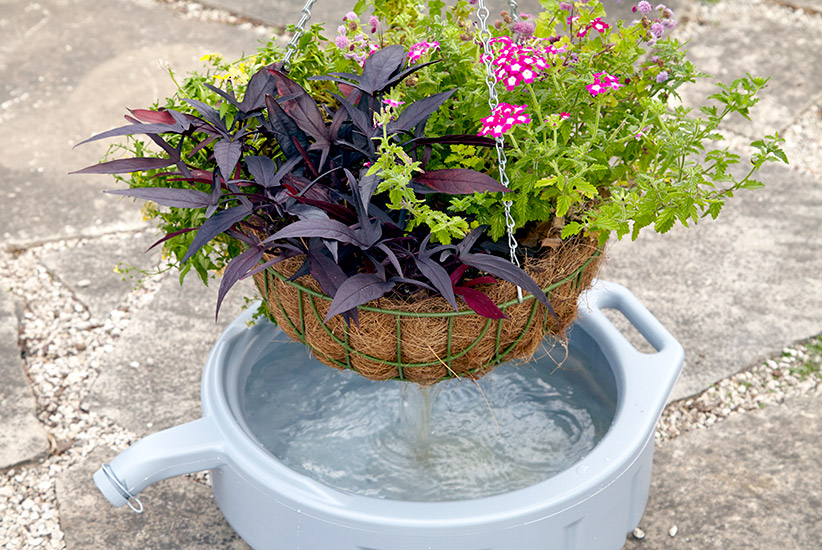
Credit: www.gardengatemagazine.com
How Often To Water Hanging Baskets
Water hanging baskets once a day during hot weather. In cooler months, reduce to twice weekly. Ensure soil is moist but not soggy for healthy plants.
Caring for hanging baskets can be tricky. They add charm to any space but need the right watering routine. Understanding their needs ensures they thrive. Frequency of Watering Hanging baskets dry faster than ground plants. They need regular checks. Use a finger test to gauge moisture.
If dry two inches down, it’s time to water. Climate impacts frequency too. Hot days may need daily watering, while cooler days require less. Factors Affecting Watering Needs Several elements influence how often you water these baskets. Consider these points: – Plant Type: Different plants have varied water requirements.
Some need more, others less. – Basket Material: Material impacts water retention. Plastic holds moisture longer than wicker. – Weather Conditions: Heat and wind dry soil quickly. Adjust watering accordingly. – Location: Indoor baskets need less water than those outside.
Sun exposure increases drying. Signs Your Basket Needs Water Recognizing when to water can prevent plant stress. Look for these indicators: – Wilting Leaves: Leaves droop when thirsty. It’s a clear sign of need. – Dry Soil: Check soil surface.
Dryness signals watering time. – Light Weight: Lift the basket. If it feels lighter, it’s likely dry. Consistency in Routine Maintaining a consistent routine helps. Water early in the morning or late afternoon. This timing reduces evaporation. Avoid watering in direct sun.
Keep a schedule for best results.
How Often Should You Water Hanging Baskets
Water hanging baskets every day in warm weather to keep the soil moist. In cooler months, water less frequently but ensure the soil doesn’t dry out completely. Adjust watering based on plant type and environment.
Hanging baskets bring color and life to any space. Their beauty, however, depends on proper watering. Understanding the needs of these plants ensures they thrive. Factors Affecting Watering Frequency Several elements influence how often you should water your hanging baskets: – Climate: Hotter climates require more frequent watering than cooler ones.
– Plant Type: Some plants need more water, while others prefer dry conditions. – Basket Material: Baskets made from certain materials may retain moisture longer. – Location: Baskets in sunny spots dry out faster than those in shade. Checking Soil Moisture Checking soil moisture helps determine watering needs.
It prevents overwatering or underwatering. – Finger Test: Insert your finger into the soil. If it feels dry, it’s time to water. – Weight Check: Lift the basket. If it feels light, it likely needs water. – Moisture Meter: Use a moisture meter for precise readings.
It gives accurate results. Seasonal Adjustments Watering needs change with the seasons. Adjust accordingly for plant health. In spring and summer, plants may need daily watering. The sun and heat can dry out soil quickly. In autumn and winter, reduce watering frequency.
Cooler temperatures slow plant growth and water evaporation. Adjust your routine as the seasons change. Signs Your Basket Needs Water Recognizing signs of thirsty plants helps maintain their health. – Wilting Leaves: Leaves droop when plants need water. – Dry Soil: Soil looks and feels dry to the touch.
– Brown Edges: Leaf tips turn brown without enough water. Best Time to Water Timing matters in watering. Choose the right time to ensure plant absorption. Watering in the morning is ideal. It allows plants to absorb water before the sun gets too hot.
Evening watering can work too, but be cautious. Ensure leaves dry before night to prevent mold.
How To Keep Hanging Baskets From Drying Out
Consistent watering keeps hanging baskets lush. Ensure soil retains moisture by adding water-holding crystals or organic mulch. Water thoroughly until it drips from the bottom, focusing on the roots.
Hanging baskets can add charm to your outdoor space. Yet, keeping them hydrated is a challenge many face. Without proper care, they dry out quickly, losing their vibrant appearance. So, let’s explore how to keep these beauties thriving. Choose the Right Soil Mix Selecting the right soil is crucial.
Look for mixes that retain moisture effectively. – Moisture-retaining soil: Helps keep the basket hydrated longer. – Quality potting mix: Provides nutrients and supports plant health. Add Mulch to Your Hanging Basket Adding mulch can help in retaining moisture. It acts as a protective layer.
– Mulch benefits: Reduces evaporation and keeps the soil cool. – Types of mulch: Coconut coir or bark chips are great options. Watering Techniques Effective watering techniques make a difference. Ensure your baskets are always adequately hydrated. – Deep watering: Saturates the soil deeply, preventing quick drying.
– Watering frequency: Adjust based on weather conditions and plant needs. Consider Self-Watering Baskets Self-watering baskets simplify the process. They are designed to supply water consistently. – Built-in reservoir: Holds extra water for gradual release. – Saves time: Reduces the need for daily watering efforts.
Use Water-retaining Crystals Water-retaining crystals are a smart choice. They help hold moisture within the soil. – Crystal function: Absorb and release water as needed. – Easy application: Mix them into the soil before planting. Position Your Hanging Baskets Wisely Where you hang your baskets matters.
Strategic positioning can prevent drying. – Shade benefits: Protects baskets from harsh sunlight. – Wind protection: Shields plants from drying winds. Regular Checks and Maintenance Regular checks are essential. Keep an eye on your baskets’ health. – Inspect moisture levels: Check soil regularly for dryness.
– Trim and prune: Remove dead parts to maintain plant vitality.
How To Keep Hanging Baskets Alive
Keeping hanging baskets alive requires proper watering techniques. Ensure the soil is moist but not waterlogged. Water thoroughly until it drips from the bottom. Adjust watering frequency based on weather conditions.
Keeping hanging baskets vibrant can be challenging. But with a few key techniques, you can ensure they thrive. Proper care and attention make all the difference in maintaining their lush appearance. Regular Watering Watering frequency is crucial for healthy baskets.
Here’s what you need to know: – Check daily: Soil dries out quickly in hanging baskets. – Early or late watering: Water in the morning or evening to reduce evaporation. – Drainage awareness: Ensure excess water can escape to prevent root rot.
Fertilization Routine Nutrients are vital for plant growth. A regular feeding schedule helps: – Use liquid fertilizer: Apply every two weeks for best results. – Opt for slow-release: Granules provide a steady nutrient supply over time. – Avoid over-fertilizing: Too much can harm plants.
Pruning and Deadheading Pruning keeps baskets looking neat. Here’s how to manage it: – Remove dead blooms: Encourage new growth by cutting off spent flowers. – Trim back growth: Prevent legginess and promote bushy plants. – Inspect regularly: Check for dead or damaged stems.
Position and Light The right location affects plant health. Consider these factors: – Find the right spot: Some plants need full sun, others prefer shade. – Rotate baskets: Ensure even light exposure for balanced growth. – Avoid extreme conditions: Protect from harsh winds or intense heat.
Soil Quality The foundation of plant health is good soil. Here’s how to enhance it: The right mix can improve drainage and nutrient retention. Choose a lightweight potting mix for best results. Ensure it contains peat moss or coconut coir for moisture retention.
These components keep soil aerated and healthy. Pest Control Pests can cause significant damage. Protect your baskets with these strategies: – Inspect regularly: Catch problems early by checking for signs of pests. – Use natural remedies: Neem oil or soap solutions deter common pests.
– Encourage beneficial insects: Ladybugs and lacewings help control harmful bugs.
How To Water A Hanging Basket
Water hanging baskets gently until water drains from the bottom. Ensure even moisture by watering thoroughly. Early morning is ideal to reduce evaporation and keep plants hydrated.
Watering hanging baskets can seem tricky. They’re suspended, often out of easy reach. But with a few tips, your plants can thrive. Let’s dive into the essentials of watering these beautiful displays. Understanding Hanging Basket Needs Every basket’s needs vary.
Consider the plant type and environment. Some plants need more moisture. Others thrive with less. It’s crucial to know what your specific plants require. Choosing the Right Watering Tools Selecting the right tools simplifies the task. Here are some options: – Long-spout watering can: Reaches high baskets easily.
– Hose with spray attachment: Offers control over water flow. – Self-watering globes: Provides consistent moisture levels. Best Time to Water Timing affects plant health. Early morning is ideal. Plants absorb moisture before the sun intensifies. Evening watering might cause issues.
Wet leaves overnight can lead to diseases. Checking Soil Moisture Soil moisture is key to plant health. Use these methods to check: – Finger test: Insert your finger into the soil. If it’s dry, water the plant. – Moisture meter: Provides an accurate reading of soil moisture.
Watering Frequency Watering frequency depends on several factors. Here’s what to consider: – Weather conditions: Hotter days require more frequent watering. – Plant type: Some need daily watering, others less often. – Basket size: Larger baskets may need more water.
Avoiding Overwatering Overwatering can harm your plants. Ensure proper drainage. Hanging baskets should have holes at the bottom. Allow excess water to escape. This prevents root rot and other issues. Signs Your Basket Needs Water Recognizing signs helps maintain plant health.
Look for: – Wilting leaves: Indicates a need for water. – Dry soil: Suggests it’s time to water. – Dull leaf color: May mean your plant is thirsty. By following these guidelines, your hanging baskets will remain lush and vibrant.
How To Care For Hanging Baskets
Gently water hanging baskets until water drains from the bottom. Ensure soil stays moist, not soggy. Water more frequently during hot weather or when indoor heating is on. Regular checks help prevent drying out. Consider using a drip irrigation system for consistent moisture.
Caring for hanging baskets can be a delightful task. These floating gardens bring beauty and charm to any space. Proper care ensures they thrive and bloom brightly. Follow these tips to keep your hanging baskets looking their best. Choose the Right Spot Selecting the perfect location is crucial for plant health.
– Light needs: Ensure your basket gets enough sunlight. – Protection from wind: Wind can damage plants, so find sheltered spots. – Accessibility: Make sure you can easily reach the basket for maintenance. Watering Techniques Proper watering is essential for thriving baskets.
Watering tips: – Frequency: Check soil moisture daily to avoid drying out. – Amount: Water until liquid drips from the bottom. – Time: Early morning or evening watering prevents quick evaporation. Fertilization Essentials Feed your plants to keep them healthy and strong.
– Nutrient-rich soil: Use soil with necessary nutrients for growth. – Regular feeding: Fertilize every two weeks for optimal health. – Balanced formula: Choose fertilizers with equal parts of nutrients. Pruning and Deadheading Regular maintenance keeps plants vibrant and blooming.
Pruning tips: – Trim dead leaves: Remove lifeless foliage to promote new growth. – Cut back overgrowth: Shape plants to maintain their beauty. – Deadhead flowers: Snip off wilted blooms to encourage new buds. Pest Control Protect your plants from unwelcome visitors.
– Natural remedies: Use soap water or neem oil for pests. – Regular checks: Inspect plants weekly for signs of infestation. – Healthy environment: Ensure good air circulation to prevent pest issues. Seasonal Adjustments Adapt care routines as seasons change.
– Winter protection: Bring baskets indoors during cold months. – Summer care: Increase watering during hot, dry periods. – Spring renewal: Refresh soil and plants as temperatures rise.
How Long Do Hanging Baskets Last
Hanging baskets can last several months with proper care. Watering regularly, ensuring moisture reaches the roots, extends their life. Adequate hydration is key to keeping them vibrant and healthy.
Hanging baskets bring life and color to any space. But how long do they last? This is a common question for garden lovers. The lifespan of these baskets can vary greatly. Several factors play a role in their longevity. Factors Affecting the Lifespan of Hanging Baskets Various elements can determine how long your baskets will thrive.
Here are a few key points to consider: – Plant Type: Different plants have unique lifespans. – Climate: Weather conditions can impact their health. – Care and Maintenance: Regular watering and feeding are crucial. – Container Quality: High-quality baskets may last longer.
Typical Lifespan of Hanging Baskets On average, hanging baskets can last for a few months. This depends on the season and care. Many baskets can flourish through spring and summer. With proper maintenance, some may even last into fall. Consider replacing or refreshing them for a new season.
How to Extend the Life of Hanging Baskets To make the most of your baskets, follow these simple tips: – Watering: Ensure consistent and deep watering. – Feeding: Use a balanced fertilizer for nourishment. – Pruning: Trim dead or overgrown parts regularly.
– Location: Choose a spot with suitable light and wind protection. Recognizing When to Replace Hanging Baskets Knowing when to replace your baskets is important. Watch for signs like: – Wilting: Plants look droopy despite proper care. – Root Bound: Roots are crowded and escaping the basket.
– Fungal Growth: Presence of mold or mildew. By understanding these aspects, your hanging baskets can last longer and stay vibrant.

Credit: www.westcoastgardens.ca
Frequently Asked Questions
Can You Water Hanging Baskets Too Much?
Yes, overwatering can harm hanging baskets. Excessive water leads to root rot and poor plant health. Ensure proper drainage and check soil moisture before watering. Aim to keep the soil consistently moist but not soggy. Regularly monitor weather conditions to adjust watering frequency accordingly.
How Much Water To Put In Hanging Baskets?
Water hanging baskets until water drains from the bottom. Check daily for dryness. Use about 1-2 liters, depending on plant size and weather. Adjust based on temperature and plant needs. Ensure soil remains moist but not waterlogged. Regularly monitor the weight of the basket to assess moisture.
What Time Of Day To Water Hanging Baskets?
Water hanging baskets early in the morning or late afternoon. This allows plants to absorb moisture before the sun’s heat. Avoid midday watering to prevent evaporation and stress. Consistent timing helps maintain healthy plants. Ensure the soil is moist but not waterlogged for optimal growth.
How Do You Keep Water From Draining Out Of Hanging Baskets?
Use a liner made of plastic or coconut coir to retain moisture. Add water-retaining crystals or gel to the soil. Ensure baskets have drainage holes to prevent waterlogging. Regularly check moisture levels and water accordingly. Elevate baskets slightly to allow excess water to drain properly.
Conclusion
Caring for hanging baskets can be simple and rewarding. Water them regularly to keep soil moist. Check daily in hot weather. Ensure proper drainage to prevent root rot. Use a watering can or hose with care. Add mulch to retain moisture.
Choose the right spot with sufficient light. With proper care, your hanging baskets will thrive. Keep them hydrated, and they will last longer. Enjoy the vibrant display of flowers and greenery. Happy gardening!

I’m Abby Lu, a passionate home cook who loves simplifying everyday meals. At PlugChef.com, I share product reviews and cooking guides to help you find the best tools for your kitchen.
Related posts:
 What Type of Cooking Utensils are Safe: Expert Picks
 What Innovations Could Blenders Make: Unleashing Future Tech
 Smart Strategies to Organize a Small Kitchen: Maximize Space
 How to Organize a Kitchen Cabinet: Expert Tips & Tricks
 How to Organize Kitchen Drawers: Expert Tips and Tricks
 How to Organize a Corner Kitchen Cupboard: Expert Tips