
You might think washing a knife is simple, but doing it the right way can keep your blade sharp and your hands safe. If you’re not careful, you could dull your knife or even cause an accident.
This guide will show you exactly how to wash a knife properly, so your tool stays in top shape and ready for every meal. Keep reading—you’ll discover easy tips that make cleaning your knives faster, safer, and more effective.

Credit: www.onegoodthingbyjillee.com
Choosing The Right Cleaning Tools
Choosing the right cleaning tools for your knife is key to keeping it sharp and safe. Not all sponges or brushes are created equal, and using the wrong ones can damage your blade or handle. Let’s look at what tools you should reach for and which ones to avoid.
Selecting Suitable Sponges And Brushes
Soft sponges are your best friend when washing knives. Look for sponges with a gentle scrubbing side made of non-abrasive material. These help remove food residue without scratching the blade.
Brushes with soft, nylon bristles are also excellent. They can reach into crevices like the handle or serrated edges where food often hides. Avoid metal or stiff-bristled brushes that can chip or dull your knife.
Think about the shape too. A narrow brush or sponge can give you better control, preventing accidental slips. Have you ever tried cleaning a knife with a bulky sponge? It can be tricky and unsafe.
Avoiding Abrasive Materials
Steer clear of steel wool or scouring pads. These are too harsh and will wear down your knife’s edge over time. Even harsh scrubbers can leave tiny scratches, making your blade dull faster.
Avoid rough scouring powders or cleaners containing gritty particles. They might clean well but at the cost of your knife’s finish. Instead, use mild dish soap and gentle tools to maintain your knife’s lifespan.
Remember, your knife is an investment. Using abrasive materials is like rubbing sandpaper on a fine instrument. Do you want your knife to stay sharp and shiny or become dull and scratched?

Credit: www.reddit.com
Safe Handling Techniques
Handle the knife carefully to avoid cuts. Wash it with the blade facing away from you using warm, soapy water. Rinse and dry immediately to keep it sharp and safe.
Washing a knife might seem straightforward, but mishandling can easily lead to accidents. Safe handling techniques not only protect your fingers but also keep your knife in optimal condition. When you handle a knife with care during cleaning, you ensure it lasts longer and works better. Let’s dive into how you can safely wash a knife, focusing on the right techniques.
Holding The Knife Properly
Grasp the handle firmly with your dominant hand. Your fingers should be wrapped around the handle, with your thumb resting on the spine of the blade. This grip ensures stability and control, reducing the chance of slipping. Always keep the blade facing away from your body. This simple action minimizes the risk of injury if the knife slips. Think of it as a small step with a big impact on safety.
Preventing Accidental Cuts
Use a sponge or dishcloth, never your bare hands, to clean the blade. It creates a barrier between your skin and the sharp edge. You wouldn’t want a minor distraction to lead to a painful cut. Pay attention to your surroundings. Are you washing the knife in a crowded sink? Clear the area first. A clutter-free environment keeps your mind focused and your movements precise. Why take unnecessary risks when washing a knife? Implementing these safe handling techniques can be a game-changer in your kitchen routine. Remember, safety first!
Step-by-step Washing Process
Cleaning a knife properly is important for safety and hygiene. Follow this clear washing process to keep your knife sharp and clean. Each step helps remove food particles and bacteria effectively.
Rinsing Off Food Residue
Hold the knife under warm running water. Let the water wash away loose bits of food. Avoid using hot water, as it can damage the blade. Use your fingers carefully to remove stuck pieces.
Applying Soap And Scrubbing
Put a small amount of dish soap on a soft sponge or cloth. Gently scrub the blade, handle, and edges. Move the sponge from the base to the tip of the blade. Be careful to avoid cutting yourself. Clean both sides of the knife thoroughly.
Rinsing Thoroughly
Rinse the knife under warm running water to remove all soap. Check if any soap remains on the blade or handle. Soap residue can cause a slippery grip. Dry the knife immediately with a clean towel to prevent rust.
Credit: www.victorinox.com
Drying And Storing Tips
Proper drying and storing keep your knives sharp and safe. Wet knives can rust and dull quickly. Storing knives incorrectly risks damage or injury. Follow these tips to keep knives in top shape.
Effective Drying Methods
After washing, wipe the knife immediately with a clean towel. Use a soft cloth to avoid scratches. Air drying is good, but only if the knife stands upright and air circulates well. Avoid leaving knives in a wet dish rack. Moisture causes rust and stains. Make sure the blade and handle are fully dry before storing.
Safe Storage Solutions
Store knives where blades do not touch other objects. Use a knife block or magnetic strip for easy access and safety. Drawer inserts keep knives organized and protect edges. Avoid tossing knives in a drawer with other utensils. This can dull blades and cause accidents. Keep knives out of reach of children for safety.
Maintaining Knife Sharpness
Maintaining knife sharpness is key to safe and efficient kitchen work. A sharp blade cuts smoothly and reduces accidents. Proper care keeps your knife in top condition for a long time.
Avoiding Dishwasher Damage
Dishwashers can harm your knife’s edge and handle. The strong water pressure and heat dull the blade quickly. Harsh detergents cause rust and corrosion. Wash knives by hand with warm, soapy water instead. Dry them immediately with a soft cloth to stop rust.
Regular Honing And Sharpening
Honing keeps the blade straight and aligned. Use a honing rod before or after each use. Sharpening removes metal to restore the edge. Use a sharpening stone or professional service when the knife feels dull. Regular care keeps your knife cutting like new.
Cleaning Special Knife Types
Cleaning special knife types requires careful attention to their unique features. Each knife design demands a different approach to maintain sharpness and durability. Proper cleaning extends the life of these tools and keeps them safe for use.
Handling Serrated Blades
Serrated blades have teeth that trap food particles. Use a soft brush to clean between the serrations. Avoid scrubbing too hard to prevent dulling the teeth. Wash with warm, soapy water immediately after use. Dry the blade carefully to stop rust from forming.
Care For Wooden Handles
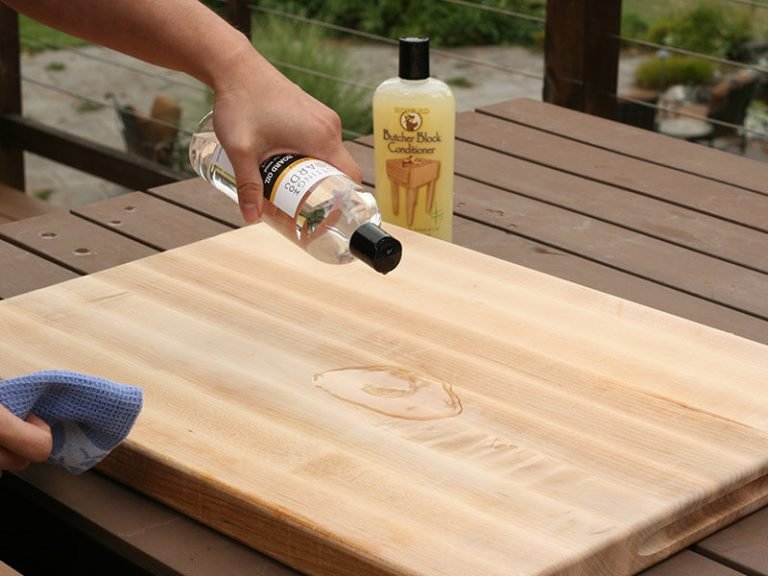
Wooden handles need gentle care to avoid cracking or warping. Do not soak the knife in water for long periods. Wipe the handle with a damp cloth and mild soap. Dry it immediately with a soft towel. Occasionally, apply mineral oil to keep the wood smooth and protected.
Frequently Asked Questions
How Should I Wash A Knife Safely?
Wash knives by hand using warm, soapy water. Avoid scrubbing the blade directly to prevent cuts. Rinse thoroughly and dry immediately to stop rust and damage.
Can I Wash Knives In A Dishwasher?
It’s best to avoid dishwashers. High heat and harsh detergents can dull blades and damage handles. Hand washing preserves sharpness and extends knife life.
What Is The Best Way To Dry A Knife?
Use a clean, dry towel to carefully dry the blade and handle. Immediate drying prevents rust and water spots, keeping your knife in excellent condition.
Should I Use Abrasive Sponges To Clean Knives?
No, avoid abrasive sponges or steel wool. They can scratch and dull the blade. Use soft sponges or cloths for gentle, effective cleaning.
Conclusion
Washing a knife properly keeps it sharp and safe to use. Always use warm water and mild soap. Clean carefully to avoid cuts. Dry the knife right after washing. Store it in a safe place. This simple care helps your knife last longer.
A clean knife makes cooking easier and safer. Take a little time to wash your knife well. It’s worth the effort every time.

Hi, I’m Daniel Brooks—a food lover and kitchen gear enthusiast. I enjoy testing cookware, utensils, and gadgets to see what really works in everyday cooking. At PlugChef.com, I share honest reviews, comparisons, and simple guides to help you choose the best tools for a safer, smarter, and more enjoyable kitchen.
Related posts:
 What Type of Cooking Utensils are Safe: Expert Picks
 What Innovations Could Blenders Make: Unleashing Future Tech
 Smart Strategies to Organize a Small Kitchen: Maximize Space
 How to Organize a Kitchen Cabinet: Expert Tips & Tricks
 How to Organize Kitchen Drawers: Expert Tips and Tricks
 How to Organize a Corner Kitchen Cupboard: Expert Tips