

Are you ready to make the most of your next outdoor meal? Knowing how to use a public grill can turn a simple picnic into a delicious feast.
Whether you’re a beginner or just want some tips to grill smarter, this guide will help you get it right every time. You’ll learn how to prepare, cook, and clean up like a pro—making your experience easy and enjoyable. Keep reading, and you’ll discover secrets that save time, avoid common mistakes, and impress everyone around you.
Your perfect grilled meal is just a few steps away!
Credit: www.msn.com
Choosing The Right Grill
Choosing the right public grill is key for a great outdoor cooking experience. The right grill saves time, cooks food evenly, and keeps everyone safe. Understanding the types of grills and their features helps make a better choice. Safety is also very important to enjoy grilling without problems.
Types Of Public Grills
Public grills come in various types. Charcoal grills offer smoky flavor but need more time to heat. Gas grills heat quickly and are easy to control. Electric grills suit places where open flames are not allowed. Some parks have built-in grills, while others provide portable ones. Choose a type that fits your cooking style and park rules.
Assessing Grill Features
Check grill size to match the number of people you are cooking for. Look for grills with adjustable heat controls for better cooking. A clean grilling surface prevents food from sticking and spreads heat well. Ventilation helps control temperature and smoke. Some grills have lids to trap heat and cook food faster. Pick grills with sturdy construction for safety and durability.
Safety Considerations
Always inspect the grill before use for damage or rust. Make sure the grill is on a flat, stable surface. Keep a safe distance from tents, trees, and other flammable materials. Use long-handled tools to avoid burns. Never leave the grill unattended while in use. After cooking, fully extinguish coals or turn off the gas. Follow park rules and guidelines for safe grilling.
Preparing The Grill
Preparing the grill properly sets the stage for a smooth and enjoyable cooking experience. Skipping this step can lead to uneven cooking or safety issues. Taking a few minutes to get your grill ready ensures your food tastes great and your time outdoors is stress-free.
Cleaning Before Use
Start by removing any leftover ashes or debris from previous use. Use a wire brush to scrape off stuck-on food and grease from the grates. A clean grill surface helps prevent flare-ups and keeps your food from sticking.
If you find rust or stubborn grime, wipe the grates with a damp cloth and a bit of dish soap, then rinse well. Avoid using harsh chemicals that can leave harmful residues. Have you ever noticed a strange taste in your grilled food? Often, it’s from a dirty grill.
Checking Fuel And Equipment
Make sure you have enough fuel before you begin. Whether it’s charcoal, propane, or wood, running out mid-cook can ruin your meal. Check propane tanks for leaks and ensure connections are tight.
Inspect your tools too—long-handled tongs, spatulas, and heat-resistant gloves make your job easier and safer. Think about how many times you’ve had to pause cooking because you couldn’t find the right tool. Preparing ahead avoids those frustrating moments.
Setting Up For Cooking
Arrange the coals or adjust the burner settings based on what you plan to cook. For steaks, set up two zones—one for searing, one for slower cooking. Vegetables and fish usually need lower, indirect heat.
Place a drip pan under the grates if you’re cooking fatty foods to reduce flare-ups. Position your grill in a well-ventilated, flat area away from flammable materials. How much time do you save by having everything set before you light the grill? Quite a bit.
Mastering Temperature Control
Mastering temperature control is key to successful grilling on a public grill. Proper temperature management ensures your food cooks evenly and tastes delicious. Let’s explore some techniques to help you achieve perfect grilling results.
Managing Heat Zones
Heat zones are crucial for cooking different foods simultaneously. Create direct and indirect heat zones on your grill. Place charcoal on one side for direct heat. Leave the other side empty for indirect heat. This setup allows you to sear meats and cook veggies slowly.
Using Grill Vents
Grill vents control airflow and temperature inside the grill. Open vents increase oxygen, raising the temperature. Close vents to reduce airflow and lower the heat. Adjust vents to maintain a steady cooking temperature. Practice with vents to find the perfect balance.
Avoiding Flare-ups
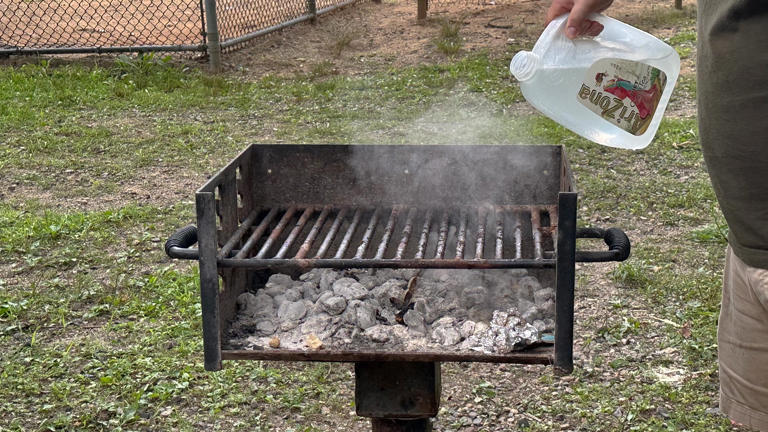
Flare-ups occur when fat drips onto hot coals. They can char your food quickly. To prevent flare-ups, trim excess fat from meats. Keep a spray bottle of water handy to douse small flames. Move food to the cooler side if flare-ups persist. This ensures even cooking without burnt spots.

Credit: lifehacker.com
Cooking Techniques
Mastering cooking techniques on a public grill can make all the difference in your outdoor cooking experience. The way you use heat and manage your food on the grill affects flavor, texture, and doneness. Understanding these techniques helps you cook confidently, even with the unpredictability of public grills.
Direct Vs Indirect Cooking
Direct cooking means placing your food right above the heat source. It’s perfect for quick-cooking items like burgers, steaks, or veggies that need a nice sear. You’ll want to watch closely to avoid burning.
Indirect cooking uses heat from the side or below, but not directly under the food. This method is great for larger or tougher cuts, like whole chickens or ribs, that need slow, even cooking. Think of it as using the grill like an oven outdoors.
Have you noticed how some foods char quickly while others take longer? Choosing between direct and indirect heat based on what you’re grilling changes everything.
Grilling Different Foods
Each food needs its own approach on the grill. Fish fillets are delicate and cook fast, so place them on a well-oiled grate to prevent sticking and use direct heat briefly. Hard vegetables like potatoes or carrots benefit from indirect heat to cook through without burning.
Meats vary widely too. Thin cuts like sausages or chicken breasts need quick, direct heat, while thick steaks or roasts require a sear first, then indirect heat to finish cooking inside. Don’t forget to season and preheat your grill for the best results.
Timing And Flipping Tips
Patience is key when flipping. Flip your food only once or twice to keep it from falling apart or losing juices. For example, burgers usually need 4-5 minutes per side depending on thickness.
Use a timer or watch the grill closely. Overcooking happens fast on public grills, especially since heat levels can be unpredictable. If you’re grilling chicken, make sure the internal temperature reaches 165°F (74°C) for safety.
Have you tried letting your food rest for a few minutes after grilling? It helps juices redistribute and improves flavor. Try it next time you grill to see the difference.
Maintaining Hygiene
Maintaining hygiene at a public grill is key to a safe and enjoyable cooking experience. Clean surfaces, careful food handling, and proper waste disposal help prevent illness and keep the area pleasant for everyone. Simple actions make a big difference in keeping germs away.
Sanitizing Surfaces
Start by cleaning the grill surface before use. Use a grill brush to remove food residue and burnt bits. Wipe down handles and nearby counters with a disinfectant wipe. Carry sanitizing wipes in your bag for quick cleaning. Avoid using harsh chemicals that can leave harmful residues.
Handling Food Safely
- Wash your hands thoroughly with soap and water before touching food.
- Use separate utensils for raw and cooked food to avoid cross-contamination.
- Keep perishable items in a cooler until ready to cook.
- Cook food to the right temperature to kill harmful bacteria.
- Avoid touching your face or phone while handling food.
Disposing Of Waste Properly
Bring trash bags to collect waste from your cooking session. Tie bags securely before throwing them in public bins. Do not leave food scraps or wrappers near the grill. Clean up spills quickly to avoid attracting pests. Leaving the area clean helps everyone enjoy the space.

Credit: au.lifehacker.com
Cleaning After Use
Cleaning the public grill after use is a key part of being a responsible griller. It not only keeps the grill ready for the next user but also helps maintain hygiene and safety. Taking a few extra minutes to clean up can make a big difference for everyone who shares the space.
Removing Residue
Start by scraping off any leftover food particles from the grill grates using a grill brush. Stubborn bits can be loosened by warming the grill slightly, but be careful not to burn yourself. After scraping, wipe the surface with a damp cloth or use water sparingly to avoid rust.
Have you noticed how much easier it is to cook on a clean grill? Keeping the grates clear ensures your food cooks evenly and tastes better.
Cooling Down The Grill
Allow the grill to cool down completely before leaving the area. This prevents accidental burns and makes cleaning safer for the next person. If the grill has a cover, closing it can help protect it from weather and debris while it cools.
Think about how you feel when you use a grill that’s still hot or messy—does it make you want to cook or turn away? Cooling it properly ensures everyone has a better experience.
Reporting Issues
If you find broken parts, low fuel, or any safety hazards, report them to the park staff or maintenance team immediately. A quick message can prevent accidents and keep the grill in good working order. Leaving a note or calling the provided number helps everyone enjoy the facility safely.
Have you ever come across a grill that didn’t work well and wished someone had told the staff? Your feedback could be the difference between a great cookout and a frustrating one for others.
Enhancing Your Outdoor Cooking
Outdoor cooking becomes more enjoyable with simple enhancements. The public grill offers a great way to cook delicious meals outside. Small touches can make your cooking tastier and your experience better. Explore ways to improve flavor, add great sides, and share the moment with others.
Using Marinades And Rubs
Marinades add flavor and tenderize meat. Use a mix of oil, herbs, and spices. Let food soak for at least 30 minutes before grilling. Rubs work well for quick flavor. Apply a dry mix of spices directly on meat or vegetables. Both methods bring bold tastes to your outdoor meal.
Incorporating Sides And Drinks
Good sides make your grill meal complete. Fresh salads, grilled vegetables, and bread are easy choices. Choose simple recipes that cook fast or before grilling main dishes. Drinks refresh and complement flavors. Offer water, iced tea, or lemonade. Keep drinks cool and ready to serve.
Inviting Friends And Family
Grilling is more fun with company. Invite friends and family to join your cookout. Sharing food creates happy memories and good times. Plan a casual gathering with easy-to-eat items. Everyone can help with cooking or setting up. Togetherness adds warmth to your outdoor cooking.
Frequently Asked Questions
How Do I Safely Use A Public Grill?
Always clean the grill before use and check for damage. Use separate utensils for raw and cooked food. Keep children away and never leave the grill unattended. Follow all local park or facility rules for public grill use.
What Foods Are Best For Public Grilling?
Choose easy-to-cook items like burgers, hot dogs, vegetables, and pre-marinated meats. Avoid foods that require complex cooking times or special equipment. This ensures quick, safe cooking and minimizes grill time for others.
Can I Bring My Own Charcoal Or Propane?
Most public grills provide charcoal or propane, but rules vary. Check local regulations before bringing your own. Using provided fuel sources helps avoid accidents and ensures safety compliance at the grilling site.
How Do I Clean The Public Grill After Use?
Use a grill brush to remove food residue and ash. Dispose of ashes in designated bins. Leave the grill ready for the next user. Cleaning maintains hygiene and respects community shared spaces.
Conclusion
Using a public grill can make outdoor cooking fun and easy. Always clean the grill before and after use. Keep safety in mind while cooking. Bring your own tools and ingredients for convenience. Respect others by sharing the space and following rules.
Enjoy tasty meals with friends and family. Practice these tips to have a great grilling experience. Simple steps lead to better results every time. Ready to fire up the grill? Give it a try today!

I’m Abby Lu, a passionate home cook who loves simplifying everyday meals. At PlugChef.com, I share product reviews and cooking guides to help you find the best tools for your kitchen.
Related posts:
 What Type of Cooking Utensils are Safe: Expert Picks
 What Innovations Could Blenders Make: Unleashing Future Tech
 Smart Strategies to Organize a Small Kitchen: Maximize Space
 How to Organize a Kitchen Cabinet: Expert Tips & Tricks
 How to Organize Kitchen Drawers: Expert Tips and Tricks
 How to Organize a Corner Kitchen Cupboard: Expert Tips

