

If you’ve ever wondered how to bring a fresh, zesty flavor to your meals or create a calming, fragrant tea, dry lemongrass is your secret weapon. It’s more than just an ingredient—it’s a simple way to elevate your cooking and wellness routine.
You’ll discover easy, practical ways to use dry lemongrass that anyone can try. Ready to unlock the full potential of this amazing herb? Keep reading, and you’ll find tips that make your dishes tastier and your day more refreshing.

Credit: www.thaibynature.com
Choosing Quality Dry Lemongrass
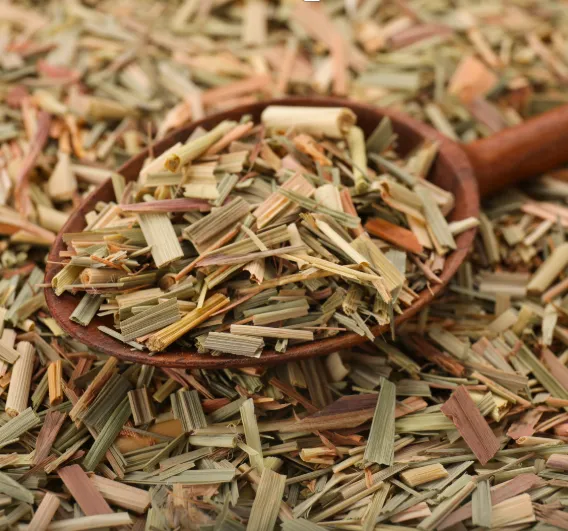
Choosing quality dry lemongrass ensures the best flavor and aroma for your dishes. It also helps you get the most health benefits. Quality dry lemongrass should look and smell fresh, even if dried. The right packaging keeps it safe from moisture and contamination.
Identifying Freshness
- Look for a pale green to light yellow color. Avoid dark brown or black spots.
- Smell the lemongrass; it should have a strong citrus scent.
- Check the texture; it should be dry but not brittle or crumbly.
- Avoid lemongrass that feels damp or sticky.
Best Packaging Options
- Choose airtight containers or sealed bags to keep moisture out.
- Vacuum-sealed packs preserve aroma and flavor longer.
- Opaque packaging protects from sunlight, which can degrade quality.
- Look for packaging with a clear expiration date or harvest date.
Credit: ceylonspizee.com
Preparing Dry Lemongrass For Cooking
Preparing dry lemongrass for cooking unlocks its vibrant citrus flavor. It is essential to soften and break down the tough fibers. Proper preparation improves the texture and releases aromatic oils. This step ensures the lemongrass blends well with your dish.
Rehydrating Techniques
Dry lemongrass needs water to regain moisture. Soak it in warm water for 10 to 15 minutes. The stalks will become flexible and easier to cut or shred. Drain excess water before cooking to avoid watering down flavors. This simple step makes the lemongrass more tender.
Grinding And Crushing Methods
Grinding or crushing dry lemongrass releases its essential oils quickly. Use a mortar and pestle to crush small pieces into a paste. For larger quantities, a spice grinder works well to create a fine powder. Ground lemongrass blends easily into soups, sauces, and marinades. Crushing intensifies the flavor for a stronger taste.
Incorporating Lemongrass Into Recipes
Incorporating dry lemongrass into recipes adds a fresh, citrusy flavor. Its unique taste enhances various dishes, making them more aromatic. Dry lemongrass is versatile and easy to use in cooking. It complements both savory and sweet recipes, adding depth to flavors.
Soups And Stews
Dry lemongrass enriches soups and stews with a zesty note. Simply crush the stalks before adding them. This releases the essential oils, infusing the broth with flavor. Remove the stalks before serving, as they remain fibrous.
Marinades And Sauces
Create flavorful marinades and sauces with dry lemongrass. Combine it with garlic, ginger, and soy sauce. Let meat or tofu marinate for a few hours. This enhances the taste with a citrusy aroma. For sauces, simmer with coconut milk for a creamy, fragrant base.
Rice And Grain Dishes
Add dry lemongrass to rice and grain dishes for extra flavor. Mix it with rice before cooking for a fragrant dish. Use it in pilafs or quinoa for an exotic twist. The lemongrass aroma pairs well with herbs and spices.
Pairing Lemongrass With Other Flavors
Pairing dried lemongrass with other flavors can elevate your dishes to a new level of freshness and complexity. Its citrusy, slightly floral notes blend well with a variety of ingredients, giving you room to experiment in the kitchen. Understanding which herbs, spices, proteins, and vegetables complement lemongrass will help you create balanced, delicious meals.
Herbs And Spices
Think about herbs that bring brightness or earthiness to your dish. Fresh cilantro and mint highlight lemongrass’s citrus character beautifully. Basil, especially Thai basil, adds a hint of sweetness that pairs well with the grassy notes of lemongrass.
Spices like ginger, garlic, and chili enhance the aromatic profile without overpowering it. I once added dried lemongrass to a marinade with fresh ginger and chili flakes, and the result was a vibrant, layered flavor that surprised my guests. Have you tried combining lemongrass with turmeric or cumin? These spices add warmth and depth, perfect for curries and stews.
Proteins And Vegetables
Lemongrass works wonders with light proteins such as chicken, fish, and tofu. It brings a refreshing zing that cuts through richness, making your dish feel less heavy. When I added dried lemongrass to a grilled chicken marinade, the meat turned out tender and infused with a subtle citrus aroma that brightened every bite.
Vegetables with mild or sweet flavors balance lemongrass well. Try pairing it with carrots, bell peppers, or zucchini to create a harmonious taste. Green beans and mushrooms also soak up lemongrass’s essence beautifully in stir-fries or soups. What vegetable combinations have you found that bring out the best in lemongrass?
Storing Dry Lemongrass Properly
Storing dry lemongrass properly ensures that its fresh, citrusy flavor lasts longer and remains vibrant for your recipes. If you overlook storage, you risk losing the essential oils that give lemongrass its unique aroma. Let’s dive into how to keep your dry lemongrass at its best.
Optimal Storage Conditions
Keep dry lemongrass in an airtight container to protect it from moisture and air exposure. Glass jars with tight lids work best, but resealable plastic bags can also do the job if you squeeze out excess air.
Store the container in a cool, dark place away from direct sunlight and heat sources. A pantry or cupboard is ideal because light and heat accelerate flavor loss. Have you noticed your spices losing punch when left near the stove? That’s why avoiding heat matters.
Shelf Life Tips
Dry lemongrass can maintain its flavor for up to 6 months when stored correctly. To make it last longer, consider labeling your container with the purchase or drying date. This small step helps you track freshness and avoid using stale ingredients.
If you sense a dull aroma or taste, it’s time to replace your lemongrass. Remember, even the best storage can’t preserve flavor forever. You might find that grinding the lemongrass fresh before use revives its scent and taste, so invest in a small spice grinder for best results.
Troubleshooting Common Issues
Using dry lemongrass can add a bright, citrusy note to your dishes, but sometimes it doesn’t turn out quite right. You might notice a bitter taste or find the flavor too strong or too weak. Troubleshooting these common issues will help you get the perfect balance every time.
Avoiding Bitter Taste
Bitter lemongrass usually means it was overcooked or used in large quantities. If you steep it too long in hot water or boil it aggressively, the natural oils release bitter compounds. Try simmering gently instead of boiling hard, and limit the steeping time to 10-15 minutes.
Another tip is to break the stalks into smaller pieces before using them. This releases flavor without the harsh bitterness that comes from crushing or grinding too finely. Have you ever noticed how a slight change in preparation can completely alter the taste? Adjusting how you handle lemongrass can make a huge difference.
Adjusting Flavor Intensity
Dry lemongrass can be subtle or strong depending on how much you use. If your dish tastes weak, add a few more stalks or let it steep longer. But if the flavor overwhelms, reduce the amount or shorten the steeping time.
Remember, the size and quality of the dried stalks vary, so start small and taste as you go. You might want to keep a little “lemongrass journal” to note how different amounts affect your recipes. What’s your current go-to measurement? Experimenting will help you find the perfect flavor for your cooking style.

Image: Lemongrass seasoning
Frequently Asked Questions
What Are The Benefits Of Using Dry Lemongrass?
Dry lemongrass offers a strong citrus flavor and aroma. It has antioxidants and can aid digestion. It’s great for teas, soups, and marinades, adding a refreshing, natural zest to dishes and drinks.
How Do I Prepare Dry Lemongrass For Cooking?
Crush or crush dry lemongrass before use to release flavors. Soak it in hot water for tea or add directly to soups and stews. Remove stalks before serving to avoid tough texture.
Can Dry Lemongrass Be Used In Herbal Teas?
Yes, dry lemongrass is perfect for herbal teas. It infuses a lemony taste and calming aroma. It helps soothe digestion and relax the mind when steeped in hot water.
How Long Does Dry Lemongrass Last When Stored?
When stored in an airtight container away from light and moisture, dry lemongrass can last up to a year. Proper storage preserves its flavor and aroma for extended use.
Conclusion
Dry lemongrass adds fresh flavor to many dishes. You can brew it as tea or use it in soups. It also helps keep insects away naturally. Store dry lemongrass in a cool, dry place to keep it fresh. Try adding it to your cooking and enjoy its mild, citrusy taste.
Simple to use and good for health too. Give dry lemongrass a chance in your kitchen today. You will like how it changes your meals.

I’m Abby Lu, a passionate home cook who loves simplifying everyday meals. At PlugChef.com, I share product reviews and cooking guides to help you find the best tools for your kitchen.
Related posts:
 What Type of Cooking Utensils are Safe: Expert Picks
 What Innovations Could Blenders Make: Unleashing Future Tech
 Smart Strategies to Organize a Small Kitchen: Maximize Space
 How to Organize a Kitchen Cabinet: Expert Tips & Tricks
 How to Organize Kitchen Drawers: Expert Tips and Tricks
 How to Organize a Corner Kitchen Cupboard: Expert Tips