
Do you love the taste of cheese but find yourself puzzled by all those tools and gadgets meant to enhance your cheese experience? You’re not alone.
Whether you’re hosting a wine and cheese night or simply enjoying a quiet evening with a cheese platter, knowing how to use cheese tools can elevate your experience from ordinary to extraordinary. Imagine the satisfaction of slicing through a creamy brie with the perfect knife or effortlessly shaving a wedge of Parmesan with a specialized tool.
The right cheese tools can transform your culinary moments into memorable experiences. Stick around, and you’ll discover how to use these tools effectively, making you the maestro of your next cheese board. Your guests will be impressed, and you’ll wonder why you ever hesitated in the first place. Let’s dive in and unlock the secrets to mastering cheese tools!
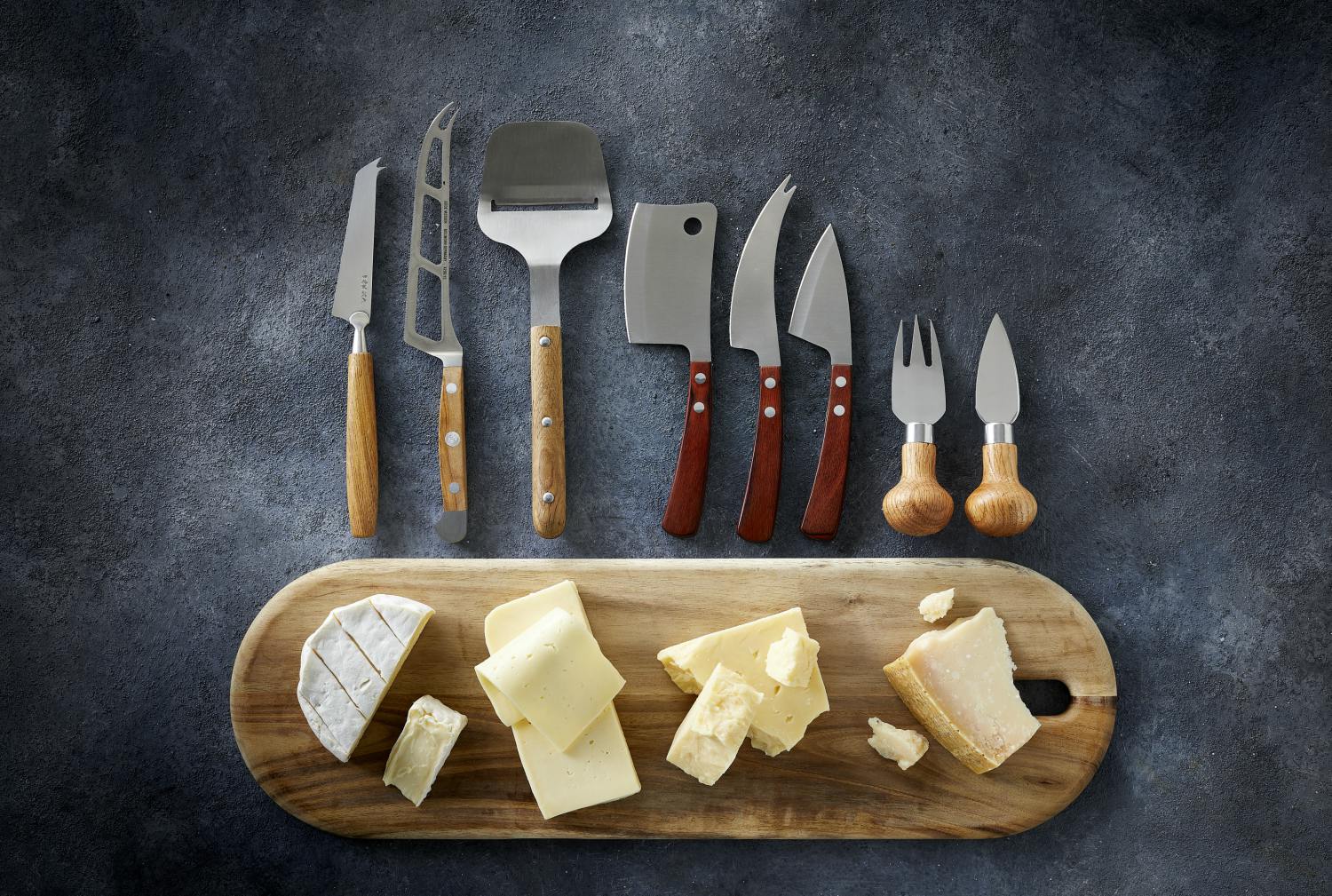
Credit: www.castellocheese.com
Essential Cheese Tools
Cheese tools help slice, spread, and serve cheese effortlessly. A cheese knife cuts smoothly, while a slicer ensures even portions. The spreader handles soft cheese, and a planer shaves hard varieties.
Embarking on a cheese adventure requires more than just passion; it demands the right tools to elevate your experience. Whether you’re hosting a fancy gathering or simply indulging in a quiet night at home, essential cheese tools can make all the difference. Mastering these tools not only enhances your cheese presentation but also improves taste and texture.Cheese Knives
Imagine trying to cut a delicate Brie with a dull kitchen knife. Frustrating, right? Cheese knives are designed specifically for different types of cheese. A soft cheese knife, with its thin and sharp blade, allows you to slice through creamy textures without making a mess. On the other hand, a hard cheese knife has a sturdier build to tackle the robust textures of aged cheeses like Parmesan.Cheese Graters
Grating cheese can transform a dish from ordinary to extraordinary. A good cheese grater should have various hole sizes to cater to different grating needs. Fine grating is perfect for garnishing pasta, while larger grates are ideal for melting over casseroles. Ever tried grating fresh mozzarella on pizza? It’s a game-changer.Cheese Slicers
Precision is key when it comes to slicing cheese. Cheese slicers offer a consistent thickness, which enhances both appearance and flavor balance. A wire cheese slicer is great for semi-soft cheeses, providing clean cuts without crumbling. Next time you create a cheese platter, notice how uniform slices can elevate the visual appeal.Cheese Boards
Presentation matters, especially when serving cheese to guests. A cheese board isn’t just a serving platter; it’s an expression of your style. Wooden boards offer a rustic charm, while marble boards keep cheese cool and fresh. Have you ever considered pairing your cheese board with nuts and fruits to complement the cheese flavors? It adds an unexpected twist that guests will love. Using the right cheese tools not only makes the process more enjoyable but also enhances the overall experience. What’s your go-to cheese tool, and how has it changed your cheese-tasting adventures? Share your thoughts in the comments!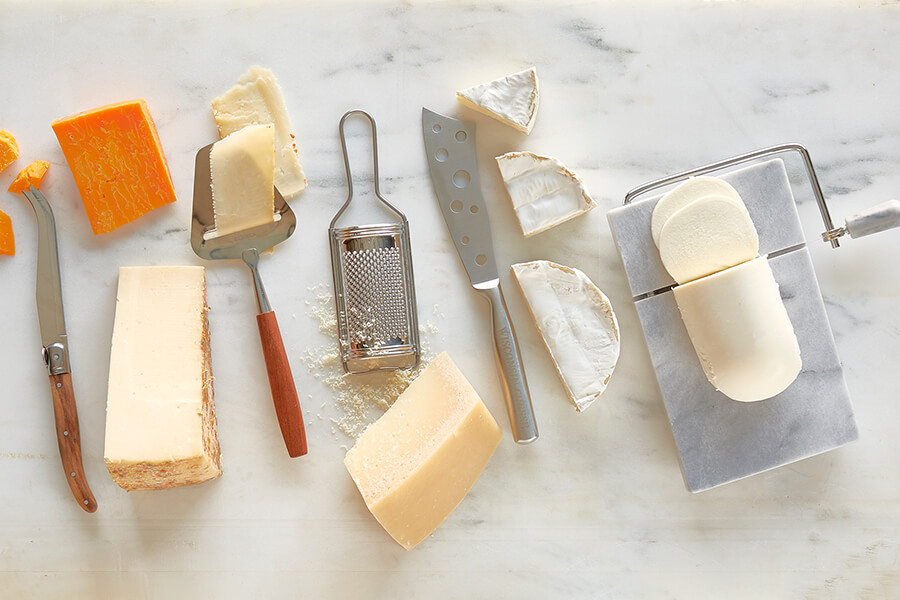
Credit: www.wisconsincheese.com
Selecting The Right Tool
Choosing the right cheese tool enhances your cheese experience. Each tool has a specific purpose, making it vital to understand your cheese selection. Proper tools ensure your cheese is presented and tasted at its best. Explore factors influencing tool choice and how to pair them with different cheeses.
Factors To Consider
Consider the type of cheese you’re serving. Soft cheeses require gentle handling. Hard cheeses need sturdy tools. Tool material affects performance. Stainless steel is durable. Wood offers a rustic charm. Ergonomics matter for comfort during use. Handle shape influences grip. A well-balanced tool feels natural in hand.
Pairing Tools With Cheese Types
Soft cheeses need a spreader or wire cutter. These tools maintain texture. Semi-soft cheeses benefit from slicers. They create even portions without crushing. Hard cheeses require a robust knife. Cheese planes are ideal for firm varieties. Each tool brings out the best in specific cheese types.
Knife Techniques
Using cheese tools properly enhances the flavor and presentation. Knife techniques are crucial in cheese preparation. Different cheeses require specific cutting methods. This ensures the best taste and texture.
Cutting Soft Cheeses
Soft cheeses are delicate. Use a knife with holes. These holes prevent sticking. Slice gently to maintain shape. Avoid pressing too hard. This keeps the cheese intact.
Slicing Hard Cheeses
Hard cheeses are dense. A sharp knife is essential. Cut with a firm motion. Apply consistent pressure. This results in clean slices. Ensure each slice is even.
Wedge Cutting
Wedge cutting suits semi-hard cheeses. Start from the center. Move outwards in a fan shape. This creates uniform wedges. Use a non-serrated knife. It offers better control.

Credit: blog.tagltd.com
Grating And Shaving
Cheese tools make grating and shaving cheese easy and fun. A grater creates fluffy cheese curls. A shaver slices thin, perfect pieces. Enjoy fresh cheese on your favorite dishes.
Grating and shaving cheese can transform your culinary creations, adding texture and flavor that can elevate a dish from simple to spectacular. Whether you’re preparing a hearty pasta or crafting a delicate salad, knowing how to grate and shave cheese effectively is a skill every home cook should master. Let’s dive into the specifics of choosing the right tools for grating and how to shave cheese for garnishes.Choosing A Grater
Selecting the perfect grater can make a world of difference in how your cheese turns out. Box graters are versatile and offer multiple grating sizes, making them ideal for everything from finely grated Parmesan to shredded mozzarella for pizza. On the other hand, a microplane is perfect for hard cheeses like Parmesan, giving you delicate, fluffy shreds that melt beautifully. Have you ever tried using an electric grater? These gadgets can save time if you’re grating large quantities, especially when entertaining. They’re a worthy investment if you often find yourself hosting dinner parties. Don’t forget to consider grip and stability. A grater with a comfortable handle and non-slip base can prevent accidents and make the process more enjoyable.Shaving For Garnishes
Shaving cheese creates elegant, thin slices that add a touch of sophistication to any dish. A vegetable peeler can be a simple yet effective tool for this task. It’s especially useful for semi-hard cheeses like Gouda or Asiago, giving you beautiful ribbons to lay over a salad or steak. Are you aiming for ultra-thin slices for a carpaccio-style presentation? A cheese plane might be your best bet. This tool allows you to adjust the thickness, ensuring each slice is just right for your dish. Presentation matters. Imagine serving a bowl of pasta with a delicate shower of shaved Parmesan. It’s these little touches that can leave a lasting impression on your guests.Serving And Presentation
Cheese is much more than a culinary delight; it’s an experience that begins with how you serve and present it. The right tools can elevate your cheese presentation from simple to spectacular. Whether you’re hosting a casual gathering or a sophisticated event, mastering the art of serving cheese can make all the difference. Let’s dive into the essentials of arranging and pairing to create a memorable cheese experience.
Arranging On A Cheese Board
The cheese board is your canvas, and each piece of cheese is a work of art. Start by selecting a board that suits the occasion. Wood or slate boards add rustic charm, while marble offers a touch of elegance.
Arrange cheeses by type and texture. Soft cheeses like Brie or Camembert can be placed in the center, surrounded by semi-hard and hard cheeses like Gouda and Parmesan. This helps guests easily navigate their choices.
Cut cheese into different shapes—wedges, cubes, or slices. This adds variety and makes it easy for guests to serve themselves. Remember, presentation is about inviting interaction, not just admiration.
Pairing With Accompaniments
Pairing cheese with accompaniments can enhance the flavors and textures. Consider fruits like grapes, figs, or apples for a fresh contrast. Nuts such as almonds or walnuts add crunch.
Think about including sweet elements like honey or chutney to complement salty cheeses. A drizzle of honey over blue cheese can create a delightful balance of flavors.
Crackers and bread are essential. Select a mix of types—whole grain, seed, or plain—to cater to different tastes. Your guests will appreciate the thought you put into variety.
How do you decide what pairs best? Taste test! A personal favorite might surprise you and become a crowd-pleaser. Share your discoveries with guests; it sparks conversation and connects everyone over shared flavors.
Ultimately, serving and presentation are about creating an inviting atmosphere. Each choice reflects your style and thoughtfulness. So, the next time you set the table, ask yourself: Are you ready to turn your cheese serving into an unforgettable experience?
Caring For Cheese Tools
Caring for cheese tools is essential for cheese lovers. Proper maintenance ensures your tools last longer. Clean tools make for a better cheese experience. Let’s explore some practical tips for caring for cheese tools. Keep your tools in great condition with these insights.
Cleaning And Maintenance
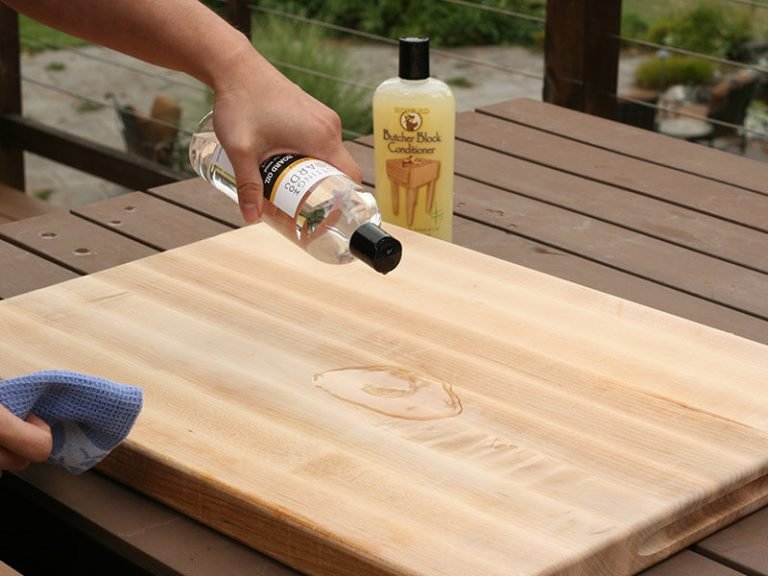
Always clean cheese tools after use. This prevents bacteria build-up. Use warm, soapy water for washing. Avoid harsh detergents that can damage. Rinse thoroughly to remove soap residue. After washing, dry tools immediately. Moisture can lead to rust. For wooden handles, apply mineral oil. This prevents cracking and extends life.
Storage Tips
Store cheese tools properly to maintain quality. Use a dry, cool place away from moisture. Keep knives in a knife block or sheath. This keeps blades sharp and safe. For small tools, use a designated drawer or box. Avoid stacking tools to prevent damage. Organize tools for easy access. This makes your cheese preparation smooth and enjoyable.
Common Mistakes
Using cheese tools can be tricky. Many people make common mistakes. These mistakes can affect the cheese experience. Knowing these errors helps in using cheese tools better. Let’s explore some frequent mistakes and how to avoid them.
Avoiding Tool Damage
Many people use the wrong tool for the wrong cheese. Hard cheeses need strong tools. Soft cheeses need delicate tools. Using the wrong tool can damage it. Always match the tool to the cheese type. Clean cheese tools after use. Cheese residue can cause rust or dullness. Store tools in a dry place. This prevents damage and keeps them sharp.
Preventing Cheese Waste
Cutting cheese too thick leads to waste. Thin slices taste better and last longer. Use the right tool for even slices. A wire cutter works well for soft cheeses. Hard cheeses need a sharp knife. Trim only what you need. Storing cheese properly prevents spoilage. Wrap cheese in wax paper. Store in the fridge to keep it fresh.
Frequently Asked Questions
What To Use Each Cheese Knife For?
Cheese knives serve different purposes. A wide-blade knife slices soft cheeses, while a narrow blade cuts firm cheeses. A pronged knife helps with serving, and a cleaver is ideal for hard cheeses. Use a cheese plane for thin slices. Each knife enhances the cheese experience.
How To Use Cheese Grips?
Grip the cheese firmly and use the grips to slice smoothly. Adjust pressure for desired thickness. Ensure grips are clean before use. Store properly after using to maintain grip quality. Practice for precision and control.
What Are The Prongs On The End Of A Cheese Knife For?
The prongs on a cheese knife help in picking up and serving cheese slices without touching them. They ensure neat presentation and prevent contamination, making it easier to serve cheese to guests. This design is especially useful for soft and semi-soft cheeses.
What Are The Spikes On A Cheese Knife For?
The spikes on a cheese knife help in picking up and serving cheese slices. They ensure easy handling without touching the cheese directly, maintaining hygiene.
Conclusion
Cheese tools make life easier in the kitchen. Slice effortlessly. Grate with precision. Spread smoothly. These tools enhance your cheese experience. No more struggling with knives. Enjoy every bite perfectly prepared. Choose the right tool for each cheese type. Experiment with different textures.
Impress friends with your cheese platter skills. Remember, practice makes perfect. Explore new cheeses and tools. Discover flavors and techniques. With the right tools, cheese becomes a delight. Whether for a party or a quiet night in, let these tools elevate your cheese enjoyment.
Simple yet effective. A tasty adventure awaits.

I’m Abby Lu, a passionate home cook who loves simplifying everyday meals. At PlugChef.com, I share product reviews and cooking guides to help you find the best tools for your kitchen.
Related posts:
 What Type of Cooking Utensils are Safe: Expert Picks
 What Innovations Could Blenders Make: Unleashing Future Tech
 Smart Strategies to Organize a Small Kitchen: Maximize Space
 How to Organize a Kitchen Cabinet: Expert Tips & Tricks
 How to Organize Kitchen Drawers: Expert Tips and Tricks
 How to Organize a Corner Kitchen Cupboard: Expert Tips