

Do you find yourself struggling to achieve that perfect slice of cheese, or wondering how others make it look so effortless? You’re not alone.
Whether you’re hosting a dinner party or enjoying a quiet night in, mastering the art of cheese cutting can elevate your culinary experience. With the right tools and techniques, you can transform your cheese platter into a masterpiece. Imagine impressing your guests with beautifully sliced Brie or perfectly cubed Cheddar.
This article will guide you through the essential cheese cutting tools, offering tips that will make you the envy of every cheese lover. Dive in, and discover how you can turn a simple task into a delightful art form.
Choosing The Right Cheese Cutting Tool
Choosing the right cheese cutting tool can elevate your cheese tasting experience. Imagine setting up a cheese platter that not only looks stunning but is also easy to prepare and enjoy. The right tools ensure each cheese is sliced perfectly, enhancing its flavor and texture.
Different Types Of Cheese Knives
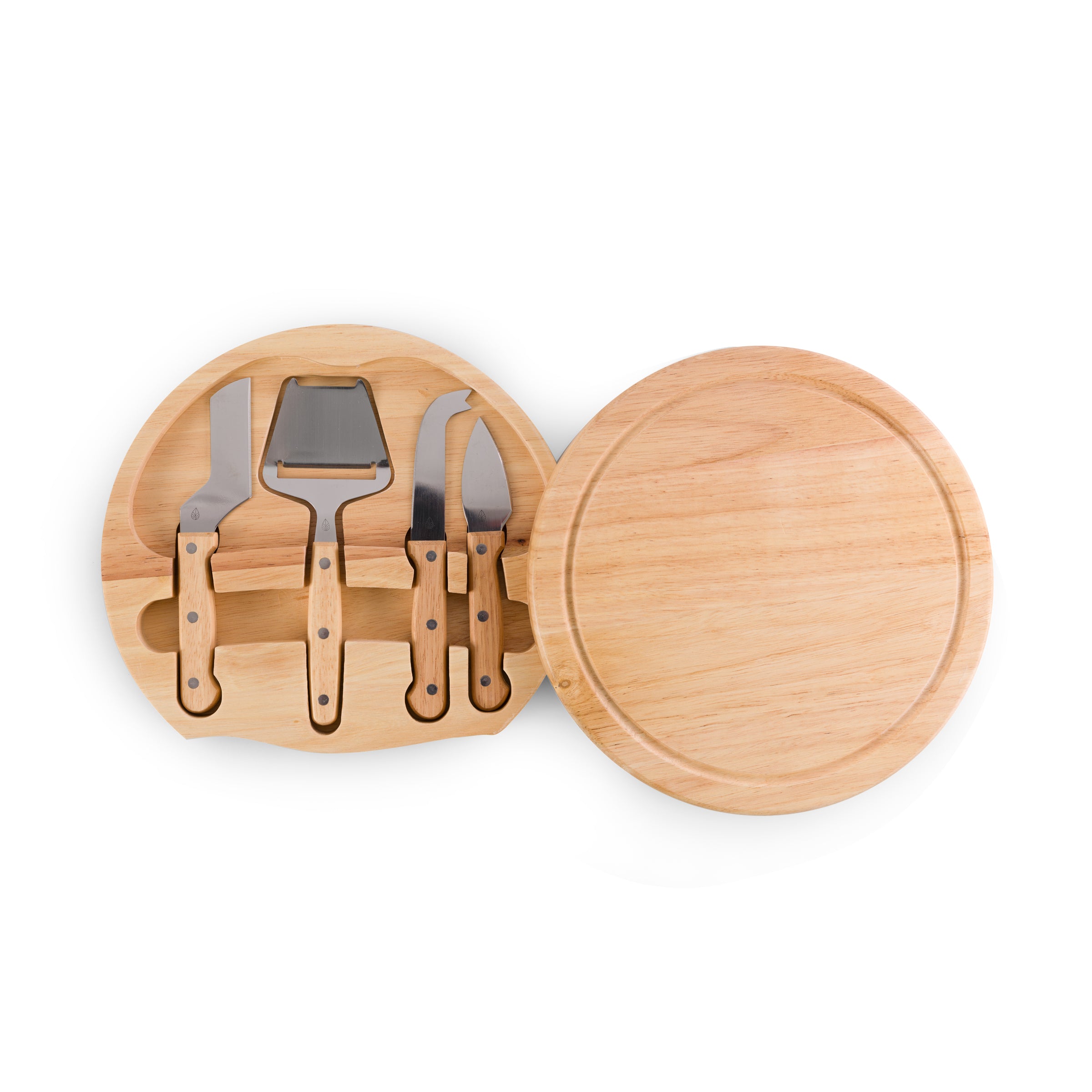
Cheese knives come in various shapes and sizes, each designed for specific types of cheese. The cheese plane is great for hard cheeses like Parmesan, slicing thin layers effortlessly. A soft cheese knife, with its wide blade and holes, prevents sticky cheeses like Brie from clinging to the knife. Then there’s the cleaver-style knife, perfect for cutting through semi-hard cheeses such as Gouda. Each knife has its unique purpose, ensuring your cheese looks as good as it tastes.
Selecting The Appropriate Tool For Each Cheese
Knowing which tool to use for each cheese can enhance your culinary experience. Consider the texture of the cheese—hard, soft, or crumbly. Hard cheeses need robust tools like a cheese plane, while soft cheeses benefit from knives with perforated blades. For crumbly cheeses like blue cheese, a fork-tipped knife helps break pieces cleanly. Next time you prepare a cheese platter, think about the cheese’s texture and select your tool accordingly.
Ever wondered why some cheese slices look perfect while others crumble apart? The secret lies in using the correct tool. Experimenting with different knives can transform your cheese presentation. Have you tried using a wire cutter for your delicate cheeses? It might surprise you with how smooth the cuts turn out.
Choosing the right tool is not just about functionality but also about enjoying the process. Trying different tools can become an enjoyable part of your cheese experience. What’s your favorite cheese, and have you found the perfect tool for it yet?
Essential Cheese Cutting Techniques
Cheese cutting is an art that can enhance your culinary experience. Using the right tools can make all the difference. From soft brie to hard cheddar, each cheese has its own cutting technique. Knowing these techniques can make your cheese platter more appealing. It can also preserve the flavors and textures of each cheese. Here are some essential techniques for cutting cheese.
Slicing Soft Cheeses
Soft cheeses like brie or camembert need gentle handling. Use a wire cutter or a thin blade. These tools prevent sticking and preserve the cheese’s shape. Cut slowly and evenly. This ensures clean slices without crushing the cheese.
Handling Hard Cheeses
Hard cheeses like parmesan require more force. Use a sturdy cheese knife or a cleaver. These tools help break through tough rinds. Apply firm pressure for smooth cuts. This technique keeps the cheese intact and visually appealing.
Creating Perfect Cheese Cubes
Cheese cubes are great for snacking. Start with a block of cheese. Use a sharp knife for even cubes. Cut the cheese into strips first. Then slice the strips into cubes. This method is simple and quick. It creates uniform pieces that are easy to serve.
Caring For Your Cheese Tools
Caring for your cheese tools ensures they last longer. Proper maintenance keeps them in top condition. Well-maintained tools improve your cheese-cutting experience. They also help preserve the flavors of your cheese. Let’s explore effective ways to care for your cheese tools.
Cleaning And Maintenance Tips
Clean your cheese tools after each use. Use warm water and mild soap. Avoid abrasive materials that can damage the surface. Dry thoroughly to prevent rust and stains. Regular cleaning keeps your tools hygienic. Check for any loose parts or wear. Tighten screws and sharpen blades if needed.
Storage Solutions
Store cheese tools in a dry place. Use a protective case or pouch. This prevents dust and moisture from affecting them. Keep them separate from other kitchen utensils. This avoids scratches and dents. Arrange tools neatly to avoid damage. Proper storage extends their lifespan and maintains their quality.

Credit: www.amazon.com
Enhancing Presentation With Cheese Tools
Cheese tools can elevate your cheese presentation. They make your platter visually appealing. Using the right tools helps create a stunning display. Impress your guests with beautifully arranged cheese.
Explore how cheese tools can enhance your presentation. Learn to arrange cheese and create decorative cuts. These tips will make your cheese platter a masterpiece.
Arranging Cheese On A Platter
Start by selecting a variety of cheeses. Choose different textures and flavors. Arrange them in a balanced way on the platter. Keep colors and shapes in mind for harmony.
Place larger wedges first. Use them as focal points. Fill gaps with smaller pieces. This creates a full and inviting look.
Include accompaniments like nuts and fruits. They add texture and color. Use small bowls for olives or spreads. This keeps the platter neat and organized.
Using Tools For Decorative Cuts
Decorative cuts make cheese more appealing. Use a cheese wire or knife for clean slices. A cheese plane creates thin, elegant pieces.
Consider using a cheese grater. It adds texture to your platter. Try using a crinkle cutter for fun shapes. This adds visual interest and variety.
Experiment with different tools. They help create unique designs. Your guests will appreciate the effort.
Common Mistakes To Avoid
Cheese cutting can be an art form in itself, but there are common pitfalls that can make the experience less enjoyable. Knowing what mistakes to avoid can transform your cheese platter from ordinary to extraordinary. You might be surprised by how much the right tool and technique can enhance both the presentation and flavor. Let’s dive into some common mistakes people make when using cheese cutting tools.
Overusing A Single Tool
Many people rely on just one cheese knife for all types of cheese. This might seem convenient, but it can actually compromise your cheese’s texture and taste. Soft cheeses require a different tool than hard cheeses to maintain their structure and flavor. Using the same knife can result in squashed brie or crumbly cheddar.
Imagine cutting a soft cheese with a hard knife and ending up with a gooey mess. Each cheese deserves its dedicated tool. Think about investing in a set that includes a wire cutter, a hard cheese knife, and a soft cheese knife. This small change can make a big difference in your cheese presentation.
Improper Knife Handling
Knife handling might seem straightforward, but it’s easy to slip into bad habits. Holding the knife incorrectly can lead to uneven cuts and even accidents. Proper grip ensures smooth slicing and prevents the knife from slipping.
Have you ever noticed uneven slices when serving cheese? You might be gripping the knife too tightly or holding it at an incorrect angle. Try practicing with a few slices and adjusting your grip until you find the sweet spot. Remember, safety first—ensure your fingers are always away from the blade.
By paying attention to these details, you can avoid common cheese cutting mistakes and impress your guests with well-presented cheese platters. What mistakes have you made in the past, and how did you overcome them?
Credit: www.picnictime.com
Expert Tips For Cheese Enthusiasts
Discover the best ways to slice cheese with the right tools. Learn the difference between wire cutters and knives. Ensure each cut is perfect for enjoying various textures and flavors.
Are you a cheese enthusiast looking to elevate your cheese-tasting experience? You’re not alone. Many cheese lovers find themselves puzzled by the array of cheese cutting tools available. But fear not! With the right tips, you can transform your cheese platter from ordinary to extraordinary. Discover how to use your cheese tools effectively and impress your guests with your newfound skills.Pairing Tools With Cheese Varieties
Selecting the right tool for the cheese you’re serving can make a world of difference. Hard cheeses like Parmesan benefit from a sturdy cheese knife or a cheese plane. These tools help you achieve thin, even slices that melt in your mouth. For soft cheeses such as Brie or Camembert, a soft cheese knife with holes in the blade prevents sticking. The holes reduce surface area, allowing you to glide through the cheese effortlessly. Have you ever tried using a wire cutter for semi-soft cheeses like Gouda or Havarti? It ensures a clean cut without squashing the cheese. Matching your tools to the cheese variety enhances both presentation and flavor.Innovative Uses For Cheese Tools
Don’t let your cheese tools gather dust between gatherings. They can serve multiple purposes in the kitchen. A cheese plane, for instance, is perfect for shaving chocolate or creating vegetable ribbons for salads. Your wire cutter isn’t just for cheese. Try it on soft fruits like strawberries or kiwis for uniform slices. This adds a touch of elegance to any fruit platter. A cheese grater isn’t just limited to Parmesan. Use it to grate nutmeg or zest citrus fruits. This can add a burst of flavor to your dishes. Experiment with these tools beyond their traditional uses. You might discover a new favorite kitchen hack that saves you time and effort. Whether you’re hosting a wine and cheese night or simply enjoying a quiet evening at home, these tips will help you make the most of your cheese tools. Are you ready to impress your friends and family with your cheese cutting prowess? Grab your tools, and let the slicing begin!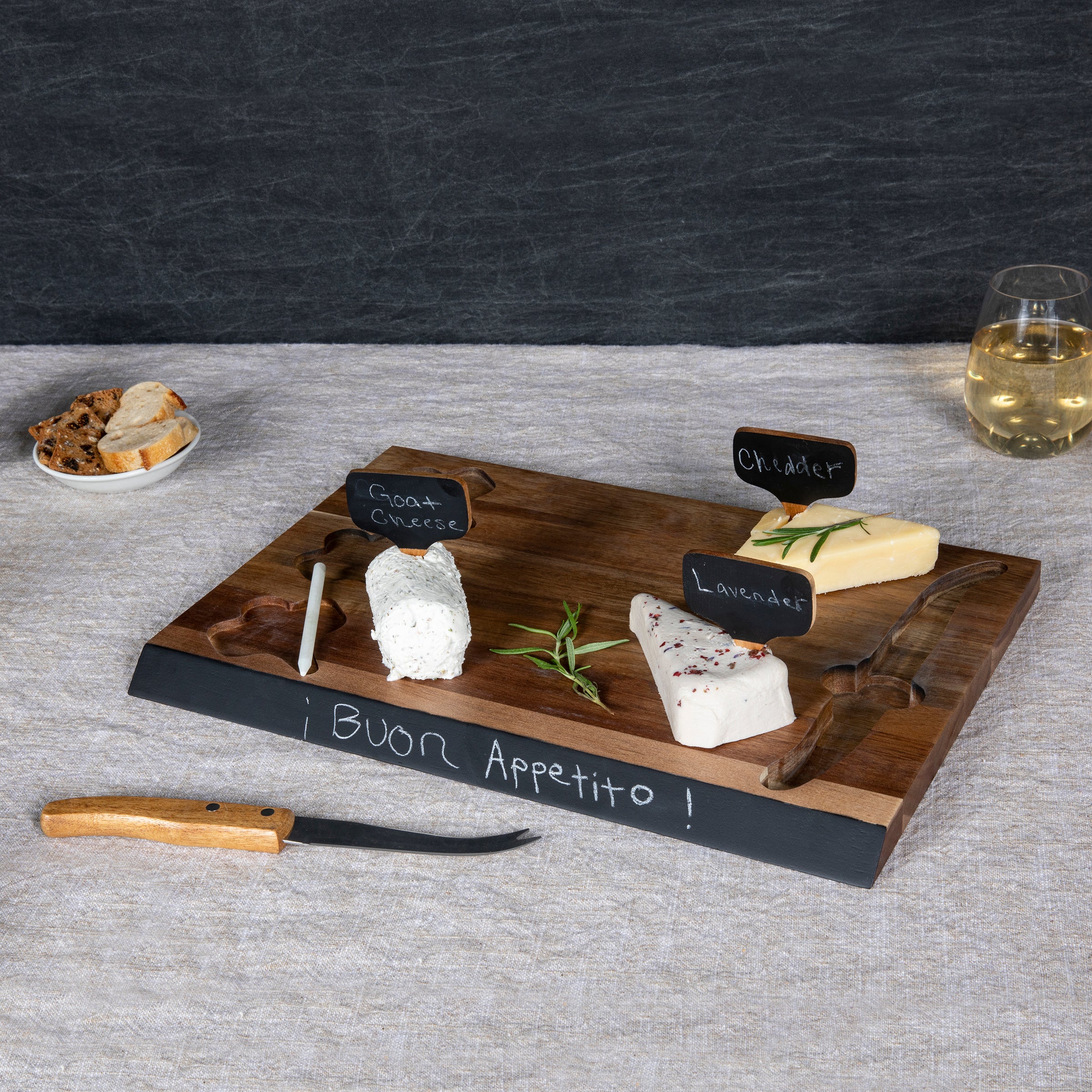
Credit: www.picnictime.com
Frequently Asked Questions
What Are The Spikes On A Cheese Knife For?
Spikes on a cheese knife help grip and serve cheese slices easily. They prevent cheese from sticking to the blade. This feature enhances presentation and ensures effortless serving, making it perfect for soft or crumbly cheeses. Enjoy a seamless cheese experience with a knife designed for precision and style.
What Are The Prongs On The End Of A Cheese Knife For?
The prongs on a cheese knife help in picking up and serving cheese slices. They prevent direct contact with fingers, ensuring hygiene. Use them to easily transfer cheese from the cutting board to a plate or cracker without squishing or damaging the slice.
How Does A Cheese Cutter Work?
A cheese cutter uses a wire or blade to slice cheese smoothly. Apply pressure to glide through the cheese. Adjust thickness with the cutter’s settings. Ensure the cheese is chilled for clean cuts. Maintain the cutter for consistent performance. This tool simplifies cheese preparation for serving or cooking.
How To Use Cheese Grips?
Hold the cheese grip firmly. Press it against the cheese block. Slice by moving the grip smoothly across. Repeat for desired thickness. Clean after use to maintain hygiene.
Conclusion
Mastering cheese cutting tools enhances your kitchen experience. Enjoy smooth, precise cuts every time. Try different tools for different cheeses. Experiment and find your favorite cutting style. Impress your guests with neat cheese slices. Remember, practice makes perfect. Keep tools clean for best results.
Sharpen blades regularly for easy cutting. Proper storage extends tool life. Invest time in learning techniques. Your cheese platter will look stunning. Share your new skills with friends. Elevate your cheese experience with these tips. Happy cheese cutting!

I’m Abby Lu, a passionate home cook who loves simplifying everyday meals. At PlugChef.com, I share product reviews and cooking guides to help you find the best tools for your kitchen.
Related posts:
 What Type of Cooking Utensils are Safe: Expert Picks
 What Innovations Could Blenders Make: Unleashing Future Tech
 Smart Strategies to Organize a Small Kitchen: Maximize Space
 How to Organize a Kitchen Cabinet: Expert Tips & Tricks
 How to Organize Kitchen Drawers: Expert Tips and Tricks
 How to Organize a Corner Kitchen Cupboard: Expert Tips

