
Picture this: You’re hosting a gathering at home, and you’ve decided to impress your guests with a stunning cheese board. The cheese is perfectly aged, the fruits are fresh, and the nuts are crunchy.
But there’s a catch. How do you use all those cheese board tools to ensure everything is beautifully presented and easy to enjoy? You might wonder if you’re using the right knife for that creamy Brie or if you’re missing a trick with the fork-tipped spear.
It can be overwhelming, but mastering these tools is simpler than you think. Imagine the satisfaction of seeing your guests delight in a perfectly curated cheese board, with every slice and spread done effortlessly. This article will guide you step-by-step on how to use each cheese board tool effectively. You’ll learn tips that make serving cheese an art form, and by the end, you’ll feel like a cheese board aficionado. Ready to transform your cheese board game? Let’s dive in and uncover the secrets to using cheese board tools like a pro.
Choosing The Right Cheese Board
Choosing the right cheese board can elevate your entire cheese-tasting experience. It’s not just about aesthetics but also functionality. A well-chosen board enhances the presentation and makes it easier to serve and enjoy a variety of cheeses.
Material Options
Material plays a significant role in how your cheese board will perform. Wooden boards, like bamboo or acacia, offer a rustic charm and are gentle on knives. Slate boards provide a sleek, modern look and allow you to write cheese names with chalk.
Marble boards are perfect for keeping cheese cool, making them ideal for soft cheeses. Consider how each material complements your serving style and kitchen decor. What material speaks to your sense of style?
Size And Shape Considerations
The size and shape of your cheese board can affect both presentation and function. A larger board allows for more variety, perfect for entertaining guests. However, a smaller board might be ideal for intimate settings or when space is limited.
Rectangular boards are classic and can accommodate a variety of cheeses and accompaniments. Round boards offer a more unique presentation but might limit the layout. Think about how many people you usually serve and the types of cheeses you prefer.
Once, I chose a small round board, thinking it would add character. But I found myself struggling to fit all my favorite cheeses. This taught me the importance of matching board size to the occasion. Have you ever had a similar cheese board revelation?
Essential Cheese Board Tools
Creating a cheese board is an art that delights the senses and brings people together. To craft the perfect cheese board, you need the right tools to enhance both the presentation and the experience of enjoying different cheeses. Whether you’re hosting a party or enjoying a quiet evening at home, understanding the essential cheese board tools can make all the difference. Imagine the satisfaction of slicing through a creamy Brie with ease, or the joy of spreading a tangy goat cheese across a crisp cracker. Let’s dive into the essential tools that can elevate your cheese board game.
Cheese Knives
Cheese knives come in various shapes and sizes, each designed for specific types of cheese. A soft cheese knife with a narrow blade works wonders with creamy cheeses. Hard cheese knives, often with a sharp edge, are perfect for firm cheeses like Cheddar. Have you ever tried cutting a cheese with the wrong knife? It can be frustrating and messy. Picking the right knife not only enhances the presentation but also preserves the cheese’s texture.
Cheese Forks
Cheese forks are not just fancy additions; they’re practical tools that help serve cheese elegantly. They allow you to hold a block of cheese steady while slicing it. Ever struggled with a runaway piece of cheese? A cheese fork makes serving easier and more precise. Consider how much smoother your cheese board setup will be when each slice is perfect.
Cheese Markers
Cheese markers are a thoughtful touch that guides your guests through the cheese tasting journey. They identify each cheese without interrupting the flow of conversation. Picture this: your guests are curious about a unique cheese on the board. Cheese markers provide the answers without you having to play the role of a cheese expert. It’s a simple tool that adds sophistication to your presentation.
Cheese Spreaders
Cheese spreaders are essential for soft cheeses and spreads. They ensure a smooth and even application, making each bite delightful. Have you ever tried spreading cheese with a knife that wasn’t meant for it? It can lead to uneven spreads and wasted cheese. Cheese spreaders are designed to glide through soft textures effortlessly, allowing for a perfect spread every time.
Think about how these tools can transform your cheese board experience. Are you ready to impress your guests and enjoy a hassle-free cheese tasting session? Investing in the right tools is a small step that yields big rewards, turning your cheese board into a culinary masterpiece.
Knife Types And Their Uses
Cheese boards are a delightful addition to any gathering. Using the right tools enhances the experience. Knives play a key role in serving cheese. Each type of knife has a specific use. Understanding these can improve your cheese presentation.
Soft Cheese Knives
Soft cheese knives are essential for creamy cheeses. They have a thin blade. This design helps cut without sticking. Their holes reduce friction. This keeps cheese from clinging to the blade. Ideal for brie or camembert.
Hard Cheese Knives
Hard cheese knives are robust. They have a sturdy, sharp blade. This allows them to slice through dense cheeses. A thick handle provides grip. Perfect for cheddar or parmesan. Their design enables easy cutting.
Crumbly Cheese Knives
Crumbly cheese knives have a unique shape. The pointed tip helps break cheese. They are perfect for blue cheese or feta. The blade is often wide. This helps lift cheese pieces easily. Their design prevents crushing.

Credit: us.emiliafood.love
Arranging Cheese On The Board
Cheese board tools enhance the presentation and experience of arranging cheeses. Use a slicer for even cuts. A spreader works well for soft cheeses. Tongs help position cheeses neatly.
Arranging cheese on a board is both an art and a science. The way you place cheese can enhance its appeal and taste. A well-arranged board invites guests to explore flavors. It also makes the cheese easier to cut and serve. The right arrangement highlights each cheese’s unique qualities. Let’s delve into some strategies to make your cheese board look inviting and delicious.Placement Strategies
Start with the largest cheeses. Place them on opposite corners. This creates balance and draws the eye. Next, add medium-sized cheeses. Position them near the larger pieces. They should not touch but be close enough to complement. Finally, fill in with smaller cheeses. These can be placed in between or around the larger ones. Ensure there’s enough space for cutting. This prevents crowding and keeps the board neat.Pairing With Accompaniments
Cheese pairs well with various accompaniments. Add fruits like grapes, figs, or apple slices. They provide a sweet contrast to savory cheeses. Nuts like almonds or walnuts add a crunchy texture. Place them in small clusters around the cheeses. Include a variety of crackers or breadsticks. They should be placed on the edges of the board. This makes them easy to grab. Consider adding a small dish of honey or jam. These can enhance the flavor profile of many cheeses.Serving Cheese With Flair
Creating a memorable cheese board experience involves more than just selecting cheeses. It’s about serving them with flair. Using the right tools, you can elevate your presentation. Impress your guests with thoughtful arrangements. The key lies in the details. From perfect temperatures to creative displays, every element counts.
Temperature Tips
Cheese tastes best at room temperature. Remove from the fridge 30 minutes before serving. This allows flavors to develop fully. Soft cheeses need less time than hard ones. Use a cheese dome to maintain freshness. Avoid direct sunlight during preparation. A cool room helps preserve taste.
Presentation Techniques
Arrange cheeses by type and flavor. Start with mild, end with strong. Use different shapes for variety. Cubes, wedges, and slices add visual appeal. Pair with fruits, nuts, and crackers. Balance colors for an inviting look. Use small bowls for dips and spreads. Write labels for each cheese. This helps guests choose confidently. Consider using a rustic board or slate. Both add charm to your presentation.
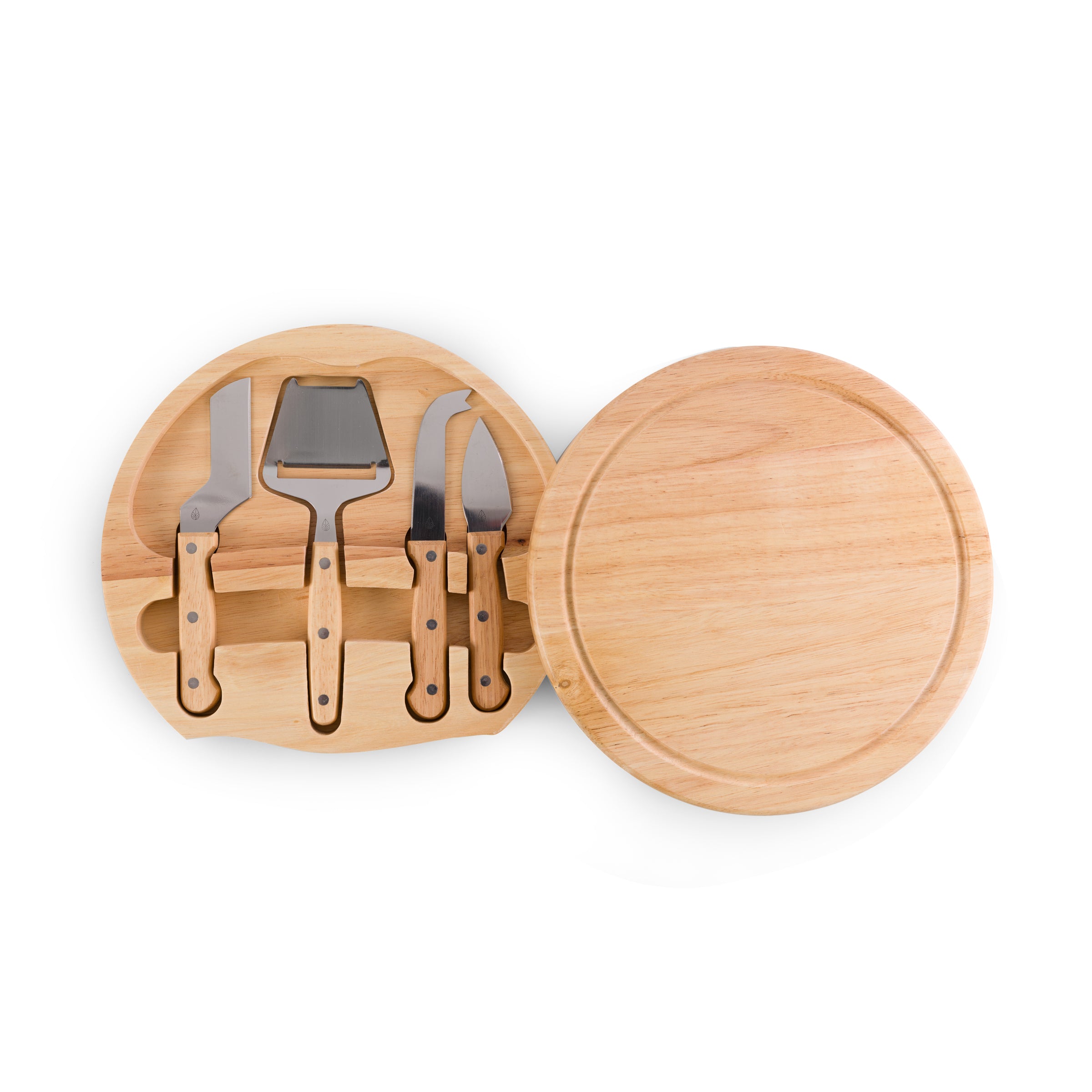
Credit: www.picnictime.com
Maintaining Your Cheese Tools
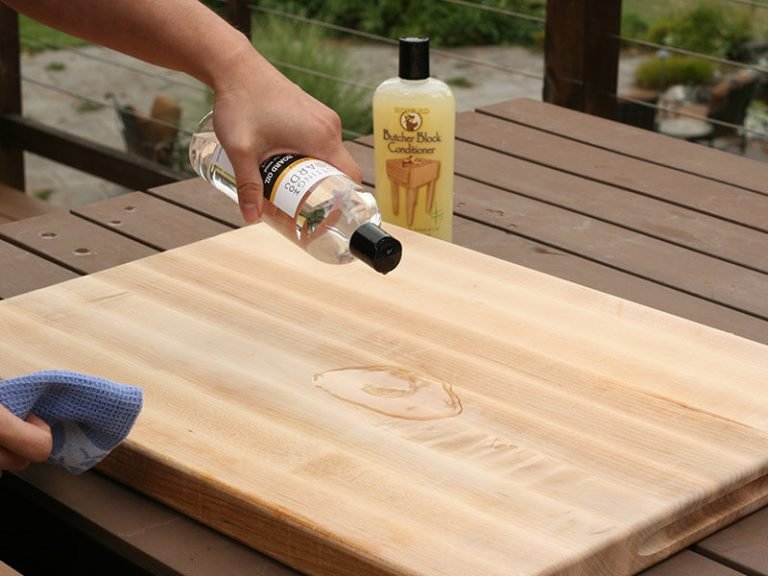
Proper care of cheese board tools ensures their longevity and functionality. Regular cleaning with warm soapy water prevents residue build-up. Dry thoroughly to avoid rust. For wooden tools, apply food-grade mineral oil to maintain their quality and appearance. Store in a dry place to keep them in optimal condition.
Maintaining your cheese tools is essential if you want to enjoy the perfect cheese platter every time. Neglecting them can lead to dull blades, unsightly stains, and even unpleasant odors. Taking care of your cheese tools not only ensures they perform well but also extends their lifespan. You wouldn’t want to serve your guests with tools that aren’t in their best shape, would you?Cleaning And Storage
Cleaning your cheese tools after each use is crucial. Warm water and mild dish soap will usually do the trick. Avoid using harsh chemicals that might leave residues. Dry them thoroughly to prevent rust. A simple wipe with a dry cloth is often enough. Store them in a dry, cool place to keep them in optimal condition. Consider investing in a cheese tool organizer. It keeps everything in one place and prevents knives from getting dull by rubbing against other utensils.Sharpening Tips
A sharp cheese knife is essential for clean, precise cuts. Use a sharpening stone or a knife sharpener specifically designed for cheese knives. Sharpen your tools periodically, depending on how often you use them. Even if you only use them occasionally, a quick sharpening every few months is a good practice. Test the sharpness on a piece of paper. If it slices smoothly, you’re good to go. If not, it’s time for another round of sharpening. Have you ever tried cutting a hard cheese with a dull knife? Not fun. Keep your tools sharp for a seamless cheese-tasting experience. Maintaining your cheese tools isn’t just about the tools themselves. It’s about enhancing your cheese experience and sharing that joy with others. So, the next time you host a cheese night, you can focus on the flavors, not the frustrations.Expert Tips For Cheese Enthusiasts
Cheese enthusiasts know the joy of crafting a perfect cheese board. Using the right tools can elevate this experience. From enhancing flavor profiles to creative board designs, there are many ways to impress guests. Let’s dive into some expert tips that will make your cheese board memorable.
Enhancing Flavor Profiles
Pairing cheese with the right tools improves taste. Start with a good cheese knife. It lets you cut clean slices. This keeps flavors intact. Use a soft cheese knife for brie or camembert. Its wide blade prevents sticking. Hard cheeses need a sharp knife. It gives you precise cuts.
Cheese planes are handy too. They are perfect for semi-hard cheeses. They create thin, even slices. This brings out the cheese’s true flavor. Don’t forget the cheese fork. It helps serve without touching the cheese. This keeps it clean and fresh.
Creative Board Designs
A cheese board is not just about taste. It should also look appealing. Use different shapes and sizes of cheese. This adds visual interest. Add fruits, nuts, and crackers for color and texture. Arrange them in groups for a neat look.
Consider the board material. Wood gives a rustic feel. Slate offers a modern touch. Write the names of cheeses on slate with chalk. This adds a personal touch. Use small bowls for dips and spreads. It keeps the board tidy and organized.

Credit: www.amazon.com
Frequently Asked Questions
Which Cheese Knives Go With Which Cheeses?
Soft cheeses need a spreader or fork-tipped knife. Semi-soft cheeses use a thin blade. Hard cheeses require a cleaver or parmesan knife. Use a plane for semi-hard cheeses. Each knife optimizes the cheese-cutting experience.
How To Use A Cheese Slicer Board?
Place cheese on the board and hold it steady. Slide the slicer firmly across the cheese surface. Adjust pressure for desired thickness. Clean the slicer after use to maintain hygiene. Store the board in a cool, dry place to preserve its quality.
How To Use Cheese Grips?
Grip the cheese firmly with the cheese grips. Use the tool to slice or serve cheese. Ensure the grips are clean before use to maintain hygiene. Store grips in a dry place after use to extend their lifespan.
What Are The Prongs On The End Of A Cheese Knife For?
The prongs on a cheese knife are designed to pick up cheese slices easily. They help serve the cheese without using fingers, ensuring cleanliness and efficiency. These prongs are especially useful for soft and crumbly cheeses, providing a neat presentation.
Conclusion
Using cheese board tools is simple with practice. Start with basic tools. Experiment with different cheeses. Try various cutting techniques. Arrange cheese attractively. Pair with fruits and nuts. Create a balanced presentation. Invite friends to taste. Share your creations. Enjoy the flavors.
Cheese boards are social and fun. Impress guests with your skills. Keep learning new tricks. Explore diverse cheeses. Let creativity guide you. Make each board unique. Feel proud of your craft. Cheese boards bring joy. Savor every moment. Celebrate good food.
Make memories with loved ones.

I’m Abby Lu, a passionate home cook who loves simplifying everyday meals. At PlugChef.com, I share product reviews and cooking guides to help you find the best tools for your kitchen.
Related posts:
 What Type of Cooking Utensils are Safe: Expert Picks
 What Innovations Could Blenders Make: Unleashing Future Tech
 Smart Strategies to Organize a Small Kitchen: Maximize Space
 How to Organize a Kitchen Cabinet: Expert Tips & Tricks
 How to Organize Kitchen Drawers: Expert Tips and Tricks
 How to Organize a Corner Kitchen Cupboard: Expert Tips