
Picture this: You’re in the kitchen, ready to whip up a delicious meal, but you’re stuck wondering how to tackle the simplest of tasks—draining your pasta or rinsing your fresh produce. You’re not alone!
Many people overlook the power of a trusty kitchen tool: the colander. But what if I told you that mastering the art of using a colander could transform your cooking experience? Imagine effortlessly draining, rinsing, and even steaming like a pro, all by understanding how to properly wield this everyday kitchen gadget.
Dive into this guide, and discover how a simple colander can become your secret weapon for culinary success. Don’t miss out on the tips that could make your kitchen endeavors easier and more efficient. Your cooking routine is about to change for the better—let’s get started!

Credit: nypost.com
Choosing The Right Colander
Choosing the right colander can transform your cooking experience. Imagine the ease of perfectly drained pasta or freshly washed salad greens. But with so many options available, how do you decide which colander suits your kitchen needs? Let’s explore the factors that can help you make the best choice.
Material Types
Colanders come in various materials, each with unique benefits. Stainless steel is robust and resists rust, making it ideal for frequent use. It’s the choice for those who value durability and don’t mind a bit of extra weight.
Plastic colanders are lightweight and often colorful, adding a fun touch to your kitchen. They’re great for quick tasks like rinsing berries. Consider how often you’ll use your colander and what you’ll be using it for.
Do you need something versatile? Silicone colanders are flexible and can be collapsed for storage. They’re perfect for small kitchens where space is a premium. Think about the space you have and how you want to store your kitchen tools.
Size And Shape Considerations
Size matters when choosing a colander. If you cook for a large family or host dinner parties, a bigger colander will save you time. But if you’re just cooking for yourself, a smaller one might be more convenient.
Shape can also impact your choice. Round colanders are standard, but you might prefer a square or oval one for specific tasks. Do you find yourself juggling pots and pans? A colander with handles can make draining pasta easier and safer.
Think about your typical cooking routine. Are you often in a hurry? A colander with a stable base won’t tip over easily, giving you peace of mind. Consider what features will make your cooking smoother and more enjoyable.
Choosing the right colander isn’t just about picking the first one you see. It’s about finding a tool that complements your cooking style and enhances your kitchen efficiency. So, what will you prioritize when selecting your next colander?
Preparing Your Colander
Rinse the colander with warm water before use. Ensure it’s clean for draining pasta or washing vegetables. Position it securely in the sink to avoid spills.
Preparing Your Colander A colander is an essential kitchen tool, but its effectiveness depends on how you prepare it for use. Whether you’re draining pasta or rinsing vegetables, taking a few moments to prepare your colander can make all the difference. Let’s dive into the key steps of cleaning and positioning your colander for optimal performance.Cleaning Before Use
Before you start using your colander, ensure it’s clean. A quick rinse might not be enough if it’s been sitting in your cupboard for a while. You should wash it with warm, soapy water and a soft sponge. This removes any dust or leftover residue from previous use. Dry it thoroughly with a clean towel to prevent water spots. Have you ever noticed how a spotless colander makes your ingredients look fresh and inviting?Positioning For Stability
Next, consider where you’ll place your colander. Stability is crucial, especially when you’re pouring boiling water or handling heavy loads. Try positioning your colander inside a sink. The sink’s edges can provide support and catch any overflow. Alternatively, place it on a sturdy surface, like a countertop, with a towel underneath to prevent slipping. Imagine the peace of mind knowing your colander won’t tip over unexpectedly. Remember, a stable colander makes your cooking safer and more efficient. How often do you think about the placement of your kitchen tools? It might be time to give it a second thought.Proper Straining Techniques
Proper straining techniques can transform your cooking from average to outstanding. Using a colander effectively ensures that your ingredients are prepped correctly, enhancing your dishes’ flavor and texture. Whether you’re draining pasta or rinsing fruits, mastering these techniques can make a noticeable difference. Let’s dive into some specific methods you can use with a colander.
Draining Pasta And Rice
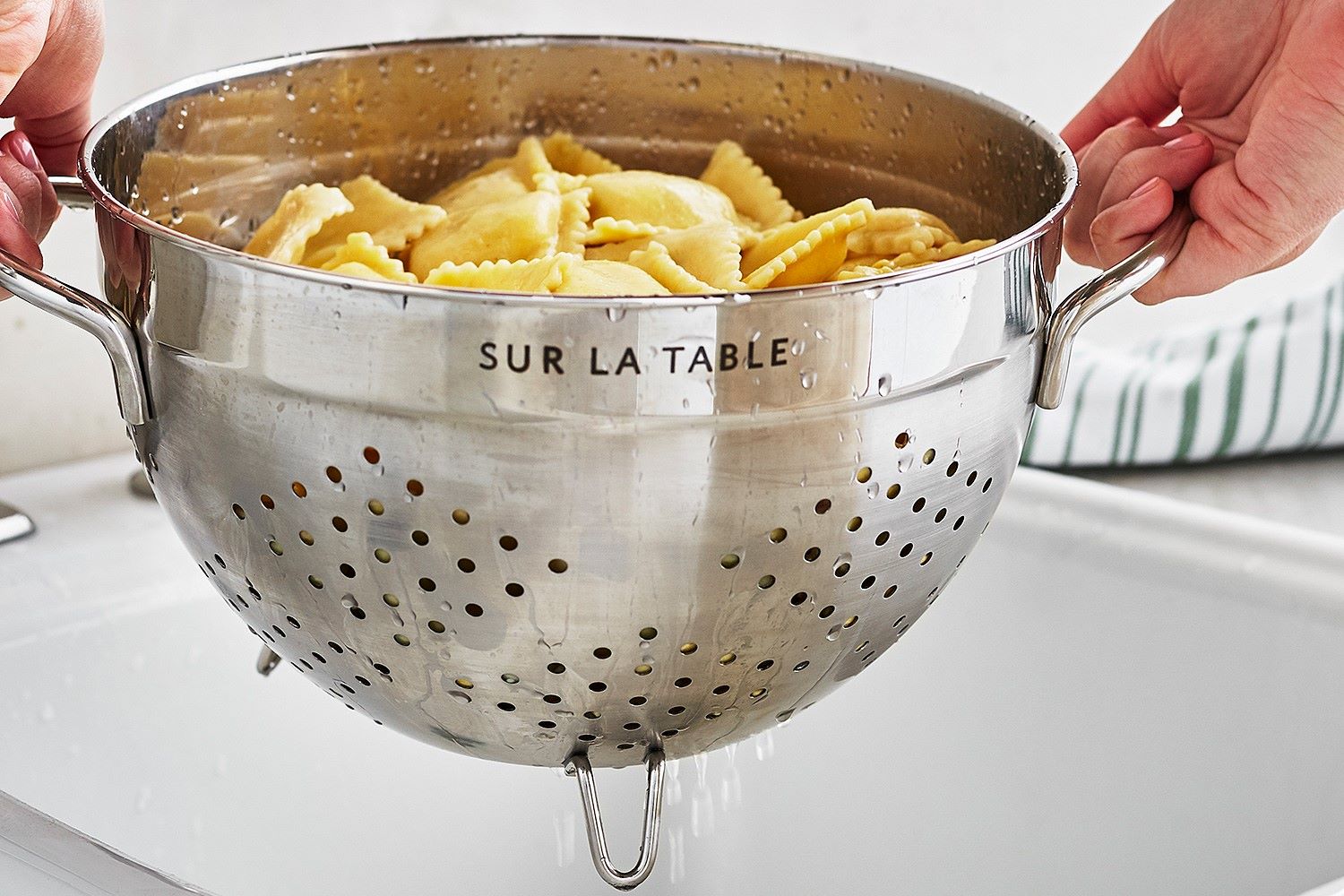
Draining pasta and rice might seem straightforward, but doing it right can elevate your dish. Once your pasta or rice is cooked, pour it into the colander over the sink. Shake the colander gently to ensure every bit of water is out. A personal tip: reserve some pasta water. It can be used later to adjust the sauce consistency or enhance flavors.
Ever wondered why your pasta sticks together? It’s because of the starch. Draining it thoroughly with a colander helps minimize this issue. If you’re concerned about losing flavor, don’t rinse the pasta unless specified by your recipe.
Rinsing Fruits And Vegetables
Rinsing fruits and vegetables is crucial for removing dirt and potential pesticides. Place your produce in the colander and run cold water over them. Use your hands to move them around, ensuring every piece is rinsed thoroughly.
Have you ever noticed a gritty texture in your lettuce? Proper rinsing can prevent this. Using a colander allows you to rinse each leaf effectively. It can also make washing berries less of a hassle; their delicate nature benefits from the gentle handling a colander provides.
Are you ready to enhance your cooking skills with these simple yet powerful techniques? Which method will you try first? Share your thoughts and experiences in the comments below!
Credit: learn.surlatable.com
Advanced Straining Tips
Using a colander can simplify kitchen tasks. Advanced straining techniques elevate your cooking. These tips enhance your culinary experience. Discover effective ways to strain broths and sauces. Learn safe methods for handling hot liquids. Improve your kitchen skills with these insights.
Using For Broth And Sauces
Strain broths for clear, flavorful results. Place the colander over a bowl. Pour the broth slowly. Solids stay behind, and liquid collects below. For sauces, use a fine mesh colander. This removes lumps and refines texture. A smooth sauce enhances any dish.
Handling Hot Liquids Safely
Safety is crucial with hot liquids. Use heat-resistant colanders. They withstand high temperatures. Grip handles with a towel. This prevents burns. Pour liquids steadily. Avoid splashing hot contents. Ensure a stable surface for the colander. This minimizes risks.
Maintenance And Care
A colander is essential for straining pasta and rinsing vegetables. Hold it firmly to prevent spills while draining. After use, clean promptly to avoid stains and odors.
Maintaining and caring for your colander is essential to ensure its longevity and functionality. A well-maintained colander not only serves you better but also makes cooking and cleaning a breeze. Let’s dive into some straightforward tips on cleaning and storing your colander so it’s always ready for action in your kitchen.Cleaning After Use
After using your colander, make it a habit to rinse it immediately. This prevents food particles from drying and sticking. Use warm, soapy water to wash away any residue and grease. If you notice stubborn bits clinging to the mesh, use a soft brush or sponge. Scrubbing gently can help without damaging the material. Avoid abrasive cleaners that might scratch or dull your colander’s surface. Every so often, give your colander a deep clean. A soak in vinegar and water can remove any lingering odors or stains. This ensures your colander is hygienic and ready for your next culinary adventure.Storing Your Colander
Once clean, dry your colander thoroughly. Leaving it damp can lead to rust or mold, especially if it’s made of metal. Use a towel or let it air dry to ensure it’s completely moisture-free. Consider the space in your kitchen. Is your colander stacked with other kitchenware? This can lead to scratches or dents. Store it in a dedicated spot where it’s easily accessible but safe from damage. Think about how you often use your colander. If you’re a pasta lover, you might want it within arm’s reach. A hook or a dedicated shelf can be perfect for keeping your colander handy and in pristine condition. Does your colander have any special care instructions? Some materials might need specific handling. Check for manufacturer tips to make sure you’re giving it the best care possible.Common Mistakes To Avoid
Rinsing ingredients with hot water in a colander can damage delicate foods like pasta. Avoid overfilling to prevent spills and ensure thorough draining. Always position the colander over a sink to catch water, keeping surfaces dry.
Using a colander might seem straightforward. Yet, many make simple mistakes. These can affect cooking results and safety. Understanding these errors helps improve kitchen skills. Let’s explore common mistakes and how to avoid them.Overfilling The Colander
Overfilling a colander creates problems. Water drains poorly. Pasta or vegetables stay soggy. This affects taste and texture. Overloading can also cause spills. Messy countertops are no fun. Always leave room for water to flow. Use a larger colander if needed. This ensures better drainage.Neglecting Regular Cleaning
A dirty colander can harbor bacteria. Regular cleaning prevents this. Rinse immediately after use. Food particles dry and stick otherwise. Use soap and a brush for thorough cleaning. Pay attention to holes and edges. They trap food bits easily. Dry completely before storing. Moisture encourages mold and odors. Clean colanders last longer and work better. `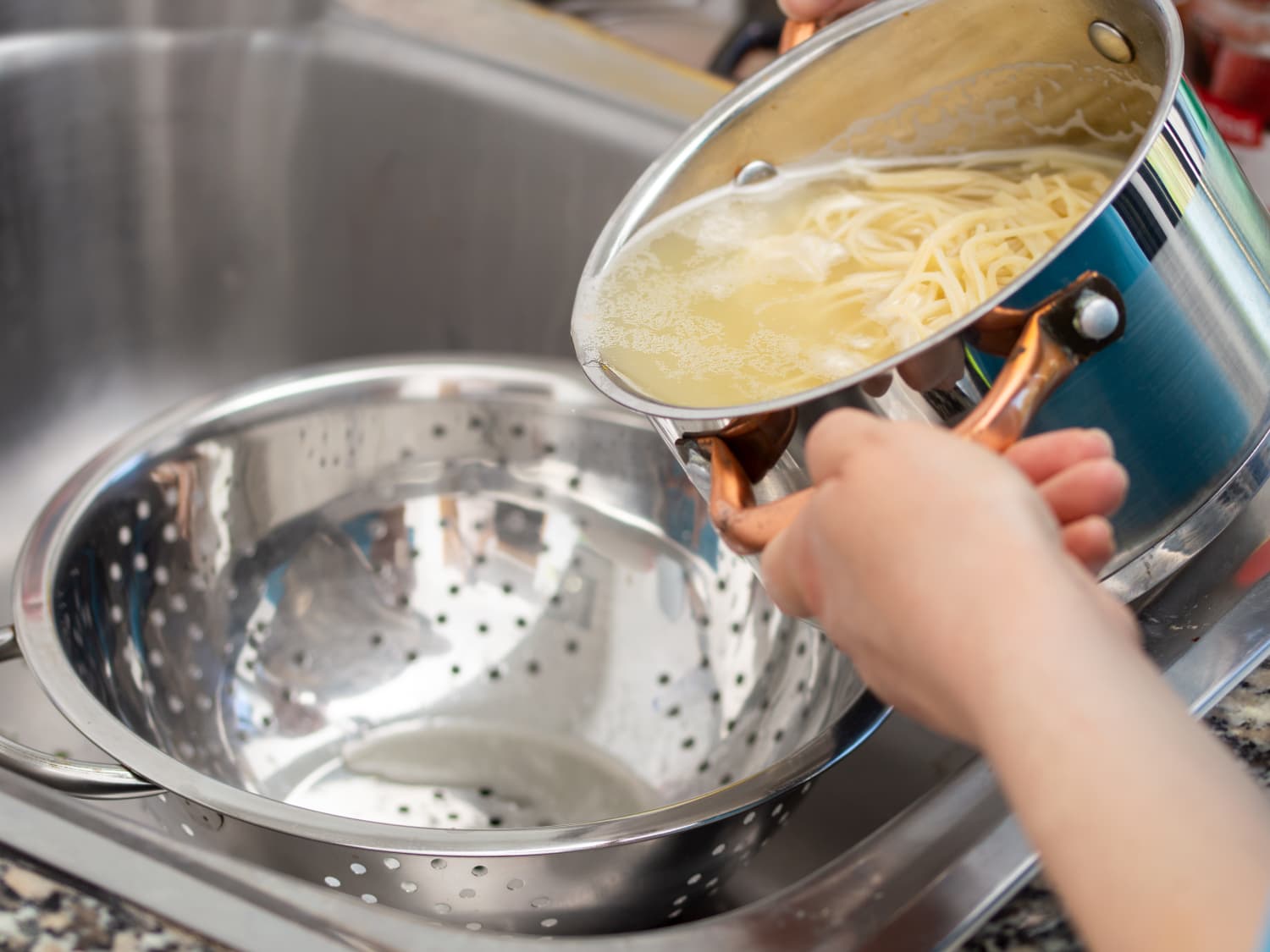
Credit: www.thekitchn.com
Frequently Asked Questions
How To Properly Use A Colander?
Use a colander to drain pasta or rinse vegetables under running water. Place it securely in the sink. Pour food into the colander slowly to avoid spills. Shake gently to ensure thorough drainage. Store it clean and dry after use for hygiene.
How To Drain Pasta In A Colander?
Place the colander in the sink. Pour cooked pasta into the colander. Let the water drain fully. Shake the colander gently to remove excess water. Ensure pasta is well-drained before serving.
What Is The Proper Way To Use A Strainer?
Rinse the strainer before use to remove any residue. Place it over a bowl or sink. Pour the liquid or ingredients slowly through it. Gently shake or tap to help the liquid pass through. Clean it immediately after use for longevity.
How Does A Colander Work?
A colander drains liquid from food using small holes. Place food inside and let water flow out. This kitchen tool is ideal for rinsing and straining pasta, vegetables, and fruits. Choose a colander with suitable hole size for your needs.
Its efficient design makes kitchen tasks easier.
Conclusion
Using a colander simplifies kitchen tasks. It strains pasta and washes vegetables. This tool is a kitchen staple. Its design helps drain water efficiently. Cleaning is easy, thanks to its simple structure. Stainless steel options resist rust. Plastic versions are lightweight.
Choose what suits your needs best. A colander saves time in food prep. It also reduces mess and stress. No more soggy food or wet counters. A well-chosen colander can last years. It’s a practical, valuable kitchen item. Use it often, and enjoy smoother cooking experiences.
Start practicing today for better meal preparation.

Hi, I’m Daniel Brooks—a food lover and kitchen gear enthusiast. I enjoy testing cookware, utensils, and gadgets to see what really works in everyday cooking. At PlugChef.com, I share honest reviews, comparisons, and simple guides to help you choose the best tools for a safer, smarter, and more enjoyable kitchen.
Related posts:
 What Type of Cooking Utensils are Safe: Expert Picks
 What Innovations Could Blenders Make: Unleashing Future Tech
 Smart Strategies to Organize a Small Kitchen: Maximize Space
 How to Organize a Kitchen Cabinet: Expert Tips & Tricks
 How to Organize Kitchen Drawers: Expert Tips and Tricks
 How to Organize a Corner Kitchen Cupboard: Expert Tips