
Imagine slicing your favorite vegetables on a cutting board that’s as beautiful as it is durable. Bamboo cutting boards are not only eco-friendly, but they also bring a touch of elegance to your kitchen.
But to keep them looking their best, you need to know how to treat them properly. Have you ever noticed your bamboo board looking dull or even cracked? You might be missing some crucial steps in its care routine. You’ll discover simple and effective methods to maintain the beauty and functionality of your bamboo cutting board.
By the end, you’ll have all the tips you need to ensure your board lasts for years, keeping your kitchen vibrant and your meals delicious. Don’t let your cutting board fall into disrepair—learn how to treat it right!
Benefits Of Bamboo Cutting Boards
Bamboo cutting boards are a popular choice in kitchens. They offer many benefits that make them stand out. Understanding these benefits can help you appreciate their value.
Durability
Bamboo is a strong material. It lasts longer than most wood. This makes bamboo cutting boards a durable choice.
Eco-friendly
Bamboo grows quickly. It’s a renewable resource. Using bamboo helps the environment.
Antibacterial Properties
Bamboo naturally fights bacteria. This keeps your kitchen safe. It’s a healthier choice for food preparation.
Lightweight
Bamboo cutting boards are light. They are easy to handle. This makes cooking more convenient.
Non-slip Surface
Bamboo boards have a stable surface. They don’t slip easily. This helps prevent accidents while chopping.
Stylish Appearance
Bamboo has a natural look. It adds beauty to your kitchen. Its stylish design makes it a favorite.
Initial Treatment Before Use
Purchasing a bamboo cutting board is a smart choice for your kitchen. Its natural durability and eco-friendly qualities make it a favorite among home cooks. But before you slice your first tomato, it’s crucial to treat your cutting board right. A proper initial treatment can enhance its lifespan and performance. Let’s dive into how to prepare your bamboo cutting board for its debut in your kitchen.
Cleaning The Surface
Start with a clean slate. Before using your bamboo cutting board, give it a gentle wash. Use warm water and mild dish soap. Avoid soaking it, as bamboo doesn’t like waterlogging. Instead, quickly rinse and wipe it dry with a clean towel.
Have you ever had a new cutting board smell strange? That’s why cleaning is crucial—it removes any lingering factory odors. Make sure you dry it thoroughly to prevent warping. Bamboo is tough, but it appreciates a little TLC.
Applying Mineral Oil
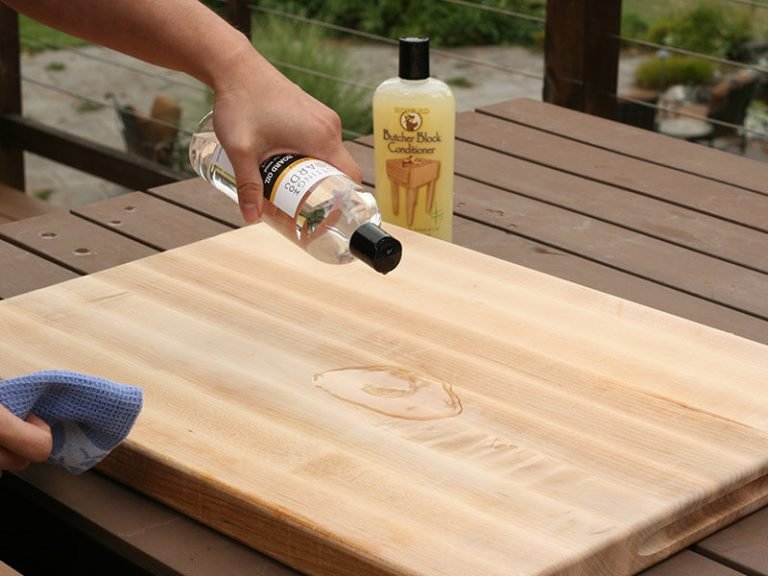
Once your board is clean, it’s time to apply mineral oil. This step is like giving your board a protective shield. Mineral oil helps repel water and keeps the bamboo from drying out. Pour a small amount onto the surface and rub it in with a clean cloth.
Wonder why mineral oil is recommended? It’s food-safe and doesn’t go rancid. Remember to let the oil soak for at least 15 minutes before wiping off any excess. This treatment nourishes the wood and enhances its natural beauty.
Did you know that regular oiling can prevent cracking? Once you start using your board, aim to reapply oil monthly. This simple routine will keep your bamboo cutting board in top shape, ready for countless culinary adventures.
Regular Maintenance Tips
Bamboo cutting boards need regular oiling to prevent cracking. Use food-safe mineral oil monthly for best results. Avoid soaking in water; it weakens bamboo fibers.
Maintaining a bamboo cutting board extends its life and keeps it hygienic. Proper care ensures it remains a reliable kitchen tool. Follow these regular maintenance tips to keep your board in top shape.Cleaning Techniques
Wash the bamboo cutting board with warm, soapy water. Use a soft sponge to prevent scratches. Rinse thoroughly to remove all soap residues. Dry the board immediately using a clean towel. Never soak it in water. This prevents warping and damage.Avoiding Harsh Chemicals
Steer clear of bleach and strong detergents. These can damage the bamboo fibers. Opt for natural cleaning solutions. White vinegar or lemon juice works well to sanitize. Apply with a cloth and rinse after a few minutes.Reapplying Oil
Oil the board regularly to maintain its luster. Use food-grade mineral oil for best results. Apply a generous amount and let it soak overnight. Wipe excess oil with a clean cloth. This prevents drying and splitting. Oiling also enhances the board’s natural beauty.
Credit: www.innoteck.co.uk
Preventing Damage
Bamboo cutting boards are durable and eco-friendly. They require proper care to maintain their beauty and functionality. Preventing damage is key to extending their lifespan.
Simple habits can keep your bamboo board in great shape. Avoid excessive moisture and prevent warping or cracking. These steps ensure your cutting board remains a kitchen staple.
Avoiding Excessive Moisture
Moisture can harm bamboo cutting boards. Water weakens their fibers, causing them to split over time. Use a dry cloth after washing to remove excess water.
Don’t soak your bamboo board in water. Quick rinses are best. Dry it immediately to prevent long-term damage. Store in a dry place to avoid humidity.
Preventing Warping And Cracking
Warping and cracking occur due to temperature changes. Keep your cutting board away from heat sources. Avoid placing it near stoves or ovens.
Avoid using the dishwasher. The heat can warp the bamboo. Hand wash with mild soap instead. This keeps the board intact and smooth.
Regularly oil your bamboo board. Use food-grade mineral oil. This maintains its moisture balance. It prevents cracks and warping.
Dealing With Stains And Odors
Bamboo cutting boards are a sustainable and stylish choice for your kitchen. However, they can sometimes fall victim to stubborn stains and lingering odors. Fear not! With a few easy steps, you can tackle these challenges effectively and keep your bamboo board looking and smelling fresh.
Natural Cleaning Solutions
Embrace the power of nature to clean your bamboo cutting board. You might be surprised how effective simple household ingredients can be. Mix equal parts of white vinegar and water in a spray bottle. Spritz this solution onto the board and let it sit for a few minutes.
Vinegar helps neutralize odors and breaks down stains without damaging the bamboo. If you prefer a citrusy scent, rub half a lemon over the board. This not only cleans but also leaves a fresh, pleasant aroma.
Ever tried baking soda? It’s a fantastic deodorizer. Sprinkle some on the board, add a few drops of water, and scrub gently. It works wonders for absorbing unwanted smells.
Removing Persistent Stains
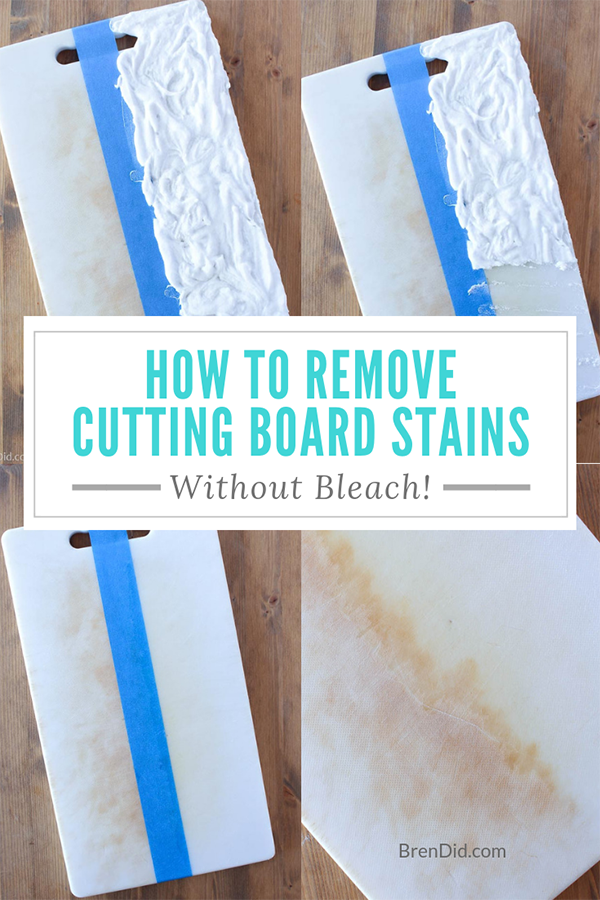
Stubborn stains can be a real nuisance. But don’t worry, there’s a trick for that. Create a paste using baking soda and water. Rub it onto the stain with a sponge and let it sit for about 10 minutes.
If the stain persists, consider using hydrogen peroxide. Dab a small amount onto a cloth and gently rub the stain. Be cautious not to overuse it, as it can lighten the bamboo.
Have you considered using a bit of sun power? Place the board in direct sunlight for a few hours. The sun’s natural bleaching properties can help fade tough stains.
Which method will you choose to rejuvenate your bamboo cutting board? Try these techniques and share your success stories. Your kitchen deserves a fresh start, one stain at a time!
Storage Recommendations
Storing your bamboo cutting board correctly extends its lifespan. Proper storage protects it from damage and keeps it hygienic. Follow these storage tips to ensure your board stays in good condition.
Proper Drying Methods
Always dry your bamboo cutting board immediately after washing. Use a clean towel to remove water. This prevents moisture from seeping in and causing warping. Then, stand the board upright. Allow air to circulate around it. This helps it dry completely.
Ideal Storage Conditions
Store your bamboo cutting board in a cool, dry place. Avoid placing it near heat sources like stoves. Heat can cause the board to crack. Ensure it’s stored vertically. This prevents moisture buildup and maintains its shape. Keep it away from direct sunlight. Sunlight can fade the bamboo over time.
Choosing The Right Oil
Selecting the best oil for your bamboo cutting board preserves its beauty and longevity. Mineral oil is a top choice. It keeps the board moisturized and prevents cracking. Regular application ensures a smooth, functional surface for food preparation.
Choosing the right oil for your bamboo cutting board is essential. It keeps the board looking fresh and prevents cracks. Proper oiling maintains the board’s durability and enhances its natural beauty. But how do you decide which oil is best? Understanding the types of oils and the frequency of application can help.Types Of Oils To Use
Mineral oil is the most popular choice for bamboo cutting boards. It’s food-safe and odorless. This oil penetrates the bamboo fibers, providing moisture. Another option is beeswax. It combines well with mineral oil for added protection. Coconut oil can also be used. Ensure it’s refined and food-grade. Avoid olive oil and vegetable oil. They can spoil and produce a rancid smell.Frequency Of Application
Oil your bamboo cutting board once a month. This keeps it in good condition. If your kitchen is humid, you may need to oil it more often. Dry climates require less frequent applications. Notice if the board looks dry or feels rough. This signals a need for oiling. Regular maintenance prolongs the board’s life and effectiveness.
Credit: www.deerandoak.co.uk
Common Mistakes To Avoid
Bamboo cutting boards are popular for their durability and eco-friendliness. But, treating them improperly can lead to damage. Avoid common mistakes to keep your bamboo cutting board in top condition. Let’s explore these pitfalls and learn how to steer clear of them.
Using The Dishwasher
Many believe dishwashers are convenient for cleaning bamboo boards. They’re not. The intense heat and moisture can warp or crack the bamboo. Hand wash with warm water and mild soap. Dry immediately to prevent water damage.
Ignoring Regular Maintenance
Neglecting maintenance can shorten your board’s lifespan. Bamboo requires regular oiling to stay hydrated. Use food-grade mineral oil every few weeks. It prevents drying and cracking, ensuring longevity.
Also, check for deep cuts or stains. Sand down rough spots gently. A little attention keeps your board looking new.

Credit: www.amazon.com
Frequently Asked Questions
What Is The Best Way To Seal A Bamboo Cutting Board?
Use food-grade mineral oil to seal a bamboo cutting board. Apply generously and let it soak overnight. Wipe off excess oil with a clean cloth. Regularly oil your board to maintain its condition and prevent drying or cracking.
Do Bamboo Cutting Boards Need To Be Oiled?
Yes, bamboo cutting boards need regular oiling. Use food-grade mineral oil to maintain their durability and prevent cracking. Oiling also enhances their appearance and extends their lifespan. Apply oil every month or when the board looks dry. This simple maintenance keeps your bamboo cutting board in great condition.
How Do I Maintain A Bamboo Cutting Board?
Clean your bamboo cutting board with warm, soapy water after each use. Dry immediately to prevent warping. Apply mineral oil monthly to maintain its moisture. Avoid soaking or placing in the dishwasher. Store in a dry area to prevent mold growth.
How To Treat Bamboo After Cutting?
Cut bamboo should be treated with a sealant or varnish to prevent splitting and rotting. Dry it thoroughly before treatment. Use sandpaper for smoothness, then apply a protective coating. Store in a cool, dry place to maintain quality. Proper treatment ensures bamboo’s longevity and durability.
Conclusion
Caring for your bamboo cutting board is simple. Clean it with mild soap. Dry it thoroughly after washing. Apply mineral oil monthly. This keeps the board strong and beautiful. Avoid soaking it in water. Water can damage bamboo. Store it in a dry place.
This prevents warping. Bamboo cutting boards offer durability and style. With proper care, they last for years. Protect your kitchen investment with these easy steps. Your bamboo board will stay in great condition. Enjoy using it for your cooking needs.
Keep your kitchen eco-friendly and efficient with bamboo.

Hi, I’m Daniel Brooks—a food lover and kitchen gear enthusiast. I enjoy testing cookware, utensils, and gadgets to see what really works in everyday cooking. At PlugChef.com, I share honest reviews, comparisons, and simple guides to help you choose the best tools for a safer, smarter, and more enjoyable kitchen.
Related posts:
 What Type of Cooking Utensils are Safe: Expert Picks
 What Innovations Could Blenders Make: Unleashing Future Tech
 Smart Strategies to Organize a Small Kitchen: Maximize Space
 How to Organize a Kitchen Cabinet: Expert Tips & Tricks
 How to Organize Kitchen Drawers: Expert Tips and Tricks
 How to Organize a Corner Kitchen Cupboard: Expert Tips