
Have you ever poured gravy over your meal, only to find it too thin and watery? It can be frustrating when your gravy doesn’t have that rich, perfect texture you’re aiming for.
But don’t worry—you can fix it quickly and easily. You’ll discover simple and effective ways to thicken watery gravy so it looks and tastes just right. Keep reading, and you’ll never have to settle for runny gravy again.
Common Causes Of Watery Gravy
Watery gravy can spoil a good meal. Understanding the common causes helps fix it fast. Many factors make gravy thin and runny. Some mistakes happen during preparation or cooking. Identifying these issues improves your gravy’s texture and taste.
Too Much Liquid
Adding too much broth, water, or drippings thins the gravy. The liquid to thickener ratio is key. Excess liquid dilutes flavors and reduces thickness. Measuring liquids carefully prevents watery gravy.
Insufficient Thickening Agents
Not using enough flour, cornstarch, or roux causes thin gravy. These agents absorb liquid and add body. Skipping or underestimating them leads to runny results. Use the right amount for desired thickness.
Incorrect Cooking Time
Cooking gravy too briefly stops it from thickening properly. Thickening agents need heat to activate. Overcooking can break down the thickener and thin the gravy again. Cook just long enough for the right consistency.
Basic Thickening Methods
Thickening watery gravy doesn’t have to be complicated. There are simple, reliable ways to give your gravy a smooth, rich texture that clings perfectly to your food. Understanding these basic thickening methods lets you fix runny gravy quickly, even if you’re in the middle of cooking.
Using Flour Or Cornstarch Slurry
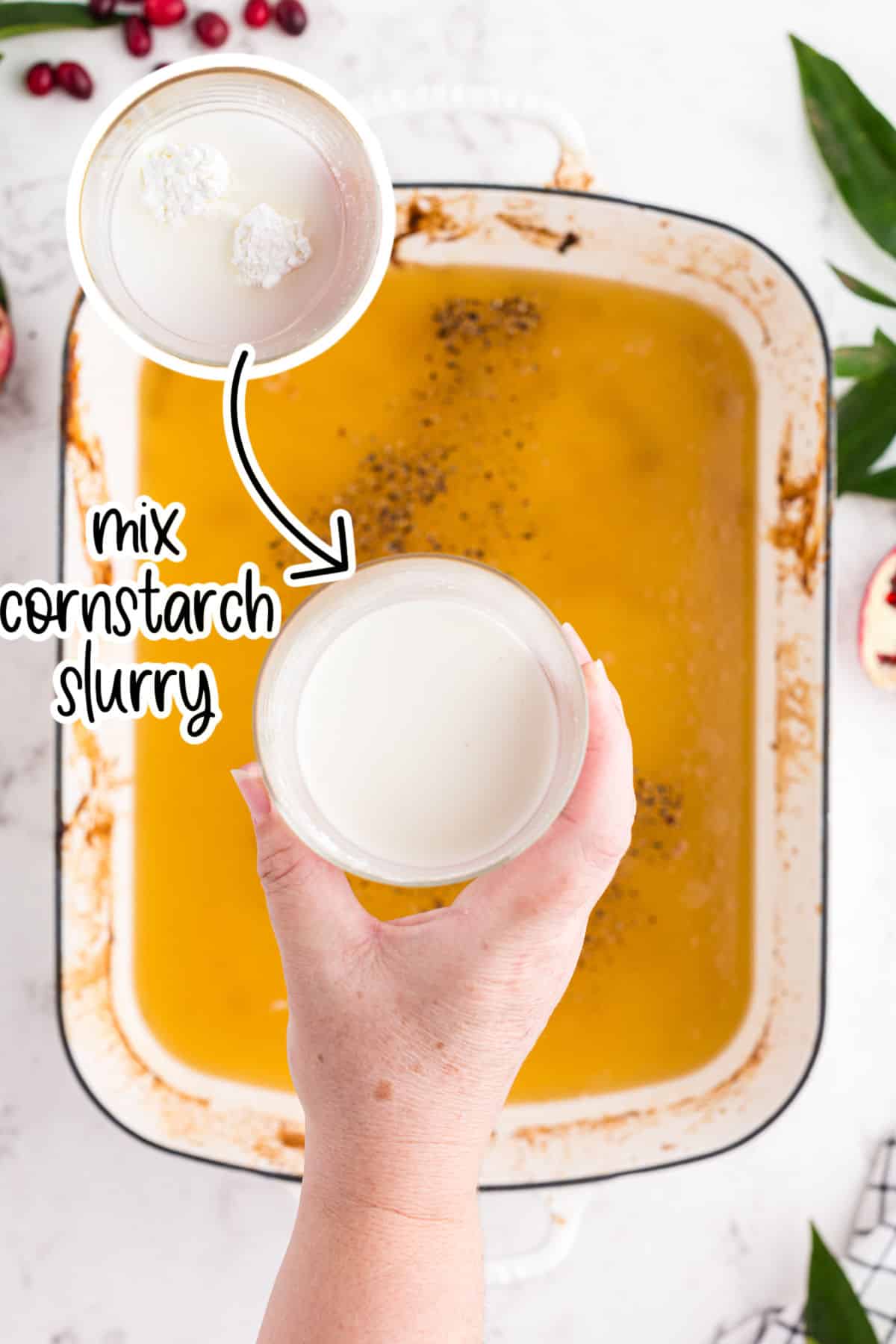
A flour or cornstarch slurry is a quick fix that many cooks rely on. Mix equal parts cold water and flour or cornstarch until smooth, then slowly whisk it into your simmering gravy. The heat activates the starch, thickening the liquid almost instantly.
Be careful not to add the slurry too quickly or the gravy might clump. Have you ever added flour directly to hot gravy and ended up with lumps? This method avoids that problem entirely.
Adding Roux
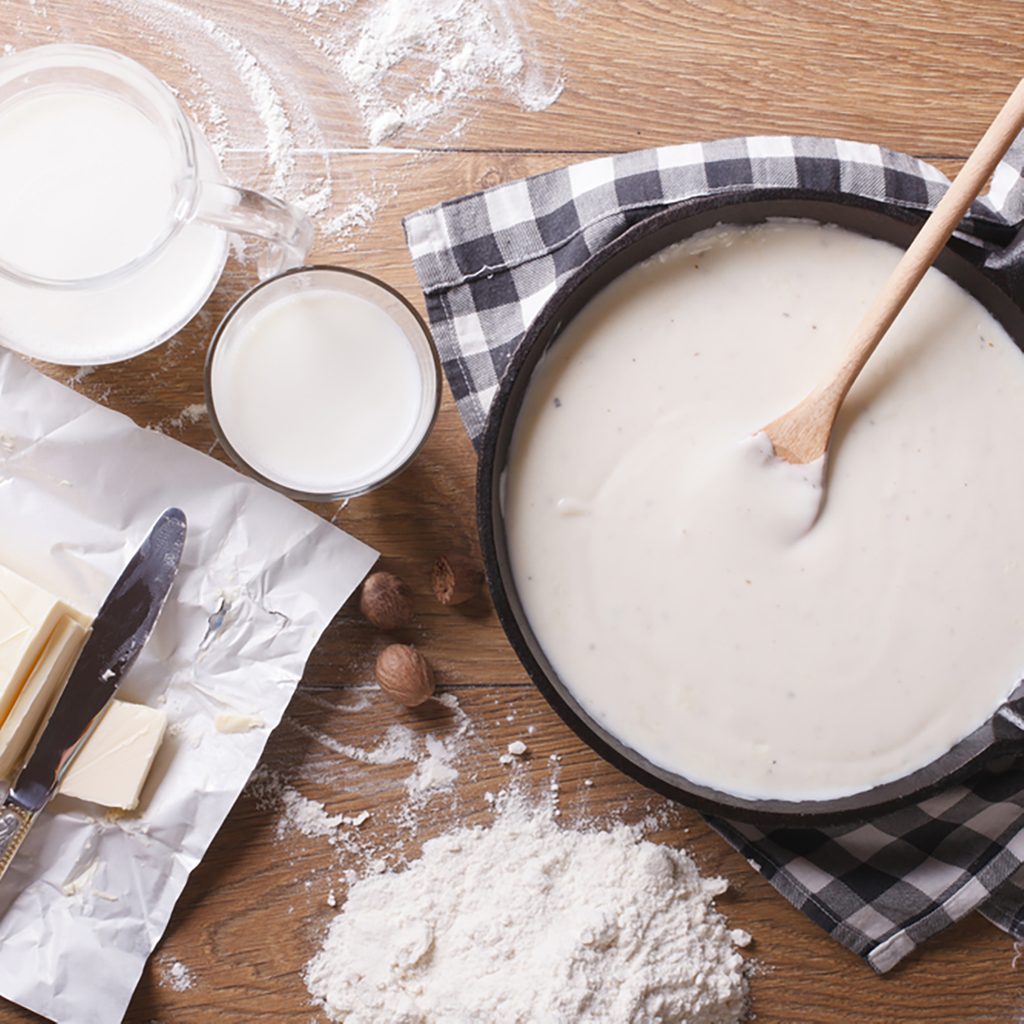
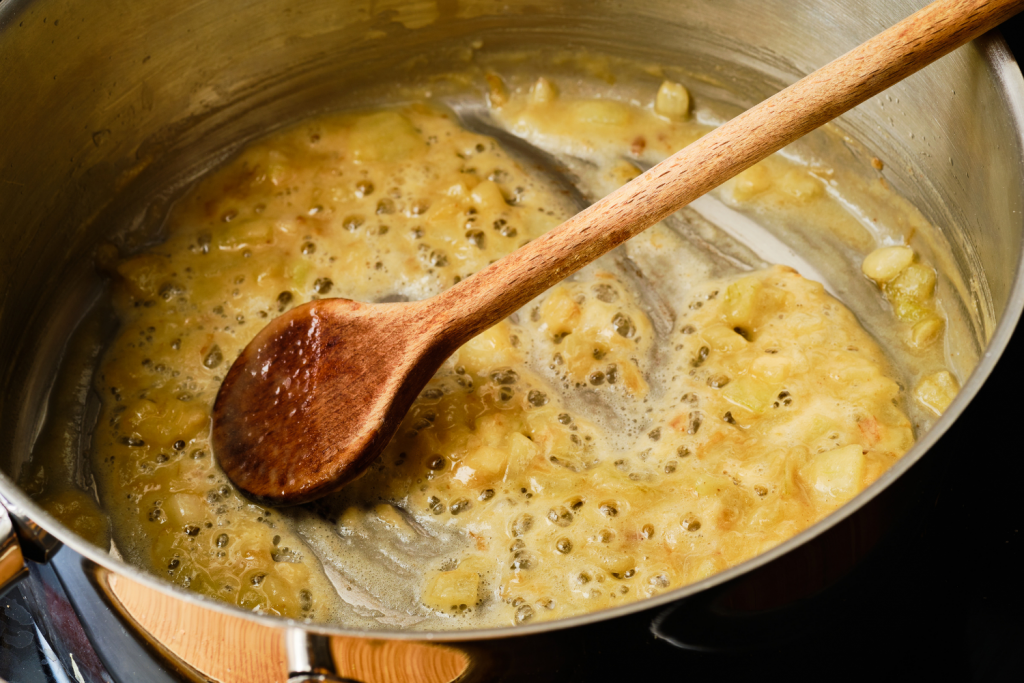
Roux is a classic thickener made by cooking equal parts flour and fat, like butter, until smooth and slightly golden. Adding roux to your gravy not only thickens it but also adds a subtle nutty flavor. It’s a great choice when you want a richer, more velvety texture.
Try making roux ahead of time and keep it ready for whenever your gravy needs thickening. What if you could fix your gravy with something you prepared earlier? Roux makes that possible.
Incorporating Arrowroot Or Tapioca
Arrowroot and tapioca powders are fantastic alternatives to flour and cornstarch, especially if you want a clear, glossy finish on your gravy. Mix either powder with cold water to form a slurry, then stir it into your hot gravy near the end of cooking. These thickeners work quickly and don’t change the flavor much.
Have you noticed how some gravies look dull and pasty? Using arrowroot or tapioca can give your gravy a shiny, appetizing appearance that invites second helpings.
Natural Thickening Ingredients
Cornstarch, flour, and arrowroot are natural ingredients that help thicken watery gravy quickly. Mixing them with cold water before adding prevents lumps. These simple thickeners create a smooth, rich texture without changing the flavor.
Natural thickening ingredients can be your secret weapon in the kitchen. They not only enhance the texture of your gravy but also add flavor and nutrition. You might be surprised at how simple it is to transform a watery mess into a luscious sauce with a few pantry staples.
Mashed Potatoes Or Potato Starch
Have you ever considered using mashed potatoes to thicken gravy? It’s a trick my grandmother swore by. The natural starch in potatoes works wonders in absorbing excess liquid. Simply whisk in small amounts of mashed potatoes until your desired thickness is achieved. If you prefer a smoother consistency, potato starch is a great alternative. Just mix it with a bit of cold water to create a slurry, then add it to the gravy. The result is a thick, creamy sauce without the fear of lumps.
Pureed Vegetables
Pureed vegetables can be a game-changer for your gravy. Not only do they add bulk, but they also infuse the sauce with extra flavor. Consider carrots, peas, or even cauliflower for this task. Blend the cooked vegetables until smooth and stir them into your gravy. The natural fibers will thicken the sauce while adding a subtle earthiness. Plus, you’re sneaking in extra nutrients—who doesn’t love a healthier gravy?
Reduction By Simmering
Sometimes, the simplest solutions are the best. Reducing your gravy by simmering allows excess water to evaporate naturally. This method intensifies the flavors, making your sauce more robust. Keep the gravy on a gentle simmer and stir occasionally. You might have to be patient, but the reward is a thicker, richer gravy. Have you tried this method during a hectic holiday meal? It’s a lifesaver when you need to multitask in the kitchen. Each of these methods offers a unique advantage. What natural ingredient will you try next time your gravy needs thickening?
Credit: thegirlinspired.com
Tips For Perfect Texture
Achieving the perfect texture for gravy requires careful attention. The goal is a smooth, rich consistency that clings nicely to your dish. Following simple tips can make a big difference. These strategies help avoid common problems like lumps and thinness. Each step supports a thicker, tastier gravy every time.
Gradual Thickener Addition
Add thickening agents slowly to control the texture. Stir the gravy continuously while adding. This prevents clumps and helps blend the thickener evenly. Use a small amount first, then increase as needed. Patience is key to avoid over-thickening or a gummy texture.
Avoiding Lumps
Mix thickeners with cold water before adding them. This creates a smooth slurry that blends easily. Stir vigorously while pouring into hot gravy. Use a whisk for better mixing and to break up lumps. Strain the gravy if lumps still form to keep it silky.
Balancing Flavor And Consistency
Thickeners can dilute gravy flavor if added too much. Taste often while adjusting thickness. Add small amounts of broth or seasoning to boost flavor. Avoid over-thickening, which can make the gravy heavy. Aim for a smooth, rich texture with balanced taste.
Common Mistakes To Avoid
Thickening watery gravy can be tricky. Many cooks make simple mistakes that ruin the texture and flavor. Avoiding these common errors helps create the perfect consistency and taste. Understanding what not to do saves time and frustration in the kitchen.
Over-thickening
Adding too much thickener makes gravy gloopy and heavy. It loses its smooth flow and becomes unpleasant to eat. Start with small amounts and increase gradually. Stir often to see the true thickness before adding more.
Adding Thickener Too Quickly
Pouring thickener all at once causes lumps. These clumps do not dissolve easily and spoil the texture. Mix thickener with cold water before adding it slowly. Stir continuously for a smooth blend.
Ignoring Heat Control
High heat can burn gravy or break down the thickener. Low to medium heat works best for even cooking. Keep the temperature steady and avoid boiling vigorously. This keeps the gravy silky and rich.
Credit: www.tasteofhome.com
Credit: farmhouseharvest.net
Frequently Asked Questions
How Can I Thicken Watery Gravy Quickly?
To thicken watery gravy quickly, add a slurry made from equal parts flour or cornstarch and cold water. Stir the slurry into the gravy and cook over medium heat until it thickens, usually in 2-3 minutes.
What Are The Best Thickening Agents For Gravy?
The best thickening agents for gravy include flour, cornstarch, arrowroot, and potato starch. These create a smooth, rich texture without altering the flavor. Choose based on availability and dietary preferences.
Can I Thicken Gravy Without Flour Or Cornstarch?
Yes, you can thicken gravy without flour or cornstarch using mashed potatoes, pureed vegetables, or reducing the gravy by simmering. These methods add thickness and flavor naturally.
Why Is My Gravy Watery After Thickening?
Gravy may remain watery if the thickening agent was not cooked long enough or added incorrectly. Ensure the slurry is fully combined and cooked for a few minutes to activate thickening.
Conclusion
Thickening watery gravy is easy with simple steps. Use flour, cornstarch, or arrowroot for quick results. Stir constantly to avoid lumps and get smooth texture. Taste and adjust seasoning as needed. Avoid boiling too long to keep flavor fresh. Try small amounts first to find the perfect thickness.
Practice makes gravy better every time. Enjoy richer, thicker gravy with your meals today!

Hi, I’m Daniel Brooks—a food lover and kitchen gear enthusiast. I enjoy testing cookware, utensils, and gadgets to see what really works in everyday cooking. At PlugChef.com, I share honest reviews, comparisons, and simple guides to help you choose the best tools for a safer, smarter, and more enjoyable kitchen.
Related posts:
 What Type of Cooking Utensils are Safe: Expert Picks
 What Innovations Could Blenders Make: Unleashing Future Tech
 Smart Strategies to Organize a Small Kitchen: Maximize Space
 How to Organize a Kitchen Cabinet: Expert Tips & Tricks
 How to Organize Kitchen Drawers: Expert Tips and Tricks
 How to Organize a Corner Kitchen Cupboard: Expert Tips