
Are you ever stuck waiting for your frozen chicken to thaw when you’re ready to cook? It can be frustrating to have your meal plans delayed by slow defrosting.
But what if you could speed up the process safely and easily? Knowing how to thaw chicken faster not only saves you time but also keeps your food safe and delicious. You’ll discover simple, practical methods to get your chicken ready in no time.
Keep reading, and you’ll never have to wait hours for your chicken to thaw again!

Credit: sweetpeaskitchen.com
Why Proper Thawing Matters
Thawing chicken the right way is very important for both health and taste. Improper thawing can cause bacteria growth or make the chicken less tasty. Knowing why proper thawing matters helps you handle chicken safely and enjoy your meal more.
Food Safety Risks
Chicken can carry harmful bacteria like Salmonella and Campylobacter. These bacteria grow fast if chicken is left too long at room temperature. Thawing chicken safely stops bacteria from multiplying. It lowers the chance of food poisoning. Always keep chicken in cold conditions while thawing.
Impact On Texture And Taste
Thawing affects how chicken feels and tastes after cooking. Fast thawing at high heat can make chicken dry or tough. Slow and steady thawing keeps juices inside the meat. This makes chicken tender and juicy. Proper thawing helps keep the natural flavor of the chicken.

Credit: sweetpeaskitchen.com
Cold Water Thawing
Cold water thawing offers a faster way to defrost chicken safely. It uses cool water to speed up the thawing process without allowing bacteria to grow. This method works best for smaller cuts or whole chickens wrapped tightly in plastic.
Step-by-step Process
- Place the chicken in a leak-proof plastic bag to prevent water contact.
- Fill a large bowl or sink with cold tap water.
- Submerge the bagged chicken completely in the cold water.
- Change the water every 30 minutes to keep it cold.
- Continue until the chicken is fully thawed and soft to the touch.
Time Estimates
| Chicken Size | Approximate Thawing Time |
|---|---|
| 1 pound | 30 minutes to 1 hour |
| 2 to 3 pounds | 1 to 2 hours |
| Whole chicken (4 to 5 pounds) | 2 to 3 hours |
Safety Tips
- Always use cold water, never warm or hot.
- Keep the chicken sealed in a leak-proof bag to avoid contamination.
- Change water every 30 minutes to maintain safe temperature.
- Cook the chicken immediately after thawing to prevent bacteria growth.
- Do not thaw chicken at room temperature; bacteria multiply quickly.
Microwave Thawing
Microwaves thaw chicken quickly by using low power and short bursts. Rotate and check often to avoid cooking edges. This method saves time while keeping chicken safe to cook.
Thawing chicken can sometimes feel like a race against time, especially when dinner plans change last minute. The microwave is a handy tool for speeding up this process. It’s a bit of a game-changer for those days when you forgot to take the chicken out of the freezer. But there’s a little more to it than just pressing a button.Using Defrost Settings
The defrost setting on your microwave is specifically designed for thawing. It’s not just a lower power level. It alternates between defrosting and resting, allowing the heat to penetrate evenly. Place the chicken on a microwave-safe plate. Adjust the weight settings on your microwave, usually indicated by the weight of the meat. This ensures the defrost time is accurate.Avoiding Partial Cooking
You might notice some edges starting to cook while the center remains frozen. This is common but can be avoided. Rotate the chicken frequently and use the pause button to rearrange pieces if necessary. If your microwave doesn’t have a rotating tray, manually turn the chicken every few minutes. This helps to avoid those partially cooked spots.When To Cook Immediately
Once thawed, it’s crucial to cook the chicken right away. Thawing in a microwave can bring the meat to temperatures where bacteria thrive. Cooking immediately reduces any risk of foodborne illness. Consider preparing a simple marinade while the chicken is defrosting. This way, you can seamlessly transition from thawing to cooking. What’s your go-to recipe for a quick chicken dish?Hot Water Method Risks
Thawing chicken quickly can be tempting, especially when you’re short on time. The hot water method is a popular choice for many because it seems fast and straightforward. However, this technique carries significant risks that could affect your health and the safety of your meal.
Why It’s Not Recommended
The hot water method involves submerging chicken in warm or hot water to speed up thawing. While this sounds efficient, it can cause the outer parts of the chicken to reach unsafe temperatures before the inside fully thaws.
This uneven temperature rise creates a perfect environment for harmful bacteria to multiply. The USDA advises against this method because it can lead to foodborne illnesses. Are you willing to risk your health for a few minutes saved?
Potential Bacterial Growth
When chicken sits in warm water, bacteria like Salmonella and Campylobacter can grow rapidly. These bacteria thrive between 40°F and 140°F (4°C to 60°C), which is exactly the temperature range hot water can create on the chicken’s surface.
Even if you cook the chicken thoroughly afterward, some toxins produced by bacteria may not be destroyed. This puts you at risk of food poisoning symptoms such as nausea, vomiting, and stomach cramps.
Instead of risking bacterial growth, try safer alternatives like thawing chicken in the refrigerator or using cold water with constant changes. Your health is worth a bit more waiting time.
Quick Cooking Without Thawing
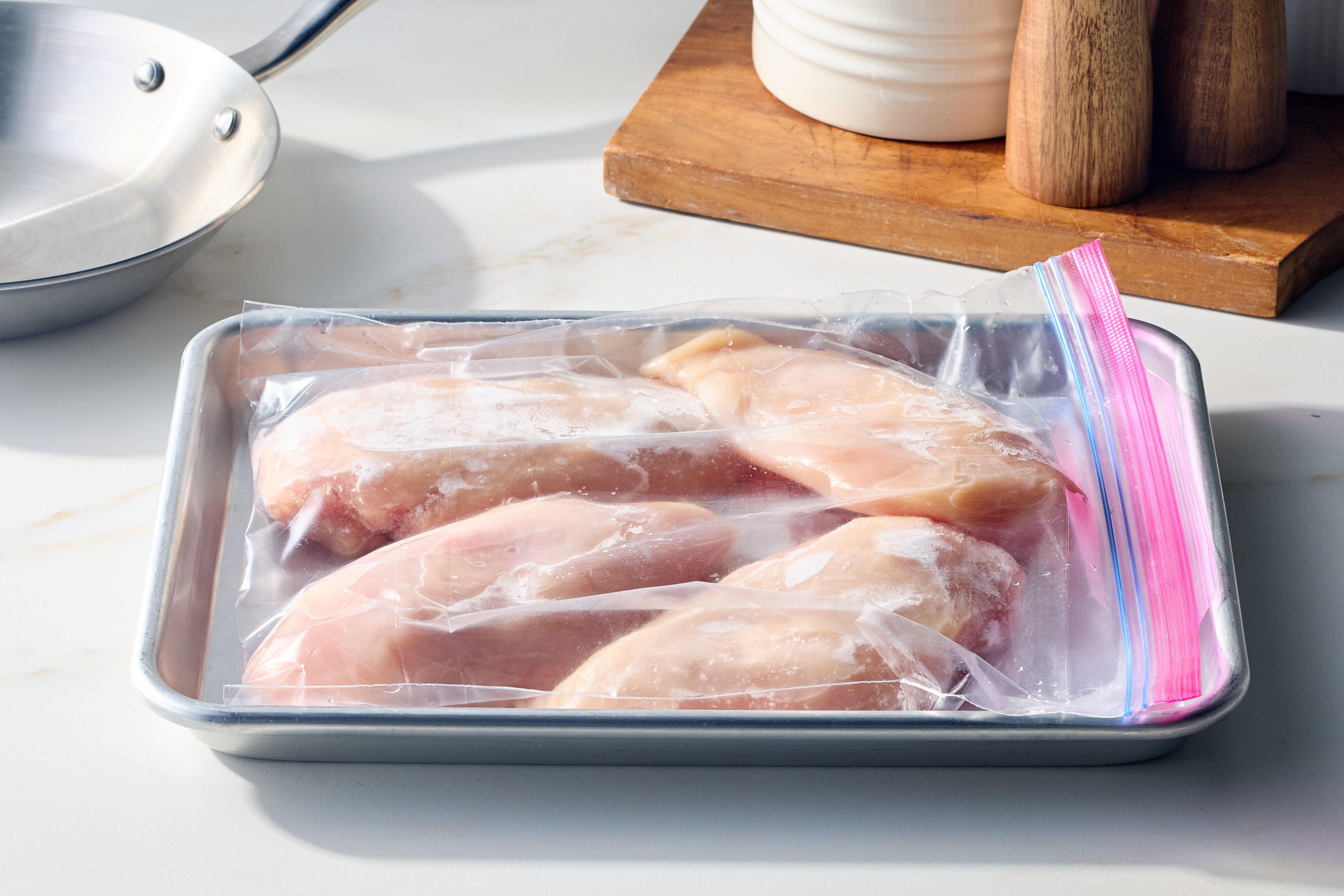
Sometimes, you need dinner on the table fast, but your chicken is still frozen solid. Cooking chicken without thawing can save you time without sacrificing flavor or safety. However, it requires choosing the right recipes and adjusting your cooking times carefully to ensure the chicken cooks evenly and stays juicy.
Suitable Recipes
Not every recipe works well with frozen chicken. Simple dishes like soups, stews, and casseroles handle frozen chicken beautifully because they cook slowly and evenly.
Grilling or pan-frying frozen chicken can be tricky, as the outside may burn before the inside cooks through. Instead, try recipes that use moist heat or slow cooking methods.
- Chicken chili or curry
- Slow cooker chicken stew
- Baked chicken thighs with vegetables
- Chicken soup or broth
Have you ever tried throwing frozen chicken straight into a pot? It’s a game-changer when you’re in a rush.
Adjusting Cooking Time
Frozen chicken needs about 50% longer cooking time compared to thawed chicken. For example, if a recipe calls for 20 minutes, plan on at least 30 minutes.
Use a meat thermometer to check doneness — the safe internal temperature is 165°F (74°C). This avoids undercooking or drying out your chicken.
| Chicken Cut | Thawed Cooking Time | Frozen Cooking Time |
|---|---|---|
| Boneless, skinless breasts | 20 minutes | 30 minutes |
| Bone-in thighs | 35 minutes | 50 minutes |
| Whole chicken (roasting) | 1 hour 20 minutes | 2 hours |
Adjusting your cooking time might feel like guesswork, but checking the temperature and texture will guide you. What’s your go-to quick chicken dish that works well from frozen?
Credit: www.pulselive.co.ke
Safe Thawing Tips
Thawing chicken quickly is helpful, but doing it safely is even more important. Unsafe thawing can lead to bacteria growth and foodborne illness. Let’s focus on practical tips to keep your chicken safe during and after thawing.
Avoiding Cross-contamination
Cross-contamination is a common risk when handling raw chicken. Always use separate cutting boards and utensils for raw chicken and other foods. This keeps bacteria from spreading to your fresh veggies or cooked dishes.
Wash your hands thoroughly with soap and warm water after touching raw chicken. It only takes 20 seconds to reduce harmful bacteria. Also, clean surfaces and sinks immediately after contact with raw chicken to avoid accidental contamination.
Proper Storage After Thawing
Once your chicken is thawed, store it properly to keep it safe. Never refreeze chicken that has been thawed using the cold water or microwave methods. Instead, cook it right away to prevent bacteria growth.
If you thaw chicken in the refrigerator, you have more time. You can keep it there for 1-2 days before cooking. Make sure the chicken is in a sealed container or tightly wrapped to prevent juices from dripping onto other foods.
Frequently Asked Questions
How Can I Thaw Chicken Quickly And Safely?
Use the cold water method: submerge chicken in sealed bag, change water every 30 minutes. It thaws faster than fridge thawing and stays safe.
Is Microwave Thawing Chicken Safe To Do?
Yes, microwave thawing is safe if done properly. Use the defrost setting, cook chicken immediately after thawing to prevent bacteria growth.
Can I Thaw Chicken In Hot Water?
No, thawing chicken in hot water risks bacteria growth. Use cold water or fridge methods for safe thawing.
How Long Does It Take To Thaw Chicken In Cold Water?
Small chicken pieces thaw in 1-2 hours, whole chicken takes 3-4 hours using cold water method. Change water regularly for safety.
Conclusion
Thawing chicken faster is simple with the right methods. Cold water and microwave thawing work well for quick results. Always keep safety in mind to avoid bacteria growth. Plan ahead when possible to use the refrigerator method. Avoid thawing chicken at room temperature to stay safe.
These tips help save time in the kitchen. Enjoy your meal without waiting too long. Cooking thawed chicken properly ensures good taste and safety. Try these easy steps next time you need chicken fast.

Hi, I’m Daniel Brooks—a food lover and kitchen gear enthusiast. I enjoy testing cookware, utensils, and gadgets to see what really works in everyday cooking. At PlugChef.com, I share honest reviews, comparisons, and simple guides to help you choose the best tools for a safer, smarter, and more enjoyable kitchen.
Related posts:
 What Type of Cooking Utensils are Safe: Expert Picks
 What Innovations Could Blenders Make: Unleashing Future Tech
 Smart Strategies to Organize a Small Kitchen: Maximize Space
 How to Organize a Kitchen Cabinet: Expert Tips & Tricks
 How to Organize Kitchen Drawers: Expert Tips and Tricks
 How to Organize a Corner Kitchen Cupboard: Expert Tips