

Imagine slicing fresh vegetables or carving a succulent roast on a surface that not only adds elegance to your kitchen but also stands the test of time. Your wooden cutting board is more than just a tool; it’s a piece of craftsmanship that brings warmth and tradition to your culinary adventures.
But are you giving it the care it deserves? Without proper maintenance, even the finest wooden cutting boards can lose their charm and functionality. This guide is here to show you how to keep your board in pristine condition, ensuring it remains a reliable companion in your kitchen.
Discover simple yet effective care techniques that will prolong the life of your board, enhance its appearance, and safeguard your food. Dive in to unlock the secrets of wooden cutting board care and experience the joy of using a board that feels as good as it looks.
Credit: xtrema.co.uk
Choosing The Right Cutting Board
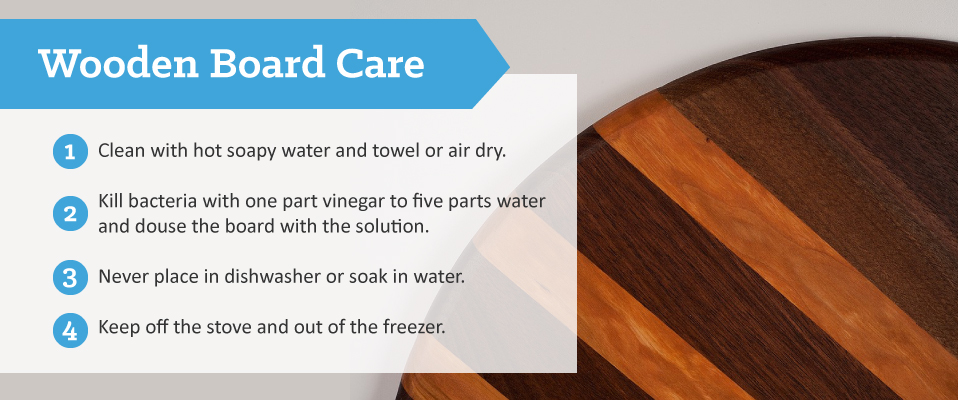
Keep your wooden cutting board in top shape by cleaning it with mild soap and water after each use. Dry it immediately to prevent warping, and apply mineral oil monthly to maintain its surface. Avoid soaking or placing it in the dishwasher to preserve its integrity.
Choosing the right cutting board is crucial for both your culinary adventures and the longevity of your kitchen tools. A wooden cutting board isn’t just a kitchen staple; it’s a trusted companion in your cooking journey. But how do you decide which one is right for you? There are several factors to consider, from the type of wood to the size and thickness of the board. Let’s dive into these key elements to help you make an informed choice that complements your kitchen needs.Types Of Wood
The type of wood your cutting board is made from can greatly affect its durability and maintenance. Maple, walnut, and cherry are popular choices due to their hardness and resistance to knife marks. Maple is often favored for its light color and tight grain, making it less porous and thus more hygienic. On the other hand, walnut offers a rich, dark appearance that adds elegance to any kitchen setup. Cherry, with its warm hue, is softer than maple and walnut but still provides a good balance between durability and aesthetic appeal. Have you ever felt like your cutting board just didn’t match the vibe of your kitchen? Choosing the right wood can change that.Size And Thickness Considerations
Size and thickness play a significant role in how functional your cutting board will be. A larger board provides ample space for chopping multiple ingredients at once, which can be a game-changer during meal prep. However, make sure it fits comfortably on your countertop and is easy to store. Thickness also matters. A thicker board is less likely to warp over time, providing stability while chopping. A board that’s at least 1.5 inches thick is generally considered sturdy. But, remember, the thicker the board, the heavier it will be. Are you prepared to lift and clean a heavier board regularly? Balancing practicality and convenience is key. Choosing the right cutting board involves a blend of personal preference and functional needs. By considering the type of wood, and the size and thickness of the board, you can enhance not only your cooking experience but also the care and longevity of your board. Now, isn’t it time to give your kitchen the upgrade it deserves?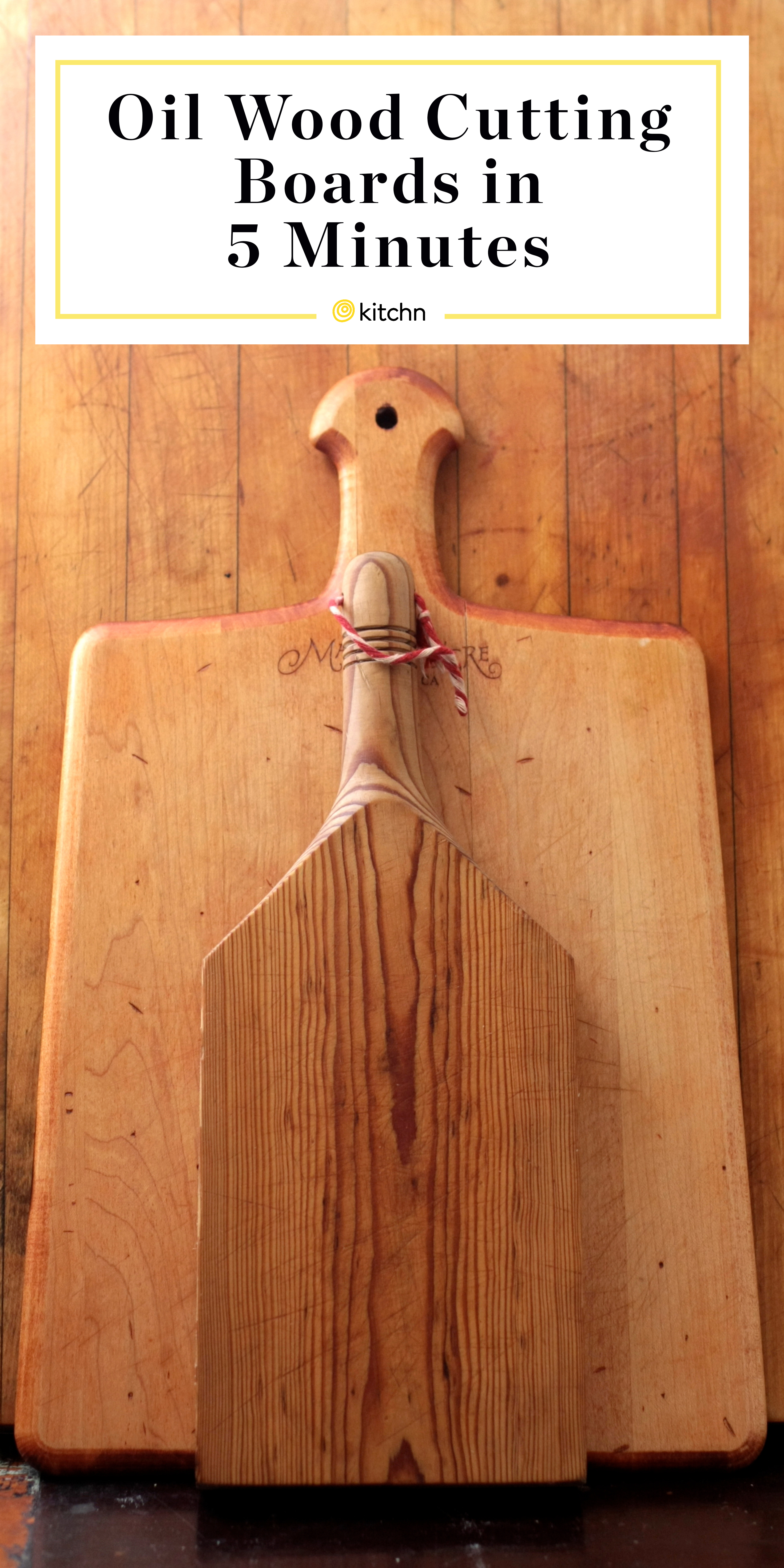
Credit: www.thekitchn.com
Cleaning Your Wooden Cutting Board
Cleaning your wooden cutting board is essential for its longevity. Proper care ensures it remains safe and hygienic. A well-maintained board resists bacteria and lasts longer. Regular cleaning also preserves its natural beauty. Follow these steps for a clean, lasting board.
Daily Cleaning Routine
After each use, rinse the board with hot water. Use mild soap and a soft sponge. Scrub gently to remove food particles. Rinse thoroughly to remove soap residue. Dry the board with a clean towel immediately. Avoid soaking as it can warp the wood.
Deep Cleaning Techniques
Sometimes a cutting board needs a deeper clean. Sprinkle coarse salt on the board. Use half a lemon to scrub the salt in. This removes odors and stains effectively. Rinse with hot water and dry thoroughly. Another method is a mixture of baking soda and water. Scrub the board with this paste. It helps eliminate stubborn stains.
Avoiding Harsh Chemicals
Wood is sensitive to strong chemicals. Avoid using bleach or harsh cleaners. These can damage the board’s surface. Opt for natural solutions instead. Vinegar is a good choice for disinfecting. Mix one part vinegar with four parts water. Apply to the board and rinse. This keeps the board safe and clean.
Maintaining The Board’s Condition
Keeping your wooden cutting board in top shape requires regular cleaning and oiling. Wash with warm, soapy water after each use. Dry completely and apply mineral oil monthly to prevent drying and cracking.
Maintaining the condition of your wooden cutting board is essential. It ensures its longevity and hygienic use. A well-cared-for board serves you better in the kitchen. Consistent maintenance prevents damage and keeps the board looking new.Oiling And Conditioning
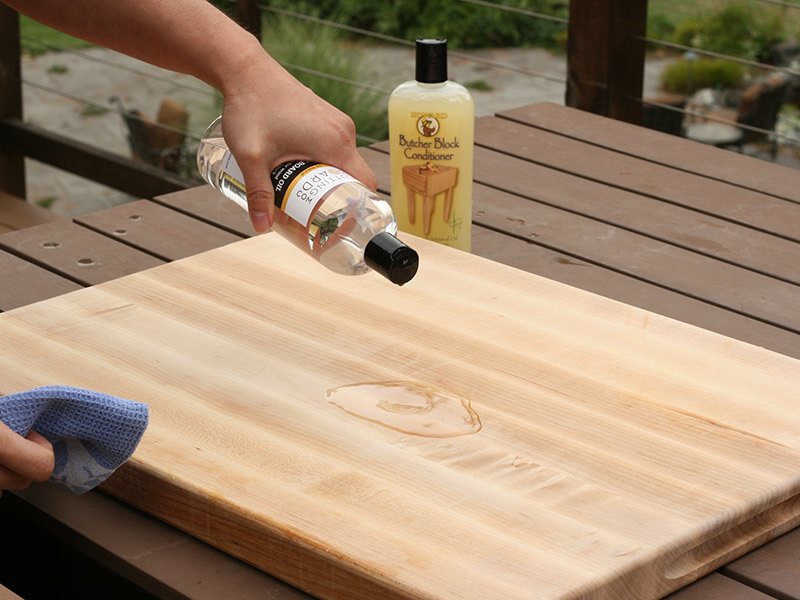
Regular oiling is key for wooden cutting boards. Mineral oil is a great choice. It seals the wood and prevents drying. Apply a generous amount of oil. Let it soak overnight. Wipe away excess oil the next day. Conditioning with wax adds extra protection. It repels moisture and keeps the board smooth. Use a food-grade wax for safety. Rub it in after oiling. Buff the board to shine.Repairing Scratches And Cracks
Scratches and cracks are common on wooden boards. Sanding helps remove shallow scratches. Use fine-grit sandpaper for a smooth finish. Work in the direction of the grain. For deeper cracks, use wood filler. Ensure the filler is food-safe. Fill the crack completely, then sand it. Finish with oiling and waxing. This restores the board’s appearance. Regular repair keeps the board functional and attractive.Preventing Damage
Wooden cutting boards are kitchen essentials. They add charm to any kitchen. But they require proper care to last. Understanding how to prevent damage is key. This ensures your cutting board stays in top condition. Let’s explore some effective ways to protect it.
Avoiding Excessive Moisture
Water is a wooden board’s enemy. Too much moisture can cause warping. It can also lead to cracking. Always dry your board immediately after washing. Use a clean towel to remove all water. Avoid soaking it in water. Quick rinses are better. Keep your board away from dishwashers. The heat and water can damage the wood.
Proper Storage Solutions
Store your cutting board properly. This helps maintain its shape and condition. Keep it upright when not in use. This allows air to circulate. Ensure it’s in a dry place. Avoid storing it in damp cabinets. Use a rack or wall hook for better air flow. Avoid stacking items on top of it. This prevents unnecessary pressure or weight.
Hygiene And Safety Tips
Wooden cutting boards are cherished for their durability and natural beauty, but they require proper care to ensure hygiene and safety. You might love the rustic charm they add to your kitchen, but without proper care, they can harbor bacteria. Let’s dive into some essential hygiene and safety tips to keep your wooden cutting board in tip-top shape.
Preventing Cross-contamination
Cross-contamination is a silent kitchen threat. You might think your board looks clean after cutting veggies, but those tiny food particles can be a breeding ground for bacteria. Always wash your board thoroughly with hot water and soap immediately after use.
Consider having separate boards for meats and veggies. This simple step can prevent harmful bacteria from transferring from raw meat to fresh produce. It’s an easy way to keep your meals safe and your mind at ease.
Handling Raw Foods Safely
Handling raw foods requires diligence. Ever found yourself rushing to clean the board after slicing raw chicken? It’s crucial to scrub it with a brush, hot water, and soap to eliminate any lingering bacteria.
Drying your board completely is just as important. Moisture can lead to mold growth, turning your kitchen helper into a health hazard. A quick wipe with a clean towel or letting it air dry can make a big difference.
Do you know the feeling when you’re about to serve your masterpiece and suddenly remember the board is still wet? A quick fix is to use a paper towel to speed up the drying process. Keeping your board dry prevents bacterial growth, ensuring your meals are safe.
Remember, the steps you take now can save you from potential health issues later. Keeping your wooden cutting board clean and dry is a small effort with big rewards. Are you ready to make a habit of it?
Credit: www.cuttingboard.com
Extending The Lifespan
Wooden cutting boards are kitchen essentials for many households. They are durable and naturally beautiful. To keep them in great condition, proper care is important. This ensures they last for years. Extending the lifespan of your wooden cutting board involves regular maintenance and knowing when to replace it.
Regular Maintenance Practices
Regular cleaning is crucial for wooden cutting boards. Use warm, soapy water and a soft sponge. Rinse well and dry immediately to prevent warping. Avoid soaking the board in water. Excess moisture harms the wood.
Oil your board monthly with mineral oil. This prevents cracks and keeps the surface smooth. Apply a generous amount and let it absorb overnight. Wipe off any excess oil the next day.
Occasionally, sprinkle coarse salt on the board. Rub it with a lemon half to remove stains and odors. This natural method cleans and refreshes the board effectively.
Signs It’s Time To Replace
Even with good care, wooden boards wear out. Deep grooves or cracks harbor bacteria. These are signs to replace the board. If the board smells bad despite cleaning, it’s time for a new one.
A warped board won’t lay flat. This makes it unsafe and difficult to use. Consider replacing it for safety. Keeping an eye on these signs ensures a healthy kitchen environment.
Frequently Asked Questions
Do Wooden Cutting Boards Need To Be Oiled?
Yes, wooden cutting boards need regular oiling. It prevents drying, cracking, and warping. Use food-grade mineral oil for best results. Apply oil monthly or as needed, ensuring even coverage. Let it absorb, then wipe off excess. Proper care extends the board’s lifespan and maintains its appearance.
How To Maintain Your Wood Cutting Board?
Clean your cutting board with warm, soapy water. Dry it immediately to prevent warping. Regularly apply food-grade mineral oil for protection. Avoid soaking to maintain the board’s integrity. Store in a dry, upright position to prevent moisture damage.
What Should You Not Put On A Wooden Cutting Board?
Avoid placing raw meat, acidic foods, bleach, and strong chemicals on a wooden cutting board. These can damage the wood, cause contamination, and lead to unpleasant odors. Always clean and maintain your board properly to ensure longevity and hygiene.
What Is The Best Oil For A Wooden Cutting Board?
The best oil for a wooden cutting board is food-grade mineral oil. It prevents dryness and cracking. Regular application maintains the board’s condition. Avoid using vegetable oils, as they can turn rancid. Use a clean cloth to apply the oil evenly.
Allow it to soak in before use.
Conclusion
Caring for your wooden cutting board is easy. Clean it right after use. Dry it thoroughly to avoid mold. Apply mineral oil monthly. This keeps it shiny and strong. Avoid soaking in water. Water can warp the wood. Keep it away from heat sources.
Heat can dry and crack the wood. Use a vinegar solution for stains. This helps maintain its natural beauty. With these steps, your board lasts long. Enjoy your cooking with a well-maintained board. A little effort goes a long way.
Keep it clean and happy chopping!

Hi, I’m Daniel Brooks—a food lover and kitchen gear enthusiast. I enjoy testing cookware, utensils, and gadgets to see what really works in everyday cooking. At PlugChef.com, I share honest reviews, comparisons, and simple guides to help you choose the best tools for a safer, smarter, and more enjoyable kitchen.
Related posts:
 What Type of Cooking Utensils are Safe: Expert Picks
 What Innovations Could Blenders Make: Unleashing Future Tech
 Smart Strategies to Organize a Small Kitchen: Maximize Space
 How to Organize a Kitchen Cabinet: Expert Tips & Tricks
 How to Organize Kitchen Drawers: Expert Tips and Tricks
 How to Organize a Corner Kitchen Cupboard: Expert Tips

