
You’ve just bought fresh white mushrooms, but how do you keep them fresh and tasty for longer? Storing white mushrooms the right way can make all the difference between a delicious meal and wasted food.
If you’ve ever opened your fridge to find slimy or spotted mushrooms, you know how frustrating it can be. You’ll discover simple, effective tips to store your white mushrooms so they stay fresh, flavorful, and ready to use whenever you need them.
Keep reading to unlock easy tricks that will save you time, money, and disappointment.
Choosing Fresh White Mushrooms
Choosing fresh white mushrooms is key for taste and safety. Fresh mushrooms last longer and taste better in your dishes. Knowing how to spot fresh mushrooms helps you avoid waste and bad flavors.
Signs Of Freshness
- The cap should be firm and smooth, not wrinkled.
- Color is bright white, without dark spots or discoloration.
- Stems are solid and not slimy or wet.
- The smell is mild and earthy, never sour or strong.
- Gills underneath the cap are clean and dry.
What To Avoid
- Mushrooms that feel sticky or slimy to touch.
- Caps that are shriveled or cracked.
- Dark or black spots on the surface.
- Any strong or unpleasant odor.
- Wet or mushy stems.

Credit: food52.com
Preparing Mushrooms For Storage
Preparing white mushrooms for storage is important to keep them fresh and tasty. Proper preparation helps prevent spoilage and extends shelf life. Mushrooms are delicate, so gentle handling is key. Clean and trim them carefully before storing.
Cleaning Techniques
White mushrooms absorb water easily. Avoid washing them under running water. Instead, use a soft brush or a dry paper towel. Gently remove dirt and debris. For stubborn spots, dampen the cloth slightly but do not soak the mushrooms. Quick cleaning keeps mushrooms firm and fresh.
Trimming Tips
Check mushroom stems for dryness or browning. Use a sharp knife to cut off any damaged or tough parts. Remove only the ends of the stems. Avoid trimming too much, as this can dry them out. Keep the caps intact to preserve moisture and flavor.
Ideal Storage Conditions
White mushrooms are delicate and require proper storage to maintain freshness. Knowing the ideal storage conditions is key to extending their shelf life. Let’s explore how temperature and humidity play vital roles in preserving these mushrooms.
Optimal Temperature
Store white mushrooms in a cool environment to keep them fresh. The ideal temperature range is between 32°F and 36°F (0°C and 2°C). This temperature range slows down spoilage. A refrigerator is the best place for storing mushrooms. Avoid placing them near the freezer section. Excessive cold can harm their texture.
Humidity Levels
Humidity plays a crucial role in mushroom storage. White mushrooms need a humid environment to stay fresh. Aim for a humidity level of around 95%. Store them in a paper bag or a container with holes. This allows air circulation while retaining moisture. Avoid plastic bags; they trap moisture and cause mushrooms to become soggy.
Storage Methods
Proper storage methods keep white mushrooms fresh longer. Choosing the right way helps avoid spoilage and moisture buildup. Mushrooms are delicate and absorb odors easily. Storing them correctly preserves their texture and flavor.
Refrigeration Tips
Refrigerate mushrooms as soon as possible. Keep them in the main fridge compartment, not the door. The temperature stays more consistent inside. Store mushrooms between 34°F and 38°F for best results. Avoid washing before storing; moisture causes them to spoil fast.
Using Paper Bags
Place mushrooms in paper bags to store. Paper bags absorb excess moisture and allow air flow. This prevents mushrooms from becoming slimy. Fold the bag loosely to keep air moving. Paper bags help mushrooms stay dry and fresh longer.
Avoiding Plastic Bags
Do not store mushrooms in plastic bags. Plastic traps moisture, causing mushrooms to get wet. Wet mushrooms spoil quickly and lose texture. If only plastic is available, poke holes to let air in. Better to use breathable materials like paper or cloth.
Freezing White Mushrooms
Freezing white mushrooms is a smart way to extend their shelf life while keeping their flavor intact. However, freezing requires a bit of care to maintain their texture and taste. If you want to enjoy mushrooms in your soups, sauces, or stir-fries anytime, understanding the right freezing techniques is key.
When To Freeze
You should freeze white mushrooms when they are fresh and firm. Avoid freezing mushrooms that are slimy or have dark spots, as freezing will not improve their quality.
Freeze them soon after purchase or harvesting, ideally within one to two days. Mushrooms start losing moisture quickly, so early freezing helps preserve their texture better.
Preparation Steps
Start by cleaning the mushrooms gently with a damp cloth or paper towel. Avoid washing them under running water, as mushrooms absorb water easily, which can cause freezer burn.
Slice or chop the mushrooms as you prefer, since frozen mushrooms can be difficult to cut later. Blanching the mushrooms in boiling water for 1-2 minutes before freezing helps maintain their flavor and texture.
- Boil water and prepare a bowl of ice water for cooling
- Blanch mushrooms for 1-2 minutes
- Drain and immediately cool in ice water
- Pat dry thoroughly to remove moisture
After drying, spread the mushrooms in a single layer on a baking sheet and freeze until solid. This prevents clumping. Then transfer them to airtight freezer bags or containers, removing as much air as possible.
Thawing Guidelines
Thaw mushrooms in the refrigerator overnight for best results. This slow thaw helps keep their texture intact.
If you’re in a hurry, you can add frozen mushrooms directly to hot dishes like soups or stir-fries without thawing. This method avoids mushiness caused by excess water.
Have you ever noticed frozen mushrooms turn soggy after thawing? Skipping blanching or thawing too quickly are usually the culprits.

Credit: www.youtube.com
Signs Of Spoilage
White mushrooms are delicate and spoil quickly if not stored properly. Knowing the signs of spoilage helps avoid eating bad mushrooms. Spoiled mushrooms lose their freshness and can cause stomach problems.
Check mushrooms daily to catch spoilage early. Watch for changes in appearance, smell, and texture. These signs tell you when mushrooms are no longer safe to eat.
Visual Indicators
- Dark spots or discoloration appear on the caps or stems.
- The surface looks slimy or wet instead of dry.
- Mushrooms shrink or wrinkle as they lose moisture.
- Caps become soft and may start to break apart.
- Any mold growth is a clear sign of spoilage.
Smell And Texture Changes
- A sour or musty odor replaces the fresh, earthy smell.
- Mushrooms feel sticky or slimy to the touch.
- Soft spots develop, making mushrooms mushy or squishy.
- Dry, cracked texture shows mushrooms are old and drying out.
- Fresh mushrooms should feel firm and smell mild.
Extending Mushroom Freshness
Keeping your white mushrooms fresh for as long as possible is key to enjoying their flavor and texture. Mushrooms tend to spoil quickly if not stored right, turning slimy or losing their firmness. Understanding simple ways to extend their freshness can save you money and reduce food waste.
Quick Usage Ideas
Sometimes the best way to preserve freshness is to use mushrooms soon after buying. If you notice your mushrooms starting to soften, try adding them to dishes that cook quickly, like stir-fries or omelets.
Have you tried sautéing mushrooms with garlic and herbs? It’s a fast way to enjoy them and prevents waste. You can also blend slightly older mushrooms into soups or sauces, where texture matters less but flavor shines.
Preservation Techniques
Proper storage slows down spoilage. Keep mushrooms in their original packaging or a paper bag inside the fridge to avoid moisture buildup. Plastic bags trap moisture, which makes mushrooms slimy faster.
Another tip is to line the storage container with paper towels to absorb excess moisture. Change the towels every couple of days to maintain dryness. Have you ever noticed how mushrooms stored this way last almost twice as long?
Freezing mushrooms is an option if you want to keep them for weeks. Clean and slice them, then sauté briefly before freezing. This preserves texture and flavor better than freezing raw mushrooms.
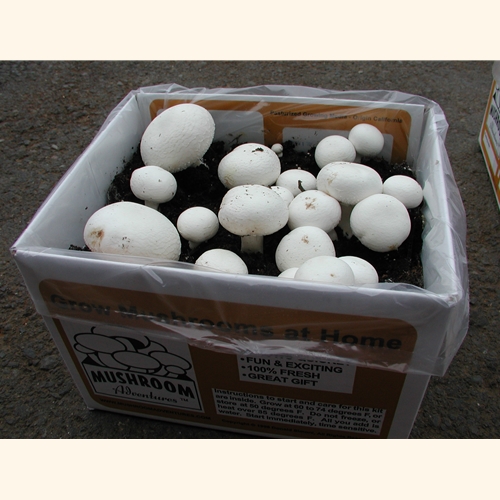
Credit: www.mushroomadventures.com
Frequently Asked Questions
How Should I Store White Mushrooms At Home?
Store white mushrooms in a paper bag in the refrigerator. Avoid plastic bags as they trap moisture, causing spoilage. Keep them dry and use within a week for best freshness and flavor.
Can I Freeze White Mushrooms For Later Use?
Yes, you can freeze white mushrooms. Clean and slice them before blanching briefly. Cool, drain, and store in airtight containers. Frozen mushrooms are best for cooked dishes, not raw consumption.
What Is The Best Container For Storing Mushrooms?
Use a paper bag or a breathable container for mushrooms. This prevents moisture buildup and keeps them fresh longer. Avoid airtight containers that trap humidity, leading to slimy mushrooms.
How Long Do White Mushrooms Stay Fresh In The Fridge?
White mushrooms last about 5 to 7 days in the refrigerator. Store them properly in a paper bag to maintain freshness. Check regularly for any sliminess or discoloration before use.
Conclusion
Storing white mushrooms properly keeps them fresh longer. Keep them dry and in a paper bag. Avoid plastic bags that trap moisture and spoil mushrooms fast. Store them in the fridge for best results. Check mushrooms daily for any signs of spoilage.
Use them soon after buying for the best taste. Simple steps help you enjoy fresh mushrooms every time. A little care goes a long way in storage. Save money and reduce waste by storing mushrooms right.

Hi, I’m Daniel Brooks—a food lover and kitchen gear enthusiast. I enjoy testing cookware, utensils, and gadgets to see what really works in everyday cooking. At PlugChef.com, I share honest reviews, comparisons, and simple guides to help you choose the best tools for a safer, smarter, and more enjoyable kitchen.
Related posts:
 What Type of Cooking Utensils are Safe: Expert Picks
 What Innovations Could Blenders Make: Unleashing Future Tech
 Smart Strategies to Organize a Small Kitchen: Maximize Space
 How to Organize a Kitchen Cabinet: Expert Tips & Tricks
 How to Organize Kitchen Drawers: Expert Tips and Tricks
 How to Organize a Corner Kitchen Cupboard: Expert Tips