

You’ve bought fresh, juicy strawberries, but how do you keep them tasting just as good for longer? If you’ve ever been disappointed by mushy or moldy berries, you’re not alone.
Knowing how to store strawberries properly can save you money, reduce waste, and make sure every bite is as delicious as the first. You’ll discover simple, effective tips that anyone can follow to keep your strawberries fresh and flavorful. Ready to make your strawberries last?
Let’s dive in.
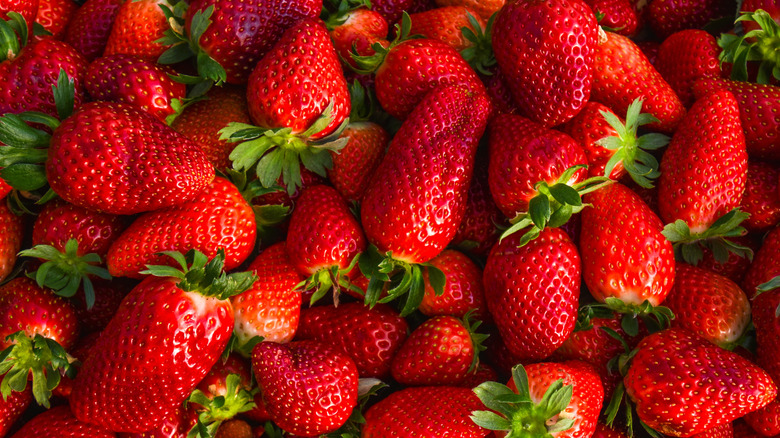
Credit: www.foodrepublic.com
Choosing Fresh Strawberries
Choosing fresh strawberries is the first step to enjoying their sweet flavor and ensuring they last longer. Picking the right berries can make a big difference in how you store them and how quickly you consume them. Knowing what to look for helps you avoid disappointment and waste.
Signs Of Freshness
Look for strawberries that are bright red all over with no white or green patches. The deeper the red, the riper and sweeter the berry will be. Fresh strawberries also have a shiny surface and a firm texture that feels slightly springy when you gently squeeze them.
Check the green caps (calyx) on top—they should look fresh and vibrant, not wilted or brown. A fresh strawberry has a sweet aroma that’s hard to miss; if it smells bland or sour, it’s best to pass.
Avoiding Damaged Berries
Damaged strawberries spoil faster and can affect the rest of your batch. Avoid berries with bruises, mushy spots, or signs of mold. Even small cracks on the surface can allow bacteria to enter, causing quick decay.
Be careful when selecting strawberries from containers; sometimes, the bottom layers hold crushed or squished berries. If you’ve ever bought a pack only to find several bad berries underneath, you know why checking every berry counts.
Would you rather spend a few extra minutes picking perfect berries or throw away spoiled ones later? Your choice impacts not just taste but also storage success.

Credit: www.the-express.com
Cleaning Strawberries Safely
Cleaning strawberries safely is essential for preserving their freshness. Proper cleaning removes dirt, pesticides, and potential bacteria. This ensures your strawberries are both delicious and healthy. Let’s explore the best practices for washing these vibrant berries.
When To Wash
Wash strawberries just before eating them. Washing too early can lead to spoilage. Water can cause mold and mushiness if left on. Keep them dry until you’re ready to enjoy.
Best Washing Techniques
Use cool running water to clean strawberries. Gently rinse each berry to remove dirt. Avoid soaking them, as they absorb water quickly. This can affect their taste and texture.
- Place strawberries in a colander.
- Rinse under a gentle stream of cool water.
- Gently rub each berry to ensure cleanliness.
For added safety, consider a vinegar solution. Mix one part vinegar with three parts water. Briefly dip strawberries, then rinse with fresh water. This helps remove stubborn residues.
Dry strawberries thoroughly with a clean towel. Excess moisture can lead to faster spoilage. Now, your strawberries are clean, fresh, and ready to enjoy!
Storage Containers And Conditions
Storing strawberries properly starts with choosing the right containers and maintaining ideal conditions. The freshness and flavor of your berries depend heavily on how you keep them after bringing them home. Poor storage can lead to quick spoilage, but with a few smart choices, you can enjoy strawberries longer and reduce waste.
Ideal Containers
Using the right container makes a big difference in how long your strawberries stay fresh. Avoid airtight containers because strawberries need some airflow to prevent moisture buildup, which causes mold.
Opt for containers with ventilation holes or shallow containers lined with paper towels. The paper towels absorb excess moisture, keeping berries dry and firm. If you want, you can also use a colander placed inside a bowl to allow air circulation while catching drips.
Glass or plastic containers designed for produce with vents work great. I once stored strawberries in a sealed plastic bag and ended up with a soggy mess the next day. Switching to a vented container made a noticeable improvement.
Temperature Settings
Temperature control is crucial for strawberry storage. Keep your strawberries in the refrigerator to slow down spoilage but avoid the coldest parts, like the back of the fridge, where frost can damage them.
The ideal temperature range is around 32°F to 36°F (0°C to 2°C). This keeps strawberries fresh without freezing them. Storing strawberries at room temperature shortens their shelf life, so refrigeration is a must.
Do you know where your fridge’s warmest spot is? Placing your strawberries there can help maintain proper temperature without freezing. Also, avoid washing strawberries before storing; moisture speeds up decay, so wash them right before eating.

Credit: www.express.co.uk
Preventing Mold And Spoilage
Mold and spoilage are the biggest enemies of fresh strawberries. You want to enjoy their sweet flavor, not deal with a mushy, moldy mess. The key lies in how you store them—small changes in your storage routine can make a huge difference in keeping strawberries fresh longer.
Proper Ventilation
Strawberries need air to stay fresh. Without enough ventilation, moisture gets trapped, creating a perfect environment for mold to grow quickly.
Use containers with holes or keep the lid slightly open to allow air to circulate. Avoid airtight containers unless you line them properly to absorb moisture.
Ever noticed how strawberries in a sealed plastic bag get soggy fast? That’s because the trapped moisture accelerates spoilage.
Using Paper Towels
Paper towels are your secret weapon against excess moisture. Place a layer of paper towels at the bottom of your container to soak up water that strawberries release.
Change the paper towels every couple of days to keep the environment dry. This simple trick slows down mold growth and keeps your berries firm.
Try this: after rinsing strawberries, dry them gently with paper towels before storing. It helps reduce moisture buildup and extends their shelf life.
Freezing Strawberries For Long-term Use
Freezing strawberries is a fantastic way to enjoy their sweet taste long after the fresh season ends. It preserves their flavor and nutrients, making them perfect for smoothies, desserts, or even breakfast toppings throughout the year. But freezing them properly is key to maintaining their texture and taste.
Preparation Steps
Start by selecting ripe, firm strawberries without bruises or mold. Rinse them gently under cold water and pat dry with a clean towel to remove excess moisture.
Remove the green stems and leaves carefully, but don’t slice them just yet. Leaving the berries whole during freezing helps preserve their juices and texture better.
If you want, you can hull the strawberries by cutting out the white core inside. This step is optional but can improve the eating experience later.
Freezing Methods
One effective method is flash freezing. Place the prepared strawberries in a single layer on a baking sheet lined with parchment paper. Freeze them for a few hours until solid.
Once frozen, transfer the berries to airtight freezer bags or containers. This prevents clumping and makes it easy to grab just what you need without thawing the whole batch.
If you prefer, you can freeze strawberries in sugar or syrup. Toss the berries with a little sugar or prepare a simple syrup to coat them before freezing. This keeps them softer and sweeter but adds extra calories.
Have you tried freezing strawberries in different ways? Experimenting with these methods can help you find the best option for your taste and cooking style.
Reviving Slightly Wilted Strawberries
Slightly wilted strawberries can still be saved with the right care. They lose moisture and look less fresh. Restoring their firmness and juiciness brings them back to life. Small steps make a big difference in reviving these delicate fruits.
Hydration Techniques
Water is key to reviving wilted strawberries. Start by rinsing them gently under cool water. Soak strawberries in a bowl of cold water for about 15 minutes. This helps the fruit absorb moisture and regain firmness.
- Use cold water to avoid softening the berries too much.
- Drain well to prevent sogginess after soaking.
- Pat dry with a soft cloth or paper towel carefully.
A light mist spray also works for quick hydration. Spraying water lightly helps maintain moisture without soaking. Keep the berries cool after hydrating to slow down wilting again.
Storage Adjustments
Proper storage supports the hydration process and keeps strawberries fresh longer. Store berries in a single layer on a paper towel-lined container. The paper towel absorbs excess moisture that causes mold.
- Choose a container with air holes for ventilation.
- Keep strawberries in the fridge at around 32-36°F (0-2°C).
- Avoid airtight containers that trap moisture inside.
Check strawberries daily and remove any soft or spoiled ones. This prevents decay from spreading and keeps the rest fresh. Adjusting storage after hydrating helps maintain revived strawberries for days.
Frequently Asked Questions
How Long Do Strawberries Last In The Fridge?
Strawberries typically last 3 to 7 days when refrigerated properly. Keep them dry and store in a breathable container to extend freshness.
Should You Wash Strawberries Before Storing Them?
It’s best to wash strawberries right before eating. Washing before storage adds moisture, which speeds up spoilage and mold growth.
What Is The Best Container For Storing Strawberries?
Use a shallow container lined with paper towels. This absorbs moisture and prevents bruising, helping strawberries stay fresh longer.
Can You Freeze Strawberries For Later Use?
Yes, freeze strawberries by washing, drying, and spreading them on a tray. Once frozen, transfer to airtight bags to preserve flavor.
Conclusion
Storing strawberries right keeps them fresh and tasty longer. Always keep them dry and cool. Use a container with air holes or a paper towel. Check berries often and remove spoiled ones fast. Enjoy sweet strawberries in salads, desserts, or snacks.
Simple steps make a big difference in freshness. Try these tips to reduce waste and save money. Fresh strawberries bring joy and flavor to your meals. Keep it easy and enjoy every bite!

Hi, I’m Daniel Brooks—a food lover and kitchen gear enthusiast. I enjoy testing cookware, utensils, and gadgets to see what really works in everyday cooking. At PlugChef.com, I share honest reviews, comparisons, and simple guides to help you choose the best tools for a safer, smarter, and more enjoyable kitchen.
Related posts:
 What Type of Cooking Utensils are Safe: Expert Picks
 What Innovations Could Blenders Make: Unleashing Future Tech
 Smart Strategies to Organize a Small Kitchen: Maximize Space
 How to Organize a Kitchen Cabinet: Expert Tips & Tricks
 How to Organize Kitchen Drawers: Expert Tips and Tricks
 How to Organize a Corner Kitchen Cupboard: Expert Tips

