
Imagine your kitchen free from plastic clutter, where fresh ingredients are stored safely and sustainably. You might think it’s impossible to avoid plastic in food storage, but with the right strategies, you can transform your kitchen into an eco-friendly haven.
You care about your health and the environment, and you want to make choices that reflect those values. This guide is here to help you do just that. By reading this article, you’ll discover practical, easy-to-implement methods to store your food without relying on plastic.
Feel the satisfaction of knowing you’re reducing waste and making a positive impact. Let’s dive into these innovative solutions that will change the way you manage your kitchen, making it healthier for you and kinder to the planet. Keep reading to find out how simple changes can lead to big results.
Credit: www.reddit.com
Glass Containers
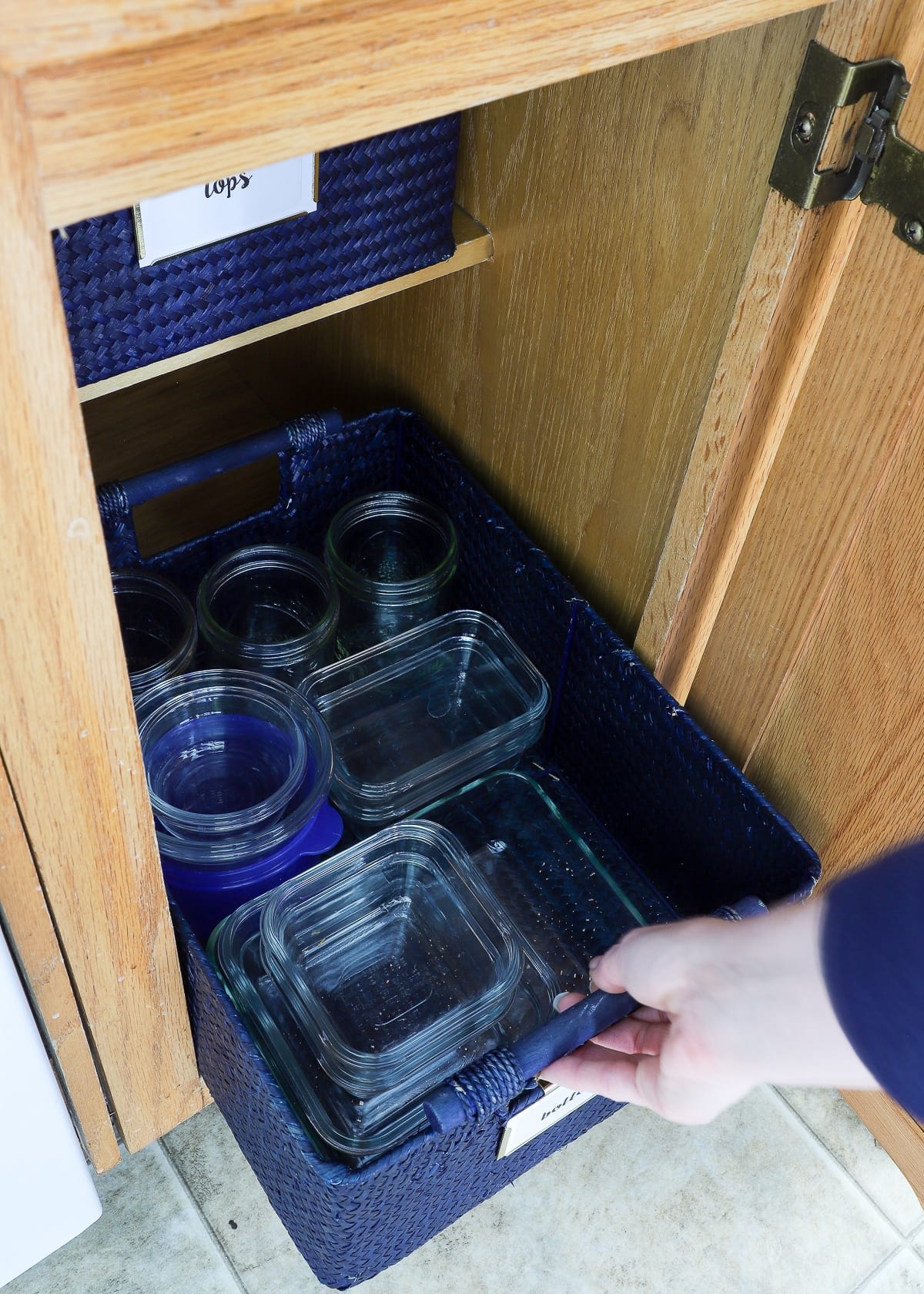
Glass containers offer a simple solution for storing food without plastic in the kitchen. They maintain freshness and are easy to clean. Perfect for preserving flavors, they help reduce plastic waste while keeping foods safe.
Are you tired of opening your kitchen cabinets only to find a sea of plastic containers cluttering the shelves? Consider making a change to glass containers for a more sustainable and aesthetically pleasing solution. Not only do they help reduce your environmental footprint, but they also offer several practical benefits that can transform your food storage practices.Benefits Of Glass
Glass containers are non-toxic and do not leach chemicals into your food, unlike some plastics. This makes them a safer choice for you and your family. They are also incredibly durable, often lasting for years without losing their clarity or structural integrity. If you’ve ever dropped a glass container, you know that they can withstand a fair amount of wear and tear. Glass is transparent, allowing you to easily see the contents inside. This can help reduce food waste since you’re more likely to use what you can see. Do you remember the last time you found an expired yogurt buried in the back of the fridge? Glass can help prevent those unpleasant surprises.Choosing The Right Glass
When selecting glass containers, consider the size and shape that best fit your storage needs. Round containers are great for soups and stews, while rectangular ones are ideal for stacking in the fridge or pantry. Look for glass containers with airtight lids to maintain the freshness of your food. Silicone or bamboo lids are excellent eco-friendly alternatives to plastic ones. Pay attention to the type of glass. Tempered glass is more resistant to sudden temperature changes, making it suitable for both freezer and oven use. This versatility can save you time and reduce the number of dishes you need to clean. Switching to glass containers might seem like a small change, but it can have a significant impact on your kitchen’s organization and your peace of mind. Are you ready to make the switch and experience the benefits for yourself?Metal Storage Solutions
Metal storage solutions offer a sustainable way to store food in kitchens. These containers keep food fresh without relying on plastic, making them eco-friendly and durable. Perfect for grains, spices, or leftovers, metal options ensure your kitchen remains organized and environmentally conscious.
Switching to metal storage solutions is a smart move for reducing plastic use in your kitchen. Metal containers not only offer durability but also keep your food fresh without absorbing odors. They are versatile, easy to clean, and add a modern touch to your kitchen decor.Stainless Steel Options
Stainless steel is a top contender for food storage. It’s non-toxic, doesn’t stain, and is resistant to rust. Imagine opening your pantry to find a line of gleaming stainless steel containers—it’s both practical and aesthetically pleasing. These containers come in various sizes. Whether you’re storing pasta, grains, or leftovers, there’s a stainless steel option to fit your needs. You can even find ones with silicone seals to ensure an airtight closure, preserving the freshness of your food. Cleaning them is a breeze. A quick rinse or toss in the dishwasher, and they are ready to be used again. Have you ever struggled with plastic containers getting stained by tomato sauce? Stainless steel solves that problem effortlessly.Using Metal Tins
Metal tins are another effective way to ditch plastic. They are perfect for storing dry goods like spices, tea, or coffee. With their compact shape, they fit neatly in your cupboards, keeping everything organized and within reach. Consider this: metal tins with transparent lids allow you to easily see the contents without opening them. This small feature can significantly cut down on time spent searching for ingredients during meal prep. You can also get creative with labeling. A simple chalk marker or a stylish label can transform ordinary tins into a chic kitchen display. Have you thought about how labeling can help others in your household find things easily, too? Using these metal storage solutions not only helps the environment but enhances the efficiency and look of your kitchen. How will you start integrating metal into your food storage routine today?Wooden Alternatives
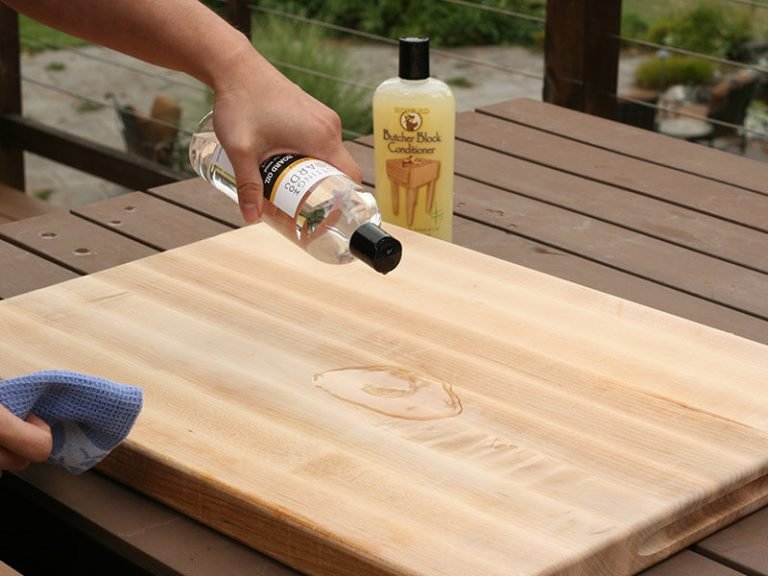
Wooden alternatives offer a sustainable way to store food in your kitchen. They are eco-friendly and naturally beautiful. These options help reduce plastic use and maintain a clean, natural aesthetic. Wooden containers and baskets are popular choices. They are durable and versatile for various kitchen needs.
Bamboo Containers
Bamboo containers are lightweight and sturdy. They provide excellent storage for dry goods. Store rice, pasta, or beans in them. Bamboo’s natural properties resist moisture. This keeps your food fresh for longer periods. The lids fit snugly, preventing air exposure. They look attractive on kitchen shelves or countertops. Bamboo containers also come in various sizes and shapes. You can stack them easily, saving space in your kitchen.
Wooden Baskets
Wooden baskets are perfect for storing fruits and vegetables. They allow air circulation, keeping produce fresh. Use them for apples, potatoes, or onions. Their natural appearance adds charm to your kitchen. Baskets are easy to clean and maintain. You can find them in different sizes to suit your needs. Choose baskets with handles for easy carrying. Wooden baskets are a practical and stylish storage solution.
Credit: thehomesihavemade.com
Ceramic And Clay Storage
Storing food without plastic in the kitchen is easy with ceramic and clay containers. These materials keep food fresh and are environmentally friendly. Say goodbye to plastic and embrace a natural way to preserve your meals.
Storing food without plastic in the kitchen can be a mindful practice that not only benefits the environment but also adds a touch of elegance to your space. One of the most charming alternatives is using ceramic and clay storage. These materials are not only aesthetically pleasing but also practical. They are durable, and natural, and can keep your food fresh for longer. Let’s dive into how ceramic jars and clay pots can become your kitchen’s best friends.Ceramic Jars
Ceramic jars come in various shapes and sizes, making them versatile for storing different types of food. They are perfect for dry goods like rice, beans, and spices. Imagine reaching for a beautifully crafted jar each time you cook. It adds a little joy to your daily routine. Ceramic is known for its insulating properties, helping maintain a steady temperature inside the jar. This can keep your grains and spices fresher for longer. Plus, they are easy to clean with just soap and water. To ensure you get the most out of ceramic jars, choose those with airtight lids. This prevents moisture and pests from spoiling your food. Are you ready to swap out your plastic containers?Clay Pot Usage
Clay pots are a fantastic option for storing cooked food. They are naturally porous, allowing air circulation which helps preserve the flavor of your dishes. Have you ever noticed how food tastes better when stored in clay? It’s not just a myth; it’s the magic of clay. You can use clay pots to store soups, stews, and even leftover pasta. They can go directly from the fridge to the oven, making reheating a breeze. However, clay pots need a little extra care. Always soak them in water before the first use to prevent cracking. And when cleaning, avoid harsh detergents to maintain their integrity. Consider clay pots for your kitchen, and experience the difference they make in your food storage. Are clay pots something you might try in your own kitchen?Fabric Wraps
Fabric wraps offer an eco-friendly way to store food without plastic. These reusable wraps keep food fresh and reduce waste. Perfect for wrapping sandwiches, covering bowls, or storing cheese, they are a simple and sustainable kitchen solution.
When it comes to storing food without plastic in your kitchen, fabric wraps are a fantastic alternative. They not only help reduce plastic waste but also add a touch of charm to your food storage routine. Imagine opening your fridge to see colorful wraps and covers instead of dull plastic. Fabric wraps are reusable, eco-friendly, and easy to clean. You’ll wonder why you didn’t switch sooner!Beeswax Wraps
Beeswax wraps are a game-changer in sustainable food storage. They’re made by infusing fabric with beeswax, which creates a sticky yet breathable surface. This makes them perfect for wrapping fruits, vegetables, and even sandwiches. To use beeswax wraps, simply mold them around your food or container using the warmth of your hands. They hold their shape and keep food fresh for longer. I found that they work wonders for covering bowls of salad or leftover pasta. Consider the convenience of not having to buy plastic wrap again. You can even create your own beeswax wraps at home with some beeswax pellets, jojoba oil, and cotton fabric. It’s a fun DIY project that also saves money!Cloth Covers
Cloth covers are another excellent option for avoiding plastic. These covers often come with elastic edges, making them easy to slip over bowls, plates, or jars. They’re perfect for storing leftovers or keeping your dough safe while it rises. You can find cloth covers in various sizes and designs. Some even have adorable patterns that brighten up your kitchen. I remember the first time I swapped my plastic wrap for a cloth cover on a bowl of cookie dough. It felt like a small victory against single-use plastic. Think about how easy it is to wash and reuse cloth covers. You toss them in the laundry, and they’re ready for the next use. Plus, they won’t cling to everything like plastic wrap does, making them hassle-free. Have you ever considered how much plastic waste you can eliminate by switching to fabric wraps? Embrace these eco-friendly alternatives and make a positive change in your kitchen. What’s holding you back from trying them?Repurposing Existing Materials
Storing food without plastic is easy by using glass jars or metal containers. Old cloth bags are perfect for dry goods. Repurposed ceramic bowls with lids can keep leftovers fresh.
Repurposing existing materials in your kitchen can be a creative and sustainable way to store food without relying on plastic. You might have items lying around that can transform into perfect storage solutions. This approach not only minimizes waste but also adds a touch of charm and nostalgia to your kitchen.Upcycling Glass Jars
Glass jars from sauces, jams, or even candles can find a new life in your kitchen. Their sturdy design makes them ideal for storing dry goods like grains, nuts, or spices. You can easily see what’s inside, reducing the risk of food going stale at the back of your pantry. Consider labeling these jars for easy identification. A simple adhesive label or a chalkboard sticker can do wonders. When you repurpose glass jars, you’re not just reducing plastic use; you’re also giving these items a second chance to be useful.Using Old Tins
Old tins, whether from cookies or teas, can be surprisingly versatile. They are perfect for storing baked goods, tea leaves, or even as a container for your homemade snacks. Their airtight nature keeps food fresh, making them a practical choice. Before using, ensure they are clean and free from any lingering odors. A quick wash and dry can make them as good as new. You can even paint or decorate them for a personalized touch, adding character to your storage solutions. Have you ever thought about the potential of these everyday items? By repurposing them, you not only cut down on plastic waste but also craft a kitchen space that is uniquely yours.Innovative Eco-friendly Solutions
Storing food without plastic helps reduce waste. Glass jars and metal containers offer safe, reusable alternatives. Beeswax wraps and cloth bags also keep food fresh, minimizing environmental impact.
Switching to eco-friendly kitchen practices can seem challenging, but innovative solutions make it easier than you might think. Imagine walking into your kitchen and finding it free from plastic clutter. This change not only benefits the environment but also enhances your cooking experience.Biodegradable Bags
Biodegradable bags are a fantastic alternative to plastic. These bags break down naturally and are often made from plant-based materials. They work perfectly for storing fruits, vegetables, and even leftovers. You might wonder about their durability. Surprisingly, they can be quite sturdy and versatile. Consider keeping a stash in your kitchen for your daily needs.Compostable Containers
Compostable containers are another eco-friendly gem. Unlike traditional plastic, these containers can decompose in a compost pile. They’re excellent for storing everything from grains to snacks. You may worry about their availability, but many stores now carry a variety of sizes and styles. Start small—perhaps with a set of containers for your pantry essentials. Have you thought about how these changes could impact your waste output? By integrating these solutions, you not only reduce plastic usage but also contribute to a healthier planet. Plus, they add an aesthetic appeal to your kitchen that plastic simply can’t match. Making the switch to these eco-friendly options doesn’t have to be overwhelming. Could this be the step your kitchen needs towards a greener lifestyle?Proper Storage Techniques
Storing food without plastic is kinder to the planet. It also keeps food fresh and flavorful. Proper storage techniques can help achieve this goal. Exploring alternatives can make your kitchen more sustainable. Learn how to manage temperature and humidity for optimal results.
Temperature Control
Temperature plays a crucial role in food preservation. Use glass containers to keep foods chilled. Mason jars work well for soups and stews. Place them in the fridge to maintain freshness. For dry goods, use ceramic jars at room temperature. This prevents spoilage and extends shelf life.
Humidity Management
Humidity affects food texture and quality. Use cloth bags for fruits and vegetables. They allow air circulation and prevent moisture build-up. Store leafy greens in damp towels. This keeps them crisp and prevents wilting. Wooden crates are ideal for root vegetables. They maintain the right humidity levels. This ensures longevity and flavor retention.
Maintaining Freshness Without Plastic
Explore ways to keep food fresh without using plastic. Opt for glass containers, cloth wraps, and beeswax wraps. These alternatives preserve flavor and reduce waste, offering eco-friendly kitchen storage solutions.
Maintaining freshness without plastic is not just a trend; it’s a sustainable choice. Embracing natural preservation methods in your kitchen can be surprisingly effective. You’ll discover practical ways to keep your food fresh, all while reducing plastic waste. Imagine your kitchen filled with vibrant, fresh produce, stored using timeless techniques. It’s simpler than you think and can be easily integrated into your daily routine.Natural Preservation Methods
Using natural preservation methods can be as easy as using what’s already in your kitchen. One effective way is to use beeswax wraps. These can replace plastic wrap and keep your food fresh. They mold to the shape of your food and are reusable. Another approach is using glass jars. They’re airtight and perfect for storing grains, nuts, and even leftovers. Your food remains fresh, and you can see what’s inside without opening them. Consider using cloth bags for your produce. They allow air circulation, keeping your veggies crisp. Have you tried storing potatoes in a cool, dark place? This simple method can extend their shelf life significantly.Seasonal Storage Tips
Seasonal storage is about using nature’s rhythm to your advantage. In summer, fruits like berries and cherries can be frozen. Freezing preserves their taste and nutritional value, ready for your smoothies or pies. During fall, root vegetables like carrots and beets are in abundance. Store them in sand to maintain their freshness. This old-school technique can keep them crisp for months. In winter, consider fermenting. Cabbage can be turned into sauerkraut, a deliciously tangy addition to your meals. It’s not just about preservation; it’s a new culinary adventure. Have you ever thought about drying herbs in spring? A bunch of fresh basil can be dried and stored in airtight containers. This way, you capture the essence of spring to use all year round. Storing food without plastic is not only doable but rewarding. What new method will you try next in your kitchen?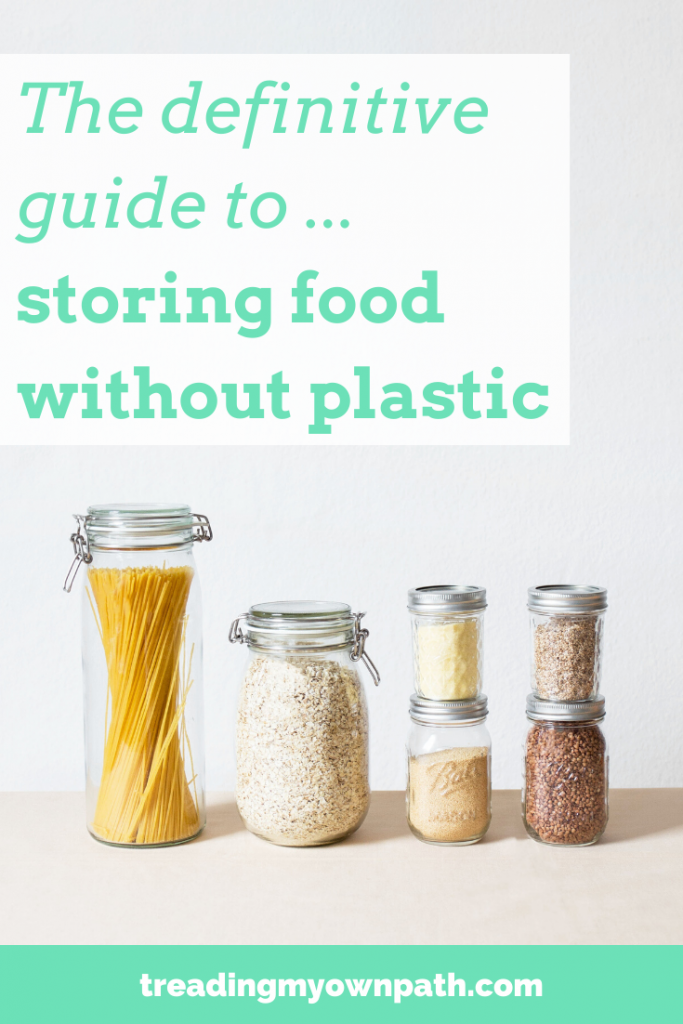
Credit: treadingmyownpath.com
Frequently Asked Questions
What To Use Instead Of Plastic To Store Food?
Glass containers and stainless steel are great alternatives to plastic for storing food. Use silicone bags for flexibility. Opt for bamboo or wooden containers for dry goods. These options are sustainable, durable, and safe for food storage, reducing plastic waste and keeping your food fresh.
How To Go Plastic-free In Kitchen?
Replace plastic containers with glass jars. Use beeswax wraps instead of plastic wrap. Opt for wooden utensils. Choose stainless steel or ceramic for cookware. Buy groceries in bulk using cloth bags.
How To Store Food Plastic-free?
Store food using glass jars, stainless steel containers, or beeswax wraps. Opt for cloth bags for grains. Use silicone bags for liquids. Choose wooden or bamboo storage for bread. Avoid plastic and go for eco-friendly options to keep food fresh and reduce waste.
How To Store Food Without Plastic Collage?
Store food in glass containers, stainless steel jars, or beeswax wraps. Use cloth bags for groceries. Opt for silicone zip bags for leftovers. Store produce in breathable fabric bags. Keep bread in cloth bags or beeswax wraps. Avoid plastic and go for sustainable alternatives to maintain freshness and safety.
Conclusion
Choosing to store food without plastic benefits both health and planet. Glass jars keep freshness and are easy to clean. Cloth bags work well for dry items. Beeswax wraps cover leftovers naturally. Stainless steel containers last longer and resist stains.
These choices reduce waste and protect food. Simple steps make a big difference. Start today. Feel good about helping the environment. Your kitchen can be plastic-free and eco-friendly. Remember, small changes lead to big results. Embrace sustainable practices for a better future.
Enjoy a cleaner, greener kitchen.

I’m Abby Lu, a passionate home cook who loves simplifying everyday meals. At PlugChef.com, I share product reviews and cooking guides to help you find the best tools for your kitchen.
Related posts:
 What Type of Cooking Utensils are Safe: Expert Picks
 What Innovations Could Blenders Make: Unleashing Future Tech
 Smart Strategies to Organize a Small Kitchen: Maximize Space
 How to Organize a Kitchen Cabinet: Expert Tips & Tricks
 How to Organize Kitchen Drawers: Expert Tips and Tricks
 How to Organize a Corner Kitchen Cupboard: Expert Tips