

You’ve just sliced fresh mushrooms for your meal, but now you wonder how to keep them fresh and tasty. Storing cut mushrooms the right way can make all the difference between a delicious dish and a disappointing one.
If you want to avoid slimy, darkened mushrooms that spoil quickly, this guide is for you. Keep reading to discover simple tips that will help your mushrooms stay fresh longer, save you money, and make your cooking easier every time.
Choosing The Right Mushrooms
Choosing the right mushrooms is the first step to ensure your cut mushrooms stay fresh longer and taste great. Not all mushrooms handle cutting and storage the same way. Knowing which varieties work best and how to pick fresh ones can make a big difference in your cooking and storage results.
Best Varieties For Cutting
Some mushrooms hold their texture and flavor better after cutting. Button mushrooms, cremini, and portobello are great choices because they stay firm and don’t release too much moisture. Shiitake mushrooms also work well, especially if you want a richer flavor.
Avoid delicate types like enoki or oyster mushrooms for cutting since they can become slimy quickly. Think about what you plan to cook and how long you want to store them before deciding which variety to buy.
Signs Of Freshness To Look For
Fresh mushrooms should feel firm and dry to the touch, not slimy or sticky. Check for smooth caps without wrinkles or dark spots. The gills underneath the cap should be tight and not overly darkened or dried out.
Smell your mushrooms; fresh ones have a mild, earthy aroma. If they smell sour or strong, it’s a sign they are past their prime. Choosing mushrooms with these fresh qualities gives you a better chance at longer storage and tastier dishes.

Credit: food52.com
Preparing Mushrooms For Storage
Preparing mushrooms for storage is key to keeping them fresh and tasty. Proper preparation slows down spoilage and preserves flavor. Clean mushrooms carefully and cut them right before storing. These steps help maintain their texture and prevent browning. Follow simple tips for the best results.
Cleaning Methods
Remove dirt gently without soaking mushrooms in water. Mushrooms absorb water quickly, which causes softness. Use a soft brush or damp paper towel to wipe dirt off. Avoid rinsing under running water. If mushrooms are very dirty, rinse quickly and dry immediately with a clean cloth. Keep them dry to prevent mold growth during storage.
Proper Cutting Techniques
Cut mushrooms just before storing for longer freshness. Use a sharp knife to avoid crushing. Slice or chop evenly to ensure uniform drying or freezing. Remove tough stems if they feel hard or dry. Keep pieces similar in size for better cooking later. Cutting properly helps maintain flavor and texture during storage.
Storage Containers And Materials
Store cut mushrooms in a paper towel-lined container to absorb moisture. Keep the container loosely closed to allow air flow and prevent sogginess. Avoid airtight containers, which can make mushrooms spoil faster.
Storing cut mushrooms properly is crucial to maintaining their freshness and flavor. The right storage containers and materials can make all the difference in prolonging the life of your mushrooms. Whether you’re preparing a week’s worth of meals or saving leftovers, understanding the best storage methods can help you avoid waste and enjoy your mushrooms longer.Using Airtight Containers
Airtight containers are your go-to choice for keeping mushrooms fresh. They prevent moisture from escaping, which is key to maintaining the mushrooms’ texture and taste. Choose a container that fits your fridge space and mushroom quantity to avoid overcrowding. Glass containers are excellent because they don’t absorb odors, ensuring your mushrooms maintain their earthy aroma. Plastic containers work too, just make sure they are BPA-free. Remember to clean the containers thoroughly between uses to prevent bacterial growth.Paper Towels And Breathable Bags
Paper towels are surprisingly effective in mushroom storage. They help absorb excess moisture, which can otherwise lead to slimy mushrooms. Wrap your cut mushrooms in a paper towel and place them in a breathable bag. Breathable bags, like mesh or perforated plastic bags, allow air circulation, reducing the risk of condensation. If you’ve ever found mushy mushrooms in your fridge, give this method a try. It’s a simple solution that can make a noticeable difference in freshness. Have you experimented with both methods? If so, which one do you find more effective for your lifestyle and kitchen habits? Give these tips a try and enjoy fresher mushrooms for your next culinary adventure.Ideal Storage Conditions
Storing cut mushrooms properly keeps them fresh longer and tasty. Ideal storage conditions stop mushrooms from drying out or turning slimy. Temperature and humidity levels play a big role in how well mushrooms last after cutting. Setting the right environment helps maintain their texture and flavor.
Optimal Temperature Settings
The best temperature for storing cut mushrooms is between 34°F and 40°F (1°C to 4°C). At this cool range, mushrooms slow down spoilage and bacterial growth. Avoid temperatures above 40°F, as warmth speeds decay. Freezing cut mushrooms is not recommended unless cooked first. Keep them in the refrigerator’s main compartment, not the door.
Humidity Control Tips
Mushrooms need a slightly humid environment to stay fresh. Too much moisture makes them soggy and slimy. Too little moisture causes drying and browning. Use a paper towel to absorb extra water inside the storage container. Store mushrooms in a breathable container or loosely covered with a lid. Avoid airtight plastic bags that trap moisture and cause rot.
Freezing Cut Mushrooms
Freezing cut mushrooms is a smart way to keep them fresh longer. It preserves their texture and flavor for future use. Proper freezing stops spoilage and reduces waste.
Preparing mushrooms right before freezing helps maintain their quality. Follow simple steps to freeze them safely and enjoy their taste later.
Blanching Before Freezing
Blanching mushrooms helps keep their color and texture. It removes dirt and slows enzyme action that causes spoilage.
- Boil water in a pot.
- Add cut mushrooms for 1 to 2 minutes.
- Remove mushrooms and place in ice water immediately.
- Drain mushrooms well to avoid ice crystals.
This quick process helps mushrooms freeze better and taste fresh after thawing.
Packaging For Freezer Storage
Proper packaging protects mushrooms from freezer burn. Use airtight containers or freezer bags.
- Pat mushrooms dry before packing.
- Use small portions for easy thawing.
- Remove as much air as possible from bags.
- Label bags with date and content.
Store mushrooms flat in the freezer to save space and freeze evenly.
Signs Of Spoiled Mushrooms
Knowing the signs of spoiled mushrooms helps keep food safe. Mushrooms spoil quickly and can cause stomach problems. Spotting bad mushrooms early stops you from eating them by mistake. Certain visual and sensory clues show when mushrooms go bad. Learn these signs to store and use mushrooms properly.
Visual Indicators
- Dark spots or patches appear on the mushroom surface.
- The edges of the mushroom cap turn dark or shriveled.
- White or green mold starts growing on the mushrooms.
- The mushroom color changes from fresh white to brown or black.
- Mushrooms look slimy or wet instead of dry and firm.
Texture And Smell Changes
- Mushrooms feel soft, mushy, or sticky to the touch.
- The surface loses its firmness and becomes limp.
- An unpleasant, sour, or musty odor comes from the mushrooms.
- Fresh earthy smell disappears and turns into a foul scent.
- Mushrooms lose their natural texture and become slimy.
Using Stored Mushrooms Safely
Using stored mushrooms safely is important for health and taste. Mushrooms can spoil quickly if not handled well. Proper storage keeps them fresh longer and prevents foodborne illness.
Check stored mushrooms for sliminess or bad smell before cooking. Discard any that look or smell off. Use clean hands and utensils when handling them to avoid contamination.
Cooking Tips For Stored Mushrooms
Cook mushrooms thoroughly to kill bacteria and improve flavor. Avoid washing mushrooms with water before cooking, as they absorb moisture easily. Instead, wipe them with a damp cloth or brush off dirt.
Use stored mushrooms in soups, stir-fries, or sauces. Cook on medium heat until they turn golden and release moisture. Proper cooking enhances texture and removes any bitterness.
Avoiding Food Waste
Plan meals to use stored mushrooms quickly. Freeze leftover cooked mushrooms for later recipes. Store raw mushrooms in paper bags to keep them dry and fresh.
Slice mushrooms only when ready to cook. This reduces spoilage and waste. Use small portions at a time to avoid throwing away unused mushrooms.
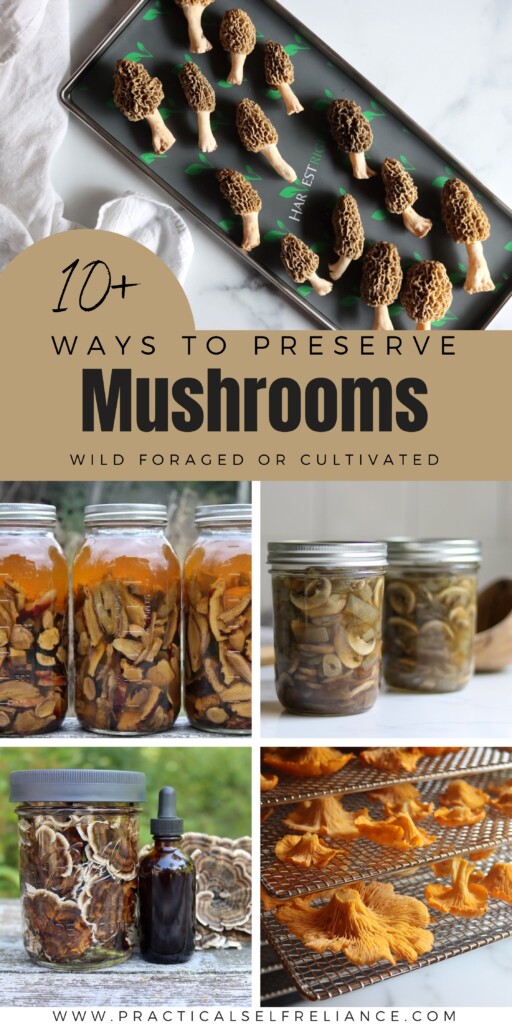
Credit: practicalselfreliance.com

Credit: www.aol.com
Frequently Asked Questions
How Long Can Cut Mushrooms Be Stored?
Cut mushrooms can be stored for 1 to 2 days in the refrigerator. Keep them in a paper towel-lined container to absorb moisture and prevent spoilage.
What Is The Best Container For Storing Cut Mushrooms?
Use a breathable container like a paper bag or a container lined with paper towels. Avoid airtight containers to prevent moisture buildup and sliminess.
Can Cut Mushrooms Be Frozen For Later Use?
Yes, cut mushrooms can be frozen. Blanch them briefly, then freeze in an airtight container to maintain texture and flavor.
Should Cut Mushrooms Be Washed Before Storage?
Do not wash cut mushrooms before storing. Excess moisture causes faster spoilage. Clean them just before cooking.
Conclusion
Storing cut mushrooms right keeps them fresh longer. Use a paper towel to absorb extra moisture. Place mushrooms in a breathable container or paper bag. Keep them in the fridge, not the freezer. Check mushrooms daily and use them soon.
Fresh mushrooms taste better and stay safe to eat. Small steps make a big difference in food storage. Enjoy your mushrooms in salads, soups, or stir-fries. Simple care helps reduce food waste and saves money. Try these tips for better mushroom storage today.

I’m Abby Lu, a passionate home cook who loves simplifying everyday meals. At PlugChef.com, I share product reviews and cooking guides to help you find the best tools for your kitchen.
Related posts:
 What Type of Cooking Utensils are Safe: Expert Picks
 What Innovations Could Blenders Make: Unleashing Future Tech
 Smart Strategies to Organize a Small Kitchen: Maximize Space
 How to Organize a Kitchen Cabinet: Expert Tips & Tricks
 How to Organize Kitchen Drawers: Expert Tips and Tricks
 How to Organize a Corner Kitchen Cupboard: Expert Tips

