
Have you ever been working hard, only to have your safety goggles fog up and block your view? It’s frustrating, dangerous, and can slow you down.
You want to stay safe and focused, but foggy goggles get in the way. What if you could stop that annoying fog from forming in the first place? Keep reading, because this article will show you simple, effective ways to keep your safety goggles clear—so you can see better, work safer, and feel confident every time you put them on.
Causes Of Fogging
Fogging on safety goggles happens because of simple physical changes. Understanding these causes helps prevent fog and keeps your vision clear. Fog forms when tiny water droplets collect on the goggles’ surface. This usually happens due to three main factors.
Temperature Differences
Fog forms when warm air meets cooler goggles. The warm air carries moisture that turns into water droplets on the cold lens. This is common in places where the inside and outside temperatures differ a lot. For example, moving from a cold room to a warm one can cause fog.
Moisture And Sweat
Body heat creates sweat, which adds moisture to the air inside the goggles. This moisture stays trapped and condenses on the lenses. High physical activity or hot environments increase sweat and fog risks. The more sweat, the faster fog appears on the goggles.
Poor Ventilation
Goggles without good airflow trap moisture inside. Lack of ventilation stops the moisture from escaping. This creates a humid environment that leads to fog. Proper vents or breathable materials allow air to flow and reduce fogging.
Choosing The Right Goggles
Choosing the right safety goggles is key to preventing fogging. Not all goggles handle moisture and heat the same way. Selecting features designed to reduce fog helps keep vision clear and safe.
Focus on goggles that combine comfort with effective anti-fog technology. Good goggles fit well and allow air flow without letting dust or debris in. Quality materials also play a big role in stopping fog.
Anti-fog Coatings
Anti-fog coatings create a thin layer on the lens. This layer stops water droplets from forming. It spreads moisture evenly, keeping the lens clear. Some coatings last longer than others. Choose goggles with strong, durable anti-fog treatments for best results.
Ventilated Frames
Ventilated frames allow air to pass through the goggles. This air flow reduces heat and moisture build-up inside. Small vents near the lenses or sides work well. Proper ventilation keeps your face cool and prevents fog from settling.
Material Quality
High-quality materials improve comfort and fog resistance. Soft foam or rubber seals block sweat and heat from escaping. Polycarbonate lenses resist scratches and fog better than plastic. Durable frames hold their shape and fit tightly. Choose goggles made with reliable, well-tested materials for long-term use.
Cleaning Techniques
Wiping safety goggles with soapy water creates a thin film that stops fog from forming. Keeping goggles dry and clean also helps maintain clear vision during use.
Cleaning your safety goggles regularly can reduce fogging. Proper cleaning ensures clear vision and prolongs the life of your goggles. Below are effective cleaning techniques to keep your goggles fog-free.Using Mild Soap And Water
Start by rinsing the goggles with warm water. This removes surface dirt. Apply a small amount of mild soap. Gently rub the lenses with your fingers. Avoid scrubbing too hard. Rinse thoroughly to remove soap residue. Dry with a soft, clean cloth. This simple method keeps your goggles clean and reduces fogging.Applying Anti-fog Solutions
Anti-fog solutions are designed to prevent fog build-up. Apply a few drops to the inside of the lenses. Spread evenly with your fingers or a soft cloth. Let it sit for a few minutes. Rinse with water and dry. This creates a thin film that prevents moisture condensation. Regular application keeps your goggles clear.Avoiding Abrasive Cleaners
Abrasive cleaners can scratch the lenses. Scratches make fogging worse. Use only gentle cleaners. Avoid bleach or strong chemicals. They can damage the protective coating. Stick to mild soap and designated anti-fog solutions. Proper care ensures your goggles remain effective and clear.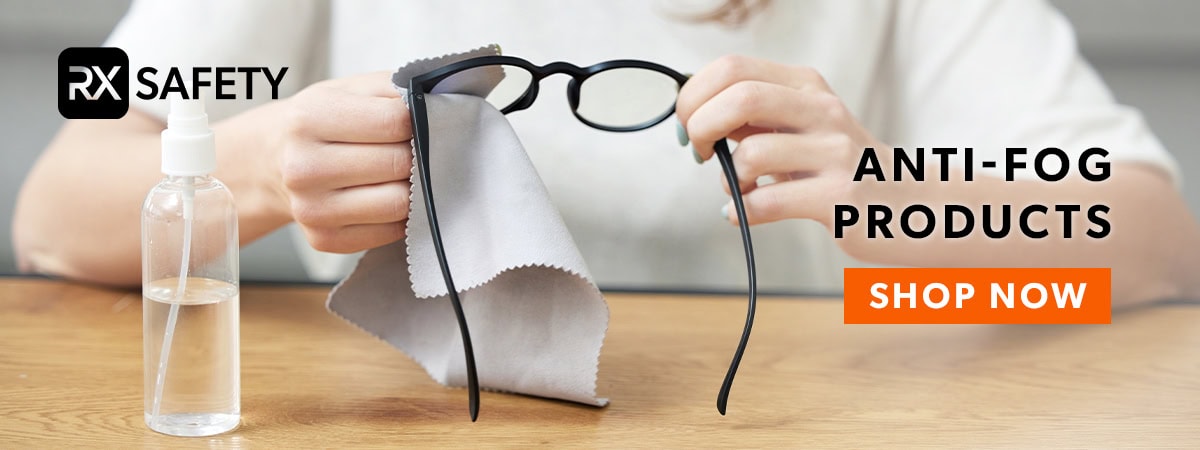
Credit: rx-safety.com
Diy Anti-fog Methods
Foggy safety goggles reduce visibility and can be dangerous. Clearing fog quickly improves safety and comfort. DIY anti-fog methods use items found at home. These tricks create a thin film to stop moisture build-up. Simple to apply and gentle on lenses, they work well for daily use.
Soap And Water Trick
This method uses a mild soap to prevent fog. Wet the inside of your goggles with water. Add a drop of liquid soap and spread it evenly. Let it sit for a minute, then rinse lightly. Do not wash off all the soap. The leftover layer stops fog from forming.
Shaving Cream Application
Shaving cream forms a smooth barrier on the lens. Apply a small amount to the inside surface. Use a soft cloth to rub it gently in circles. Leave it for a few minutes, then wipe off excess cream. The thin film helps keep the goggles clear.
Baby Shampoo Method
Baby shampoo is gentle and effective against fog. Put a drop of shampoo on the lens interior. Spread it with your finger or a soft cloth. Rinse lightly to keep a thin layer of shampoo. This layer prevents moisture from sticking to the goggles.
Proper Wearing Habits
Proper wearing habits can make a big difference in preventing your safety goggles from fogging up. How you position and adjust your goggles affects airflow and moisture buildup. Paying attention to these small details can save you from constantly wiping your lenses and losing focus.
Adjusting Fit For Airflow
Your goggles should fit snugly but not block all airflow. Leaving a tiny gap allows fresh air to circulate and reduces fogging. Try adjusting the straps so the goggles sit comfortably without pressing too hard against your face.
If you notice fog forming quickly, check if the goggles are sealed too tightly around your nose or cheeks. A slight shift in position can help air move freely. Have you ever tried lifting your goggles just a little to see if the fog clears faster? That small movement can be a simple fix.
Avoiding Over-tightening
It’s tempting to tighten the straps to keep goggles from slipping, but over-tightening traps heat and moisture inside. This creates a warm, humid space perfect for fog to form. Loosen the straps just enough to secure the goggles without squeezing your skin.
Think about how you feel when wearing a tight hat or headband—it gets warm and sweaty fast, right? Your goggles work the same way. Let your skin breathe under the goggles to reduce sweat buildup and fog.
Using Goggles With Masks
Wearing a mask with goggles can increase fogging because your breath escapes upward. To fix this, make sure your mask fits well and sits snugly on your nose. Using masks with adjustable nose bridges helps channel your breath away from the lenses.
Some people tape the top edge of their mask to their face to block air from escaping. Have you tried that yet? It’s a simple trick that can keep your goggles clear, especially during long work sessions or outdoor activities.

Credit: www.youtube.com
Maintenance And Storage
Proper maintenance and storage keep safety goggles clear and fog-free. Careful handling extends their life and improves safety. Follow simple steps to keep your goggles clean and ready.
Drying After Use
Always dry goggles after use. Wipe them gently with a soft, clean cloth. Avoid rough materials that can scratch the lenses. Let them air dry fully before storing to prevent moisture build-up.
Safe Storage Practices
Store goggles in a cool, dry place. Use a hard case or protective pouch to avoid damage. Keep them away from direct sunlight and heat sources. Avoid placing heavy objects on top to prevent deformation.
Regular Inspection
Check goggles regularly for scratches, cracks, or dirt. Inspect the foam and straps for wear or damage. Replace any parts that reduce visibility or comfort. Clean lenses often to maintain clear vision.

Credit: www.safetyandhealthmagazine.com
Frequently Asked Questions
Why Do Safety Goggles Fog Up Quickly?
Safety goggles fog due to moisture from breath or sweat. Warm, humid air meets the cooler lens surface, causing condensation. Proper ventilation and anti-fog coatings help reduce this effect, ensuring clear vision during use.
How Can I Prevent Goggles From Fogging Naturally?
You can prevent fogging by cleaning goggles with mild soap and water. Let them air dry to maintain the anti-fog layer. Also, avoid touching the inside lens to keep the surface clear and fog-free.
Are Anti-fog Sprays Effective For Safety Goggles?
Yes, anti-fog sprays create a thin film that reduces condensation. They are easy to apply and improve visibility. Regular use can significantly prevent fogging, especially in high-humidity or intense work environments.
Can I Use Household Items To Stop Fogging?
Household items like shaving cream or vinegar can help. Apply a small amount, spread evenly, then rinse lightly. These create a temporary anti-fog layer but need frequent reapplication for best results.
Conclusion
Stopping safety goggles from fogging up is easier than it seems. Use simple tips like cleaning lenses regularly and applying anti-fog sprays. Wearing goggles properly also helps air flow and reduces fog. Try using mild soap or toothpaste for a quick fix.
These small steps make a big difference during work or activities. Clear vision keeps you safe and comfortable all day long. Stay focused and protect your eyes without fog blocking your view. Keep these easy methods in mind for fog-free goggles every time.

Hi, I’m Daniel Brooks—a food lover and kitchen gear enthusiast. I enjoy testing cookware, utensils, and gadgets to see what really works in everyday cooking. At PlugChef.com, I share honest reviews, comparisons, and simple guides to help you choose the best tools for a safer, smarter, and more enjoyable kitchen.
Related posts:
 What Type of Cooking Utensils are Safe: Expert Picks
 What Innovations Could Blenders Make: Unleashing Future Tech
 Smart Strategies to Organize a Small Kitchen: Maximize Space
 How to Organize a Kitchen Cabinet: Expert Tips & Tricks
 How to Organize Kitchen Drawers: Expert Tips and Tricks
 How to Organize a Corner Kitchen Cupboard: Expert Tips