

Do you find your paper cutting board blade is not slicing as smoothly as it used to? It’s frustrating when a once sharp blade starts to tear instead of cut.
Imagine the satisfaction of seeing clean, precise cuts every time you use your board. You can achieve this with a well-sharpened blade. You don’t need to be a professional to sharpen it yourself. With just a little guidance, you’ll have your cutting tool performing like new.
Curious about how to make that happen? Let’s dive into the steps to regain that perfect edge, ensuring your projects are always neat and precise.
Choosing The Right Tools
Choosing the right tools for sharpening your paper cutting board blade is crucial. It can make the difference between a smooth cut and a frustrating experience. You might be surprised by how much a properly sharpened blade can transform your paper cutting tasks.
Essential Sharpening Tools
Let’s dive into the essential tools you need. A sharpening stone is your primary tool. You’ll also need a guide to maintain the correct angle. A honing oil can help reduce friction and ensure a smooth sharpening process.
Consider adding a clamp or vice to your toolkit. It holds your blade steady while you work. This prevents accidental slips and helps maintain precision.
Don’t forget protective gloves. Safety should always be a priority. They protect your hands from accidental cuts and make handling the blade easier.
Selecting The Appropriate Stone
Choosing the right stone is key. Different stones suit different blades. A medium-grit stone is ideal for most paper cutter blades. It balances sharpness and durability.
Diamond stones offer precision and longevity. They are more expensive but worth it for frequent use. If you’re sharpening occasionally, a water stone can be more economical.
Consider your blade type and frequency of use. A soft blade might need a finer grit stone. Think about the results you want. Would you prefer a blade that slices like butter or one that stays sharp longer?
What’s your sharpening routine? Have you explored different tools or stones? Share your experiences in the comments below. Your insights might help someone choose the perfect tool for their needs.
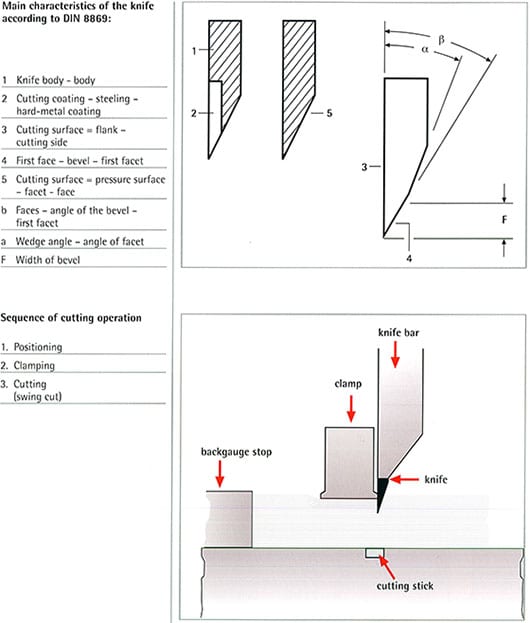
Credit: www.papercutters.com
Preparing The Blade
Sharpening a paper cutting board blade requires careful preparation. First, remove the blade safely from the board. Clean it thoroughly to remove any debris, ensuring a smooth sharpening process.
Preparing the blade of your paper cutting board is an essential step in ensuring clean, precise cuts every time. You might have noticed that your cuts aren’t as sharp as they used to be. That’s your cue to give some attention to the blade. Before you start, it’s crucial to get everything ready for a smooth sharpening process. Let’s dive into the details of what you need to know.Safety Precautions
Your safety is paramount when dealing with sharp objects. Always wear protective gloves to shield your hands from accidental cuts. Ensure your workspace is well-lit and free from clutter. A clean area reduces the risk of mishaps. Consider using safety goggles to protect your eyes. Tiny metal fragments can fly off unexpectedly during sharpening.Removing The Blade
To sharpen the blade effectively, you need to remove it from the cutting board. Check the manufacturer’s instructions for guidance. Use a screwdriver to unscrew the blade from its holder. Keep these screws in a safe place to avoid losing them. Once removed, handle the blade carefully. It’s crucial to maintain its integrity and avoid damage during the process. Removing the blade might seem daunting, but once you get the hang of it, you’ll feel empowered. Have you ever thought about how a simple action like this can transform your cutting experience? Preparing your blade is just the beginning. It sets the stage for a sharper, more efficient cutting tool. Ready to tackle the next step?Sharpening Techniques
Keeping your paper cutting board blade sharp is essential for precise cuts. Dull blades can lead to rough edges and wasted paper. Sharpening techniques can restore your blade’s edge, ensuring clean cuts every time. There are two main methods: manual sharpening and using an electric sharpener.
Manual Sharpening Steps
Manual sharpening requires a sharpening stone or whetstone. Start by wetting the stone with water or oil. This reduces friction and helps achieve a finer edge. Hold the blade at a 20-degree angle to the stone. Slide the blade across the stone in a sweeping motion. Ensure even pressure throughout the stroke. Repeat this process several times on each side of the blade. Check the edge regularly to ensure it’s even. Once sharp, clean the blade to remove any metal shavings.
Using An Electric Sharpener
Electric sharpeners offer a quick way to sharpen blades. These devices guide the blade through spinning abrasive wheels. Turn on the sharpener and gently insert the blade. Let the machine do the work, pulling the blade through steadily. Repeat this process a few times for optimal sharpness. Ensure the blade doesn’t overheat during sharpening. Electric sharpeners are convenient, but they may remove more material than manual methods. Always follow the manufacturer’s instructions for best results.
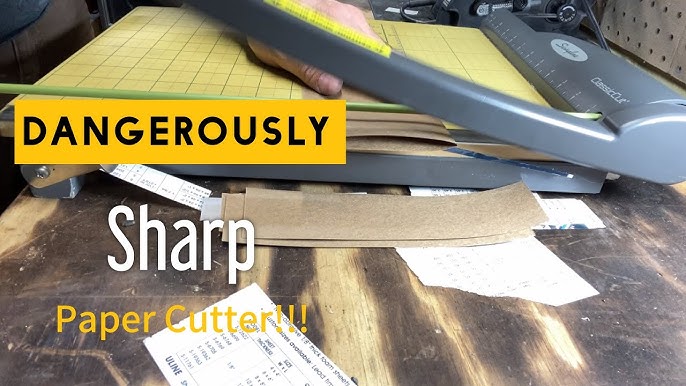
Credit: www.youtube.com
Testing Sharpness
Testing the sharpness of a paper cutting board blade is crucial. A sharp blade ensures clean cuts and increases efficiency. This section guides you through simple methods to check blade sharpness.
Paper Test Method
The paper test method is straightforward. Use a regular sheet of paper. Hold it firmly with one hand. With the other hand, glide the blade through the paper. A sharp blade slices smoothly without tearing. If the paper rips or requires force, the blade needs sharpening.
Visual Inspection
Visual inspection is another effective method. Examine the blade edge closely. Look for visible nicks or rough spots. A sharp blade has a smooth edge. A dull blade appears jagged or uneven. Use good lighting to see imperfections clearly. This helps determine if sharpening is needed.
Maintaining The Blade
Sharpening a paper cutting board blade ensures clean cuts and extends its lifespan. Use a sharpening stone with gentle strokes to maintain the blade’s edge. Regular sharpening prevents jagged cuts and keeps the board functional.
Maintaining the blade of your paper cutting board is essential for ensuring clean cuts and prolonging the life of your equipment. A sharp blade not only enhances precision but also prevents accidents caused by uneven or jagged edges. If you’ve ever struggled with a dull blade, you know the frustration it brings. But what if you could keep your blade sharp and ready with just a few simple maintenance steps? Let’s dive into how you can keep your paper cutter blade in top shape with regular cleaning tips and proper storage advice.Regular Cleaning Tips
Regular cleaning is crucial for maintaining the sharpness of your blade. Dust and paper residue can dull the blade over time, affecting its performance. Start by gently wiping the blade with a soft, damp cloth after each use. This helps remove any tiny paper particles stuck on the edge. Once a week, use a mild detergent mixed with water to clean the blade thoroughly. Dry it completely to prevent rusting. Consider using a small brush to reach into grooves and corners. This ensures every bit of debris is removed, keeping your blade in peak condition. Remember, a clean blade is a sharp blade. How often do you clean your blade?Proper Storage Advice
Proper storage is just as important as regular cleaning. Leaving your blade exposed can lead to damage and dullness. Always store your paper cutter in a dry area. Moisture can cause rust, which dulls the blade and reduces its lifespan. Use a blade cover or sheath to protect the edge when not in use. This minimizes the risk of accidental nicks and keeps it sharp. Keep your paper cutter in a location where it won’t be knocked over or damaged. A dedicated shelf or drawer is ideal. Are you storing your blade properly? You might be surprised at how much longer it lasts with these simple storage tips. By following these maintenance steps, you ensure that your paper cutting board blade remains sharp and efficient. A little care goes a long way in maintaining the performance of your equipment.Troubleshooting Common Issues
Sharpening a paper cutting board blade involves cleaning and honing. Regular maintenance prevents dullness. Use a sharpening stone, following the blade’s angle carefully to restore its edge effectively.
Troubleshooting common issues with your paper cutting board blade can be a game-changer for maintaining precision and efficiency. Whether you’re a professional designer or someone who loves crafting, knowing how to handle common problems can save you time and frustration. Let’s dive into some practical solutions for two frequent issues: chipped blades and uneven edges.Dealing With Chipped Blades
Encountering a chipped blade can be frustrating, especially when you’re in the middle of a project. The good news is, you don’t always need to replace the blade immediately. Inspect the blade carefully to assess the extent of the damage. If the chip is minor, a whetstone or sharpening stone can help you smooth it out. Hold the blade at a consistent angle and gently run it across the stone. Keep checking the blade to ensure that you’re not over-sharpening one side. For larger chips, consider using a grinding tool to reshape the blade. Always wear protective gear and work slowly. Remember, patience is key.Addressing Uneven Edges
Uneven edges can ruin the clean lines of your work, but this issue is often easy to fix. First, check if the blade is properly aligned in its holder. A misaligned blade can lead to uneven cuts. Make sure it’s seated securely. If alignment isn’t the issue, try sharpening the blade evenly. An unevenly sharpened blade can create inconsistent edges. Use a sharpening tool and apply the same amount of pressure along the entire length of the blade. Have you ever noticed that your cuts are consistent after changing the sharpening technique? Experimenting with different tools and methods can reveal what works best for your specific board. By addressing these common issues, you can extend the life of your paper cutting board blade and improve your cutting precision. What other troubleshooting tips have you found helpful in maintaining your tools?
Credit: www.tiktok.com
Frequently Asked Questions
How To Sharpen A Fiskars Paper Cutter Blade?
To sharpen a Fiskars paper cutter blade, use a specialized sharpening tool or fine-grit sandpaper. Gently run the blade along the sharpening surface at the same angle as the blade’s edge. Ensure even pressure and consistency for optimal sharpness. Regular maintenance extends the blade’s lifespan.
How To Sharpen A Paper Shredder Blade?
Use shredder oil sheets to sharpen blades. Run them through the shredder as regular paper. Repeat monthly for best results. Avoid using metal objects or tools. Regular maintenance ensures optimal performance and longevity.
Is There A Way To Sharpen A Paper Punch?
Yes, you can sharpen a paper punch. Use aluminum foil by folding it several times and punching through it. This method helps maintain the sharpness of the blades, ensuring clean cuts. Repeat the process a few times for optimal results.
How Do You Sharpen A Cutter Blade At Home?
To sharpen a cutter blade at home, use a fine-grit whetstone. Hold the blade at a 20-degree angle and slide it across the stone. Repeat on both sides until sharp. Clean the blade with a damp cloth after sharpening. Always ensure safety by wearing gloves.
Conclusion
Sharpening a paper cutting board blade is straightforward. Regular maintenance keeps it effective. Use a honing stone for best results. Always handle blades with care to avoid injury. A sharp blade makes clean cuts. Saves time and effort. Dull blades can damage paper edges.
Check sharpness often to ensure precision. Follow these tips for a reliable tool. Happy crafting! Enjoy smooth cuts and perfect edges every time. Remember, safety first when sharpening. Your paper projects deserve the best. Keep your blade sharp for optimal performance.

I’m Abby Lu, a passionate home cook who loves simplifying everyday meals. At PlugChef.com, I share product reviews and cooking guides to help you find the best tools for your kitchen.
Related posts:
 What Type of Cooking Utensils are Safe: Expert Picks
 What Innovations Could Blenders Make: Unleashing Future Tech
 Smart Strategies to Organize a Small Kitchen: Maximize Space
 How to Organize a Kitchen Cabinet: Expert Tips & Tricks
 How to Organize Kitchen Drawers: Expert Tips and Tricks
 How to Organize a Corner Kitchen Cupboard: Expert Tips

