

Imagine slicing your favorite fruits or chopping vegetables on a wooden cutting board that feels perfectly smooth under your knife. You may not realize it, but the secret to achieving this lies in how well your board is seasoned.
If you’re wondering why your cutting board doesn’t have that sleek, well-cared-for finish, or you’re simply looking to extend its lifespan, you’ve come to the right place. You’ll discover simple, effective techniques to season your wood cutting board, transforming it from a dull kitchen accessory into a cherished tool.
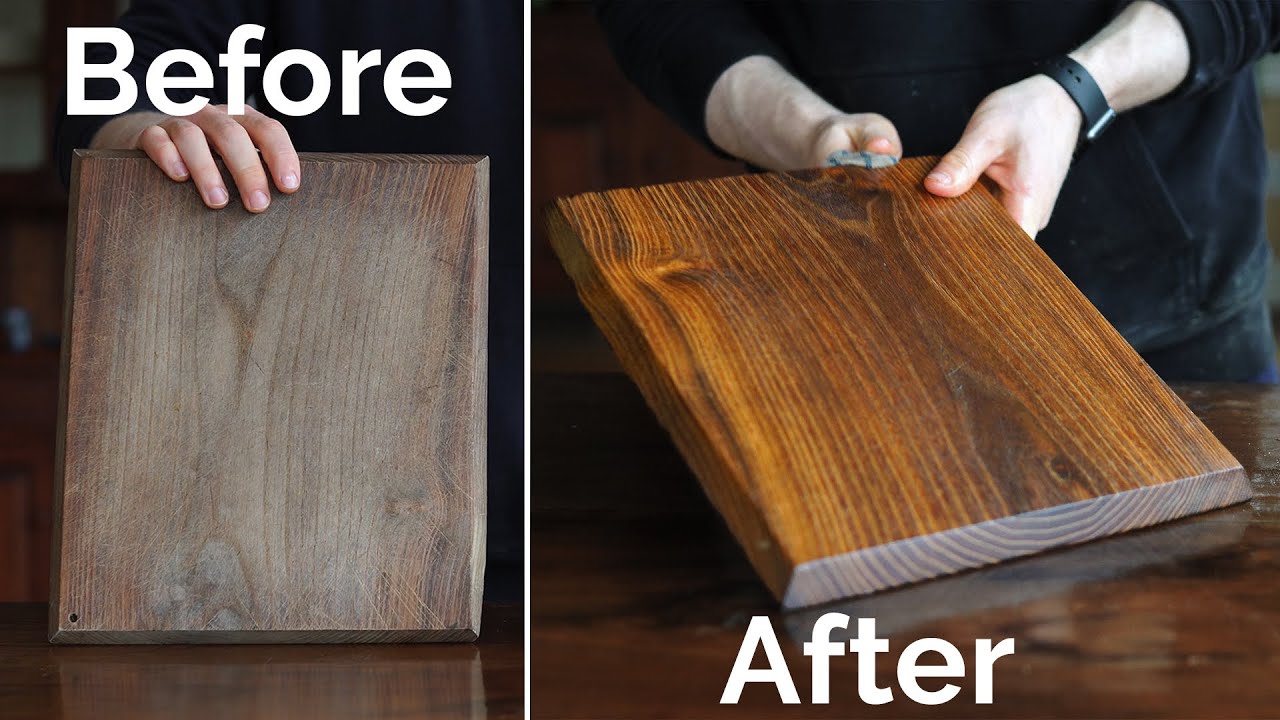
Get ready to enhance the look and feel of your cutting board, while keeping it protected and beautiful for years to come. Dive in to learn the art of seasoning your wood cutting board, and elevate your culinary experience.
Choosing The Right Oil
Selecting the right oil is crucial for seasoning wood cutting boards. Mineral oil is often recommended due to its ability to penetrate the wood and maintain its surface without rancidity. Regular application preserves the board’s quality, ensuring it remains hygienic and durable over time.
Choosing the right oil for seasoning your wood cutting board is crucial for maintaining its longevity and functionality. The oil you use not only preserves the board but also enhances its appearance. Selecting the appropriate oil can be the difference between a cutting board that warps and cracks, and one that remains a trusty kitchen companion for years. But how do you know which oil to choose? Let’s dive into the details.Mineral Oil Benefits
Mineral oil is a popular choice among chefs and home cooks for a reason. It’s colorless, odorless, and tasteless, meaning it won’t interfere with your food’s flavors. More importantly, it’s food-safe and doesn’t go rancid over time. Regular application of mineral oil keeps your cutting board hydrated and helps prevent it from absorbing moisture that can cause it to warp. Try applying it every few weeks, especially if you use your board frequently. You’ll notice the wood looking richer and feeling smoother after each treatment.Avoiding Vegetable Oils
You might be tempted to use oils you have in your kitchen, like olive or vegetable oil, but resist the urge. These oils can spoil and leave an unpleasant smell on your cutting board. Over time, they can also create a sticky residue that’s difficult to clean. Imagine cutting into a fresh loaf of bread, only to have it tainted by an off-putting odor. That’s a scenario best avoided. Stick to oils that are specifically recommended for wood treatment to ensure your cutting board stays in top condition. Choosing the right oil is more than just a maintenance task—it’s a way to prolong the life of a kitchen essential. Have you checked the type of oil you’re using lately? A small change can make a big difference in your cooking experience.
Credit: www.youtube.com
Preparing The Board
Preparing your wood cutting board for seasoning is an essential step to ensure its longevity and functionality. A well-prepared board not only looks great but also serves as a reliable kitchen companion for years. Before diving into the seasoning process, it’s crucial to clean and dry the board thoroughly. This ensures that the seasoning oil penetrates the wood effectively, enhancing its durability and resistance to moisture.
Cleaning The Surface
Begin by washing your cutting board with mild dish soap and warm water. Avoid soaking it in water, as this can lead to warping or cracking. Instead, gently scrub the surface using a soft sponge or cloth, focusing on any stains or food residues. Remember, cleanliness is key. A clean board is not just about hygiene; it sets the stage for a successful seasoning process.
Once you’ve washed the board, take a moment to inspect it. Check for any stubborn residues or stains. If you notice any, consider using a mixture of baking soda and water as a gentle abrasive. This can help lift away tough stains without damaging the wood. Isn’t it amazing how everyday kitchen ingredients can double as cleaning agents?
Drying Thoroughly
After cleaning, pat the board dry with a clean towel. The goal is to remove as much moisture as possible. Place the board in a well-ventilated area and allow it to air dry completely. This step is crucial because residual moisture can hinder the seasoning process, affecting the board’s effectiveness and lifespan.
Have you ever noticed how a damp board feels different than a dry one? A dry board is more receptive to seasoning oils, ensuring they seep into the wood fibers effectively. If you’re in a hurry, you might be tempted to skip this step. Resist the urge. Proper drying sets the foundation for a beautifully seasoned board.
Preparing your cutting board might seem like a simple task, but it holds the key to a successful seasoning process. How do you ensure your board is ready for the next step? A clean and dry surface is your answer. Take the time to prepare it right, and enjoy the benefits of a well-seasoned board.
Applying The Oil
Applying oil to a wood cutting board ensures longevity. Use food-safe mineral oil for best results. Spread evenly over the surface. Let it soak overnight. Buff with a clean cloth. This simple process keeps the board from drying and cracking.
Regular application maintains its beauty and functionality.
Applying oil is a crucial step in maintaining your wooden cutting board. It keeps the board in good condition and prevents cracking. Regular oiling also helps resist stains and water damage. Proper oil application ensures your board lasts longer and stays hygienic.Using A Cloth Or Brush
Use a clean cloth or a brush for oiling. A cloth helps spread the oil evenly across the surface. Make sure the cloth is lint-free to avoid residue. A brush can also be used for deeper coverage. Choose a brush with soft bristles for a smooth application. Both tools work well; pick one based on your preference.Even Distribution Techniques
Apply oil in a thin layer across the board. Start from one corner and move to the other. Use circular motions to cover every inch. Ensure the oil reaches the edges and corners. A well-oiled board will look shiny and feel smooth. Repeat this process for thorough oiling. After oiling, let the board soak for several hours. This allows the oil to penetrate deeply. Wipe off excess oil with a clean cloth. Store the board upright to dry completely. Regular oiling keeps the board in top shape.Curing The Board
Seasoning a wood cutting board involves applying mineral oil to protect it from moisture and bacteria. Regular maintenance keeps the board smooth and prevents cracking. Ensure complete coverage, letting the oil soak in overnight for best results.
Keeping your wood cutting board in pristine condition requires a little TLC, and curing is an essential part of the process. Curing helps protect the board, making it more resistant to water, stains, and bacteria. By investing a bit of time in this step, you ensure your cutting board remains both functional and beautiful for years to come.Allowing Proper Absorption
When you cure your cutting board, it’s crucial to let the oil soak in properly. Start by choosing a food-safe mineral oil or a beeswax-based conditioner. Apply a generous amount to the entire surface of the board. Use a clean cloth or your hands to spread the oil evenly. Ensure the edges and sides are well covered too. Let the board sit and absorb the oil for several hours, or even overnight. Do you notice how the board seems to drink up the oil? This absorption is what strengthens and protects the wood fibers. If the surface looks dry in places, don’t hesitate to add more oil.Reapplying For Best Results
After the initial curing, you might think you’re done. However, reapplying is key to maintaining the board’s condition. Plan to reapply the oil every few weeks, or whenever the board looks dry. Start by cleaning the board with mild soap and water, then dry it thoroughly. Apply the oil again, just like you did the first time. Feel free to develop a routine. Some people like to reapply on the first weekend of the month. Regular reapplication ensures the wood stays hydrated and protected. Have you ever wondered why some boards age beautifully while others crack and warp? Regular curing is often the secret. Embrace this simple habit, and your board will thank you with years of reliable service.Maintaining The Board
Seasoning a wood cutting board involves applying mineral oil to keep it from drying out and cracking. Spread a generous amount of oil on the board and let it soak overnight. Regular maintenance ensures the board remains durable and safe for food preparation.
Maintaining your wood cutting board is crucial for its longevity. With proper care, your board can last for years. It will also remain hygienic and safe for food preparation. The key to maintaining a cutting board is regular seasoning. This keeps the wood from drying out. It also prevents cracks and warping. Below are essential steps to help you maintain your board effectively.Regular Oiling Schedule
Establish a regular oiling routine for your cutting board. This helps to maintain its condition. Use food-grade mineral oil for the best results. Apply the oil generously over the surface. Let it soak in overnight. Wipe off excess oil in the morning. Monthly oiling is ideal. This keeps the board hydrated. It also protects against moisture damage.Identifying Wear And Tear
Recognize signs of wear and tear on your board. These include cracks or splits. Also, look for rough patches or stains. These indicate the need for maintenance. Use fine sandpaper to smooth any rough areas. Then, apply oil to restore its finish. Regular inspection helps catch issues early. This ensures the board remains functional and safe.:max_bytes(150000):strip_icc()/__opt__aboutcom__coeus__resources__content_migration__serious_eats__seriouseats.com__images__2015__09__20150824-wooden-cutting-board-how-to-maintain-composite-kenji-8-5239b1c5d724431ea72e66fd4939bb1d.jpg)
Credit: www.seriouseats.com
Troubleshooting Common Issues
Seasoning a wood cutting board keeps it in top condition. Yet, sometimes issues arise. Sticky residue or cracks can appear. These problems can ruin your board. Understanding these issues helps maintain your board’s quality.
Addressing Sticky Residue
Sticky residue can be annoying. It often results from excess oil. Using too much oil can create a sticky surface. To fix this, wipe with a clean cloth. Ensure the cloth is dry and lint-free.
If stickiness persists, wash the board. Use mild soap and warm water. Rinse thoroughly and dry immediately. Avoid soaking the board. This prevents further issues.
Preventing Cracks And Warping
Cracks and warping can damage the board. These often occur from moisture. Keeping the board dry is essential. After washing, always dry it well.
Store the board upright. This ensures air circulation. Regular oiling also helps. Apply a thin layer of mineral oil. Let it soak in and wipe off excess.
These steps keep your board in great shape. They prevent common issues and ensure longevity.
Environmental Considerations
Seasoning a wood cutting board is important for its longevity. But environmental considerations can make a big difference. Choosing eco-friendly methods helps preserve the planet. It also ensures your kitchen remains safe and healthy.
Choosing Sustainable Oils
Natural oils are best for seasoning wood cutting boards. Opt for oils like coconut or walnut. These oils are sustainable and renewable. They do not harm the environment. Plus, they penetrate the wood deeply. This keeps the board well-hydrated and protected.
Avoid mineral oil. It is derived from petroleum. This makes it less eco-friendly. Sustainable oils are safer for you and the planet.
Eco-friendly Practices
Consider how you apply the oil. Use a reusable cloth instead of disposable paper towels. This reduces waste and is better for the environment.
After seasoning, let the board air dry naturally. Avoid using electric appliances to speed up the process. This conserves energy and supports a greener kitchen.
Regularly clean your cutting board with natural ingredients. Vinegar and lemon work well. They are effective and environmentally friendly. This keeps your board clean without harmful chemicals.
Credit: www.youtube.com
Frequently Asked Questions
What Is The Best Way To Season A Wood Cutting Board?
Apply food-grade mineral oil to the wood cutting board. Rub it in with a clean cloth. Let it absorb overnight. Wipe off excess oil. Repeat monthly for best results. This prevents drying and cracking. Ensure the board is clean and dry before applying oil.
What Is The Best Oil For A Wooden Cutting Board?
Use food-grade mineral oil for wooden cutting boards. It prevents drying and cracking. Apply regularly for best results.
Can I Use Olive Oil To Treat My Wood Cutting Board?
Avoid using olive oil on wood cutting boards. It can turn rancid and spoil the board. Use mineral oil or specialized cutting board oil instead. These oils protect and maintain the board without causing unpleasant odors or damage. Regular maintenance with the right oil ensures longevity and hygiene.
Do Wooden Cutting Boards Need To Be Oiled?
Yes, oil wooden cutting boards regularly to maintain their condition. Use food-grade mineral oil for best results. This prevents cracking and warping, extending the board’s lifespan. Apply oil monthly or when the board looks dry. Proper care ensures your board remains safe and durable for food preparation.
Conclusion
Seasoning a wood cutting board enhances its durability and beauty. Regular maintenance keeps it in top shape, extending its lifespan. Use natural oils to protect and nourish the wood. Apply them evenly, covering the surface completely. Allow time for absorption before wiping off excess.
This simple routine prevents cracks and warping. A well-seasoned board stays sanitary, resisting bacteria. Enjoy smooth cutting and chopping experiences. Your cutting board becomes a reliable kitchen companion. Follow these steps to preserve your board’s quality. Keep it looking and working great for years to come.
Your culinary tasks are made easier with proper care.

Hi, I’m Daniel Brooks—a food lover and kitchen gear enthusiast. I enjoy testing cookware, utensils, and gadgets to see what really works in everyday cooking. At PlugChef.com, I share honest reviews, comparisons, and simple guides to help you choose the best tools for a safer, smarter, and more enjoyable kitchen.
Related posts:
 What Type of Cooking Utensils are Safe: Expert Picks
 What Innovations Could Blenders Make: Unleashing Future Tech
 Smart Strategies to Organize a Small Kitchen: Maximize Space
 How to Organize a Kitchen Cabinet: Expert Tips & Tricks
 How to Organize Kitchen Drawers: Expert Tips and Tricks
 How to Organize a Corner Kitchen Cupboard: Expert Tips

