
Are you tired of wondering whether your wooden cutting board is truly clean after every use? You’re not alone.
Many home cooks and food enthusiasts share your concern about maintaining the hygiene of their trusted kitchen tool. A wooden cutting board is a staple in many kitchens due to its durability and ability to keep your knives sharp. However, its porous nature can often harbor bacteria if not properly sanitized.
This guide will reveal simple yet effective techniques to ensure your cutting board is not just clean, but hygienically safe for preparing your favorite meals. Discover how these easy steps can transform your kitchen routine and give you peace of mind with every slice and dice. Dive into the secrets of sanitizing your wooden cutting board and protect your health without compromising on convenience.
Importance Of Sanitizing Wooden Cutting Boards
Wooden cutting boards are a staple in many kitchens. They have a natural charm and are often preferred over plastic boards. However, using them without proper sanitization can pose health risks. Understanding the importance of sanitizing wooden cutting boards is crucial for maintaining a healthy kitchen.
Wood has a porous nature. It can trap bacteria from raw meats and produce. This makes it essential to clean and sanitize them regularly. Neglecting this can lead to cross-contamination.
Imagine preparing a fresh salad after slicing raw chicken. Without proper sanitization, germs could transfer to your veggies. This increases the risk of foodborne illnesses.
But why choose wood if it harbors bacteria? It’s simple: wood has natural antibacterial properties. When sanitized correctly, it can be a safe and durable option.
Why Wood Over Plastic?
Wooden boards are durable and gentle on knives. They don’t dull your blades like plastic can. Also, wood’s natural grains provide a stable cutting surface. This reduces slipping and enhances safety.
Do you enjoy the rustic look of wooden boards? They add warmth and character to your kitchen. With proper care, they can last for years, retaining their charm.
Simple Steps For Effective Sanitization
Start by rinsing your board with hot water. This helps remove initial debris. Use a mixture of vinegar and water to wipe it down. This solution is a natural disinfectant.
For deeper cleaning, sprinkle coarse salt on the board. Use a lemon half to scrub the surface. The acidity of lemon combined with salt provides effective sanitation.
Don’t forget to dry your board thoroughly. Moisture can lead to mold growth. Prop it upright or lay it flat in a well-ventilated area.
Preventing Future Contamination
Consider assigning separate boards for different food types. Use one for meats and another for veggies. This simple action can significantly reduce contamination risks.
Regularly inspect your board for cracks. These can harbor bacteria. If your board shows signs of wear, it might be time to replace it.
How often do you sanitize your cutting board? Regular cleaning can prevent buildup and keep your kitchen safe.
Ensuring your wooden cutting boards are sanitized isn’t just about cleanliness. It’s about protecting yourself and your loved ones from potential health risks. By following these practical steps, you can enjoy the beauty and functionality of wooden boards worry-free.
Choosing The Right Cleaning Materials
Effective sanitization of wooden cutting boards is crucial for kitchen hygiene. Opt for white vinegar or hydrogen peroxide to kill bacteria. Scrub with a brush, rinse thoroughly, and let the board dry completely to prevent odors and germs. Regular cleaning ensures safe food preparation.
Choosing the right cleaning materials for your wooden cutting board is crucial for maintaining its longevity and ensuring your food is safe. It’s not just about grabbing the nearest cleaner from under the sink. You need to think about what works best with wood without causing damage or leaving harmful residues. Consider the materials you’re using when cleaning. While bleach is a strong disinfectant, it’s not the best choice for wood. It can dry out your board and leave it prone to cracking.Use Mild Dish Soap
A mild dish soap can be your best friend. It effectively removes grease and food particles without being harsh. Choose a soap that doesn’t contain strong perfumes or dyes. These can linger on the board and transfer to your food.Opt For White Vinegar
White vinegar is a natural cleaner that disinfects without damaging your board. Mix equal parts water and vinegar to create a solution. This method is effective and environmentally friendly. Plus, it’s a cost-effective option you probably already have in your kitchen.Choose Hydrogen Peroxide
Hydrogen peroxide is another safe option for sanitizing. It kills bacteria without the strong chemical smell. Spray it directly on your cutting board, let it sit for a few minutes, and then rinse. Easy and effective.Utilize Baking Soda
Baking soda is great for scrubbing away stubborn stains. It’s gentle on wood and doesn’t scratch the surface. Mix baking soda with a little water to form a paste. Apply it to the board, scrub, and rinse thoroughly.Invest In A Good Scrubbing Brush
A sturdy scrubbing brush can make all the difference. Choose one with firm bristles. It will help remove food particles and bacteria without damaging the wood. Avoid metal bristles as they can scratch your board.Consider Using Lemon Juice
Lemon juice not only sanitizes but also leaves a fresh scent. Its acidic nature helps kill bacteria. Rub half a lemon over your board after cleaning for an added layer of freshness. What cleaning materials do you currently use? Could they be damaging your board? Exploring new options might give you better results. Your wooden cutting board deserves the best care to continue serving you well in your culinary adventures.Daily Cleaning Routine
Keeping your wooden cutting board clean is crucial for kitchen hygiene. A daily cleaning routine helps maintain its quality and prevents bacterial growth. Follow simple steps for effective cleaning. Use gentle methods to preserve the wood’s integrity. This ensures your board remains safe and durable for years.
Soap And Water Method
Start by rinsing the board under warm water. This removes surface debris. Apply mild dish soap directly to the board. Use a soft sponge or cloth to scrub gently. Clean all areas, including corners and edges. Rinse thoroughly with warm water. Make sure no soap residue is left behind. This basic method is effective for daily cleaning.
Drying Techniques
Proper drying prevents moisture damage to your cutting board. After washing, use a clean towel to pat the board dry. Stand the board upright on its side. This allows air to circulate freely. Ensure it dries completely before storing. Avoid leaving the board flat, which retains moisture. A well-dried board lasts longer and stays sanitary.
:max_bytes(150000):strip_icc()/clean-wooden-cutting-board-4772583_05-6782ac2cc4784073ab3769537ed1da34.jpg)
Credit: www.thespruce.com
Deep Cleaning Techniques
Wooden cutting boards are essential kitchen tools. They require proper care to stay hygienic. Deep cleaning techniques can ensure your board remains safe for food preparation.
Regular cleaning often misses hidden bacteria. Deep cleaning methods can target these areas effectively. Below are some simple techniques for a thorough clean.
Using Vinegar Solution
Vinegar is a natural disinfectant. Mix equal parts of water and vinegar. Apply the solution to the cutting board. Let it sit for five minutes. Rinse with warm water to wash away germs.
Baking Soda Scrub
Baking soda is an excellent scrubber. Sprinkle baking soda on the board. Add a little water to form a paste. Scrub gently with a brush. This removes stains and odors. Rinse thoroughly with water.
Hydrogen Peroxide Application
Hydrogen peroxide kills bacteria effectively. Pour a small amount on the board. Spread it evenly across the surface. Leave it for a few minutes. Rinse with warm water to ensure no residue remains.
Deodorizing And Stain Removal
Sanitize wooden cutting boards effectively with natural solutions. Combine vinegar and baking soda for deodorizing and stain removal. Rinse thoroughly to keep your board clean and fresh.
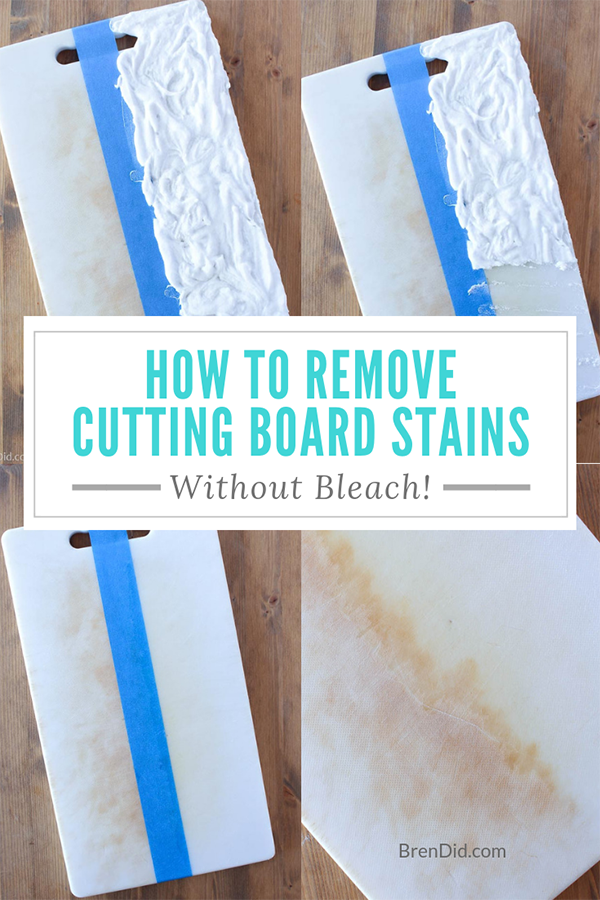
Cleaning a wooden cutting board is crucial for kitchen hygiene. Deodorizing and stain removal restore its fresh look and scent. Over time, boards can absorb odors and develop stains. Removing these is essential for safe food preparation. There are simple, effective methods to address these issues. Here, we explore two popular techniques for deodorizing and stain removal.Lemon And Salt Method
Lemon and salt are natural cleaning agents. Cut a lemon in half. Sprinkle coarse salt over the board surface. Use the lemon half to scrub the board. This combination removes stains and odors effectively. The acidity of lemon breaks down grime. Salt acts as an abrasive. This method is simple and chemical-free. Rinse the board with water after scrubbing. Dry it completely to prevent moisture damage.Using Activated Charcoal
Activated charcoal is another powerful option. It absorbs odors and stains efficiently. Sprinkle a small amount on the board. Let it sit for a few hours. The charcoal draws out unwanted smells and discoloration. Afterward, rinse the board thoroughly. This process is gentle on the wood. It maintains the board’s integrity while cleaning it. Ensure the board is dry before storing. This prevents moisture-related issues.Preventing Damage During Sanitization
Gently clean wooden cutting boards with a mixture of warm water and mild dish soap. Avoid soaking to prevent warping. Dry completely to maintain longevity and prevent bacteria growth.
Sanitizing a wooden cutting board is essential for kitchen hygiene. But during this process, it’s vital to protect the board from damage. Wood is sensitive. Over-cleaning can cause it to warp or crack. Proper care ensures your board lasts longer and stays safe for food preparation. Let’s explore some methods to prevent damage while sanitizing.Avoiding Excessive Moisture
Water can be harmful to wooden boards. Too much moisture causes the wood to swell and warp. Use a damp cloth instead of soaking the board. Wipe it gently. Never leave it submerged in water. Excess water can seep into the wood, causing long-term damage. After cleaning, always dry the board immediately. Use a clean towel. Store it upright to ensure air circulates. This prevents mold and mildew growth.Using Food-safe Oils
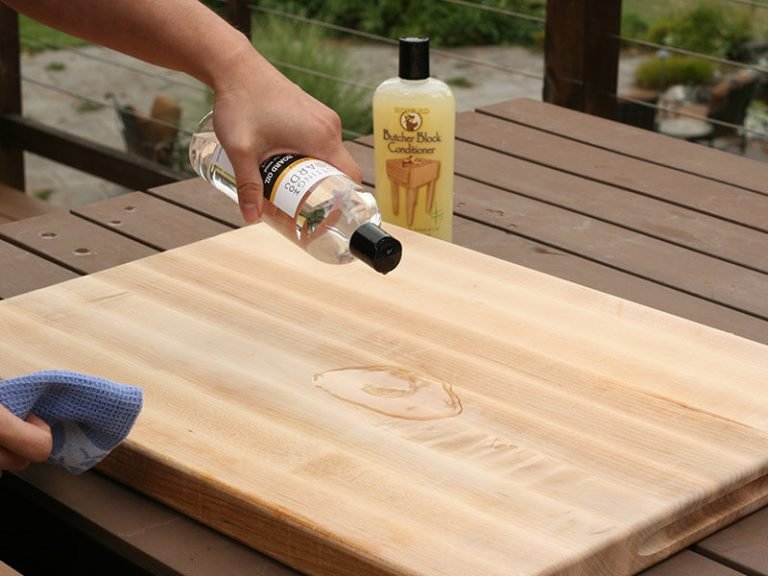
Oiling your board protects it. It creates a barrier against moisture. Use food-safe oils like mineral oil. Apply a thin layer regularly. This keeps the wood hydrated and prevents cracking. Rub the oil in with a soft cloth. Let it soak for a few hours. Wipe off any excess oil before using the board. Oiling not only protects but also enhances the wood’s natural beauty. Keep your board well-oiled for longevity and safety.Frequency Of Sanitizing
Sanitize wooden cutting boards regularly to keep them clean and safe. Use a mixture of vinegar and water. Scrub gently with a brush, then rinse and dry thoroughly.
When it comes to maintaining your kitchen tools, knowing how often to sanitize your wooden cutting board is crucial. Wooden boards are porous, which means they can absorb moisture and bacteria over time. But how often should you really be sanitizing them? Understanding the right frequency can help keep your board in top shape and ensure safe food preparation.Factors Influencing Frequency
The frequency of sanitizing your wooden cutting board largely depends on how often you use it. If you’re an avid cook using it daily for meats, vegetables, and fruits, you’ll need to sanitize it more frequently. Consider the types of foods you cut on the board. Raw meat requires more frequent sanitization compared to bread or vegetables. Humidity and climate conditions can also play a role. In a humid environment, bacteria can grow more quickly, necessitating more regular cleaning.Signs Your Board Needs Sanitizing
Have you noticed any lingering odors? This is a clear sign that your board needs a thorough clean. Another indicator is visible stains or discoloration on the board’s surface. These can be a breeding ground for bacteria. If your board feels sticky or has a rough texture, it’s time for a deep clean. Also, trust your instincts. If the board simply doesn’t look or feel clean, it’s probably time to sanitize. Regular sanitizing is not just about cleanliness but also about extending the life of your cutting board. How often do you sanitize your board, and what signals do you look for?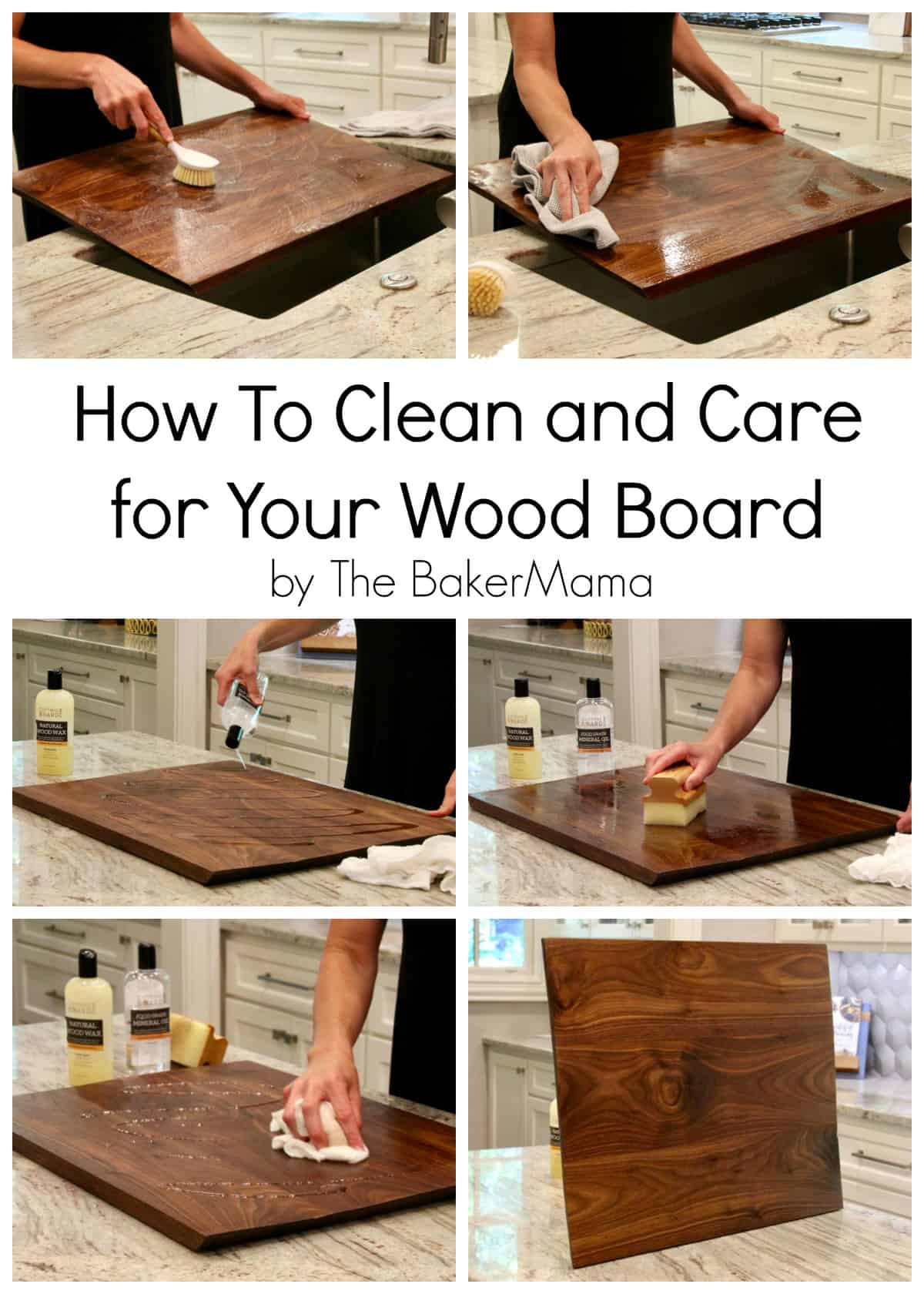
Credit: thebakermama.com
Expert Tips For Longevity
Wooden cutting boards are kitchen essentials. They require proper care to last long. Neglecting maintenance can cause damage. Follow expert tips to extend their lifespan. These tips ensure your board remains functional and safe.
Proper Storage
Store your cutting board in a dry place. Avoid areas with high humidity. Moisture can warp the wood. Keep it upright to maintain shape. Use a rack for better air circulation. This prevents mold and bacteria growth.
Regular Maintenance
Wash your board after each use. Use warm water and mild soap. Scrub gently to remove food particles. Dry it immediately with a clean towel. Oil the board monthly to maintain its condition. Use food-grade mineral oil for best results.

Credit: www.youtube.com
Frequently Asked Questions
What Do Chefs Use To Sanitize Cutting Boards?
Chefs sanitize cutting boards using a mixture of vinegar and water or diluted bleach solution. They scrub thoroughly, rinse, and let them air dry completely to prevent bacteria growth.
How Often Should I Sanitize A Wooden Cutting Board?
Sanitize your wooden cutting board after each use to prevent bacteria build-up. Use vinegar or hydrogen peroxide for effective cleaning. Regular cleaning maintains hygiene and extends the board’s lifespan. Always dry thoroughly to prevent warping or mold growth. Prioritize cleanliness for safe food preparation.
How Sanitary Are Wooden Cutting Boards?
Wooden cutting boards are sanitary if properly maintained. They naturally resist bacteria due to their porous surface. Regular cleaning with hot, soapy water and thorough drying keeps them safe. Avoid soaking and sanitize occasionally with vinegar or hydrogen peroxide. Regular oiling prevents cracks, maintaining their hygienic properties.
How Do Chefs Clean Wooden Chopping Boards?
Chefs scrub wooden boards with hot soapy water. They dry immediately to prevent warping. They sanitize using vinegar or hydrogen peroxide. Regularly oiling maintains the board’s condition.
Conclusion
Keeping your wooden cutting board clean is essential. Regular sanitizing prevents bacteria buildup. Use vinegar and salt for effective cleaning. Dry it thoroughly to avoid mold. Oil it monthly to maintain its condition. A clean board ensures safe food preparation.
It’s simple and quick. Follow these steps to keep your kitchen tools hygienic. Your efforts contribute to healthy meals. Enjoy cooking with confidence. Protect your health with a clean cutting board. Make it a routine. It’s worth the time. Your kitchen will thank you.
Keep those boards spotless for years to come.

I’m Abby Lu, a passionate home cook who loves simplifying everyday meals. At PlugChef.com, I share product reviews and cooking guides to help you find the best tools for your kitchen.
Related posts:
 What Type of Cooking Utensils are Safe: Expert Picks
 What Innovations Could Blenders Make: Unleashing Future Tech
 Smart Strategies to Organize a Small Kitchen: Maximize Space
 How to Organize a Kitchen Cabinet: Expert Tips & Tricks
 How to Organize Kitchen Drawers: Expert Tips and Tricks
 How to Organize a Corner Kitchen Cupboard: Expert Tips