

Imagine this: You’ve just finished preparing a delicious meal, and now it’s time to clean up. You glance at your plastic cutting board and wonder if it’s really as clean as it looks.
The truth is, while these kitchen essentials are handy, they can harbor bacteria and germs that you definitely don’t want lingering around. Keeping your cutting board sanitized is crucial for maintaining a healthy kitchen environment and ensuring that your food preparation is safe.
But how do you effectively sanitize a plastic cutting board without damaging it? This is where you come in. By mastering a few simple techniques, you can ensure your cutting board is always in tip-top shape. You’re about to discover easy, yet effective methods to keep your cutting board clean and germ-free. These strategies will not only protect your health but also extend the life of your board. Read on to learn how to transform your cleaning routine and say goodbye to unwanted bacteria lurking on your cutting board.
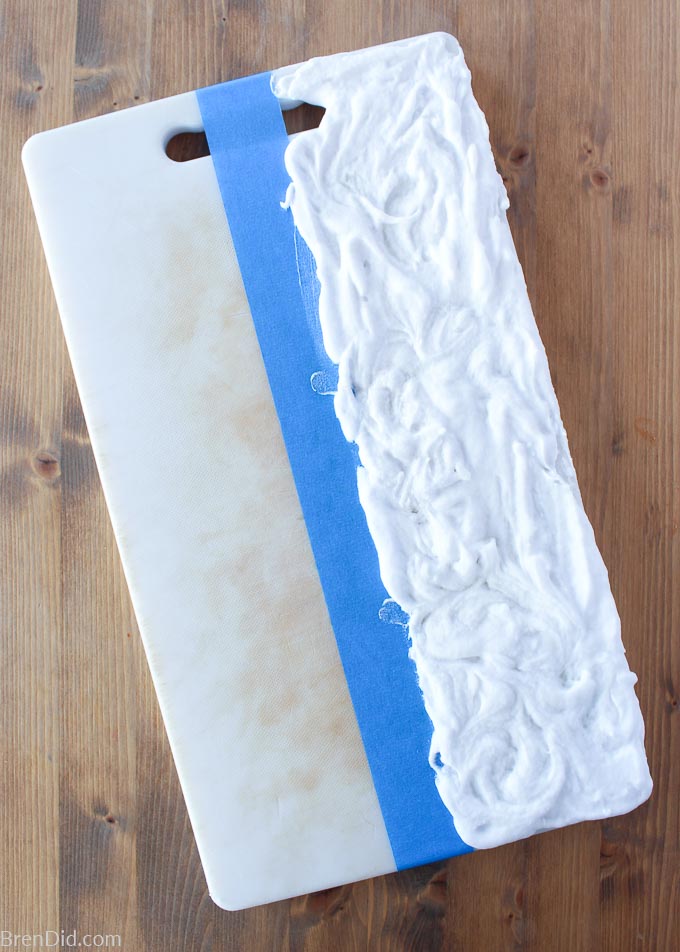
Credit: brendid.com
Importance Of Sanitizing
Sanitizing plastic cutting boards prevents germs and ensures safe food preparation. Use hot water, soap, and a disinfectant solution to clean. Rinse thoroughly and dry to keep your kitchen safe and hygienic.
Sanitizing your plastic cutting board is crucial for kitchen safety. It prevents harmful bacteria from spreading. These bacteria can cause foodborne illnesses. Regular cleaning ensures your meals are safe and hygienic. Plastic cutting boards can harbor germs. They get tiny cuts from knives. These cuts trap food particles. Bacteria can thrive in these cuts. Proper sanitization kills these germs.Why Bacteria Thrive On Plastic Boards
Plastic boards are popular in kitchens. They are easy to clean and affordable. Yet, they have a downside. The surface gets scratched easily. These scratches can hide bacteria. Cleaning alone may not be enough. Sanitizing ensures complete removal of germs.Risks Of Unclean Cutting Boards
Using a dirty cutting board is risky. It can contaminate your food. You risk getting sick. Symptoms can range from mild to severe. Stomach upset, fever, and diarrhea are common. Avoid these by keeping your board sanitized.Benefits Of Regular Sanitization
Regular sanitization keeps your board safe. It prolongs its life. A clean board looks better too. Your food tastes better when prepared safely. Your family stays healthy. Peace of mind comes from knowing your kitchen is germ-free.Simple Sanitization Methods
Use hot water and soap. Scrub the board well. Rinse it thoroughly. Dry it completely before storing. Vinegar is a natural disinfectant. Use it to wipe the board. Let it sit for a few minutes. Rinse with water afterward. `Choosing The Right Cleaning Agents
Choosing the right cleaning agents for your plastic cutting board is a crucial step in maintaining kitchen hygiene. With countless options available, it can be overwhelming to decide which cleaner is most effective and safe. Let’s dive into the world of cleaning agents, highlighting both natural and commercial options, so you can make an informed choice.
Natural Cleaners
Natural cleaners are a fantastic choice if you prefer eco-friendly solutions. They are often as effective as their chemical counterparts and gentler on the environment.
Consider using white vinegar. It’s a natural disinfectant, and you likely already have it in your pantry. Simply wipe your cutting board with a vinegar-soaked cloth. It’s a straightforward solution that leaves no harmful residue.
Lemon juice is another excellent option. Its natural acidity helps in breaking down bacteria and stains. Plus, it leaves a refreshing scent. Sprinkle some salt on your board, add lemon juice, and scrub away.
Have you ever tried baking soda? It’s a mild abrasive that tackles stains without scratching surfaces. Mix it with water to form a paste, apply it, and gently scrub. Your board will thank you!
Commercial Disinfectants
Commercial disinfectants offer convenience and strong antibacterial properties. They are designed to eliminate a wide range of germs and bacteria.
Look for products labeled specifically for kitchen use. These are formulated to be safe for surfaces that come in contact with food. Always read instructions to ensure proper usage.
Consider using wipes or sprays that are easy to apply and require minimal effort. They are perfect for quick clean-ups, especially after handling raw meat.
Have you ever thought about the residue commercial cleaners might leave? Ensure you rinse your cutting board thoroughly after using them to prevent any chemical remnants from affecting your food.
Which cleaner suits your lifestyle? The choice between natural and commercial cleaners often comes down to personal preference and convenience. Whether you opt for natural ingredients or commercial products, the key is consistency in cleaning practices.
Step-by-step Cleaning Process
Cleaning your plastic cutting board is essential for maintaining kitchen hygiene and ensuring your food is safe. A well-sanitized board prevents cross-contamination and keeps your meals healthy. Let’s dive into a simple step-by-step process to make sure your cutting board is spotless and ready for use.
Initial Rinse
Start by rinsing your cutting board under warm running water. This helps remove loose food particles and residues. Use your hands to rub the surface gently, ensuring all visible debris is washed away.
Have you ever noticed how some food stains cling to the board stubbornly? A thorough initial rinse sets the stage for deeper cleaning. It’s like preparing a canvas before painting.
Scrubbing Techniques
Grab a scrub brush or a sponge and apply dish soap directly onto the board. Scrub the surface in circular motions, focusing on areas with stubborn stains.
Feeling frustrated with those red onion stains? Try adding a sprinkle of baking soda to your scrubbing routine. It acts as a mild abrasive and helps lift tough spots.
Consider using a dedicated brush for your cutting board—one that doesn’t mix with other kitchen tasks. This ensures you’re not transferring germs from other surfaces.
Effective Rinsing
After scrubbing, rinse the board thoroughly under warm water. Make sure all soap and cleaning agents are completely washed away.
Have you ever skipped this step and noticed a film or taste on your food? Proper rinsing guarantees there’s no residue left, keeping flavors pure.
Think about the last meal you prepped. Wouldn’t you want it to taste exactly as intended without any soap or unwanted flavors?
Following these steps ensures your cutting board remains hygienic and ready for your culinary creations. Next time you prepare a meal, you can do so with peace of mind, knowing your board is clean and safe. How do you keep your kitchen tools sanitized? Share your tips and tricks!
Sanitizing Methods
To clean a plastic cutting board, use hot soapy water first. Rinse well, then apply a solution of vinegar and water. Let it sit for a few minutes. Finally, rinse thoroughly and let it air dry. This method helps remove bacteria and keeps your kitchen safe.
Sanitizing a plastic cutting board is essential for kitchen hygiene. Bacteria and food particles can linger on surfaces. This guide explores simple methods to sanitize your cutting board effectively. These methods ensure your board remains clean and safe for use.Hot Water Soak
Start with a hot water soak. Fill your sink with hot water. Submerge the cutting board completely. Let it soak for 15 minutes. Hot water kills most bacteria. Ensure the water is as hot as you can manage. After soaking, scrub the board with dish soap. Rinse thoroughly and let it air dry.Vinegar Solution
A vinegar solution is a natural sanitizer. Mix equal parts of white vinegar and water. Spray this solution onto the cutting board. Let it sit for 10 minutes. Vinegar’s acidity kills bacteria. Afterward, rinse the board with warm water. Pat dry with a clean towel. This method is both effective and eco-friendly.Bleach Solution
For tougher stains, use a bleach solution. Combine one tablespoon of bleach with one gallon of water. Immerse the cutting board in this mixture. Let it soak for five minutes. Bleach disinfects thoroughly. Rinse well under running water. Ensure no bleach residue remains. Dry the board completely before storing it.Drying And Storage Tips
Drying and storing your plastic cutting board properly is crucial. It helps maintain hygiene and extends the board’s life. A well-maintained cutting board ensures safe food preparation. Let’s dive into some effective drying and storage tips.
Air Drying
After cleaning, allow your cutting board to air dry. Stand it upright or place it on a rack. This prevents moisture accumulation and bacterial growth. Avoid using towels, as they might transfer germs.
Proper Storage Practices
Store your cutting board in a dry area. Ensure it’s upright or on a dedicated shelf. Avoid stacking with other kitchen items. This reduces the risk of cross-contamination. Keep it away from direct sunlight to prevent warping. Regularly check for signs of wear or damage.
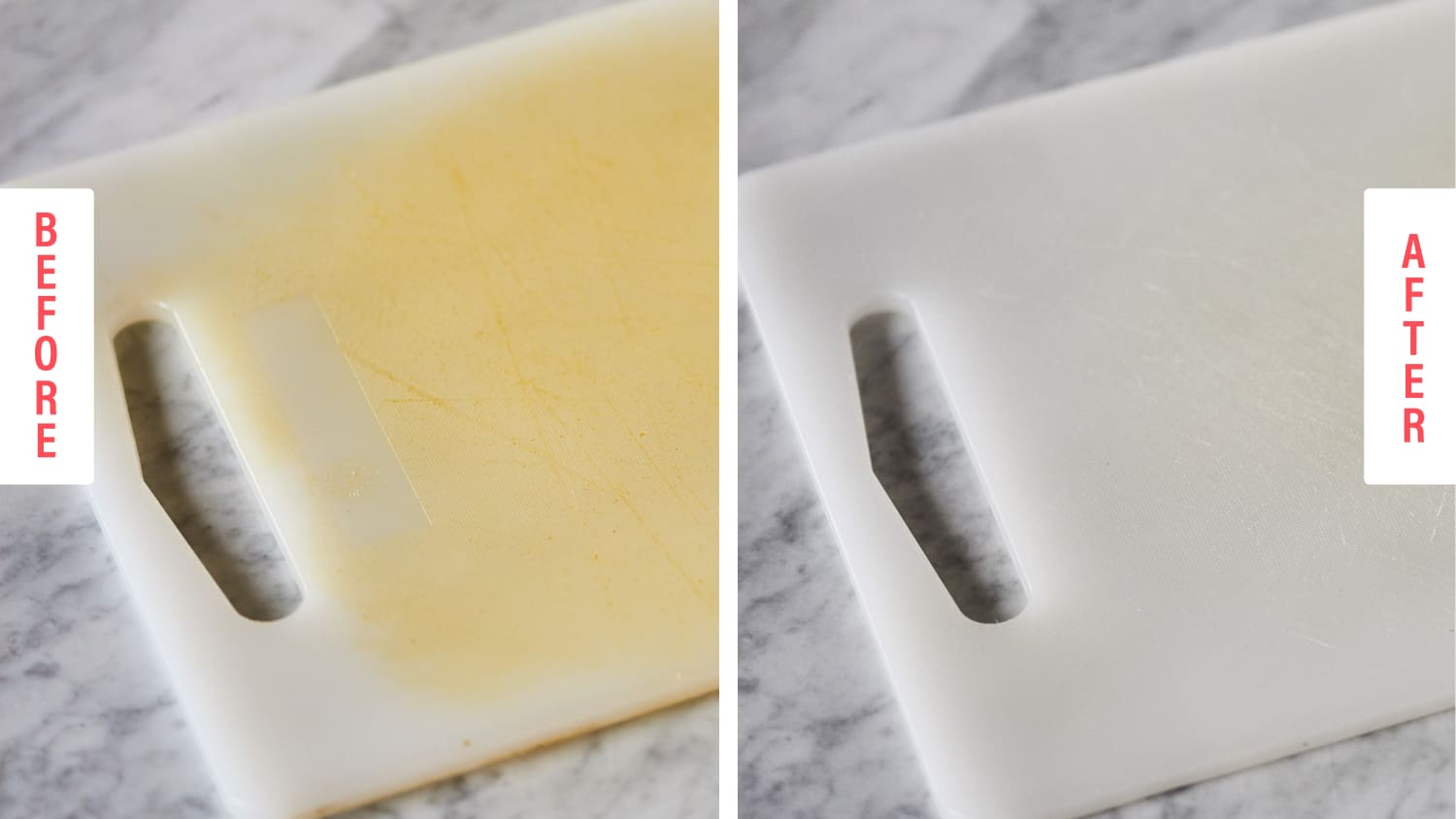
Credit: www.thekitchn.com
Maintenance Tips
Sanitizing plastic cutting boards is crucial for kitchen hygiene. Start by scrubbing with hot, soapy water. Then, rinse thoroughly and apply a vinegar solution to disinfect. Air drying completely ensures no bacteria remain. Regular cleaning keeps your food safe and your kitchen healthy.
Maintaining your plastic cutting board is crucial for ensuring it remains a safe and effective tool in your kitchen. Proper maintenance not only extends the board’s lifespan but also keeps your food preparation hygienic. Here are some essential maintenance tips to keep your plastic cutting board in top shape.Regular Inspection
Make it a habit to inspect your cutting board regularly. Look for grooves, cuts, and stains that might harbor bacteria. If you notice deep cuts, it’s time to deep clean or consider replacing the board. A quick glance before using the board can prevent potential contamination. Feeling the surface with your hand can also help you detect any irregularities. Would you trust a board that feels rough and uneven for your next meal prep?Replacing Worn Boards
Plastic cutting boards aren’t meant to last forever. When you spot deep grooves that are impossible to clean, it’s time to replace the board. These grooves can trap harmful bacteria, posing a risk to your food. A good rule of thumb is to replace your board every couple of years, depending on usage. If you’re an avid cook, you might need to replace it sooner. It’s an investment in your health and kitchen hygiene. The next time you’re slicing vegetables, ask yourself: Is your cutting board still serving its purpose, or is it time for an upgrade?Common Mistakes To Avoid
Avoid harsh chemicals like bleach. They can damage the surface. Use mild soap and hot water instead. Don’t forget to scrub all sides to remove food particles. Dry thoroughly to prevent bacteria growth. Regular cleaning keeps it safe and ready for your next meal prep.
Keeping your plastic cutting board clean and germ-free is essential for a healthy kitchen. However, many people unknowingly make mistakes that can compromise their efforts. Let’s dive into some common pitfalls and how you can avoid them to ensure your cutting board remains spotless and safe.Using Harsh Chemicals
Many think strong chemicals are the best route for sanitizing. But using bleach or other harsh substances can degrade your plastic board over time. Instead, opt for gentle solutions like white vinegar or baking soda, which are both effective and kind to your board.Skipping The Rinse
After applying a cleaning solution, it’s easy to forget the essential final rinse. Not rinsing thoroughly can leave residues that might mix with food. Always ensure you rinse your board under warm water to wash away any lingering cleaning agents.Ignoring Deep Grooves
Ever noticed those cuts and grooves on your board? Bacteria love to hide there. If you overlook these areas, you could be risking contamination. Use a toothbrush or a scrubber to get into those crevices and keep them clean.Not Drying Properly
Many overlook the importance of drying. Leaving your board wet can encourage bacterial growth. After cleaning, use a towel to dry it thoroughly, or leave it upright to air dry.Overlooking The Dishwasher
You might assume your dishwasher does the trick, but that’s not always the case. Some dishwashers might not reach the high temperatures needed to kill bacteria effectively. Consider hand-washing with hot soapy water for a more reliable clean.Using Only Hot Water
Relying solely on hot water might seem sufficient. Yet, it’s not always enough to eliminate all germs. Combining hot water with a sanitizing solution will give you a more comprehensive clean.Not Replacing When Needed
Plastic boards don’t last forever. Over time, they become harder to clean and more prone to harboring bacteria. If your board is excessively worn out or has deep grooves, it might be time to invest in a new one. Reflect on your cleaning habits. Are you guilty of any of these mistakes? Addressing them can lead to a safer cooking environment and peace of mind. Let’s ensure your kitchen is a hub of cleanliness and health.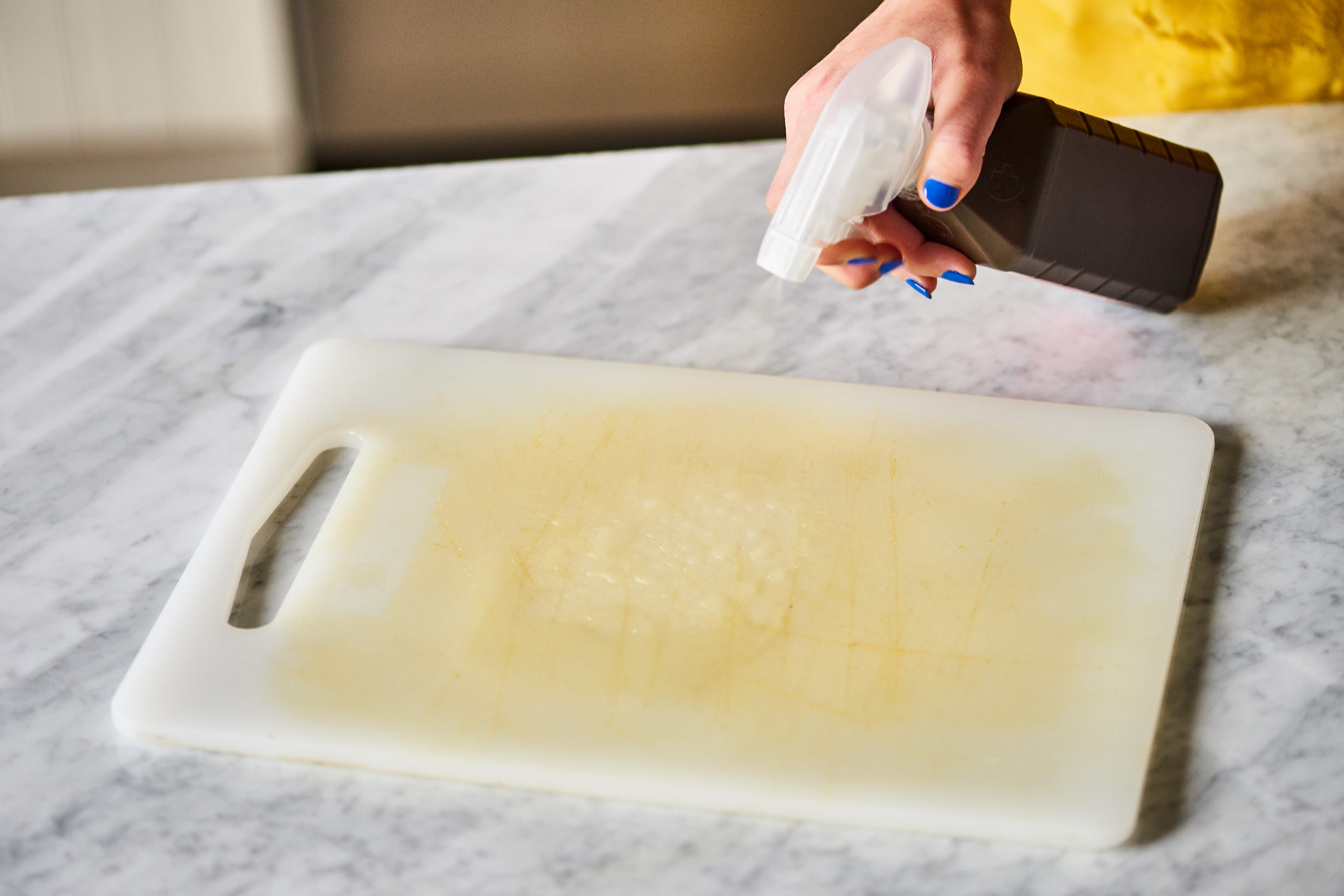
Credit: www.thekitchn.com
Frequently Asked Questions
Can Bacteria Live On A Plastic Chopping Board?
Yes, bacteria can live on a plastic chopping board. Proper cleaning and sanitizing are essential to prevent bacterial growth. Use hot, soapy water and disinfect regularly to ensure safety. Replace boards with deep cuts or grooves that can harbor bacteria.
Does A Dishwasher Sanitize Plastic Cutting Boards?
A dishwasher can sanitize plastic cutting boards if it reaches a high temperature. Use the sanitize cycle for best results. Check your dishwasher’s manual to ensure it provides sufficient heat for sanitization. Regular cleaning helps maintain hygiene and prolongs the cutting board’s lifespan.
What Do Chefs Use To Sanitize Cutting Boards?
Chefs sanitize cutting boards using a mixture of water and bleach or vinegar. They scrub the board thoroughly and rinse it with hot water. Some also use baking soda for extra cleaning. Regular sanitizing prevents bacterial growth and ensures food safety.
How To Sanitize A Plastic Cutting Board With Baking Soda?
Sprinkle baking soda on the plastic cutting board. Scrub with a damp sponge or brush. Rinse with hot water.
Conclusion
Keeping your plastic cutting board clean is essential for health. Regular sanitizing prevents bacteria buildup. Simple steps make a big difference. Use vinegar or bleach solutions. Rinse thoroughly with water. Let the board air dry completely. Always wash after cutting raw meats.
Use separate boards for meats and vegetables. This reduces cross-contamination risks. Inspect boards for deep cuts or damage. Replace damaged boards promptly. Clean boards contribute to safer cooking environments. Maintain hygiene, and enjoy a healthier kitchen experience. Follow these tips for a clean, safe cutting board every time you cook.

Hi, I’m Daniel Brooks—a food lover and kitchen gear enthusiast. I enjoy testing cookware, utensils, and gadgets to see what really works in everyday cooking. At PlugChef.com, I share honest reviews, comparisons, and simple guides to help you choose the best tools for a safer, smarter, and more enjoyable kitchen.
Related posts:
 What Type of Cooking Utensils are Safe: Expert Picks
 What Innovations Could Blenders Make: Unleashing Future Tech
 Smart Strategies to Organize a Small Kitchen: Maximize Space
 How to Organize a Kitchen Cabinet: Expert Tips & Tricks
 How to Organize Kitchen Drawers: Expert Tips and Tricks
 How to Organize a Corner Kitchen Cupboard: Expert Tips

