

Are your trusty tools starting to show signs of rust? It’s frustrating when your favorite hammer or wrench is tarnished by that stubborn orange-brown crust.
But don’t worry; there’s a simple solution right in your kitchen. Baking soda, a common household staple, can be your secret weapon against rust. Imagine restoring the gleam and functionality of your tools without the need for harsh chemicals or expensive products.
With a pinch of baking soda and a little elbow grease, you can breathe new life into your toolkit. You’ll discover step-by-step instructions to effectively remove rust from your tools using baking soda. You’ll learn why this method is not only easy but also eco-friendly and cost-effective. Get ready to unlock the secrets to maintaining your tools in top condition and keep them shining like new. Don’t let rust win the battle; instead, reclaim your tools with this natural cleaning hack. Keep reading to find out how!
:max_bytes(150000):strip_icc()/homemade-rust-remover-recipes-1387936_FINAL-6c6543826627420ba5152b7ad0ea67c7.png)
Credit: www.thespruce.com
Why Rust Forms On Tools
Tools often develop rust due to moisture exposure, compromising their efficiency. Baking soda offers a simple solution to remove rust. Mix it with water, apply the paste, and scrub gently.
Rust can be a real headache for any tool owner. It weakens tools and reduces their lifespan. Understanding why rust forms can help in preventing it. Two main causes are moisture and oxygen exposure, and lack of maintenance. Each plays a significant role in rust formation.Moisture And Oxygen Exposure
Tools left in damp places are at risk. Moisture in the air reacts with metal surfaces. This reaction causes rust. Oxygen in the air also plays a part. It combines with moisture to speed up rusting. Even small amounts of water can start the process. Tools stored in garages or sheds face these issues often. Keeping tools dry is crucial.Lack Of Maintenance
Many overlook simple maintenance tasks. Neglecting these can lead to rust. Wiping tools after use is essential. Removing any moisture can prevent rust formation. Applying a light coat of oil creates a protective barrier. This barrier keeps moisture away from metal. Regular checks and care can save tools from rust. Maintenance is key to longevity. `Benefits Of Using Baking Soda
When it comes to rust removal from tools, baking soda stands out for its remarkable advantages. Many people might reach for harsh chemicals or expensive treatments, but baking soda offers a simple and effective alternative. Let’s look at why baking soda is a smart choice for your rust-removal needs.
Non-toxic And Safe
Baking soda is a non-toxic substance. This makes it safe for you and your family. You won’t need to worry about harmful fumes or skin irritation.
Unlike chemical cleaners, baking soda doesn’t leave behind any toxic residues. This means that after cleaning, your tools are safe to handle immediately. Have you ever wondered about the long-term effects of chemical cleaners on your health?
Using baking soda reduces these concerns significantly. It’s gentle on the environment too. You can rinse it away without worrying about polluting your surroundings.
Cost-effective Solution
Baking soda is incredibly affordable. You probably already have some in your pantry. This makes it an accessible solution for everyone.
Why spend money on expensive rust removers when baking soda can achieve the same results? A small box can last you through multiple cleaning sessions. Think of all the money you could save over time.
Moreover, baking soda’s versatility means you can use it for other cleaning tasks. This adds even more value, making it a true multi-tasker in your home.
So, next time rust creeps up on your favorite tools, consider reaching for baking soda. It’s safe, cost-effective, and easy to use. Why not give it a try and see the results for yourself?
Gathering Necessary Supplies
Gathering necessary supplies is the first step in removing rust from tools using baking soda. Having all the required items ready makes the process smoother and more efficient. It ensures you can focus on cleaning without interruptions. Below are the key supplies and preparations needed for this task.
Tools And Materials Needed
Start with baking soda, the main ingredient. It’s affordable and effective for rust removal. You’ll also need a bowl to mix the baking soda paste. A small brush or toothbrush is essential to scrub the rust away. For protection, keep gloves and safety goggles handy.
You’ll need clean water for rinsing tools after scrubbing. A cloth or towel is useful for drying them. Gather all these items before you begin. Having them ready saves time and effort.
Preparing Your Workspace
Choose a workspace with good lighting. It’s easier to see rust spots clearly. A clean, flat surface is ideal for working comfortably. Keep your workspace free of clutter to avoid distractions.
Lay down newspapers or plastic sheets. This protects your surface from spills and debris. Ensure your tools are easily accessible. Organizing everything beforehand makes the task more manageable.

Credit: www.instructables.com
Step-by-step Rust Removal Process
Rusty tools can be a real headache, especially for those who rely on them for daily tasks. Removing rust doesn’t always mean buying expensive products. Baking soda is a simple solution that works wonders. This step-by-step guide will show you how to bring your tools back to life using baking soda.
Cleaning The Tool Surface
Start by cleaning the tool’s surface. Use a dry cloth to wipe off dirt. This allows baking soda to work effectively. For stubborn grime, try a damp cloth. Make sure the tool is dry before proceeding.
Mixing Baking Soda Paste
Next, mix baking soda with water. Use a bowl for mixing. Add water gradually until you have a thick paste. The paste should be easy to spread but not runny. Adjust the mixture as needed.
Applying Paste To Rusted Areas
Apply the paste to rusted spots. Use a brush or your fingers. Ensure every rusted part is covered. Let the paste sit for a few hours. This helps it break down the rust effectively.
Scrubbing And Rinsing
After the paste has dried, scrub the areas. Use a brush for scrubbing. Apply pressure to remove the rust. Rinse the tool with water once scrubbing is complete. Dry the tool thoroughly to prevent new rust.
Drying And Preventive Measures
Baking soda helps remove rust from tools effectively. Mix it with water to form a paste. Scrub the rusty areas gently, rinse, and dry thoroughly to prevent further rusting. Regular maintenance keeps tools in good shape.
Removing rust from your tools with baking soda is an effective way to restore their usefulness. But what happens after you’ve gotten rid of the rust? Drying and preventive measures are crucial to ensure your tools remain in excellent condition and don’t fall victim to rust again. You might think that drying tools is straightforward, but the technique matters. Without proper drying and protection, rust could quickly return.Proper Drying Techniques
To prevent any moisture from lingering on your tools, dry them thoroughly. Use a clean, absorbent cloth to wipe down each tool after rinsing off the baking soda solution. Make sure you reach every nook and cranny; leaving moisture behind can lead to rust reappearing. Consider using a hairdryer on a low setting to ensure complete dryness, especially for tools with intricate parts. Did you know moisture can hide in the smallest of spaces? Pay special attention to joints and hinges.Applying Protective Coatings
Once your tools are dry, it’s time to shield them from future rust. Applying a protective coating like oil or wax can create a barrier against moisture. Choose a light machine oil or a specialized tool oil. Apply a thin layer on the metal surfaces, and rub it in with a soft cloth. This coating not only prevents rust but also keeps your tools smooth and functional. Have you ever wondered why old tools seem to last forever? It’s often because they’ve been well-coated and cared for. Consider storing your tools in a dry, cool place to keep rust at bay. If your toolbox has a tendency to collect moisture, try placing silica gel packets inside to absorb excess humidity. What other creative ways can you think of to protect your tools from rust? Rust prevention isn’t just about maintaining appearance—it’s about extending the life and functionality of your tools. By taking the time to dry and protect your tools, you’re investing in their longevity.Alternative Methods
Baking soda is a gentle yet effective way to clean rust from tools. Mix it with water to form a paste, apply to the rusted area, and scrub gently with a brush. Rinse thoroughly to reveal a cleaner, rust-free surface.
Rusty tools can be frustrating. Baking soda is a great solution. Yet, there are alternative methods worth exploring. These methods can also be effective and simple. They might suit different preferences or resources.Vinegar And Lemon Juice
Vinegar and lemon juice are natural rust removers. Vinegar contains acetic acid. It breaks down rust effectively. Soak the rusty tool in vinegar. Leave it for a few hours. Check the progress regularly. After soaking, scrub the tool with a brush. Rinse with water and dry thoroughly. Lemon juice is another option. It contains citric acid. This acid helps dissolve rust. Squeeze lemon juice onto the rusted area. Sprinkle salt over the juice. Let it sit for a couple of hours. Then, scrub the rust away. Rinse and dry the tool completely.Commercial Rust Removers
Commercial rust removers are available in stores. They are designed to tackle rust efficiently. Follow the instructions on the packaging. Usually, you apply the remover to the rust. Let it sit for the recommended time. Then, scrub and rinse the tool. These products often work quickly. They can be a convenient choice. Choose a remover that suits your needs. Ensure it’s safe for your specific tools. Always wear gloves and work in a ventilated area. This ensures safety while removing rust.Tips For Maintaining Rust-free Tools
Rust removal from tools becomes simple with baking soda. Mix baking soda with water to form a paste. Apply it to rusty areas, let it sit, then scrub with a brush. This method is affordable, easy, and effective for keeping tools rust-free.
Keeping your tools rust-free is crucial to their longevity and performance. Rust not only affects the appearance but can also damage the tool’s functionality. If you’ve ever felt frustrated seeing your favorite tool corroded, you’re not alone. Many people face this issue. But with a few practical steps, you can maintain your tools and keep them in top shape. Here are some effective tips to ensure your tools remain rust-free.Regular Cleaning Routine
Regular cleaning is essential to prevent rust. After using a tool, make it a habit to wipe it down with a clean cloth. This removes moisture and debris that can lead to rust. Once a month, give your tools a deeper clean. Use a mixture of baking soda and water to scrub away any early signs of rust. A friend of mine swears by this method and has kept his garden tools pristine for years. What’s your go-to cleaning routine?Proper Storage Solutions
Storing your tools correctly is just as important as cleaning them. Ensure your tools are dry before putting them away. Moisture is rust’s best friend. Invest in a good toolbox or storage cabinet. If you’re like me, you’ve learned the hard way that leaving tools out in the rain is a recipe for disaster. Consider adding silica gel packets to your storage area to absorb any excess moisture. These little packs work wonders in keeping the environment dry. By maintaining a regular cleaning routine and investing in proper storage solutions, you can extend the life of your tools significantly. Are you ready to see the difference in your tool maintenance?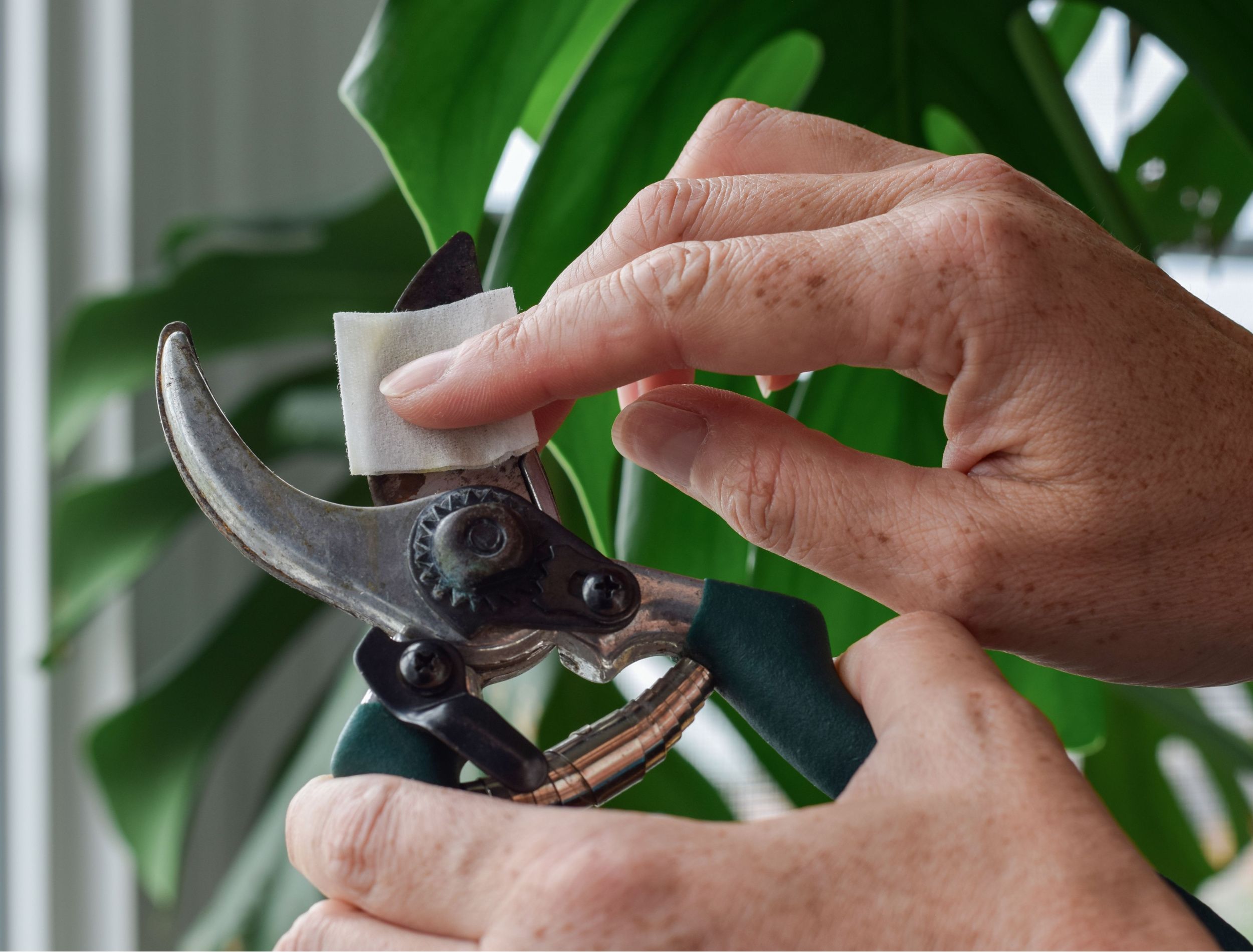
Credit: www.backyardboss.net
Frequently Asked Questions
Is Vinegar Or Baking Soda Better For Rust?
Vinegar is generally better for rust removal due to its acidic nature. It dissolves rust effectively, making it easier to scrub away. Baking soda is less effective but can work for light rust when combined with water to form a paste.
Both are eco-friendly and safe options for rust removal.
How To Remove Rust From Metal In 2 Minutes?
Quickly remove rust by applying white vinegar to the metal. Let it sit for a minute. Scrub with a brush, then rinse with water. Dry thoroughly to prevent further rust.
How Long To Leave Baking Soda To Remove Rust?
Leave baking soda paste on rust for 15-20 minutes. Scrub gently, then rinse thoroughly. Repeat if needed.
What Is The Best Homemade Rust Remover?
The best homemade rust remover combines white vinegar and baking soda. Soak the rusty item in vinegar, then scrub with baking soda. This method effectively breaks down rust and is eco-friendly. Ensure thorough rinsing afterward to prevent any residue.
Conclusion
Removing rust from tools with baking soda is easy and effective. It saves time and keeps tools looking new. Baking soda is gentle on metal surfaces. No harsh chemicals needed. Just mix with water and apply. Scrub lightly, rinse, and dry well.
Regular cleaning prevents rust buildup. Keep tools in dry places. Avoid moisture exposure. Use baking soda regularly for best results. Rust-free tools work better and last longer. Enjoy using clean, efficient tools. Simple steps make a big difference. Try this method today and see results.
Your tools deserve the best care.

I’m Abby Lu, a passionate home cook who loves simplifying everyday meals. At PlugChef.com, I share product reviews and cooking guides to help you find the best tools for your kitchen.
Related posts:
 What Type of Cooking Utensils are Safe: Expert Picks
 What Innovations Could Blenders Make: Unleashing Future Tech
 Smart Strategies to Organize a Small Kitchen: Maximize Space
 How to Organize a Kitchen Cabinet: Expert Tips & Tricks
 How to Organize Kitchen Drawers: Expert Tips and Tricks
 How to Organize a Corner Kitchen Cupboard: Expert Tips

