

Imagine reaching for your favorite kitchen utensil only to find it speckled with rust. Frustrating, right?
Rust not only diminishes the appearance of your tools but can also affect their functionality. You might wonder if there’s a way to restore your utensils without replacing them. The good news? You can! In this guide, you’ll discover simple yet effective methods to banish rust and breathe new life into your kitchen essentials.
With a few everyday household items and a little elbow grease, your utensils can be as good as new. Ready to learn how? Let’s dive in and transform those rusty relics into gleaming, kitchen-ready tools.

Credit: www.youtube.com
Common Causes Of Rust On Utensils
Rust on kitchen utensils is a common issue many face. Understanding why utensils rust can help you prevent it. Various factors contribute to rust formation, affecting your utensils’ longevity.
1. Poor Storage Conditions
Utensils stored in damp areas can easily rust. Moisture promotes rust formation on metal surfaces. Dry storage areas are essential to prevent rust.
2. Frequent Water Exposure
Water is a primary culprit behind rust. Utensils left wet after washing are at risk. Dry utensils thoroughly to avoid rust.
3. Acidic Food Residue
Acidic foods can speed up rust formation. Tomato, lemon, and vinegar leave residues that corrode metal. Clean utensils promptly to prevent rust.
4. Lack Of Proper Maintenance
Regular maintenance keeps rust at bay. Neglecting cleaning can lead to rust. Routine care is key for rust prevention.
5. Low-quality Material
Some utensils are made from inferior materials. Cheap metal rusts faster. Invest in high-quality utensils for durability.
Safety Precautions
Rust can ruin kitchen utensils, making them unsafe. Removing rust requires care to prevent harm. Safety precautions are crucial during this process. They protect you and your kitchen environment.
Wear Protective Gloves
Protective gloves shield your skin from harsh chemicals. Rust removers might irritate the skin. Gloves ensure your hands stay safe while you work.
Ensure Proper Ventilation
Work in a well-ventilated area. Open windows or use fans to circulate air. This minimizes inhaling chemical fumes. Fresh air keeps you safe.
Use Safety Goggles
Safety goggles prevent splashes from reaching your eyes. Rust removal agents can be harmful. Goggles are essential for eye protection.
Read Product Labels
Check labels for safety instructions. Follow them carefully. Each product might have specific warnings. Understanding them prevents accidents.
Keep Children Away
Ensure children are not near when removing rust. Chemicals can be dangerous to them. Keep them safe by maintaining a secure distance.
Dispose Of Waste Properly
Properly dispose of all waste materials. Follow local guidelines for chemical disposal. This prevents environmental harm. It keeps your kitchen clean.
Natural Remedies For Rust Removal
Easily remove rust from kitchen utensils with natural remedies. Use vinegar and baking soda for an effective solution. These common household items can restore your utensils without harsh chemicals.
Rust on kitchen utensils can be a frustrating issue, but you don’t need to resort to harsh chemicals to tackle it. Natural remedies for rust removal offer effective and eco-friendly solutions. These methods utilize everyday items that you likely already have in your pantry. Whether you’re dealing with a rusty knife or a discolored baking sheet, these simple techniques can breathe new life into your kitchen tools. Let’s explore some tried-and-true natural remedies to combat rust.Using Vinegar
Vinegar is a household staple with many cleaning uses. It can dissolve rust effectively, thanks to its acidic nature. To use vinegar, soak the rusty utensil in white vinegar for several hours. If the rust is stubborn, leave it overnight. Rinse the utensil thoroughly afterward and scrub it with a brush. You’ll notice the rust flaking away. Have you ever tried this method on a rusty pan? The transformation can be surprising!Baking Soda Paste
Baking soda is another versatile ingredient that can help remove rust. It works by reacting with the rust and loosening its grip on the metal. Create a paste by mixing baking soda with water. Apply it generously to the rusty areas. Allow it to sit for about an hour. Scrub the paste with a brush or sponge. Rinse off with water, and your utensil should look much better. Isn’t it fascinating how something you use in baking can also clean your kitchen?Lemon And Salt Method
Lemon and salt make a dynamic duo for rust removal. The acidity of lemon juice combined with the abrasive nature of salt works wonders. Sprinkle salt over the rusted area, then squeeze lemon juice over it. Let it sit for a couple of hours. Use the lemon rind as a scrubber to rub the mixture over the rust. Rinse off with water, and enjoy the shine. Could this be the secret to keeping your grandmother’s old cutlery looking new? Natural remedies not only save you money but also protect the environment. Which method will you try first? Let these tips guide your rust removal adventures, and rediscover the gleam of your kitchen utensils.Commercial Rust Removers
Rust can ruin kitchen utensils, but commercial rust removers can help. Apply the remover to affected areas and gently scrub. Wash thoroughly to ensure all residue is removed.
Rusty kitchen utensils can be a real headache, turning your cooking bliss into a frustrating ordeal. Commercial rust removers offer an effective solution to restore your tools to their former glory. Available in various forms, these products promise to remove rust efficiently and quickly. But with so many options out there, choosing the right one can be daunting. Let’s explore how you can make an informed choice and reclaim your kitchen tools.Understanding Commercial Rust Removers
Commercial rust removers are specifically designed products that target rust stains and corrosion. They often contain chemicals that dissolve rust, making it easy to wipe away. Many come in user-friendly packaging, such as sprays or gels, which simplifies the application process. Before purchasing, check the label for suitability with kitchen utensils. Some removers might be too harsh for delicate materials like copper or stainless steel. It’s worth reading customer reviews to learn about others’ experiences with specific products.Application Process
Using a commercial rust remover is generally straightforward. Begin by reading the instructions carefully; this ensures you apply the product correctly and safely. Typically, you’ll apply the remover to the rusted area, let it sit for a specified time, and then scrub or wipe off the residue. Always wear gloves to protect your skin from any harsh chemicals. After treating your utensils, wash them thoroughly with soap and water to remove any chemical traces. This step is crucial, especially when dealing with kitchenware that comes into contact with food.Are Commercial Rust Removers Safe?
Safety is a common concern when dealing with chemical products. Most commercial rust removers are formulated to be safe for kitchen use, but it’s important to follow safety guidelines. Ensure you’re in a well-ventilated area to avoid inhaling fumes. Consider doing a patch test on a small, less visible area of the utensil before full application. This helps you see how the remover interacts with the material. If you’re worried about chemical exposure, look for products labeled as non-toxic or environmentally friendly.Cost Vs. Effectiveness
Commercial rust removers range in price, and sometimes it’s tempting to opt for the cheapest option. However, effectiveness can vary significantly between products. Investing in a slightly more expensive remover that has positive reviews might save you time and effort in the long run. Think about the value of your time and the importance of having rust-free utensils. Is it worth spending a little extra for a product that works better and faster? Balancing cost with effectiveness is crucial to making a wise choice.Personal Experience With Rust Removers
Last year, I was frustrated with my rusted baking trays. After trying a few DIY solutions with little success, I decided to try a commercial rust remover. The transformation was impressive, and the trays looked almost new after one application. This experience taught me the importance of choosing a product that suits the specific needs of your kitchen items. It also reinforced the value of reading reviews and instructions carefully. The right commercial rust remover can be a game-changer for your kitchen maintenance routine. Have you tried commercial rust removers, or are you still on the fence? What’s holding you back from reclaiming those rusty utensils?Preventing Rust In The Future
Rust can damage kitchen utensils, but simple methods can help. Scrubbing with baking soda or vinegar removes rust effectively. Drying utensils thoroughly after washing prevents future rust formation.
Rust can be a real nuisance in the kitchen, especially when it starts creeping onto your favorite utensils. While removing rust might seem like a daunting task, preventing it in the future is both simpler and more effective. Imagine the relief of knowing your kitchen tools are safe from the clutches of rust. Here’s how you can ensure your utensils remain rust-free.Proper Storage
Storing your utensils correctly is crucial to preventing rust. Keep them dry at all times. After washing, make sure to dry them thoroughly with a towel. Moisture is rust’s best friend, so eliminating it is your first line of defense. Consider investing in a utensil holder that allows air circulation. This helps in drying out any residual moisture. Do you often find your utensils cramped in a drawer? This can trap humidity, so opt for open storage solutions when possible.Regular Maintenance
Regular maintenance is key to keeping rust at bay. Inspect your utensils frequently for any signs of rust. Catching it early can save you a lot of effort down the line. Occasionally apply a thin layer of oil to metallic surfaces. This creates a barrier that moisture cannot easily penetrate. Olive oil or vegetable oil works wonders for this purpose. Think about your cleaning habits. Are you using harsh detergents that might damage the protective coating of your utensils? Switch to milder options to preserve their integrity. By focusing on proper storage and regular maintenance, you’re not just protecting your utensils; you’re ensuring a more efficient, enjoyable cooking experience. What steps will you take today to safeguard your kitchen tools?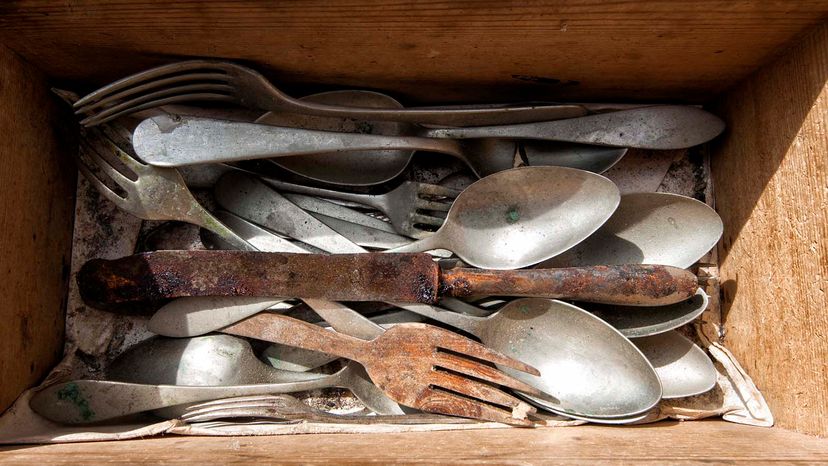
Credit: home.howstuffworks.com
Tips For Long-lasting Utensils
Removing rust from kitchen utensils helps them last longer. Use white vinegar to soak rusty utensils overnight. Scrub with a soft brush to remove any residue, and dry thoroughly.
When it comes to keeping your kitchen utensils rust-free and long-lasting, a few practical tips can make all the difference. Rust not only affects the appearance of your utensils but can also influence their performance and safety. By adopting simple habits and maintenance techniques, you can extend the life of your kitchen tools and keep them looking as good as new.1. Keep Utensils Dry
Moisture is rust’s best friend. After washing your utensils, dry them immediately with a clean towel. Avoid air drying as water droplets can linger, promoting rust formation. Have you ever noticed rust spots despite thorough washing? It’s often due to incomplete drying.2. Store Properly
Storing utensils in a dry, well-ventilated space is crucial. Use a utensil holder with drainage holes to prevent water accumulation. Consider adding silica gel packs to your storage drawers to absorb excess moisture.3. Regular Maintenance
Routine checks can prevent rust from developing. Inspect your utensils for any signs of rust and address them promptly. Regularly polish metal utensils with a cloth and a bit of olive oil to create a protective barrier. Have you ever thought about how a little maintenance can go a long way?4. Avoid Harsh Chemicals
Using abrasive cleaners can damage the protective layer of your utensils. Opt for mild dish soap and a soft sponge for cleaning. If you need to tackle tough stains, try a paste of baking soda and water. It’s gentle yet effective.5. Use The Right Utensils For Cooking
Different cooking tasks require different utensils. Use wooden or silicone utensils with non-stick cookware to avoid scratches that can lead to rust. Metal on metal can wear down protective coatings, making them more susceptible to rust.6. Apply Protective Coatings
Consider applying a thin layer of mineral oil to your metal utensils. This simple step can prevent moisture from settling on the surface. Have you tried this technique before? It’s a straightforward way to keep rust at bay.7. Invest In Quality
Sometimes, it pays to invest in high-quality utensils. They often come with better protective coatings and materials that resist rust. Look for stainless steel or utensils labeled as rust-resistant for long-term use. By following these practical tips, you can ensure your kitchen utensils serve you well for years to come. What are your go-to practices for maintaining your kitchen tools? Share your thoughts and let’s keep our kitchens rust-free together!
Credit: www.homedit.com
Frequently Asked Questions
How Do You Get Rust Off Stainless Steel Cutlery?
Remove rust from stainless steel cutlery using a paste of baking soda and water. Rub gently with a cloth. Rinse thoroughly to ensure all residue is gone. Dry immediately to prevent future rust. This method is effective and safe for maintaining your cutlery’s shine and durability.
Will Vinegar Remove Rust From Silverware?
Yes, vinegar can remove rust from silverware. Soak the items in white vinegar for a few hours. Then, scrub gently with a soft cloth or brush. Rinse thoroughly with water and dry completely to prevent further rust. Vinegar’s acidic nature effectively dissolves rust, restoring your silverware’s shine.
How Do You Remove Rust From A Metal Spatula?
Use white vinegar and baking soda to remove rust. Soak the spatula in vinegar for a few hours. Scrub gently with a paste of baking soda and water. Rinse and dry thoroughly to prevent future rusting. This method is safe and effective for most metal surfaces.
Should You Throw Away Silverware With Rust?
Do not throw away rusty silverware. Clean rust with baking soda and water paste or vinegar soak. Dry thoroughly to prevent future rust. Regular maintenance extends silverware life and ensures safe usage.
Conclusion
Removing rust from kitchen utensils keeps them clean and safe. Simple steps can restore shine and usability. Regular maintenance prevents rust buildup. Use vinegar or lemon juice for effective cleaning. Scrubbing gently ensures no damage. Dry utensils completely after washing.
Store in a dry place to avoid moisture. Follow these tips to keep your kitchen tools rust-free. Healthy cooking starts with clean utensils. Enjoy preparing meals without worry. Keep rust at bay with these easy methods. Your kitchen will thank you.

Hi, I’m Daniel Brooks—a food lover and kitchen gear enthusiast. I enjoy testing cookware, utensils, and gadgets to see what really works in everyday cooking. At PlugChef.com, I share honest reviews, comparisons, and simple guides to help you choose the best tools for a safer, smarter, and more enjoyable kitchen.
Related posts:
 What Type of Cooking Utensils are Safe: Expert Picks
 What Innovations Could Blenders Make: Unleashing Future Tech
 Smart Strategies to Organize a Small Kitchen: Maximize Space
 How to Organize a Kitchen Cabinet: Expert Tips & Tricks
 How to Organize Kitchen Drawers: Expert Tips and Tricks
 How to Organize a Corner Kitchen Cupboard: Expert Tips

