

Rust on your cooking utensils can be a real headache. Not only does it make them look unsightly, but it can also affect the taste and safety of your food.
You might feel a bit frustrated or even worried when you spot that orange-brown stain on your favorite pan or knife. But don’t worry! You are not alone, and the good news is that removing rust is easier than you might think.
In this guide, you’re going to discover simple, effective ways to restore your utensils to their former glory. Imagine the satisfaction of seeing your pots and pans sparkle again, ready for your next culinary adventure. So, let’s dive into the world of rust removal and say goodbye to those pesky stains once and for all.
Causes Of Rust On Utensils
Rust on cooking utensils often occurs due to moisture exposure and lack of proper drying. Stainless steel and iron utensils are prone to rust when left wet. Regular maintenance and proper storage can prevent rust buildup effectively.
Rust on cooking utensils is an issue that many of us have encountered, and it’s not just an aesthetic problem. Rust can affect the functionality and safety of your kitchen tools. Understanding why rust forms on your utensils is the first step towards preventing it and extending the life of your cookware. Let’s dive into the common causes of rust on your favorite kitchen companions.1. Exposure To Moisture
Moisture is one of the main culprits behind rust. When utensils are not dried thoroughly after washing, water droplets linger. This moisture can react with the metal, leading to rust formation. Have you ever left a wet spoon in the sink only to find it stained with rust the next day? That’s moisture at work.2. Acidic Foods
Acidic foods like tomatoes, citrus fruits, or vinegar can speed up the rusting process. When these foods come in contact with metal utensils, they can break down the protective coating, making them more susceptible to rust. Consider this next time you’re whipping up a tomato sauce; it might be rusting your utensils without you realizing it.3. Poor Storage Practices
Improper storage can also lead to rust. Stacking damp utensils in a drawer or leaving them in a humid environment encourages rust to form. Think about your utensil drawer. Is it dry and organized? If not, you might be giving rust a welcome mat.4. Low-quality Materials
Sometimes, the material of the utensil itself is to blame. Low-quality metals or finishes can rust more easily than higher-grade stainless steel. It’s tempting to go for the cheaper option, but in the long run, investing in quality can save you from the hassle of dealing with rust.5. Lack Of Maintenance
Regular maintenance is crucial in preventing rust. Failing to clean utensils properly or neglecting to oil cast iron can lead to rust over time. Do you remember the last time you conditioned your cast iron skillet? It might be time to show it some love. Understanding these causes can help you take practical steps to prevent rust. Dry your utensils thoroughly, be mindful of storing them, and choose quality materials when possible. By doing so, you can keep your kitchen tools in top shape and your meals safe. What changes can you make today to protect your utensils from rust?
Credit: www.reddit.com
Safety Precautions
Use gloves to protect your hands while handling cleaning agents. Ensure the room is well-ventilated to avoid inhaling fumes. Keep cleaning products away from food to prevent contamination.
Removing rust from cooking utensils is a task that demands attention to detail and care. While it’s essential to restore your pots, pans, and other tools to their former glory, ensuring your safety in the process is paramount. By taking the right precautions, you can avoid accidents and make your cleaning endeavor both effective and safe.Using Protective Gear
Wearing protective gear is crucial. Gloves are your first line of defense. They protect your hands from harsh chemicals and any sharp edges that might be exposed during cleaning. Consider using goggles to shield your eyes, especially if you’re working with sprays or solutions that might splash.Ventilation Matters
Adequate ventilation can make a world of difference. If you’re using chemical rust removers, make sure you’re in a well-ventilated area. Open windows or use a fan to keep the air circulating. This prevents the buildup of fumes that can be harmful if inhaled.Proper Handling Of Chemicals
When working with chemical rust removers, follow the instructions meticulously. Use only the recommended amount. More isn’t always better and could lead to unwanted reactions. Store chemicals away from heat and direct sunlight to prevent any dangerous occurrences.Safe Disposal Of Materials
Consider how you’ll dispose of the materials you use. Are there any local regulations about disposing of chemical residues? If you’re not sure, a quick call to your local waste management can provide guidance. It’s a simple step that ensures you’re not harming the environment.Mind Your Surroundings
Your workspace should be organized. Keep your cleaning tools and chemicals within easy reach but away from children or pets. A clutter-free area reduces the risk of accidents. How often do we overlook the small things, only to realize their importance later? By prioritizing these safety measures, you not only protect yourself but also your utensils. Have you ever had a cleaning session go awry because of a small oversight? Learning from these moments can be invaluable. So, take a moment to reflect on how you approach safety in your everyday tasks.Using Baking Soda And Vinegar
Baking soda and vinegar effectively remove rust from cooking utensils. Their combined power dissolves rust without harsh chemicals. Simply apply the mixture and scrub gently for sparkling results.
Rust can be a pesky problem, especially on cooking utensils. But don’t worry—baking soda and vinegar offer a simple and effective solution. These everyday kitchen items can work wonders in removing rust, and you probably have them on hand. Plus, they are safe to use on surfaces that come into contact with food. Have you ever watched your favorite spatula or knife slowly succumb to rust? It’s frustrating, right? But before you consider tossing them out, try this method. You’ll find that with a little effort, your utensils can regain their former glory.Preparing The Mixture
Start by gathering your ingredients: baking soda and vinegar. You’ll need a small bowl or container to mix them in. Add a few tablespoons of baking soda to the bowl. Then, slowly pour vinegar into the baking soda. The mixture will start to fizz—that’s perfectly normal. Mix until you have a paste-like consistency. Consider how much mixture you’ll need based on the size of your utensil. A small spoon might require less than a large pan. Make adjustments accordingly.Application Process
Using a sponge or brush, apply the paste directly to the rusted area. Ensure the entire rusty surface is covered. Let the paste sit for about 15-20 minutes. This allows the mixture to penetrate the rust. Remember, patience here can yield better results. After waiting, scrub the area gently. You’ll notice the rust starting to lift. Rinse thoroughly with water and dry the utensil completely. Doesn’t it feel rewarding to see your utensils looking clean and rust-free again? It’s amazing what a bit of DIY cleaning can achieve. Have you tried this method before? If not, give it a go and see the transformation for yourself.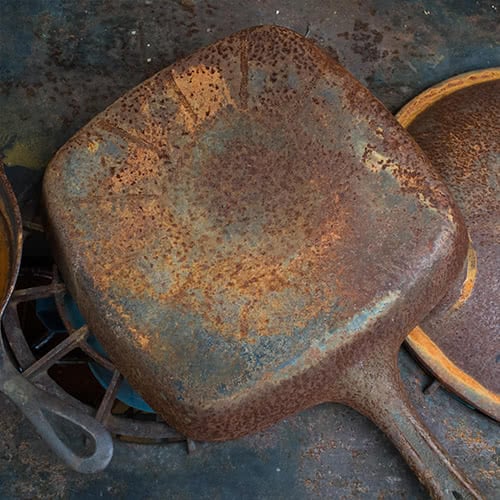
Credit: www.webstaurantstore.com
Lemon And Salt Method
Removing rust from cooking utensils can be simple with lemon and salt. Slice a lemon, sprinkle salt on the rust spots, and scrub. The acid in lemon and rough salt effectively cleans the rust away.
Rust on cooking utensils can be a real nuisance, but the lemon and salt method offers a simple, natural solution. This method is a favorite among many due to its effectiveness and ease of use. Using just two common kitchen ingredients, you can restore your utensils to their former glory without harsh chemicals.Creating The Paste
To start, gather a lemon and some table salt. Squeeze the juice from half a lemon into a small bowl. Add salt gradually, mixing until you achieve a thick paste. You might be wondering why this combination works. The acidity of the lemon juice helps break down rust, while the salt acts as a gentle abrasive. This duo can be a powerful cleaning agent. Would you like to try a more eco-friendly approach to cleaning? This method not only saves your utensils but also reduces chemical exposure in your home.Scrubbing Technique
Apply the paste generously onto the rusty area of your utensil. Use a soft cloth or a sponge to scrub the paste into the rust. Be gentle yet firm. The goal is to lift the rust without scratching the surface of the utensil. You might be surprised at how quickly the rust begins to fade. If the rust is stubborn, leave the paste on for a few minutes before scrubbing again. This gives the lemon juice time to penetrate and loosen the rust further. Why spend money on expensive rust removers when your kitchen holds the secret? Embrace this simple, effective method and see the results for yourself.Commercial Rust Removers
Rust can be a pesky problem for cooking utensils. Commercial rust removers offer an effective solution. They are designed to dissolve rust quickly and restore your utensils. With these products, you can save time and effort.
Choosing The Right Product
Selecting a commercial rust remover can be overwhelming. Look for products that are safe for kitchen use. Check labels for non-toxic ingredients. It’s important to choose a remover that matches your utensil’s material. Stainless steel requires different treatment than iron. Read reviews to learn about user experiences. Consider the remover’s price and availability.
Application Instructions
Before applying, read the instructions on the label carefully. Most removers need you to clean the utensil first. Use a cloth or brush to apply the remover evenly. Allow the product to sit for the recommended time. Afterward, rinse the utensil thoroughly with water. Dry the utensil completely to prevent future rust. Repeat if necessary for stubborn rust spots.

Credit: www.amazon.com
Preventing Future Rust
Rust on cooking utensils can be prevented by thoroughly drying them after washing. Using a clean cloth to wipe away moisture helps. Applying a thin layer of vegetable oil also creates a protective barrier against rust.
Rust on your beloved cooking utensils not only looks unsightly but can also impact the taste and safety of your meals. Once you’ve successfully removed rust, the next step is ensuring it doesn’t return. How do you keep your utensils rust-free in the future? It all boils down to proper storage and regular maintenance.Proper Storage
Storing your utensils correctly can make a significant difference in preventing rust. Always ensure that utensils are completely dry before putting them away. Moisture is rust’s best friend, so eliminating it is crucial. Consider using a utensil holder that allows for airflow, keeping the environment dry. If you store your utensils in a drawer, make sure it’s lined with a moisture-absorbing material, like silica gel packets. These small steps can help keep rust at bay.Regular Maintenance
Routine maintenance is key to a rust-free kitchen. After each use, wash your utensils promptly and dry them thoroughly. Avoid letting them air dry, as lingering water can lead to rust formation. Apply a thin layer of food-safe oil to metal surfaces occasionally. This acts as a barrier against moisture and adds a shine to your utensils. Regularly inspect your utensils for early signs of rust, tackling any spots immediately with a gentle scrub. Have you ever noticed how a little extra care can extend the life of your favorite kitchen tools? By investing just a bit of time in storage and maintenance, you can keep rust away and enjoy your cooking utensils for years to come. Why not start today? Your future meals will thank you.When To Replace Utensils
Regularly check cooking utensils for rust to ensure safe food preparation. Remove rust by scrubbing with baking soda and water. Replace utensils showing signs of wear to maintain hygiene and cooking efficiency.
Dealing with rust on cooking utensils is an inevitable part of kitchen maintenance. Despite our best efforts to remove rust, there comes a time when replacing utensils is the more practical choice. Recognizing when to say goodbye to your old kitchen tools can save you time and ensure your meals remain safe and delicious.Signs Your Utensils Need Replacing
Rust is more than just an eyesore; it can affect the performance and safety of your kitchen tools. If a utensil has deep, pervasive rust that persists even after cleaning, it’s time to let it go. Consider the safety of your family—replacing severely rusted items can prevent potential health risks.Material Matters
Different materials react to rust in various ways. Stainless steel is more resistant, but once it succumbs to rust, it can be challenging to restore fully. On the other hand, cast iron can often be saved with a bit more elbow grease. Knowing the material of your utensils helps you make informed decisions about replacement.Cost Vs. Usability
Weigh the cost of replacement against the usability of the utensil. If you find yourself constantly scrubbing and still dealing with rust, consider the time and effort you are spending. Sometimes, investing in a new, higher-quality utensil can be more economical in the long run.Personal Experience And Practicality
I once held onto a rusty spatula because it was part of a set. It wasn’t until I noticed flakes of rust in my pancake batter that I realized the risk I was taking. Don’t let sentimentality cloud your judgment—prioritize practicality and safety for a better cooking experience.Emotional Attachment: Is It Worth It?
We often form attachments to our kitchen tools, especially those that have been with us for years. However, consider the last time you genuinely enjoyed using a rusty utensil. Would you rather have a tool that works efficiently, or one that makes cooking a chore?Ask Yourself: Does It Serve Its Purpose?
Every utensil should have a clear purpose in your kitchen. If rust prevents it from performing effectively, it’s not serving you well. Think about how often you reach for that rusty tool—is it out of necessity or simply habit? As you evaluate your kitchen, keep these insights in mind. Replacing rusted utensils isn’t just about aesthetics; it’s about ensuring your kitchen remains a place of joy and safety. Are you ready to make the change?Frequently Asked Questions
What Removes Rust From Kitchen Utensils?
Use lemon juice or vinegar to remove rust from kitchen utensils. Scrub with baking soda for stubborn spots. Rinse thoroughly to prevent residue. For severe rust, try commercial rust removers. Regular cleaning helps prevent rust buildup. Ensure utensils are dry after washing to avoid rust formation.
How Do You Get Rust Off Of Cookware?
Use a mixture of baking soda and water to form a paste. Scrub the rust off with a sponge. Rinse thoroughly with warm water and dry immediately to prevent further rust. For stubborn rust, use white vinegar instead of water.
Always keep cookware dry to avoid rust.
How To Clean Rust Off Stainless Steel Cutlery?
Remove rust from stainless steel cutlery using baking soda and water paste. Scrub gently with a soft cloth. Rinse thoroughly and dry immediately to prevent future rust. Avoid abrasive materials to maintain cutlery shine. Regular cleaning preserves stainless steel quality.
How Do You Remove Rust From A Metal Spatula?
To remove rust from a metal spatula, scrub with baking soda and water paste. Rinse thoroughly with vinegar. Dry completely to prevent future rust.
Conclusion
Removing rust from cooking utensils is simple with the right methods. Regular cleaning prevents rust buildup. Vinegar and baking soda are effective solutions. Scrubbing gently avoids scratching the surface. Dry utensils thoroughly after washing. Store utensils in a dry place.
These steps keep your kitchen tools rust-free. Safe for cooking. Long-lasting. Try different methods to find what works best. Your utensils deserve care and attention. Keep them clean and ready for use. Rust-free utensils make cooking enjoyable. Happy cooking!

Hi, I’m Daniel Brooks—a food lover and kitchen gear enthusiast. I enjoy testing cookware, utensils, and gadgets to see what really works in everyday cooking. At PlugChef.com, I share honest reviews, comparisons, and simple guides to help you choose the best tools for a safer, smarter, and more enjoyable kitchen.
Related posts:
 What Type of Cooking Utensils are Safe: Expert Picks
 What Innovations Could Blenders Make: Unleashing Future Tech
 Smart Strategies to Organize a Small Kitchen: Maximize Space
 How to Organize a Kitchen Cabinet: Expert Tips & Tricks
 How to Organize Kitchen Drawers: Expert Tips and Tricks
 How to Organize a Corner Kitchen Cupboard: Expert Tips

