
Imagine this: you’re preparing a delicious meal, and you reach for your trusty wood cutting board. But as you pick it up, you notice a spot of mold creeping across its surface.
It’s enough to make you pause and wonder about the safety of your food. Mold on your cutting board isn’t just unsightly; it can pose health risks and affect the taste of your dishes. You’re not alone in facing this common kitchen dilemma.
Many home cooks have found themselves in the same spot, searching for a reliable way to restore their cutting board to its pristine condition. You’ll discover effective and easy methods to remove mold from your wood cutting board, ensuring your kitchen remains a safe and healthy environment. Stick around to learn the steps you need to take to protect your food and keep your cooking tools in top shape.
Credit: www.thefrugalgirl.com
Identifying Mold On Wood
Discovering mold on wood cutting boards signals a need for immediate cleaning. Scrub the board with vinegar and baking soda. Rinse thoroughly and let it dry completely to prevent mold regrowth.
Identifying mold on your wood cutting board can be a bit tricky, especially if you’re not sure what to look for. Mold is sneaky and can hide in plain sight if you’re not vigilant. Knowing exactly what to identify is crucial for maintaining both your cutting board’s longevity and your health.Understanding The Appearance Of Mold
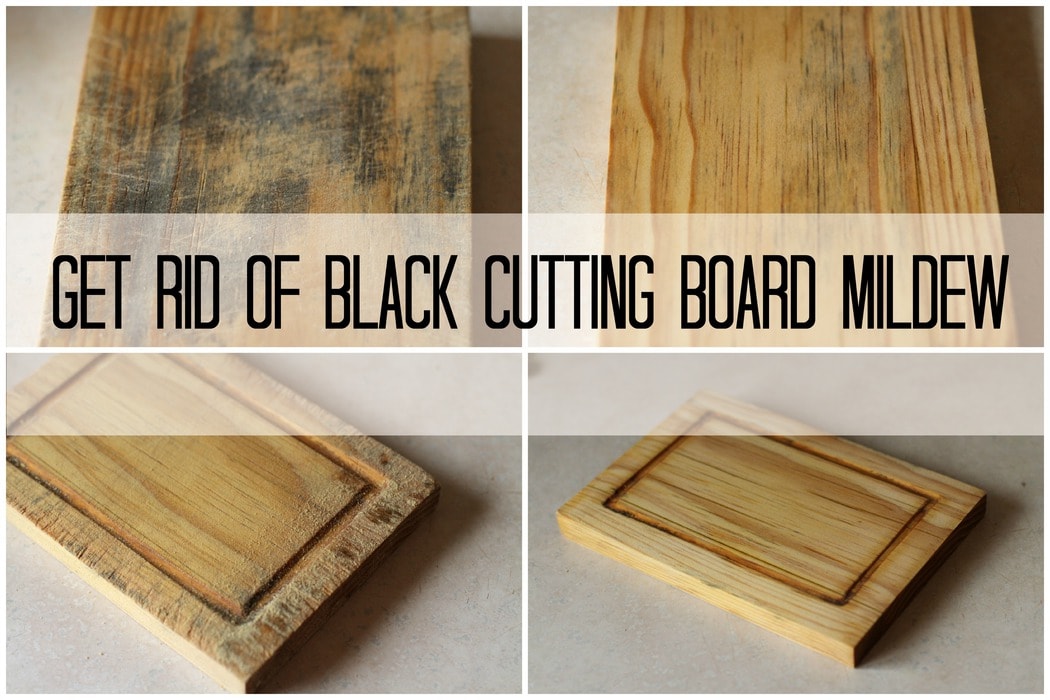
Mold on wood cutting boards often appears as fuzzy or velvety patches. It can be white, green, or even black. Look closely at any discoloration or unusual texture on your board’s surface.Smell As An Indicator
A musty or earthy smell emanating from your cutting board can be a strong indication of mold. Trust your nose. If something doesn’t smell right, it probably isn’t.Feel For The Texture
Run your fingers over the board. Mold can sometimes feel slimy or sticky. If your board feels different than usual, it might be time to take a closer look.Check Hidden Areas
Mold loves to hide in corners and crevices. Flip your board over and inspect the sides and edges. These areas are often overlooked but can harbor unwanted growth.Observe Changes Over Time
Keep an eye on your board’s condition. Has the color changed since you bought it? Are there new spots that weren’t there before? Regular observation can prevent mold from becoming a bigger problem. Engaging your senses is key. Have you noticed any of these signs on your cutting board? Spotting mold early can save you from potential health risks and can preserve your beloved kitchen tool for years to come.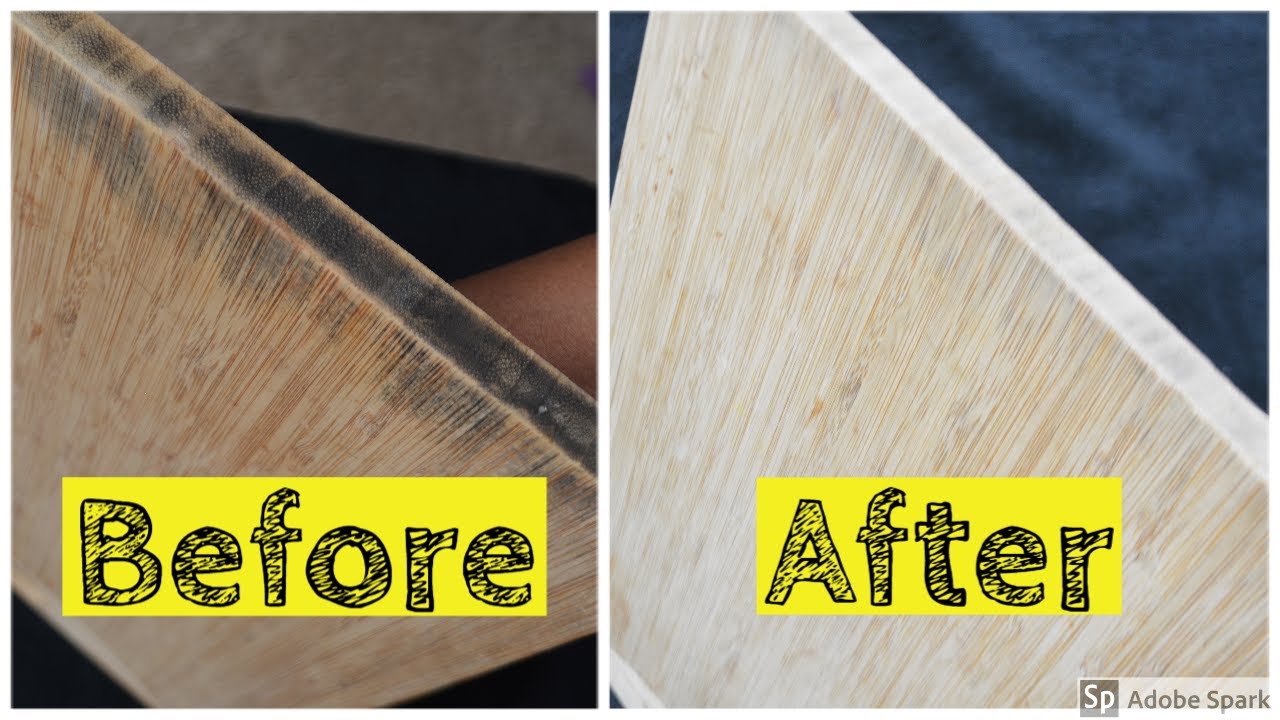
Credit: www.youtube.com
Safety Precautions
Removing mold from wood cutting boards requires careful handling. Mold can pose health risks if not dealt with properly. Safety precautions are vital in ensuring a safe cleaning process. Follow these guidelines to protect yourself and maintain the board’s quality.
Wear Protective Gear
Always wear gloves to prevent mold contact with skin. A mask can help avoid inhaling mold spores. Eye protection is also advisable.
Ensure Proper Ventilation
Open windows for good airflow while cleaning. Mold spores can linger in the air, so ventilation reduces exposure.
Use Safe Cleaning Products
Choose non-toxic cleaners for effective mold removal. Vinegar and hydrogen peroxide are safe options. They kill mold without harmful chemicals.
Dispose Of Contaminated Materials
Place contaminated items in sealed bags. Dispose of them promptly to prevent mold spread. Seal used cleaning cloths and gloves securely.
Essential Cleaning Supplies
Mold on wood cutting boards can be removed using essential cleaning supplies like vinegar and baking soda. Scrub gently with a soft brush to avoid damage. Dry the board thoroughly to prevent mold from coming back. Regular cleaning keeps your kitchen tools safe and ready for use.
When your wood cutting board starts showing signs of mold, it’s crucial to act quickly. Removing mold not only keeps your board sanitary but also extends its life. Having the right cleaning supplies can make this task straightforward and effective. Let’s explore what you need to tackle this cleaning challenge with confidence.White Vinegar
White vinegar is a household staple that’s perfect for this job. It’s a natural disinfectant and helps eliminate mold spores. Pour some vinegar into a spray bottle and apply it generously to the affected areas.Baking Soda
Baking soda works wonders in absorbing moisture and neutralizing odors. It’s mildly abrasive, making it ideal for scrubbing stubborn mold spots. Mix it with water to form a paste and apply it to the board.Hydrogen Peroxide
Hydrogen peroxide is another effective mold killer. It’s safe for cutting boards and doesn’t leave harmful residues. Dab a little on a clean cloth and wipe down the moldy areas.Soft-bristle Brush
A soft-bristle brush helps scrub off mold without scratching the wood. It’s gentle yet effective, ensuring you remove mold while preserving the board’s surface. Make sure to choose a brush that’s easy to handle for better control.Clean Towels
You’ll need clean towels for drying your board thoroughly after cleaning. Mold thrives in moisture, so ensuring your board is dry is crucial. Use a towel that absorbs well and doesn’t leave lint behind.Tea Tree Oil
Tea tree oil is a natural antifungal that can help keep mold at bay. Add a few drops to your cleaning solution for an added mold-fighting boost. It leaves a pleasant aroma, making your board smell fresh. Are you using any of these supplies already, or do you need to restock? Having them on hand can make your cleaning routine much simpler and more efficient. By gathering these supplies, you’re equipping yourself to handle mold on your wood cutting board effectively. These items not only tackle the mold but also help maintain the board’s integrity. Ready to clean up that mold and restore your board? Grab these essentials and get started!Natural Cleaning Methods
Removing mold from a wood cutting board requires simple steps. Mix vinegar and water. Scrub with a brush. Rinse and dry completely. Avoid soaking the board to prevent damage. Regular cleaning keeps your board safe and mold-free.
Natural cleaning methods offer a safe way to remove mold from wood cutting boards. These methods use common household items to tackle stubborn mold. They are effective, affordable, and easy to use. Let’s explore these natural solutions.Vinegar Solution
Vinegar is a powerful mold fighter. Mix equal parts of water and white vinegar in a spray bottle. Spray the solution generously on the moldy areas of the cutting board. Allow it to sit for at least 10 minutes. The acidity of vinegar helps kill mold spores. Afterward, scrub the board with a clean brush. Rinse with warm water and dry thoroughly.Baking Soda Paste
Baking soda is another excellent mold remover. Create a paste using baking soda and water. Apply the paste directly onto the mold spots. Let it sit for 15 minutes. Baking soda not only cleans but also deodorizes. Scrub the area gently with a sponge or brush. Rinse well with water and dry completely. This method leaves your board fresh and clean.Hydrogen Peroxide Application
Hydrogen peroxide is effective against mold. Pour a small amount of 3% hydrogen peroxide onto a cloth. Gently rub the moldy sections of the cutting board. Let it sit for several minutes to work its magic. Hydrogen peroxide disinfects and breaks down mold. Rinse the board with water after scrubbing. Ensure it is dry before storing. This prevents future mold growth.Chemical Cleaners
Removing mold from a wood cutting board requires careful attention. Chemical cleaners provide effective solutions for tackling stubborn mold. These cleaners can break down and eliminate mold spores, ensuring a clean surface. Let’s explore different chemical options for cleaning mold from wood cutting boards.
Bleach Solution
Bleach is a powerful mold remover. It disinfects and sanitizes surfaces effectively. Mix one tablespoon of bleach with one cup of water. Apply the solution using a cloth or sponge. Gently scrub the moldy areas. Rinse the board with water after cleaning. Ensure complete removal of bleach residue.
Commercial Mold Removers
Commercial mold removers are readily available in stores. These products are specifically formulated to kill mold. Follow the instructions on the label for best results. Typically, you apply the remover and let it sit. Afterward, wipe off the mold using a cloth. Commercial removers offer convenience and efficiency.
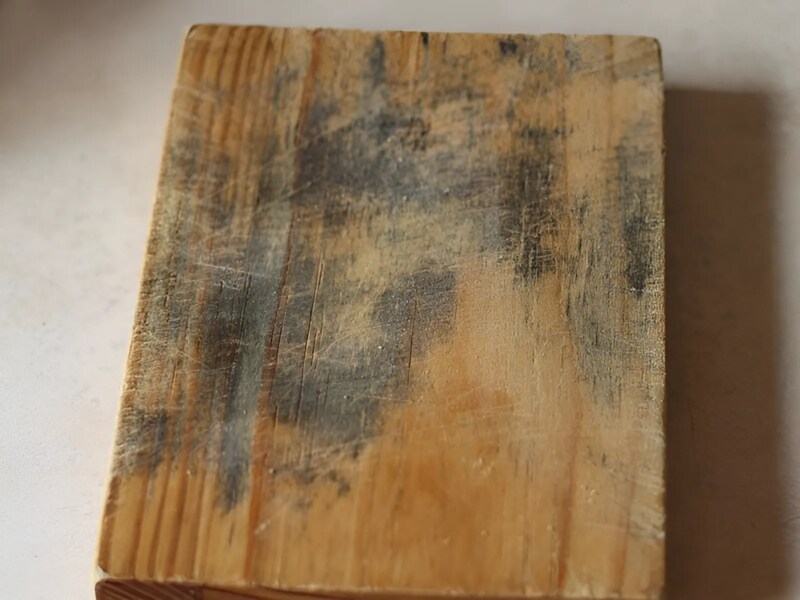
Credit: en.chefstudio.vn
Cleaning Process
Cleaning a wood cutting board is essential for maintaining its lifespan and ensuring food safety. A moldy cutting board can be both unsightly and a health hazard. Removing mold effectively requires a structured approach. Let’s dive into the cleaning process that will leave your board spotless and safe to use.
Preparation And Setup
Begin by gathering all necessary supplies. You’ll need white vinegar, baking soda, a clean cloth, and a scrubbing brush. Ensure your work area is well-ventilated to avoid inhaling mold spores.
Place your cutting board on a stable, flat surface. This will help prevent any accidents during the cleaning process. If you have a large board, consider working over a sink to contain any excess liquid.
Step-by-step Cleaning
First, sprinkle a generous amount of baking soda over the moldy areas of the board. Baking soda will help absorb moisture and loosen the mold.
Next, pour white vinegar over the baking soda. The mixture will fizz, which is normal and helps lift the mold from the wood. Let it sit for about 10 minutes to work its magic.
Use a scrubbing brush to scrub the board gently. Pay extra attention to any grooves or cuts in the wood where mold might be hiding. Repeat the process if necessary until the mold is gone.
Rinsing And Drying
After scrubbing, rinse the board thoroughly with warm water. Make sure all traces of baking soda and vinegar are washed away to prevent any residue.
Dry the board completely with a clean cloth. Leaving the board wet can encourage mold to return. Consider standing it upright to air dry, which ensures both sides dry evenly.
Have you ever noticed mold returning after a few days? It might be due to improper drying. Ensuring your board is dry can make a significant difference in preventing future mold growth.
Remember, a clean cutting board is not just about aesthetics. It’s about ensuring the safety of the food you prepare for yourself and your loved ones. Try this cleaning method and see how it transforms your kitchen routine.
Preventing Future Mold Growth
Keeping your wood cutting board free from mold is essential for maintaining a safe and hygienic kitchen. Mold not only looks unsightly but can also pose health risks. The good news is, with a little care and attention, you can prevent future mold growth on your cutting board. Let’s dive into some effective strategies that will help you keep your cutting board in pristine condition.
Proper Board Maintenance
Regular cleaning is your first line of defense against mold. Each time you use your cutting board, scrub it with hot water and mild dish soap. Don’t forget to rinse thoroughly to ensure no soap residue is left behind.
After washing, always dry your board completely with a clean towel. Leaving it wet can be a breeding ground for mold. A quick personal tip: I like to stand my board on its side on the counter to allow airflow around it.
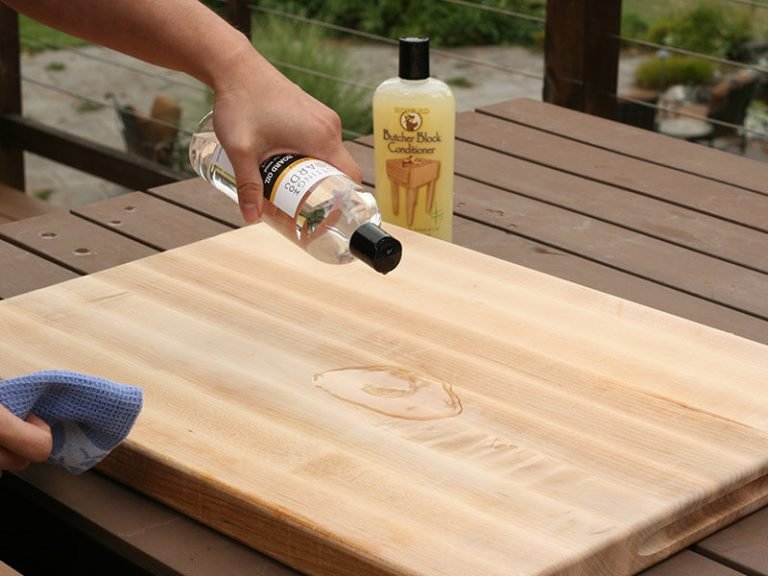
Applying mineral oil regularly can help keep your board in good shape. It creates a protective barrier that prevents moisture from seeping in. Ever noticed how a well-oiled board seems to repel water? That’s the magic of proper maintenance.
Storage Tips
Where you store your cutting board can make a big difference. Always store it in a dry place, away from dampness. If you have a wooden cabinet, consider placing a moisture absorber inside.
Avoid stacking your boards tightly. Proper air circulation is key. You might consider using a rack that allows air to move around each board.
Think about your kitchen setup. Is there a spot that tends to stay drier than others? Utilize that area to store your cutting boards. It’s a simple adjustment that can prevent mold growth.
By integrating these practical steps into your routine, you can extend the life of your wood cutting board. Have you tried any of these tips before, or do you have your own tricks for keeping mold at bay? Share your thoughts and let’s keep our kitchens healthy together!
When To Replace Your Board
Wood cutting boards should be replaced if mold persists despite thorough cleaning. Scrub affected areas with vinegar and baking soda. Rinse and dry completely to prevent mold from returning.
When you notice your wooden cutting board starting to show signs of wear and tear, it’s crucial to know when it’s time to replace it. A cutting board is an essential kitchen tool, but over time, it can become unsafe. Cracks, deep grooves, and persistent mold can compromise its functionality and hygiene. Understanding when to say goodbye to your board can save you from potential health risks and ensure your kitchen stays efficient and safe.Cracks And Splits
A cracked board isn’t just unsightly; it’s a breeding ground for bacteria. If you find yourself constantly scrubbing without success, it might be time to replace it. Cracks can harbor mold and germs that are hard to remove. Your board should provide a smooth surface, not a home for unwanted microorganisms.Deep Grooves
Does your knife leave deep grooves on your board? These grooves can trap food particles and moisture, making it difficult to clean. Even after a thorough wash, remnants can linger in these crevices. If your board resembles a topographical map, consider getting a new one to ensure a clean cutting surface.Persistent Mold
Mold is a sign that your board has been compromised. If you find mold returning despite your best cleaning efforts, it’s a red flag. Mold can be harmful to your health and can transfer to the food you prepare. A new board can give you peace of mind and a mold-free kitchen experience.Unpleasant Odor
Does your board emit a strange smell even after cleaning? Lingering odors can indicate trapped bacteria or mold. If your board smells like anything other than fresh wood, it’s time for a change. A fresh board should have no scent other than its natural wood aroma.Discoloration
Notice any unusual stains or color changes that won’t wash away? Discoloration can be a sign of moisture damage or bacterial growth. While some stains are normal from use, persistent discoloration suggests it’s time for a new board. Before you toss out your old board, think about its condition. How many of these signs can you relate to? Investing in a new cutting board can ensure your food prep remains safe and hygienic. It’s better to start fresh than risk your health.Frequently Asked Questions
Can You Get Mold Out Of A Wooden Cutting Board?
Yes, mold can be removed from a wooden cutting board. Scrub with vinegar or baking soda solution and rinse. Dry completely to prevent mold re-growth. Regular cleaning and drying help maintain hygiene and extend the board’s life. Always store in a cool, dry place to avoid moisture.
Will Vinegar Remove Mold From Wood?
Yes, vinegar effectively removes mold from wood. It kills mold spores and cleans the surface naturally. Apply white vinegar directly to the affected area, let it sit for an hour, then wipe with a damp cloth. Regular cleaning prevents mold recurrence.
Vinegar is a safe, eco-friendly solution for mold removal.
How To Remove Black Spots From Wood Cutting Board?
Clean the board with a mixture of baking soda and water. Gently scrub the spots with a soft brush. Rinse thoroughly and dry completely. For stubborn stains, use lemon juice and salt, scrub, then rinse. Keep the board dry and oil it regularly to prevent future spots.
How Do You Get Rid Of Mold On Wood Boards?
Remove mold by scrubbing with a solution of vinegar and water. Dry thoroughly to prevent regrowth. Apply a mold-resistant sealant for protection. Ensure proper ventilation in the area to reduce moisture levels. Regularly inspect and clean to maintain mold-free wood surfaces.
Conclusion
Mold on wood cutting boards can be a real nuisance. But removing it is simple with the right steps. Start by scrubbing the board with vinegar or baking soda. Dry it thoroughly to prevent future mold growth. Regular cleaning keeps your board fresh and safe.
Remember, a clean board means healthier meals. No one likes moldy surprises. Follow these steps regularly. Your cutting board will thank you. Keep your kitchen mold-free. Enjoy cooking with a clean board. Happy chopping!

I’m Abby Lu, a passionate home cook who loves simplifying everyday meals. At PlugChef.com, I share product reviews and cooking guides to help you find the best tools for your kitchen.
Related posts:
 What Type of Cooking Utensils are Safe: Expert Picks
 What Innovations Could Blenders Make: Unleashing Future Tech
 Smart Strategies to Organize a Small Kitchen: Maximize Space
 How to Organize a Kitchen Cabinet: Expert Tips & Tricks
 How to Organize Kitchen Drawers: Expert Tips and Tricks
 How to Organize a Corner Kitchen Cupboard: Expert Tips