
Reheating glazed ham might seem simple, but getting it just right can make all the difference. You want your ham warm and juicy, with that sweet glaze perfectly caramelized—not dry or overcooked.
If you’ve ever struggled with a tough or flavorless slice, this guide is for you. Keep reading to discover easy, foolproof methods that will bring your leftover ham back to life, making every bite as delicious as the first time you served it.
Your next meal deserves that perfect touch.
Choosing The Right Ham
Choosing the right ham is crucial before you start reheating your glazed ham. The type and size of the ham will affect how you reheat it and how delicious it turns out. Understanding what you have on hand helps you avoid overcooking or drying out your ham.
Types Of Glazed Ham
There are several types of glazed ham you might encounter, each with unique characteristics. Some common varieties include:
- Bone-in Ham:Retains moisture well and usually has a richer flavor. It reheats slower but stays juicy.
- Boneless Ham:Easier to carve and reheat evenly, but can dry out more quickly.
- Spiral-Cut Ham:Pre-sliced for convenience. It reheats faster but requires gentle heating to avoid drying.
Knowing your ham type helps you decide on the reheating time and temperature. Have you noticed how some hams stay tender no matter what, while others feel tough after reheating?
Size And Portions
The size of your ham directly impacts the reheating process. A larger ham needs more time and lower heat to warm through without drying out.
Consider how many people you’re feeding and whether you’ll reheat the whole ham or just portions. Smaller portions heat faster and allow for more control.
- For a whole ham, use low heat and cover it to retain moisture.
- For slices or smaller pieces, reheat quickly but carefully to keep the glaze intact.
Think about how much you want to serve now and what you can save for later. This will help you avoid wasting food and keep your ham tasting fresh.
Preparing Ham For Reheating
Preparing your glazed ham correctly before reheating ensures the best taste and texture. This step helps keep the ham moist and flavorful. Proper preparation also prevents drying out during reheating. Follow simple tips to get your ham ready for the oven or microwave.
Removing Packaging
Take the ham out of all plastic wrap and store packaging. Check for any metal clips or ties and remove them carefully. Leaving packaging on can cause uneven heating or fire hazards. Pat the ham dry with paper towels to remove excess moisture. This helps the glaze stick better during reheating.
Adding Moisture
Glazed ham can dry out if reheated without moisture. Add a little liquid to keep it juicy. Use water, broth, or apple juice for best results. Place the ham in a baking dish and pour the liquid around it. Cover the dish tightly with foil to trap steam. This method keeps the ham tender and flavorful.
Reheating Methods
Reheating glazed ham gently keeps it moist and flavorful. Use low heat in the oven, covered with foil, to warm it evenly. Avoid high heat to prevent drying out the glaze and meat.
Reheating glazed ham can be tricky. You want it warm and juicy, not dry or overcooked. Using the right method ensures your leftovers taste just as good as the original. Here are some effective ways to reheat your delicious glazed ham.Oven Reheating
Preheat your oven to 275°F (135°C). Place the ham in a baking dish. Add a little water to the bottom of the dish. Cover the ham with aluminum foil. This keeps the moisture in. Heat the ham for about 10 minutes per pound. Check it often to avoid overcooking. When done, let it rest for a few minutes. Slice and serve warm.Microwave Reheating
Use this method for quick reheating. Slice the ham into smaller pieces. Arrange them on a microwave-safe plate. Cover with a damp paper towel. This prevents the ham from drying out. Microwave on medium power for 1-2 minutes. Check the temperature. If needed, heat for another minute. Ensure the ham is evenly warmed. Serve immediately.Slow Cooker Technique
Place the ham in the slow cooker. Add a splash of water or broth. This keeps it moist. Set the cooker to low heat. Reheat for 3-4 hours. Check occasionally to ensure it doesn’t dry out. This method is perfect for large pieces of ham. Once warmed, slice and enjoy.Tips For Maintaining Juiciness
Maintaining the juiciness of glazed ham during reheating is essential for a delicious meal. Proper techniques keep the ham moist and tender. Dry ham ruins the whole experience. Use these tips to preserve that fresh, juicy flavor.
Covering And Wrapping
Cover the ham tightly with foil or a lid. This traps steam and stops moisture from escaping. Wrapping the ham prevents the surface from drying out. Avoid leaving it uncovered in the oven. Doing so causes the glaze to harden and the meat to dry.
Use a clean kitchen towel or parchment paper under the foil. This adds a small moisture barrier without making the ham soggy. Check the ham occasionally to keep it from steaming too much.
Using Foil And Pans
Place the ham in a roasting pan or a baking dish. Add a small amount of water, broth, or juice to the pan bottom. This creates steam during reheating. Steam keeps the ham juicy and tender.
Wrap the ham loosely with foil, leaving some space for steam circulation. Use heavy-duty foil for better heat retention. Avoid wrapping too tight, which can cause uneven heating. Heat the ham at a low temperature, around 275°F to 300°F, for even warming without drying out.
Glaze Touch-up Ideas
Giving your glazed ham a fresh coat of glaze before reheating can make a big difference in taste and appearance. A quick glaze touch-up can revive the shine and deepen the flavors, making your ham feel just-out-of-the-oven delicious. Let’s look at some easy ideas to refresh and boost the glaze that will impress anyone at your table.
Refreshing The Glaze
If your ham’s glaze looks dull or dry, it’s time to bring back its glossy charm. Use a simple mixture of honey, brown sugar, and a splash of orange juice to brush over the surface. This combo adds moisture and sweetness without overpowering the ham’s natural flavor.
Apply the glaze with a pastry brush evenly over the ham. Then, pop it under the broiler or back in the oven for a few minutes. Keep an eye on it to avoid burning. The heat caramelizes the sugars, creating a beautiful, sticky finish.
Adding Flavor Enhancements
Want to take your glaze up a notch? Try mixing in some spices or tangy ingredients to surprise your taste buds. A pinch of ground cloves or cinnamon adds warmth, while a dash of Dijon mustard or apple cider vinegar gives a sharp, savory kick.
Another idea is to stir in finely chopped fresh herbs like rosemary or thyme for an herbal twist. These flavors soak into the glaze and complement the ham perfectly. How adventurous will you get with your glaze next time?

Credit: www.tasteofhome.com
Serving Suggestions
Serving reheated glazed ham is an opportunity to impress your guests and family. How you present and pair the ham can enhance its flavor and make the meal more enjoyable. Thoughtful serving suggestions help keep the ham juicy and tasty while creating a balanced plate.
Carving Tips
Carve the ham against the grain for tender slices. Use a sharp knife to make clean cuts. Slice about ¼ inch thick for the best texture. Remove the bone carefully if you want boneless slices. Arrange slices on a warm platter to keep heat.
Side Dishes To Pair
- Roasted vegetables like carrots, Brussels sprouts, or sweet potatoes add color and flavor.
- Creamy mashed potatoes balance the sweetness of the glaze.
- A fresh green salad with a light vinaigrette provides a crisp contrast.
- Sweet cranberry sauce or apple chutney complements the ham’s glaze.
- Warm dinner rolls or crusty bread help soak up any extra sauce.
Common Mistakes To Avoid
Reheating glazed ham might seem straightforward, but there are common mistakes that can turn your delicious leftovers into a disappointment. Avoiding these pitfalls will help you enjoy your ham just as much as when it was freshly cooked. Let’s look at some frequent errors and how you can easily sidestep them.
Overheating Issues
One of the biggest mistakes is overheating the ham, which often results in tough and chewy meat. You want to warm your ham slowly and evenly to keep it tender. High heat might speed things up, but it will dry out the glaze and make the meat less enjoyable.
Try reheating your ham at a low temperature, around 275°F (135°C), and cover it with foil to trap moisture. Have you ever bitten into reheated ham that felt like leather? That’s the effect of overheating.
Dryness Prevention
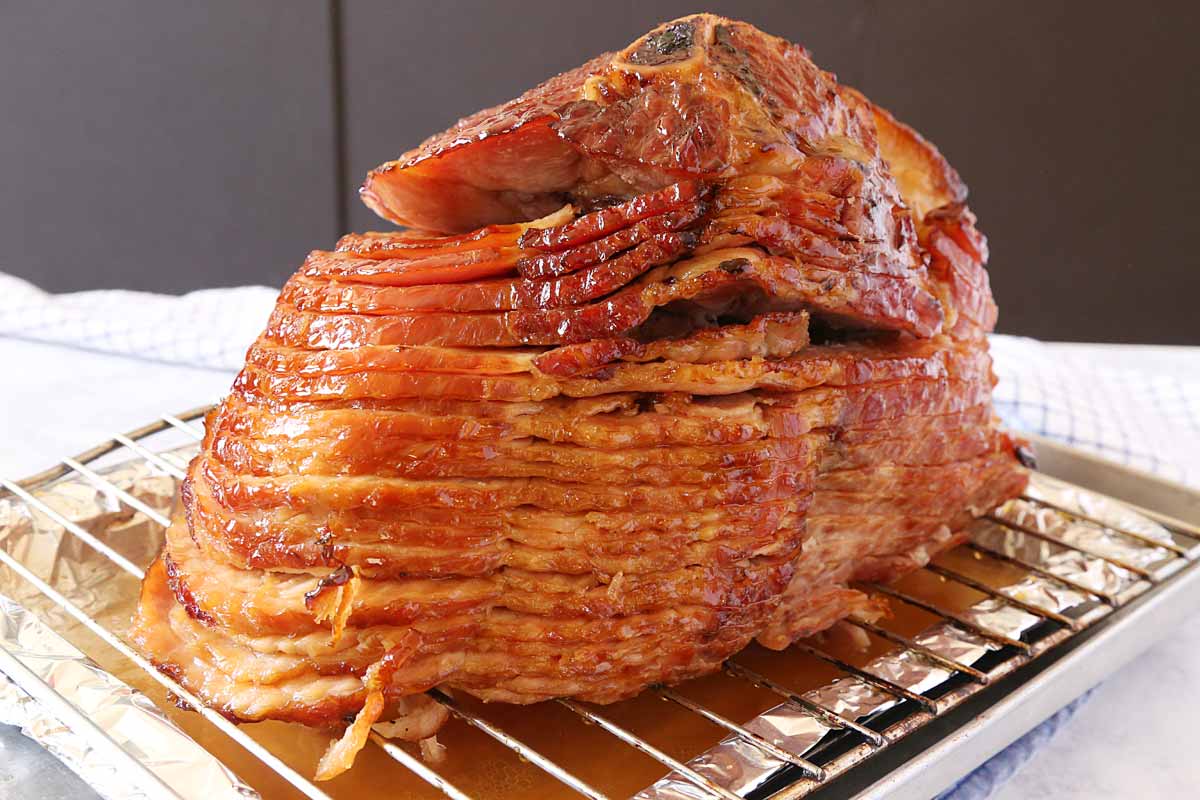
Dryness is the enemy of leftover ham. Even a well-glazed ham can turn dry if reheated without moisture. Adding a bit of liquid like broth, apple juice, or water to the pan creates steam and keeps the meat juicy.
Wrapping the ham tightly in foil is another key step to prevent moisture loss. If you skip this, your ham might end up tasting bland and tough. Have you noticed how some reheated hams lack that fresh, juicy flavor? Moisture retention is the secret to avoiding that.
Credit: www.todaysdelight.com

Credit: bakeatmidnite.com
Frequently Asked Questions
How Long To Reheat Glazed Ham In The Oven?
Reheat glazed ham at 275°F (135°C) for 10-15 minutes per pound. Cover it with foil to keep moisture. This method ensures even heating without drying the ham.
Can I Microwave Leftover Glazed Ham?
Yes, microwave glazed ham on medium power for 1-2 minutes per slice. Cover it to retain moisture. Avoid overheating to prevent dryness.
Should I Cover Ham While Reheating?
Always cover ham with foil when reheating. This traps steam, keeping the ham juicy. It prevents the glaze from burning or drying out.
Is It Safe To Reheat Glazed Ham Multiple Times?
Reheating glazed ham multiple times is not recommended. Each reheat increases bacteria risk and reduces flavor. Reheat only the portion you plan to eat.
Conclusion
Reheating glazed ham is simple with the right steps. Keep the ham moist and warm it slowly. Avoid drying it out by using foil or a cover. Check the temperature often to prevent overcooking. These tips help keep the glaze tasty and the meat juicy.
Enjoy your ham just like it was first cooked. Try these easy methods next time you reheat your ham.

I’m Abby Lu, a passionate home cook who loves simplifying everyday meals. At PlugChef.com, I share product reviews and cooking guides to help you find the best tools for your kitchen.
Related posts:
 What Type of Cooking Utensils are Safe: Expert Picks
 What Innovations Could Blenders Make: Unleashing Future Tech
 Smart Strategies to Organize a Small Kitchen: Maximize Space
 How to Organize a Kitchen Cabinet: Expert Tips & Tricks
 How to Organize Kitchen Drawers: Expert Tips and Tricks
 How to Organize a Corner Kitchen Cupboard: Expert Tips