
You’ve already done the hard part—cooked a delicious brisket that everyone loved. Now, you want to enjoy those juicy, flavorful slices again without drying them out or losing that tender texture.
Reheating cooked brisket might seem simple, but doing it the right way can make all the difference. In this post, you’ll discover easy, foolproof methods to warm up your brisket so it tastes just as amazing as when it first came off the grill.
Ready to bring your brisket back to life? Let’s dive in!

Credit: argentineasado.com
Choosing The Right Reheating Method
Choosing the right reheating method for your cooked brisket can make all the difference between a dry, tough bite and a juicy, flavorful experience. Each technique has its strengths, depending on how much time you have and the equipment available. Think about what matters most to you—speed, texture, or ease—and pick the method that fits your needs.
Oven Reheating
The oven is perfect if you want to keep your brisket moist and evenly heated. Preheat your oven to around 250°F (120°C) and wrap the brisket tightly in foil to trap steam. This slow, gentle heat helps the meat stay tender without drying out.
If you want extra moisture, add a splash of beef broth or water inside the foil before sealing it. Check the brisket after 20-30 minutes to avoid overcooking. Have you noticed how reheating in the oven preserves that rich smoky flavor?
Stovetop Approach
The stovetop method is fast and gives you control over the heat. Slice the brisket and warm it in a skillet over low heat. Add a little beef broth or water and cover the pan to keep the moisture in.
This approach works well if you want to serve the brisket immediately without waiting for the oven. Stir occasionally and watch carefully to prevent burning. Do you prefer your brisket with a bit of a crust? The stovetop can help achieve that.
Microwave Tips
The microwave is the quickest way to reheat brisket, but it requires some care to avoid toughness. Slice the brisket thinly and place it in a microwave-safe dish. Add a splash of broth and cover with a microwave-safe lid or damp paper towel.
Heat in short bursts of 30-45 seconds, checking and turning the meat between intervals. This prevents overheating and keeps the brisket juicy. Have you ever been surprised how much better brisket tastes when reheated gently in the microwave?
Slow Cooker Technique
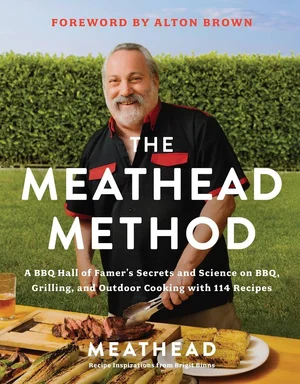
The slow cooker is a hands-off option that excels at preserving tenderness. Place the brisket in the slow cooker with a bit of beef broth or sauce. Heat on low for 2-3 hours until the brisket is warmed through.
This method is ideal when you want to prepare ahead and keep the meat warm until serving. It’s especially great for large portions. Have you tried this method to make your brisket taste like it was freshly cooked?
Credit: www.thegrillcoach.com
Preparing Brisket Before Reheating
Brisket should be wrapped tightly in foil to keep moisture inside. Let it sit at room temperature briefly before reheating. This helps even warming and prevents dryness.
Reheating brisket requires careful preparation to maintain its flavor and texture. Properly preparing the brisket before reheating ensures a moist and delicious result. Let’s explore the key steps.Trimming Excess Fat
Remove excess fat from the brisket. Too much fat can make it greasy. Trim it carefully, leaving a thin layer. This helps in retaining moisture without making it too oily.Slicing Vs Whole
Decide if you want to reheat the brisket whole or sliced. Slicing before reheating can save time. It also allows for even heating. Whole brisket keeps the juices locked in. Choose based on your preference and time.Adding Moisture
Moisture is key to reheating brisket. Add beef broth or water to the dish. This prevents drying out during reheating. Cover the brisket with foil to trap the moisture. This step ensures a juicy and tender brisket.Step-by-step Reheating Instructions
Reheating cooked brisket without drying it out or losing its rich flavor can be tricky. But with the right approach, you can enjoy leftovers that taste just as good as when freshly cooked. Here’s a clear guide to reheating your brisket using different kitchen tools to get the best results every time.
Oven Method Steps
The oven is a reliable way to warm your brisket evenly while keeping it juicy. Preheat your oven to 325°F (160°C). Wrap the brisket tightly in aluminum foil to trap moisture.
- Place the wrapped brisket on a baking sheet.
- Heat for about 20-30 minutes, depending on thickness.
- Check the internal temperature; aim for 140°F (60°C) to ensure it’s warmed through without overcooking.
- Let it rest for a few minutes before unwrapping to allow juices to redistribute.
This method works great if you want to keep your brisket tender and avoid reheating it too quickly.
Stovetop Method Steps
The stovetop method is perfect when you want to reheat brisket quickly and keep it moist. Slice the brisket into even pieces to heat more evenly.
- Heat a skillet over medium heat and add a splash of beef broth or water.
- Add the brisket slices and cover the skillet with a lid.
- Cook for 5-10 minutes, turning occasionally, until heated through.
- Keep a close eye to prevent drying out; add more liquid if needed.
This method gives you control over the heat and helps maintain the brisket’s juiciness.
Microwave Method Steps
Microwaving brisket is the fastest option but requires care to avoid toughness. Cut brisket into smaller pieces to ensure even heating.
- Place the slices in a microwave-safe dish.
- Add a little beef broth or water to keep moisture.
- Cover with a microwave-safe lid or plastic wrap, leaving a small vent.
- Heat on medium power in 1-minute intervals, stirring or flipping pieces between intervals.
- Stop when brisket is warm but not hot to prevent drying out.
Would you sacrifice a little speed for better texture? This method challenges you to find the right balance.
Slow Cooker Method Steps
The slow cooker is ideal if you want to reheat brisket gently and infuse it with extra flavor. Place the brisket in the slow cooker and add beef broth or sauce.
- Set the slow cooker to low heat.
- Cover and heat for 2-3 hours, checking occasionally.
- Once heated through, shred or slice as desired.
- This method keeps the meat tender and moist, perfect for a hands-off approach.
Have you tried letting leftovers simmer slowly? It can transform your brisket into a next-day feast.
Avoiding Common Mistakes
Reheating cooked brisket might seem simple, but many stumble over common mistakes that spoil its flavor and texture. Avoiding these pitfalls can turn your leftover brisket into a delicious meal that tastes like it was just cooked. Let’s look at what to watch out for so your brisket stays juicy, tender, and evenly heated every time.
Overcooking Risks
Brisket is already cooked, so reheating it too long can turn it tough and chewy. Have you ever bitten into reheated brisket that felt like rubber? That’s overcooking in action.
To avoid this, use low heat and check frequently. Slow warming methods like oven heating at 250°F or using a slow cooker help keep the meat tender. Keep in mind that brisket only needs to reach an internal temperature of 140°F to be safe and enjoyable.
Dryness Prevention
Dryness ruins brisket faster than anything else. Brisket has a good fat content, but reheating without moisture steals that juiciness away.
Add a splash of broth, beef stock, or even water before reheating to keep it moist. Wrapping the brisket tightly in foil traps steam and maintains moisture. Have you tried placing a small pan of water next to the brisket in the oven? It adds humidity that makes a big difference.
Uneven Heating Issues
Uneven heating is a common problem that leads to cold spots or overheated edges. This happens because brisket is dense and thick, so heat doesn’t penetrate evenly.
Slice the brisket into thinner pieces before reheating to promote uniform warmth. If reheating whole, rotate the brisket occasionally and use a thermometer to check different spots. Microwaves can cause uneven heating, so if you use one, cover the brisket and heat in short bursts, stirring or turning between sessions.
Storing Leftover Brisket
Storing leftover brisket properly is key to keeping its flavor and tenderness intact for your next meal. How you cool, package, and freeze your brisket can make a big difference in how enjoyable it tastes later. Let’s dig into some practical tips to help you store your brisket like a pro.
Proper Cooling
After cooking, brisket should cool down quickly to prevent bacteria growth. Spread the meat out on a shallow tray or plate to let the heat escape faster. Avoid leaving it out at room temperature for more than two hours.
Have you noticed your brisket drying out after reheating? That often happens when it wasn’t cooled properly before storage. Cooling brisket evenly helps keep moisture locked in.
Storage Containers
Choosing the right container is crucial for maintaining brisket’s freshness. Use airtight containers or heavy-duty resealable bags to prevent air from sneaking in. Vacuum-sealing is even better if you want to maximize shelf life.
Glass containers are great because they don’t absorb odors and are easy to clean. Make sure to leave some space if you’re storing the brisket with its juices—this helps retain flavor and juiciness.
Freezing Tips
Freezing brisket can extend its life for months, but it needs some care. Wrap the brisket tightly in plastic wrap before placing it in a freezer bag to avoid freezer burn. Label your packages with the date so you can keep track.
If you’re freezing brisket slices, separate layers with parchment paper to make it easier to thaw just what you need. Quick question: have you ever ended up tossing frozen meat because of freezer burn? Proper wrapping helps you avoid that waste.
Serving Suggestions For Reheated Brisket
Serving reheated brisket offers a great chance to refresh its flavors and textures. How you pair it, the sauces you add, and the way you present it can turn leftovers into a meal that feels just as special as the first time. Think about your audience and the occasion to decide which serving style fits best.
Pairing With Sides
Choosing the right sides can highlight the richness of brisket. Crisp coleslaw or a fresh garden salad adds a nice contrast to the meat’s deep flavors.
Consider classic options like baked beans or creamy mashed potatoes for comfort and familiarity. For a lighter touch, steamed vegetables or roasted Brussels sprouts work wonderfully.
Are you aiming for a hearty meal or something balanced? Your side choices can guide that experience.
Sauce Enhancements
Adding sauce can bring reheated brisket back to life. A tangy barbecue sauce offers a smoky kick that complements the beef’s natural taste.
Try mixing a little horseradish with sour cream for a sharp, creamy topping. This can cut through the richness and add a fresh zing.
Don’t hesitate to experiment with different sauces—sometimes a sweet and spicy glaze can surprise your palate in the best way.
Presentation Ideas
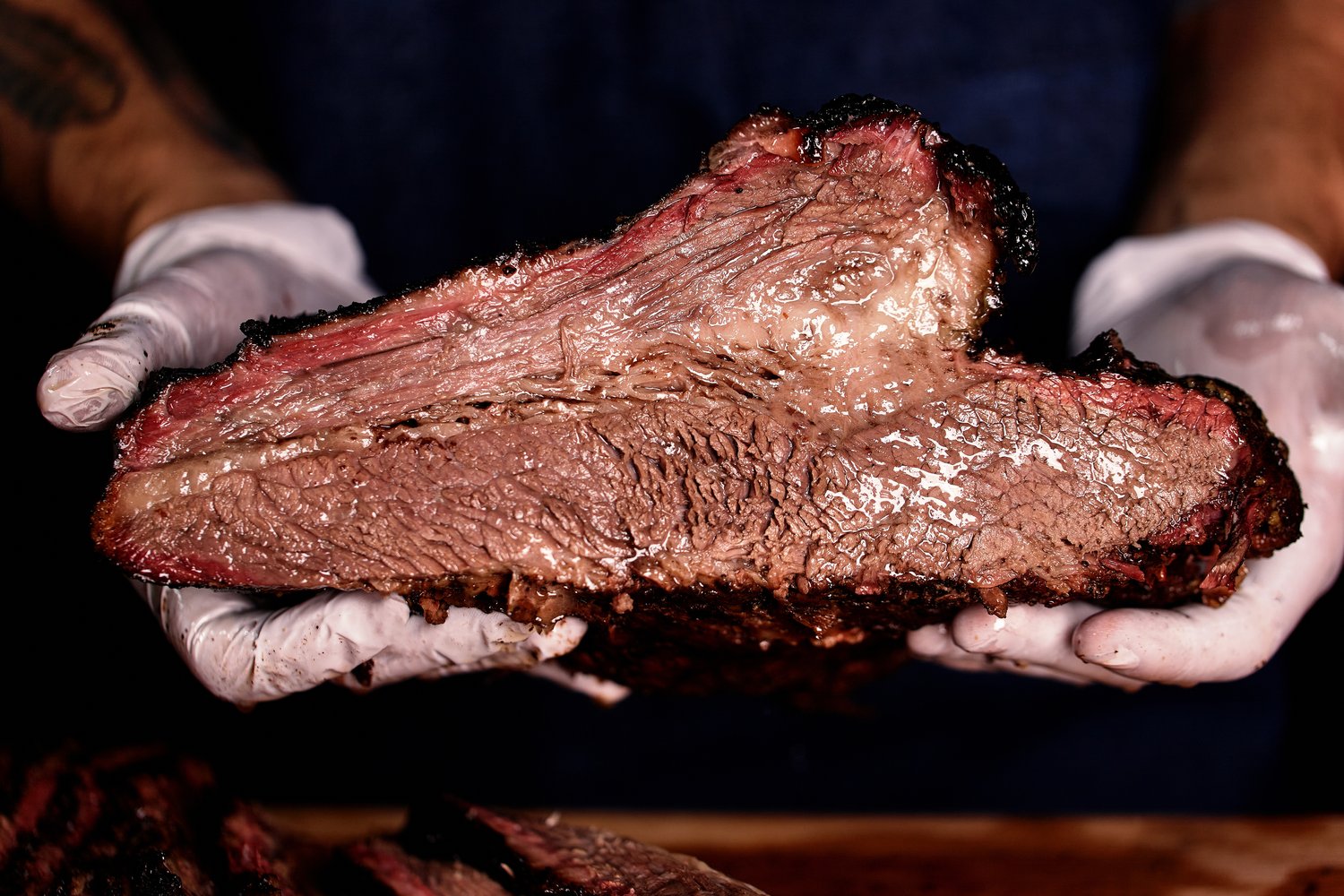
How you plate reheated brisket can elevate the meal. Slice the brisket thin and fan it out on a warm plate to showcase its tender texture.
Garnish with fresh herbs like parsley or thyme for a pop of color and aroma. Using rustic wooden boards or cast iron skillets can add a cozy, inviting feel.
Think about what makes you excited to eat. A beautiful presentation can make even simple brisket feel like a celebration.
Credit: www.thegrillcoach.com
Frequently Asked Questions
How Do You Reheat Cooked Brisket Without Drying It Out?
To keep brisket moist, reheat it slowly at low heat. Use a foil wrap and add a splash of beef broth. This method preserves juiciness and tenderness, preventing dryness during reheating.
What Is The Best Oven Temperature To Reheat Brisket?
Reheat brisket at 250°F (120°C) for best results. This low temperature warms the meat evenly without overcooking. Wrap in foil and check after 20-30 minutes to maintain moisture.
Can I Reheat Brisket In A Microwave Safely?
Yes, but use medium power to avoid toughness. Cover brisket with a damp paper towel to retain moisture. Reheat in short intervals, stirring or flipping for even heating.
How Long Does It Take To Reheat Brisket In The Oven?
It usually takes 20-30 minutes at 250°F (120°C). Time varies by brisket size and thickness. Check periodically to avoid overcooking and dryness.
Conclusion
Reheating cooked brisket does not need to be hard. Use gentle heat to keep it juicy and tender. Avoid drying it out by adding moisture. Choose the right method based on your time and tools. Warm it slowly for the best taste and texture.
Enjoy your brisket just like it was freshly cooked. Simple steps bring back great flavors every time. Now, you can enjoy leftover brisket without losing quality.

Hi, I’m Daniel Brooks—a food lover and kitchen gear enthusiast. I enjoy testing cookware, utensils, and gadgets to see what really works in everyday cooking. At PlugChef.com, I share honest reviews, comparisons, and simple guides to help you choose the best tools for a safer, smarter, and more enjoyable kitchen.
Related posts:
 What Type of Cooking Utensils are Safe: Expert Picks
 What Innovations Could Blenders Make: Unleashing Future Tech
 Smart Strategies to Organize a Small Kitchen: Maximize Space
 How to Organize a Kitchen Cabinet: Expert Tips & Tricks
 How to Organize Kitchen Drawers: Expert Tips and Tricks
 How to Organize a Corner Kitchen Cupboard: Expert Tips