

Reheating a brisket might seem simple, but doing it wrong can leave your meat dry and tough. You don’t want to waste your delicious brisket or settle for a meal that’s less than perfect.
What if you could bring back that juicy, tender flavor every time? In this guide, you’ll discover easy, foolproof methods to reheat your brisket so it tastes just like it did fresh off the smoker. Keep reading, and you’ll never have to worry about reheating brisket the wrong way again.
Choosing The Right Reheating Method
Choosing the right reheating method for your brisket can make all the difference between a dry, tough meal and a juicy, flavorful one. Each reheating approach affects the texture and moisture retention differently. Understanding these options helps you enjoy your brisket almost as much as when it was freshly cooked.
Oven Reheating Basics
Using the oven is a reliable way to warm brisket evenly while preserving its tenderness. Preheat your oven to around 250°F (120°C) and wrap the brisket tightly in foil to lock in moisture. This slow, gentle heat revives the meat without drying it out.
Adding a splash of beef broth or water inside the foil before sealing can keep the brisket juicy. Place the wrapped brisket on a baking sheet and heat for about 20-30 minutes, depending on the thickness. Have you tried this method before? It’s a favorite for maintaining that just-cooked flavor.
Using A Slow Cooker
A slow cooker is perfect if you want to reheat brisket without any fuss. Place the sliced or whole brisket inside, add some broth or barbecue sauce, and set it on low. The slow cooker gently warms the meat and infuses it with extra flavor over a couple of hours.
This method is especially handy if you’re busy with other tasks and want to avoid checking the brisket constantly. Just be careful not to overcook it, as slow cookers can sometimes make meat mushy if left too long. Would you consider this hands-off approach for your next brisket meal?
Microwave Tips And Tricks
The microwave is the quickest option, but it requires attention to avoid uneven heating and dryness. Slice the brisket thinly and arrange it in a microwave-safe dish with a little water or sauce. Cover the dish with a microwave-safe lid or damp paper towel to trap steam.
Heat in short bursts of 30-45 seconds, checking and stirring in between to distribute heat evenly. This prevents hot spots and keeps the meat moist. Do you usually rush to the microwave? With these tips, you can improve your reheated brisket’s texture dramatically.
Grill Reheating Approach
Reheating brisket on the grill brings back some of its original smoky flavor and crispiness. Heat your grill to medium-low and wrap the brisket in foil with a little liquid for moisture. Place it on indirect heat, turning occasionally for even warmth.
This method is great if you want to add a fresh char without overcooking. Keep an eye on it to avoid drying out the edges. Have you tried using the grill to reheat meat? It’s a game changer for brisket lovers who crave that smoky bite.

Credit: www.reddit.com
Preparing Brisket For Reheating
Preparing brisket for reheating is key to keeping it juicy and flavorful. Proper prep helps avoid dryness and tough texture. It sets the stage for a delicious meal, even after storage.
Small steps before reheating make a big difference in taste and texture. Follow these simple tips to get the best results from your leftover brisket.
Trimming Excess Fat
Remove large chunks of fat before reheating. Too much fat can cause flare-ups or uneven cooking. Leave a thin layer to keep the meat moist. This balance improves flavor and texture during reheating.
Slicing Vs. Whole Piece
Decide if you want to reheat sliced brisket or the whole piece. Sliced brisket heats faster and more evenly. The whole brisket takes longer but stays juicier. Choose based on your time and serving needs.
Adding Moisture Before Heating
Moisture prevents brisket from drying out. Use broth, water, or barbecue sauce to add moisture. Lightly sprinkle or brush it on the meat. Cover the brisket with foil to trap steam during reheating.
Step-by-step Oven Reheating
Heat the oven to a low temperature, around 250°F (120°C). Wrap the brisket in foil to keep it moist, then warm it slowly for about 20-30 minutes. Check occasionally to prevent drying out and enjoy tender, juicy meat.
Reheating brisket in the oven is a reliable method. It keeps the meat juicy and tender. Follow these steps for the best results.Setting The Temperature
Preheat your oven to 325°F (165°C). This temperature is gentle on the meat. It helps preserve the brisket’s moisture. A lower temperature can dry it out.Wrapping Techniques
Use heavy-duty aluminum foil. Wrap the brisket tightly. This traps the juices and flavors. You can also add a little broth. It enhances the taste and keeps the meat moist.Timing For Perfect Results
Place the wrapped brisket in the oven. Heat for about 20 minutes per pound. Check with a meat thermometer. Aim for an internal temperature of 165°F (74°C). This ensures the brisket is heated through.Slow Cooker Method Details
Reheating brisket in a slow cooker keeps it tender and moist. This method warms the meat gently, preventing dryness. It is perfect for preserving the rich flavors of your brisket. Slow cooking also allows the brisket to absorb added moisture, making each bite juicy.
Ideal Settings
Set the slow cooker to low heat. This temperature heats the brisket slowly and evenly. High heat can dry out the meat quickly. Aim for a cooking time of 3 to 4 hours. Check the brisket after 3 hours to avoid overcooking.
Adding Liquid For Juiciness
Add a small amount of liquid before reheating. Use broth, beef stock, or even water. Pour about ½ cup of liquid into the cooker. This helps keep the brisket moist during warming. Avoid pouring too much liquid to prevent sogginess.
Monitoring The Process
Check the brisket’s temperature occasionally. Use a meat thermometer if possible. The ideal internal temperature is around 140°F (60°C). Stir the liquid gently to spread flavors. Remove the brisket once it reaches the right warmth. Do not leave it too long to keep texture intact.
Microwave Reheating Tips
Microwaving brisket might seem like a quick fix, but it demands a bit of care to keep the meat juicy and flavorful. Without the right approach, you risk ending up with dry, unevenly heated slices. These tips will help you use your microwave effectively while preserving the brisket’s texture and taste.
Using Microwave-safe Containers
Always choose containers labeled microwave-safe to avoid harmful chemicals leaching into your food. Glass or ceramic dishes work best because they heat evenly and don’t trap moisture. Avoid plastic containers unless they specifically say they’re microwave-safe, as some plastics can warp or release toxins.
Cover the brisket loosely with a microwave-safe lid or microwave-safe plastic wrap. This traps steam and prevents the meat from drying out. Remember to leave a small vent for steam to escape, so the brisket doesn’t become soggy.
Avoiding Dryness
Dry brisket is a common problem when reheating in the microwave. To keep it moist, add a splash of beef broth, water, or even a bit of barbecue sauce before heating. This extra moisture helps the meat stay tender and flavorful.
Arrange slices in a single layer and avoid stacking them. Overlapping pieces heat unevenly and can dry out. You might want to pause halfway through reheating to sprinkle more liquid if the brisket looks dry.
Checking Temperature Evenly
Microwaves often heat unevenly, so check the brisket’s temperature in several spots. Use a food thermometer if you can—aim for an internal temperature of about 165°F (74°C) for safe reheating. If you don’t have a thermometer, cut into the thickest part and feel for warmth.
Stir or rotate the brisket halfway through heating to distribute heat more evenly. Avoid overheating, which can toughen the meat quickly. Instead, heat in short bursts of 30 to 45 seconds, checking the temperature each time.

Credit: argentineasado.com
Grill Reheating Strategies
Grilling brisket to reheat offers a smoky flavor and tender texture. Using the grill preserves the meat’s juiciness and adds a slight char. It requires gentle heat and patience to avoid drying out the brisket. The right setup and careful monitoring make the process smooth and successful.
Indirect Heat Setup
Set up the grill for indirect heat by turning on one side only. Place the brisket on the cooler side, away from direct flames. This avoids burning the meat while warming it evenly. Use a drip pan under the brisket to catch juices and prevent flare-ups. Keep the grill lid closed to hold heat and smoke inside.
Maintaining Moisture
Brisket can dry out quickly without moisture. Wrap the brisket in foil or butcher paper to trap steam. Add a splash of beef broth or water inside the wrap for extra moisture. Spray the brisket occasionally with apple juice or broth to keep it juicy. These steps help maintain tenderness and flavor during reheating.
Timing And Monitoring
Heat the brisket slowly at about 225°F (107°C). Use a meat thermometer to check internal temperature. Aim for 140°F to 150°F (60°C to 65°C) for warm, tender meat. Avoid overheating, which dries out the brisket. Allow time for the meat to rest after reheating. This lets juices redistribute for better taste.
Common Mistakes To Avoid
Reheating brisket can be tricky, and avoiding common mistakes makes all the difference. Many people end up with dry, tough meat or lose the rich flavors they worked hard to create. Recognizing these pitfalls helps you keep your brisket juicy and delicious, even after reheating.
Overheating The Brisket
Heating brisket too much is a common error that can ruin its texture. When you overheat, the meat becomes dry and chewy, losing its tender quality.
Try reheating slowly at a low temperature. Using a thermometer can help you avoid this mistake by ensuring you don’t go beyond 165°F (74°C), which is enough to warm the meat without drying it out.
Skipping Resting Time
Resting isn’t just for freshly cooked brisket. After reheating, letting the meat sit for a few minutes allows the juices to redistribute.
If you cut into the brisket immediately, those flavorful juices spill out, leaving the meat dry.
Give your brisket at least 5 minutes to rest after reheating. It’s a simple step that makes a noticeable difference in moisture and taste.
Ignoring Moisture Needs
Brisket is naturally lean in some parts, so moisture is essential to keep it from drying out during reheating.
Many skip adding any liquid or covering the meat, which causes it to lose moisture quickly.
Try adding a splash of beef broth or water and wrapping the brisket tightly in foil. This traps steam and keeps the meat juicy. Have you ever noticed how a little moisture can bring your brisket back to life?
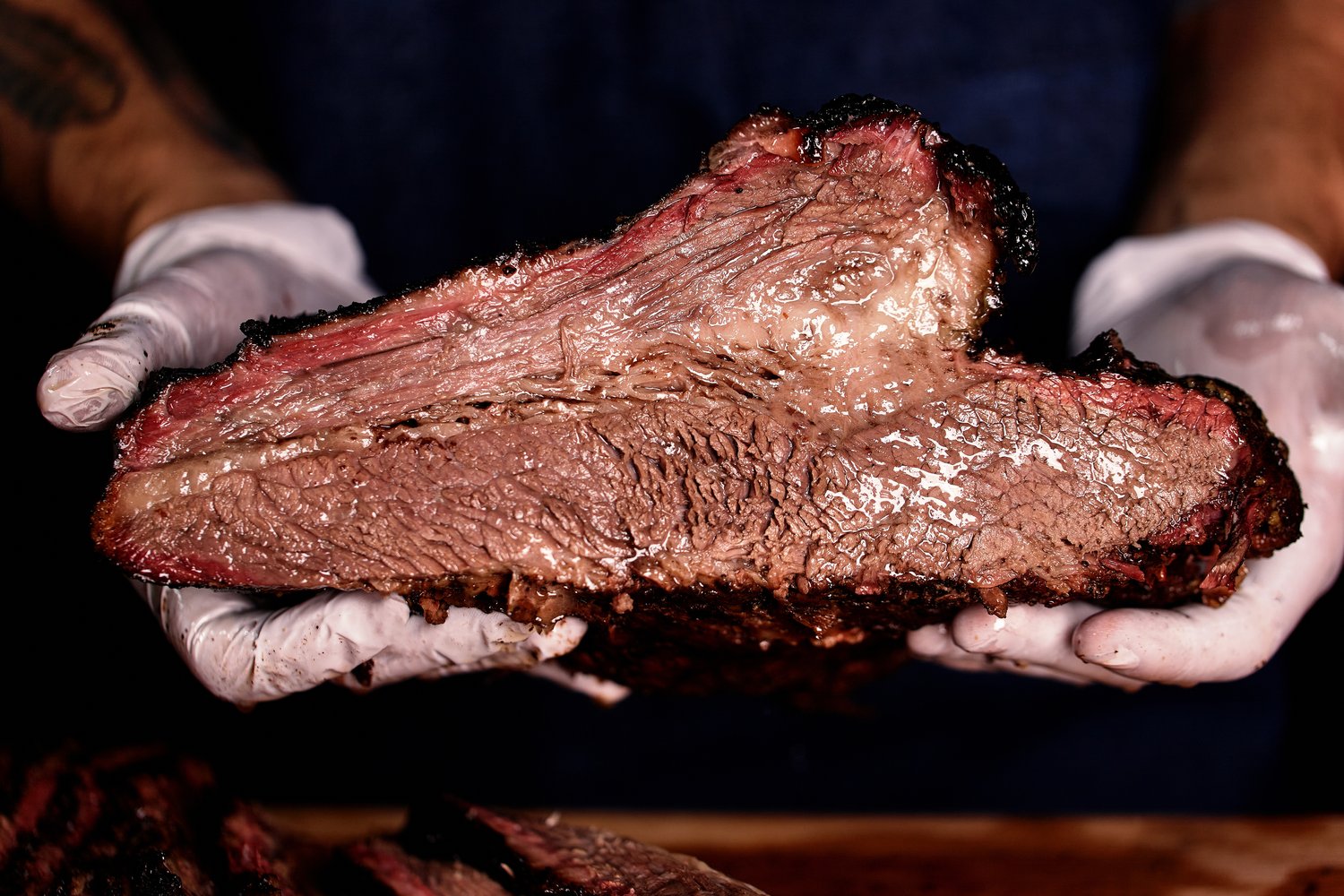
Credit: www.thegrillcoach.com
Tips For Serving Reheated Brisket
Serving reheated brisket can be just as enjoyable as fresh. Proper tips help keep the meat tender and flavorful. Small steps make a big difference in taste and texture. Follow these simple guidelines for a perfect serving experience.
Resting Before Slicing
Let the brisket rest for 10 to 15 minutes after reheating. This helps the juices redistribute inside the meat. Slice the brisket thin against the grain. Thin slices stay tender and easy to chew. Avoid cutting too early or the juices will run out.
Best Side Dishes
Choose sides that complement the rich flavor of brisket. Consider classic options like:
- Mashed potatoes or roasted potatoes
- Coleslaw for a fresh crunch
- Baked beans with a smoky taste
- Grilled vegetables for color and nutrition
- Cornbread for a soft, sweet contrast
These sides balance the hearty meat and add variety to the plate.
Reheating Leftovers Safely
Heat brisket to an internal temperature of 165°F (74°C) to kill bacteria. Use a food thermometer to check. Reheat slowly to avoid drying out the meat. Use methods like oven, slow cooker, or microwave with a cover. Store leftovers in the fridge within two hours after cooking. Consume reheated brisket within 3 to 4 days for safety.
Frequently Asked Questions
How Do You Reheat Brisket Without Drying It Out?
To avoid dryness, reheat brisket slowly at low heat. Wrap it in foil and add a bit of broth or water. Use an oven set to 250°F (120°C) and heat for 20-30 minutes until warm.
Can I Reheat Brisket In A Microwave Safely?
Yes, but use low power to prevent toughness. Cover the brisket with a damp paper towel. Heat in short intervals, checking frequently to avoid overheating and drying out.
What’s The Best Temperature To Reheat Brisket?
Reheat brisket at around 250°F (120°C) in the oven. This low temperature keeps the meat tender and juicy. Avoid high heat to prevent drying or overcooking.
How Long Does It Take To Reheat Brisket In The Oven?
Typically, reheating brisket takes 20-30 minutes at 250°F (120°C). Time depends on brisket thickness and quantity. Check periodically to ensure even warming without drying.
Conclusion
Reheating brisket can be simple and quick. Keep the meat moist and warm it slowly. Avoid drying it out by using low heat. Try the oven, stove, or microwave with care. Rest the meat a little before serving. Enjoy your juicy, tender brisket every time.
Practice makes perfect with these easy steps. Save leftovers safely and enjoy them soon. Ready to enjoy your brisket again? Just follow these tips and enjoy!

Hi, I’m Daniel Brooks—a food lover and kitchen gear enthusiast. I enjoy testing cookware, utensils, and gadgets to see what really works in everyday cooking. At PlugChef.com, I share honest reviews, comparisons, and simple guides to help you choose the best tools for a safer, smarter, and more enjoyable kitchen.
Related posts:
 What Type of Cooking Utensils are Safe: Expert Picks
 What Innovations Could Blenders Make: Unleashing Future Tech
 Smart Strategies to Organize a Small Kitchen: Maximize Space
 How to Organize a Kitchen Cabinet: Expert Tips & Tricks
 How to Organize Kitchen Drawers: Expert Tips and Tricks
 How to Organize a Corner Kitchen Cupboard: Expert Tips

