
Imagine opening your fridge to find fresh produce that’s still vibrant, leftovers that are ready for a second round, and pantry items neatly organized without a hint of expiration. Sounds idyllic, right?
Yet, the reality for many is quite different. You might often find yourself tossing wilted vegetables or expired goods, wondering how it happened again. Don’t worry, you’re not alone. Food waste is a common challenge, but it’s one you can tackle with ease.
Understanding how to reduce food waste in your kitchen not only saves money but also contributes to a healthier planet. This guide will show you simple, actionable steps to make the most of what you buy and use every morsel efficiently. Curious? Let’s dive into ways to transform your kitchen habits for the better.
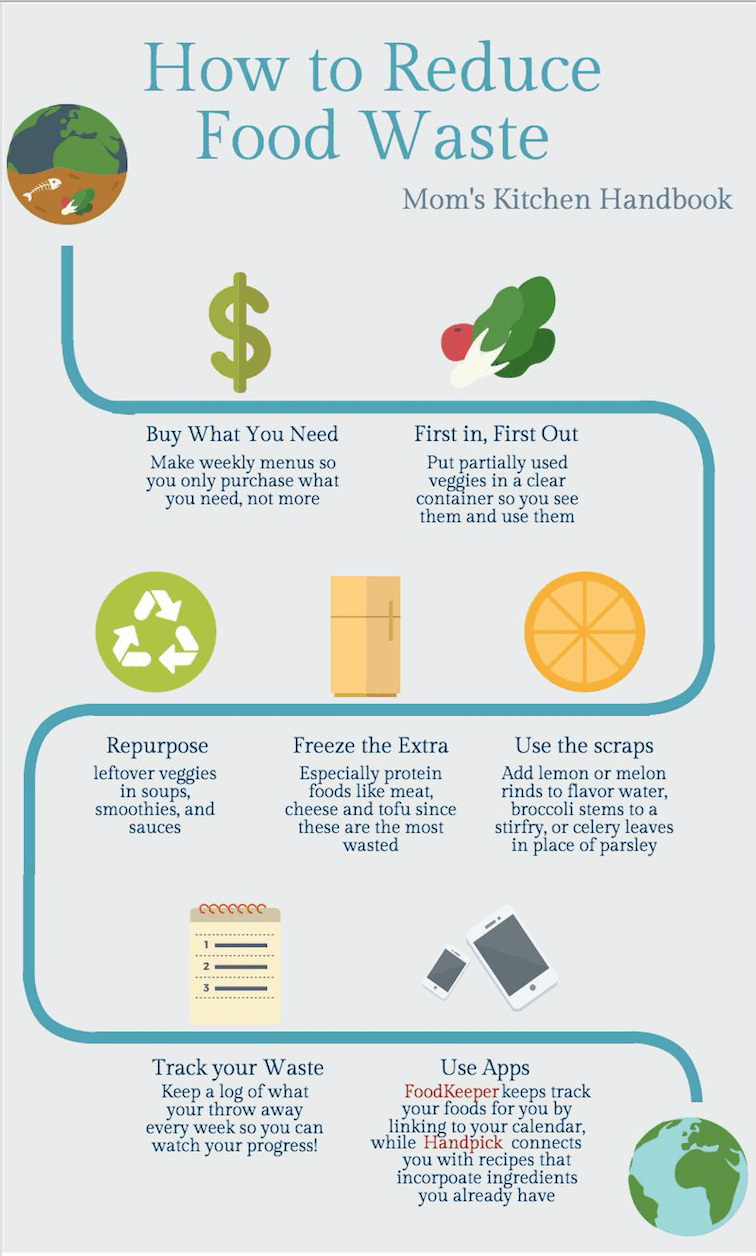
Credit: www.momskitchenhandbook.com
Smart Shopping Strategies
Reducing food waste starts with smart shopping strategies. Making thoughtful decisions at the grocery store helps cut down on waste. It also saves money and contributes to a healthier planet. Let’s explore some practical tips that make a big difference.
Plan Meals Ahead
Meal planning is essential. It helps you buy only what you need. Decide on the meals for the week. Check your pantry and fridge first. This ensures you use items you already have. It also prevents buying duplicates. Planning meals helps reduce food waste significantly.
Create A Shopping List
A shopping list keeps you focused. Write down everything you need based on your meal plan. Stick to the list while shopping. It helps avoid unnecessary purchases. A list saves time and reduces impulse buys. It ensures you leave the store with only needed items.
Avoid Impulse Buys
Impulse buys lead to cluttered kitchens. They often result in wasted food. Stay focused while shopping. Ignore flashy deals or discounts. They might tempt you, but often aren’t necessary. If it’s not on your list, think twice before buying it. This helps keep food waste to a minimum.
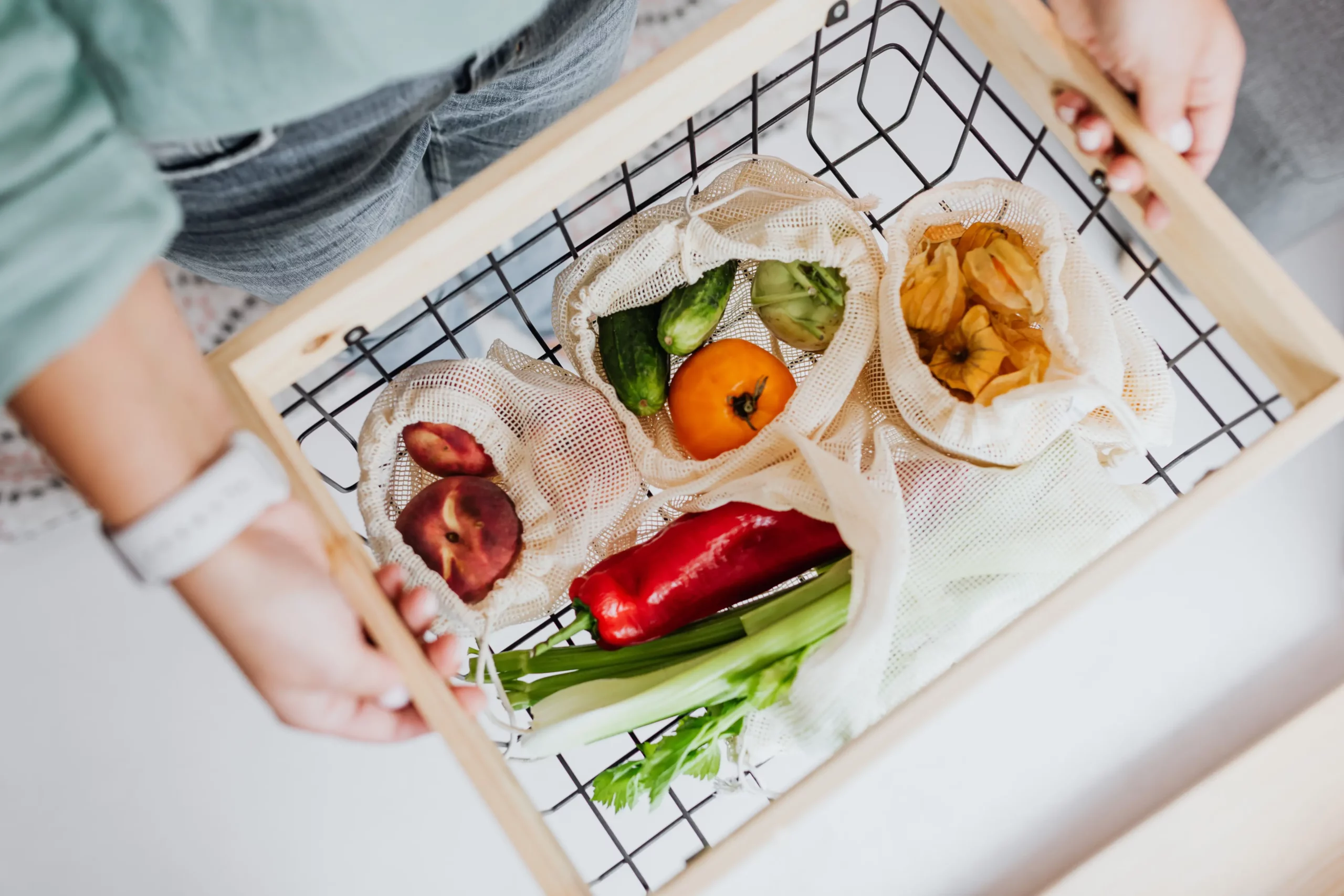
Credit: www.nutritics.com
Proper Food Storage
Reducing food waste starts with how you store your food. Proper storage keeps food fresh longer. It helps save money and reduces waste. Simple changes can make a big difference.
Use Airtight Containers
Airtight containers seal in freshness. They prevent air and moisture from spoiling food. Glass or plastic containers work well. They keep food safe and tasty. Invest in quality containers for lasting results.
Organize Your Refrigerator
A well-organized refrigerator helps you find food quickly. Place items based on their shelf life. Store perishables in front. Keep fruits and veggies in designated drawers. This reduces spoilage and waste.
Label And Date Stored Items
Labels help track food freshness. Write the date you stored the item. Use sticky notes or tape for labeling. Check labels regularly. This reminds you to use food before it spoils.
Efficient Cooking Techniques
Smart cooking helps cut down on food waste. Plan meals carefully and store leftovers properly. Use all parts of vegetables and fruits to minimize scraps.
Reducing food waste in the kitchen is not only good for the planet but also for your wallet. Efficient cooking techniques can transform the way you prepare meals, ensuring nothing goes to waste. You can make a real difference by cooking smartly and using every ingredient creatively. Let’s dive into some practical methods that can help you become a master of minimizing waste.Cook In Batches
Batch cooking is a game-changer. It saves you time and helps reduce waste by using all ingredients efficiently. Prepare larger quantities of food at once and store them in the fridge or freezer. This way, you can enjoy home-cooked meals throughout the week without the hassle of daily cooking. Plus, it helps in using up vegetables and perishables before they spoil. Think about how much time you spend cooking each day. Wouldn’t it be nice to have meals ready to go? Batch cooking makes it possible.Utilize Leftovers Creatively
Leftovers don’t have to be boring. They can be the start of a delicious new dish. Turn leftover pasta into a hearty salad or transform yesterday’s roast into a savory sandwich. You can even use leftover vegetables in a frittata or soup. The possibilities are endless, and it keeps meals exciting. Remember that time you threw away leftover rice? Imagine it turned into a tasty fried rice dish instead. It’s all about seeing the potential in what you already have.Portion Control
Portion control is essential for reducing food waste. Serve smaller amounts to avoid uneaten food going in the trash. You can always go back for seconds if you’re still hungry. Consider how often your eyes are bigger than your stomach. Serve only what you can eat. This not only helps in cutting waste but also promotes healthier eating habits. Next time you’re plating dinner, ask yourself: “Is this more than I need?” Adjusting portions can lead to less waste and more satisfaction.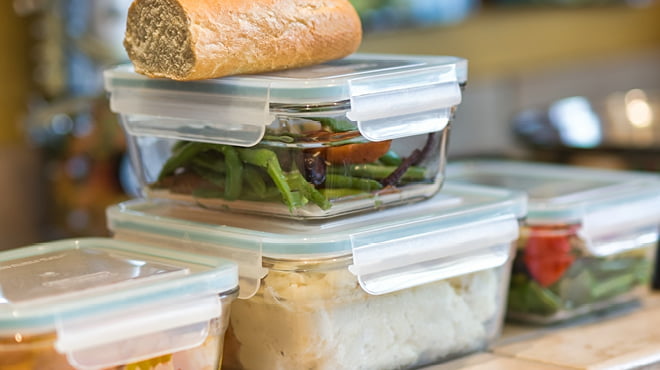
Credit: www.mayoclinichealthsystem.org
Composting And Recycling
Reducing food waste in the kitchen is crucial for a sustainable future. Composting and recycling play significant roles in minimizing waste. These practices not only help the environment but also enrich your garden. Learn how to set up a compost bin, recycle packaging, and understand compostable materials. This guide will help you start your journey to a waste-free kitchen.
Setup A Compost Bin
Setting up a compost bin is easy and rewarding. Choose a spot in your backyard that’s accessible. Get a bin with enough space for your kitchen scraps. You can buy or make one from wood or plastic. Ensure it has a lid to keep pests away. Start by adding layers of food waste and garden debris. Keep the contents moist but not too wet. Turn the pile regularly to speed up decomposition.
Recycle Packaging
Many kitchen items come in recyclable packaging. Identify materials like paper, plastic, and glass. Separate these from your regular trash. Rinse containers to remove food residue. Check local recycling rules to know what’s accepted. Reduce waste by choosing products with minimal packaging. This step helps keep landfills free from excess waste.
Understand Compostable Materials
Not all waste is compostable. Understand what can go in your compost bin. Fruit and vegetable scraps decompose well. Coffee grounds and eggshells are also great. Avoid meat, dairy, and oils as they attract pests. Check labels for compostable signs on packaging. Knowing the right materials ensures a healthy compost pile. This knowledge helps you reduce kitchen waste effectively.
Community Involvement
Explore practical steps to cut food waste at home by planning meals wisely and storing leftovers correctly. Encourage neighbors to share excess produce, creating a community effort in reducing waste. Implementing these strategies can significantly decrease waste while promoting a sustainable lifestyle.
Community involvement plays a crucial role in reducing food waste. By working together, we can make a significant impact. Engaging with the community brings awareness and solutions to the forefront. It encourages collective action and helps spread useful ideas. Let’s explore how you can get involved in your community to reduce food waste.Donate Excess Food
Donating excess food is a simple way to help. Many organizations accept food donations. They distribute them to families in need. Check local charities and food banks. They often have drop-off locations. Donating helps those less fortunate and reduces waste. Ensure donated food is safe and edible. Check expiry dates before donating. Your extra food can make a difference.Participate In Local Programs
Local programs offer opportunities to reduce waste. Many communities have initiatives against food waste. Participate in food sharing or composting programs. These programs promote sustainable practices. They educate people about reducing waste. Joining local efforts builds community spirit. It creates a collective approach to sustainability. Keep an eye out for events or workshops. They often provide valuable insights.Share Tips With Friends
Sharing tips with friends spreads awareness. Discuss strategies to minimize food waste. Share recipes that use leftovers creatively. Swap ideas on storing food efficiently. Encourage friends to join local programs. Sharing knowledge helps build a mindful community. It promotes responsible consumption. Start conversations about food waste solutions. Together, you can inspire change.Educational Resources
Discover practical ways to cut food waste in your kitchen with easy tips and tricks. Learn to plan meals, store food properly, and repurpose leftovers creatively. Make a positive impact on the environment by reducing waste at home.
Reducing food waste in the kitchen is not just about saving money; it’s a step towards a more sustainable lifestyle. One of the most effective ways to do this is by educating yourself. There are numerous resources available that can guide you in making more informed decisions. From online courses to books, and even hands-on workshops, these educational tools can empower you to minimize waste and make the most of every meal.Online Courses
Online courses offer a flexible way to learn about reducing food waste. Websites like Coursera and Udemy provide courses designed by experts in sustainability and food management. They cover topics ranging from meal planning to proper food storage. Consider signing up for a course that fits your schedule. Many are self-paced, allowing you to learn at your own speed. Imagine the impact of applying these skills in your daily life.Books And Guides
Books and guides are excellent resources for in-depth knowledge. Titles like “Waste-Free Kitchen Handbook” by Dana Gunders provide practical tips on reducing waste. They often include recipes and storage techniques that can transform how you handle food. Visit your local library or bookstore to find a guide that resonates with you. Highlight sections, take notes, and turn these insights into action in your kitchen. What new habits could you start today?Workshops And Seminars
Workshops and seminars offer a hands-on approach to learning. These events, often hosted by community centers or environmental groups, provide real-life demonstrations and tips on reducing food waste. Participating in a workshop can be both educational and fun. You get to interact with like-minded individuals and learn from experts. Have you considered attending a local seminar to see waste reduction techniques in action? By leveraging these educational resources, you can make a significant impact on your food waste footprint. Whether you prefer online learning, reading, or hands-on experiences, there is a resource that suits your style. What step will you take to start reducing food waste in your kitchen today?Frequently Asked Questions
How To Reduce Food Waste In Your Kitchen?
Plan meals and make a shopping list to avoid overbuying. Store food properly to extend freshness. Use leftovers creatively in new dishes. Compost scraps to recycle nutrients. Regularly check pantry and fridge to consume items before they expire.
What Are 10 Ways To Reduce Food Waste?
1. Plan meals wisely. 2. Store food properly. 3. Use leftovers creatively. 4. Compost kitchen scraps. 5. Freeze excess food. 6. Buy less, more often. 7. Track expiration dates. 8. Donate surplus food. 9. Eat smaller portions. 10. Preserve seasonal produce.
How To Reduce Food Waste In The Household?
Plan meals to avoid overbuying. Store food properly to extend freshness. Use leftovers creatively. Compost scraps for gardening. Regularly check expiry dates and prioritize older items.
What Is The Best Way To Dispose Of Kitchen Waste?
Compost kitchen waste to enrich your garden soil. Use a compost bin or pile to decompose food scraps. Separate recyclables like glass and plastic. Dispose of non-compostable waste in designated trash bins. Consider a food waste disposer for efficient disposal.
This reduces landfill impact and promotes sustainability.
Conclusion
Reducing food waste starts with small changes in the kitchen. Plan meals carefully. Use leftovers creatively. Store food properly to keep it fresh. Compost scraps to nourish your garden. Make a shopping list and stick to it. Avoid buying more than needed.
These habits save money and help the planet. Share tips with family and friends. Encourage everyone to waste less. It’s a collective effort. Together, we can make a difference. Start today and help build a sustainable future. Your kitchen can be a hub of positive change.
Let’s waste less and live more mindfully.

I’m Abby Lu, a passionate home cook who loves simplifying everyday meals. At PlugChef.com, I share product reviews and cooking guides to help you find the best tools for your kitchen.
Related posts:
 What Type of Cooking Utensils are Safe: Expert Picks
 What Innovations Could Blenders Make: Unleashing Future Tech
 Smart Strategies to Organize a Small Kitchen: Maximize Space
 How to Organize a Kitchen Cabinet: Expert Tips & Tricks
 How to Organize Kitchen Drawers: Expert Tips and Tricks
 How to Organize a Corner Kitchen Cupboard: Expert Tips