
Peeling pumpkin skin can feel like a tough task, especially if you’ve never done it before. You might wonder how to get through that thick, rough outer layer without wasting your precious time or energy.
But what if you could learn a simple, effective way to peel your pumpkin quickly and safely? In this guide, you’ll discover easy steps and clever tips that make pumpkin peeling a breeze. By the end, you’ll feel confident handling pumpkins like a pro—and ready to create delicious dishes with ease.
Keep reading, and let’s make pumpkin prep something you actually look forward to!

Credit: medicismedicalspa.com
Choosing The Right Pumpkin
Choosing the right pumpkin is key to easy peeling and great cooking results. Not all pumpkins are the same. Some have thick skin, while others are softer. Picking the correct type saves time and effort. It also improves the taste and texture of your dish.
Types Of Pumpkins For Cooking
Some pumpkins are better for cooking than others. Sugar pumpkins are small and sweet. Their skin is thin and easier to peel. They work well in pies and soups. Other types like field pumpkins have thick, tough skin. These are better for decoration or carving.
Butternut squash is also a good choice. It has smooth skin and a sweet, nutty flavor. Its skin is thinner than many pumpkins, making it easier to peel. Choose pumpkins labeled for cooking or baking to get the best results.
Picking A Fresh Pumpkin
Freshness affects how easy the pumpkin peels. A fresh pumpkin has firm skin without soft spots. The color should be rich and even. Avoid pumpkins with bruises or cuts. They spoil faster and become hard to peel.
Check the stem. A dry, brown stem means the pumpkin is ripe. Green stems suggest it was picked too soon. Lift the pumpkin to feel its weight. It should feel heavy for its size. This means it has more flesh inside.
Credit: realbalanced.com
Tools You’ll Need
Peeling pumpkin skin requires the right tools for safety and ease. The tools help you cut through tough skin and remove it smoothly. Using proper tools reduces the risk of injury and makes the process faster. Prepare your kitchen with these essential items before you start peeling.
Best Knives For Peeling
- Chef’s Knife:A sharp, sturdy chef’s knife cuts through thick pumpkin skin cleanly.
- Paring Knife:A small, sharp paring knife helps with detailed peeling and trimming.
- Serrated Knife:A serrated edge can grip the slippery surface better for control.
Choose knives with a comfortable handle to improve grip and safety. Keep the blades sharp for smooth cuts and less effort.
Additional Helpful Tools
- Vegetable Peeler:A strong peeler works well for thinner-skinned pumpkins or softer spots.
- Cutting Board:A stable cutting board prevents slipping and protects surfaces.
- Kitchen Towel:Use a towel to hold the pumpkin steady and avoid slips.
- Gloves:Cut-resistant gloves add an extra layer of safety for your hands.
Preparing these tools makes peeling pumpkin skin safer and more efficient. Keep everything within reach to work smoothly.
Preparing The Pumpkin
Cut the pumpkin into manageable pieces before peeling. Use a sharp knife or vegetable peeler to remove the tough skin carefully. Work slowly to avoid cutting into the flesh underneath.
Preparing the Pumpkin Peeling a pumpkin can seem like a daunting task, but with the right preparation, it becomes much more manageable. A well-prepared pumpkin not only makes the peeling process easier but also ensures you get the most out of the fruit. Start by gathering your tools and setting up a clean workspace to keep everything organized.Washing And Drying
Begin by giving your pumpkin a thorough wash under running water. This step removes any dirt or pesticides lingering on the skin. Use a clean kitchen towel to pat it dry, ensuring there’s no moisture left, which can make the surface slippery and difficult to handle.Cutting Into Manageable Pieces
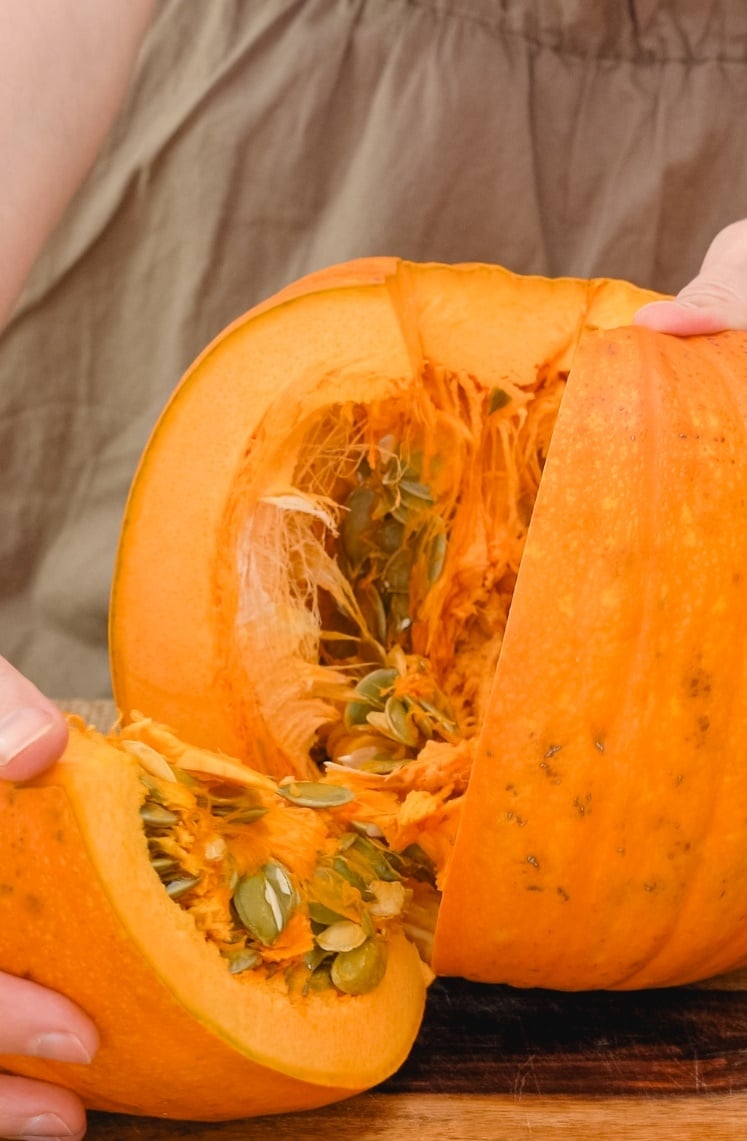
Once your pumpkin is clean and dry, the next step is to cut it into smaller, more manageable pieces. Use a sharp, sturdy knife to slice the pumpkin in half. Then, scoop out the seeds and stringy bits with a spoon. After removing the insides, cut the pumpkin halves into wedges. Smaller pieces are easier to peel and safer to work with. Ever tried peeling a whole pumpkin? It’s like wrestling a slippery giant. Cutting it first makes a world of difference. By taking the time to prepare your pumpkin correctly, you set yourself up for a smooth and efficient peeling process. Are you ready to tackle the next step with confidence?Peeling Techniques
Peeling pumpkin skin can feel like a daunting task, but choosing the right technique makes all the difference. Your choice depends on the tools you have and how much time you want to spend. Each method offers a unique way to tackle that tough exterior without wasting precious pumpkin flesh.
Using A Vegetable Peeler
A sharp vegetable peeler is a simple tool that can do wonders on pumpkin skin. Hold the pumpkin steady and peel away from your body to stay safe. Thin, even strokes work best to avoid gouging the flesh underneath.
Some pumpkin varieties have thicker skins, so don’t rush. Take your time to remove the skin layer by layer. You might find it easier to cut the pumpkin into smaller, flat pieces first—this gives you better control and reduces slipping.
Using A Knife Safely
Using a knife requires care but can be very effective, especially for larger pumpkins. Start by cutting the pumpkin into manageable chunks. This lets you place each piece flat on the cutting board, which is safer and more stable.
Use a sturdy chef’s knife and work slowly. Slice off the skin by following the curve of the pumpkin, keeping the blade angled slightly away from you. Remember, safety first—never force the knife, and keep your fingers clear of the blade’s path.
Microwave Softening Method
Microwaving pumpkin pieces for a short time softens the skin and makes peeling easier. Place cut pumpkin chunks on a microwave-safe plate and heat for about 2-3 minutes. The warmth loosens the skin, allowing you to peel it off with your fingers or a peeler.
Have you tried this technique? You might be surprised how much less effort it takes. Just be cautious not to overcook the pumpkin, or it will become mushy and harder to handle.
Tips For Easier Peeling
Peeling pumpkin skin can be tough without the right approach. Use simple tips to make the process easier and safer. These tricks save time and effort while preparing pumpkin for cooking.
Softening The Skin
Soft skin peels faster and with less force. Heat the pumpkin before peeling to soften the tough outer layer.
- Microwave the pumpkin for 2 to 3 minutes.
- Boil the pumpkin pieces briefly, about 2 minutes.
- Roast the pumpkin for 10 to 15 minutes at 350°F (175°C).
Soft skin reduces the risk of slipping and cuts. Always let the pumpkin cool before peeling.
Working With Different Pumpkin Sizes
Size affects how you peel pumpkin. Large pumpkins need a sturdy knife and stable surface. Cut into manageable chunks first.
- Slice the large pumpkin into halves or quarters.
- Use a vegetable peeler on smaller pumpkins.
- For medium pumpkins, a sharp knife and steady grip help.
Smaller pumpkins are easier to handle but may need more care to avoid damage. Adjust your tools based on pumpkin size for best results.

Credit: www.splashsquad.com
Common Mistakes To Avoid
Peeling pumpkin skin can be tricky for many. Mistakes slow you down and raise safety risks. Avoid common errors to save time and effort. Focus on key areas to peel pumpkin skin correctly and safely.
Handling Slippery Surfaces
Pumpkin skin becomes very slippery after cutting. Slippery surfaces increase the chance of knife slips. Always dry the pumpkin and your hands well. Use a damp cloth under the pumpkin to keep it steady. Never rush; slow, steady cuts prevent accidents.
Cutting Against The Grain
Pumpkin skin has a natural grain or fiber direction. Cutting against the grain makes peeling harder. It can cause jagged edges and waste more flesh. Cut along the grain for smooth, easy peeling. This technique helps remove skin in larger, cleaner pieces.
Storing Peeled Pumpkin
Storing peeled pumpkin properly keeps it fresh and ready for cooking. Proper storage stops the pumpkin from drying out or spoiling quickly. It also helps maintain the pumpkin’s flavor and texture for your recipes.
Refrigeration Tips
Place peeled pumpkin pieces in an airtight container. Use plastic wrap or a sealed bag to avoid air contact. Keep the container in the fridge at about 40°F (4°C). Use the pumpkin within 3 to 5 days for the best quality. Check the pumpkin daily for any signs of spoilage, like softness or mold.
Freezing For Later Use
Cut peeled pumpkin into small cubes or slices before freezing. Spread pieces on a baking sheet to freeze individually. Once frozen, transfer pumpkin pieces to a freezer-safe bag or container. Remove as much air as possible to prevent freezer burn. Label the container with the date to track storage time. Frozen pumpkin can last up to 6 months. Thaw in the fridge or cook directly from frozen for soups or stews.
Frequently Asked Questions
How Do I Soften Pumpkin Skin For Easy Peeling?
To soften pumpkin skin, microwave it for 2-3 minutes or boil for 5 minutes. This makes peeling easier and safer.
What Tools Are Best For Peeling Pumpkin Skin?
Use a sharp chef’s knife or a sturdy vegetable peeler. These tools help remove skin efficiently without wasting pumpkin flesh.
Can I Eat Pumpkin Skin After Peeling?
Yes, pumpkin skin is edible when cooked. Roasting it adds texture and nutrients, but some prefer peeling for smooth recipes.
Is It Safer To Peel Pumpkin Before Or After Cooking?
Peeling after cooking is safer and easier. Cooked skin softens, reducing the risk of cuts and making peeling less effortful.
Conclusion
Peeling pumpkin skin can be simple with the right steps. Use a sharp knife or peeler carefully. Cut the pumpkin into smaller pieces to make peeling easier. Take your time and work safely. Once peeled, the pumpkin is ready for cooking or baking.
Enjoy fresh pumpkin in soups, pies, or salads. Practice makes this task quicker and less tricky. Keep these tips in mind for your next pumpkin dish. Cooking with pumpkin becomes fun and stress-free this way.

Hi, I’m Daniel Brooks—a food lover and kitchen gear enthusiast. I enjoy testing cookware, utensils, and gadgets to see what really works in everyday cooking. At PlugChef.com, I share honest reviews, comparisons, and simple guides to help you choose the best tools for a safer, smarter, and more enjoyable kitchen.
Related posts:
 What Type of Cooking Utensils are Safe: Expert Picks
 What Innovations Could Blenders Make: Unleashing Future Tech
 Smart Strategies to Organize a Small Kitchen: Maximize Space
 How to Organize a Kitchen Cabinet: Expert Tips & Tricks
 How to Organize Kitchen Drawers: Expert Tips and Tricks
 How to Organize a Corner Kitchen Cupboard: Expert Tips