

Peeling an apple might seem simple, but doing it the right way can save you time and make your apples taste even better. Whether you’re preparing a snack, baking a pie, or making a salad, knowing how to peel an apple quickly and safely can make a big difference.
You’ll discover easy tips and tricks that anyone can follow. By the end, you’ll feel confident and ready to handle apples like a pro. Ready to master this skill? Let’s get started!
Credit: timesofindia.indiatimes.com
Choosing The Right Apple
Choosing the right apple makes peeling easier and more enjoyable. Not every apple peels the same way, and the variety you pick can save you time and effort. Knowing which apples work best helps you avoid frustration and get perfect slices every time.
Best Varieties For Peeling
Some apples have thinner skins that come off effortlessly, while others have tough skins that resist peeling. Look for varieties like:
- Gala:Thin skin and sweet flavor make it easy to peel and delicious to eat.
- Fuji:Slightly thicker skin but still peels well and stays crisp.
- Golden Delicious:Smooth skin that peels cleanly, ideal for baking and snacking.
On the other hand, apples like Granny Smith have thicker skins that can be stubborn when peeling. Have you ever struggled peeling an apple only to lose half the flesh? Picking the right variety helps avoid this common problem.
How Apple Texture Affects Peeling
Apple texture plays a big role in how easy it is to peel. Firmer apples hold their shape better when you peel, while softer ones can turn mushy or break apart.
If the apple is too ripe, the flesh may become grainy or watery, causing the peel to stick or tear unevenly. Crisp apples provide clean, smooth peeling and better control.
Try gently pressing your apple before peeling. Does it feel firm or soft? Choosing a firmer apple can make your peeling experience quicker and less messy.
Tools You Need
Peeling an apple might seem simple, but having the right tools makes a huge difference in speed and safety. The right peeler or knife can help you remove the skin cleanly without wasting the juicy flesh underneath. Let’s look at what tools you’ll want on hand before you start.
Types Of Peelers
There are several peelers designed specifically for fruits like apples. The most common types include:
- Y-Peeler:This peeler has a horizontal blade and feels like holding a little razor in your hand. It’s great for quick, long strokes and offers excellent control.
- Straight Peeler:This has a blade that runs parallel to the handle. It’s versatile and ideal if you want to peel in short, precise movements.
- Swivel Peeler:The blade pivots to follow the apple’s curves, reducing the risk of digging too deep into the fruit. It’s a favorite for beginners.
Think about which type fits your grip and peeling style best. I once switched from a straight peeler to a swivel one, and the difference in ease was surprising. Have you noticed how different peelers affect your peeling speed?
Using A Knife Safely
If you don’t have a peeler, a sharp paring knife can work well to peel apples. The key is safety and precision. Always hold the apple firmly and cut away from your body.
Use your non-dominant hand to hold the apple steady. With your dominant hand, gently slice thin strips of skin, turning the apple as you go. Don’t rush — slow and steady cuts reduce slips.
It might help to rest your elbow on the counter for better control. Have you ever tried peeling with a knife and felt unsure about your grip? Practicing on a less slippery apple can build your confidence.
Preparing The Apple
Peeling an apple is simple with a sharp knife or peeler. Hold the apple firmly and remove the skin in thin strips. This keeps the fruit fresh and ready to eat or cook.
Preparing an apple for peeling is a simple yet important task. It ensures the fruit is clean and ready for consumption. This process involves a few straightforward steps. Follow these to make peeling easier and more efficient.Washing And Drying
Start by rinsing the apple under cool, running water. This removes dirt and pesticides. Gently rub the apple with your hands. Use a soft brush for stubborn spots. After washing, dry the apple with a clean towel. Drying prevents slipping during peeling. A dry apple is safer to handle.Removing The Stem
Hold the apple firmly. Twist the stem with gentle pressure. If it resists, use a small knife. Insert the knife at the base of the stem. Carefully lift and twist to remove it. A stem-free apple is easier to peel. This step also improves presentation.
Credit: www.youtube.com
Peeling Techniques
Peeling an apple might seem simple, but the technique you choose can affect both the ease and the outcome. Different tools and approaches suit different needs, whether you want speed, precision, or a fun twist. Let’s look at practical ways to peel your apple effectively.
Peeling With A Handheld Peeler
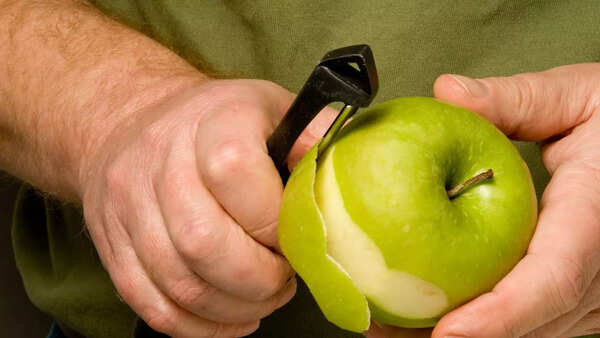
A handheld peeler is a classic tool that most kitchens have. It’s designed to remove the skin quickly and with minimal waste. Hold the apple firmly and glide the peeler from top to bottom, rotating the fruit as you go.
This method gives you consistent thin strips of peel, which means you keep more of the apple flesh. It’s also safer for beginners since the blade is small and controlled. Have you noticed how smooth the peel looks when you use a peeler? That’s because it follows the apple’s curve perfectly.
Using A Paring Knife
If you don’t have a peeler nearby, a paring knife works well too. The key is to use a sharp knife and steady hands. Cut off the skin by sliding the blade just under the surface, turning the apple slowly to peel off strips.
This technique takes more practice but offers more control, especially around tricky spots like the stem and bottom. It’s also handy if you want to peel larger sections or create decorative slices. Have you tried peeling an apple this way? It can be quite satisfying once you get the hang of it.
Peeling With A Spiral Peeler
For a fun and efficient option, try a spiral peeler. This tool peels the apple in one continuous strip that often looks like a ribbon. Simply secure the apple and turn the handle to peel the skin off in a spiral motion.
This technique is great if you want neat peel strips for garnishes or snacks. It also reduces prep time since you don’t have to stop and start multiple times. Do you think this method could make your apple prep more enjoyable and less tedious?
Tips For Even Peeling
Peeling an apple evenly makes it look neat and helps avoid wasting fruit. Small changes in your technique can create smooth, uniform slices of peel. Focus on steady movements and good grip. These tips will help you peel like a pro in no time.
Maintaining Consistent Pressure
Hold the apple firmly but not too tight. Use a sharp peeler or knife to glide smoothly over the skin. Apply steady, even pressure as you peel. Avoid pressing too hard to prevent cutting into the flesh. Consistency keeps the peel thin and uniform.
Peeling Around The Core
Turn the apple slowly as you peel to follow its natural shape. Move carefully near the core to avoid wasting edible parts. Use gentle, curved strokes to peel around the apple’s center. This preserves more fruit and creates a clean, even surface.
Common Mistakes To Avoid
Peeling an apple seems easy, but many make simple mistakes. These errors can waste fruit or cause accidents. Avoid these common pitfalls to make peeling smoother and safer.
Peeling Too Deep
Peeling too deep removes the tasty flesh along with the skin. This wastes fruit and reduces the apple’s juiciness. Keep the peeler close to the surface. Move gently to avoid cutting into the apple’s flesh. A shallow peel saves more of the apple for eating or cooking.
Slipping And Injuries
Slipping is a major cause of cuts while peeling apples. A wet or slippery hand can lose grip of the apple or peeler. Hold the apple firmly and dry your hands before starting. Use a sharp peeler to reduce pressure and sudden slips. Peel slowly and keep your fingers clear of the blade.
Storing Peeled Apples
Storing peeled apples properly is key to keeping them fresh and tasty. Once peeled, apples can quickly lose their crispness and turn brown, which can be off-putting. Knowing how to handle peeled apples will save you time and reduce food waste.
Preventing Browning
Have you noticed how peeled apples turn brown within minutes? This happens because of oxidation, a natural reaction when the apple’s flesh is exposed to air. To keep your apples looking fresh, you need to slow down this process.
One effective way is to dip the peeled apples in a mixture of water and lemon juice. The acid in lemon juice acts as a barrier against air exposure. Another option is to soak them in cold salt water for a few minutes—just a half teaspoon of salt per cup of water works well.
Using commercial anti-browning products like fruit fresheners can also help, but natural options often work just as well and taste better. Have you tried wrapping peeled apples tightly in plastic wrap? That also limits air contact and slows browning.
Best Storage Methods
After preventing browning, storing peeled apples properly keeps their texture and flavor intact. The fridge is your best friend here. Place the peeled apple slices in an airtight container or a resealable plastic bag to keep out moisture and odors.
Adding a damp paper towel inside the container can maintain humidity, preventing the apples from drying out. If you plan to store them longer than a day or two, consider freezing the peeled apples. Spread slices on a baking sheet to freeze individually before transferring to a freezer bag to avoid clumping.
Would you believe that freezing peeled apples can be great for smoothies or baking later? It’s a handy trick when you peel more apples than you need right away. Storing peeled apples correctly means you can enjoy their fresh taste anytime without extra prep work.
Creative Uses For Peeled Apples
Peeled apples open up a world of possibilities beyond just a simple snack. Removing the skin not only changes the texture but also allows the apple to blend seamlessly into various dishes. You might be surprised how much more versatile peeled apples can be once you start using them creatively.
Baking And Cooking Ideas
Peeled apples work wonders in baking because they soften nicely and absorb flavors better. Try slicing them thin for a classic apple pie or chopping them into small pieces for muffins and cakes. You can also stew peeled apples with cinnamon and a touch of honey for a quick, homemade applesauce that adds moisture and natural sweetness to your recipes.
Have you ever added peeled apples to savory dishes? They pair well with pork or chicken, adding a subtle sweetness that balances spices and herbs. Sauté peeled apple chunks with onions and serve as a side, or toss them into a curry for a surprising twist.
Snacks And Salads
Think beyond the usual apple slices and peel your apples for a smoother, more delicate bite. Thin ribbons of peeled apple can be rolled into elegant shapes for fruit platters or used as a crunchy topping on yogurt and granola bowls. Mixing peeled apple cubes into salads gives a juicy contrast without the chewiness of the peel.
Have you tried pairing peeled apples with cheese? The mild texture complements creamy cheeses like brie or goat cheese perfectly. Add some walnuts and a drizzle of honey, and you’ve got a quick, sophisticated snack that feels special but takes minutes to prepare.

Credit: food52.com
Frequently Asked Questions
What Is The Easiest Way To Peel An Apple?
Using a vegetable peeler is the easiest way to peel an apple. Hold the apple firmly and gently glide the peeler around its surface. This method is quick, safe, and removes thin layers of skin without wasting fruit.
Can I Peel An Apple Without A Peeler?
Yes, you can peel an apple using a sharp paring knife. Carefully slice off the skin in thin strips, turning the apple as you go. This method requires more skill but works well if you don’t have a peeler.
Why Should I Peel An Apple Before Eating?
Peeling removes the apple’s skin, which contains pesticides and wax. It also changes the texture and taste, making it softer and less bitter. Peeling is helpful for recipes that require smooth apple texture, like sauces or pies.
How To Prevent Peeled Apples From Browning?
To prevent browning, dip peeled apples in lemon juice or cold water with a little salt. The acid slows oxidation, keeping the apple fresh and visually appealing for longer periods.
Conclusion
Peeling an apple is simple with the right steps. Use a sharp peeler or knife carefully. Work slowly to avoid cutting yourself or wasting fruit. Practice helps you peel faster and cleaner. Fresh peeled apples taste great in many recipes.
Enjoy your peeled apple as a snack or in cooking. Keep these tips in mind next time you peel. It makes the task easy and safe. Try different methods to find what suits you best. Peeling apples can be quick and fun.

I’m Abby Lu, a passionate home cook who loves simplifying everyday meals. At PlugChef.com, I share product reviews and cooking guides to help you find the best tools for your kitchen.
Related posts:
 What Type of Cooking Utensils are Safe: Expert Picks
 What Innovations Could Blenders Make: Unleashing Future Tech
 Smart Strategies to Organize a Small Kitchen: Maximize Space
 How to Organize a Kitchen Cabinet: Expert Tips & Tricks
 How to Organize Kitchen Drawers: Expert Tips and Tricks
 How to Organize a Corner Kitchen Cupboard: Expert Tips

