
Imagine reaching for a snack or prepping a meal, and everything you need is just where you expect it to be. No more fumbling through cluttered shelves or discovering expired goods hiding in the back.
Organizing your pantry by category is more than just tidying up; it’s about creating a space that works for you, saving time and reducing stress. Picture walking into your kitchen and feeling at ease, knowing that everything has its place.
This method not only streamlines your cooking routine but also helps you make smarter food choices. Your pantry can be a powerful tool in your culinary arsenal. Are you ready to transform your kitchen chaos into calm, efficient order? Dive into this guide and unlock the secrets to an organized pantry that caters to your needs.
Benefits Of A Well-organized Pantry
A well-organized pantry saves time and reduces food waste. Categorizing items makes it easy to find ingredients quickly. Group similar items together for easy access and inventory management.
A well-organized pantry is more than just a neat and tidy space. It’s a game-changer for your daily routine, transforming how you cook, shop, and even eat. Imagine knowing exactly where everything is, saving you time and reducing stress in the kitchen. Let’s dive into the myriad benefits of organizing your pantry by category.Efficiency In Meal Preparation
When ingredients are grouped by category, you can quickly locate what you need. This means more time cooking and less time searching. Picture yourself seamlessly grabbing pasta, sauce, and spices for a quick dinner.Reducing Food Waste
A clutter-free pantry helps you keep track of what you have. Spotting items nearing expiration becomes easier, reducing the chance of food spoilage. How many times have you bought duplicates because you couldn’t find an item?Saving Money On Groceries
Knowing what’s in your pantry prevents unnecessary purchases. You can shop smarter, sticking to what you truly need. This not only saves money but also space in your pantry.Enhancing Creativity In The Kitchen
A well-organized pantry sparks culinary creativity. With visible and accessible ingredients, you’re more likely to experiment with new recipes. Imagine the joy of effortlessly trying out that exotic dish you’ve been eyeing.Creating A More Inviting Kitchen Space
A tidy pantry contributes to an overall sense of order in your kitchen. It’s refreshing to open a door to neatly arranged shelves. Do you feel more inspired to cook in a chaotic or in a calm, organized kitchen?Fostering Better Eating Habits
When healthy options are easy to find, you’re more likely to choose them. An organized pantry can encourage better dietary choices. Wouldn’t you reach for whole grains more often if they were at eye level?Minimizing Stress
A chaotic pantry can add stress to your day. Knowing where everything is can make meal prep a peaceful process. Consider how much smoother your routine could be with an organized space.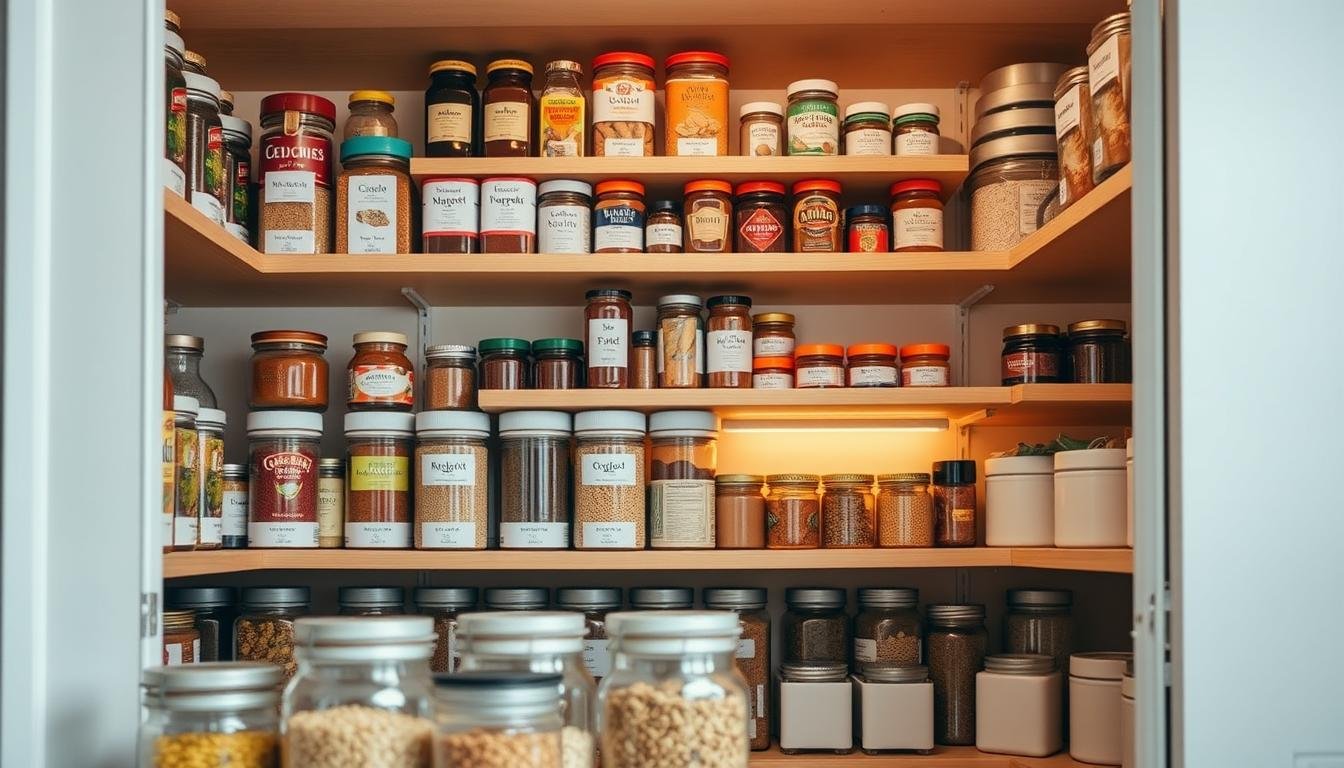
Credit: 1lttlestep.com
Essential Pantry Categories
Organize your pantry by grouping items into essential categories. Store grains, canned goods, and spices separately. Keep snacks and breakfast items in distinct sections for easy access.
Organizing your pantry can transform your cooking experience. A well-organized pantry saves time and reduces stress. Grouping items by category is a practical approach. It ensures you find everything easily. Let’s explore some essential pantry categories.Dry Goods And Staples
Dry goods are pantry essentials. This category includes rice, pasta, and beans. These items often last long and are versatile. Store them in clear, airtight containers. Label each container with contents and expiration dates. This keeps your pantry neat and organized.Canned And Jarred Goods
Canned and jarred goods offer convenience. They include vegetables, fruits, and sauces. Arrange them by type and use. For example, keep soups together and vegetables in another section. This method ensures you find what you need quickly.Spices And Seasonings
Spices and seasonings add flavor to meals. Organize them alphabetically or by cuisine. Use a spice rack or drawer to store them. Ensure each jar is labeled clearly. This makes meal prep fast and efficient.Baking Supplies
Baking supplies include flour, sugar, and baking powder. Store these items in airtight containers. Group them together for easy access. Consider adding baking tools nearby. This setup streamlines your baking process.Snacks And Treats
Snacks and treats are popular pantry items. Dedicate a shelf or drawer for them. Use bins or baskets to separate different types. This keeps everything tidy. It’s also easy for kids to grab their favorite snacks.Steps To Categorize Your Pantry
Sort pantry items into clear categories like grains, canned goods, and snacks. Use labeled containers for easy access. Keep frequently used items at eye level for convenience.
Organizing your pantry by category can transform your cooking experience, making meal preparation more efficient and enjoyable. Imagine reaching for an ingredient and knowing exactly where it is without having to sift through clutter. This streamlined approach not only saves time but also reduces food waste, as you’ll easily spot items that need to be used before their expiration. Let’s delve into the steps to categorize your pantry effectively.Assessing Current Inventory
Begin by taking stock of what you currently have in your pantry. Pull everything out so you can get a clear view of your inventory. You might be surprised by the duplicates lurking in the back or the expired items hiding in plain sight. Create an inventory list to track what you have. This will help you identify the categories you need to focus on. Ask yourself: are there items you never use or ingredients you constantly run out of?Sorting Items By Category
Once you have a clear picture of your inventory, start sorting items into categories. Think about common groupings such as grains, canned goods, spices, snacks, and baking essentials. Use a table to visualize how you want to organize your pantry. You might find that certain categories need more space than others. For example, if you bake often, your baking supplies might need a larger section. Consider how often you use each category. Position frequently used items in easy-to-reach places and less-used items higher up or towards the back.Labeling And Storage Solutions
Now that you’ve sorted everything, it’s time to label and store. Clear, visible labels can make a world of difference. Use simple labels that everyone in your household can understand. Invest in storage solutions like bins, baskets, or clear containers to keep items organized within their categories. This not only helps maintain organization but also makes cleaning easier. Think about how you can optimize the space. Can you stack items or use risers to make the most of your shelves? Keeping your pantry organized is an ongoing process, so consider solutions that are flexible and adaptable. By following these steps, you’ll create a pantry that’s not only organized but also functional and tailored to your needs. Who knew that a little organization could lead to such culinary success?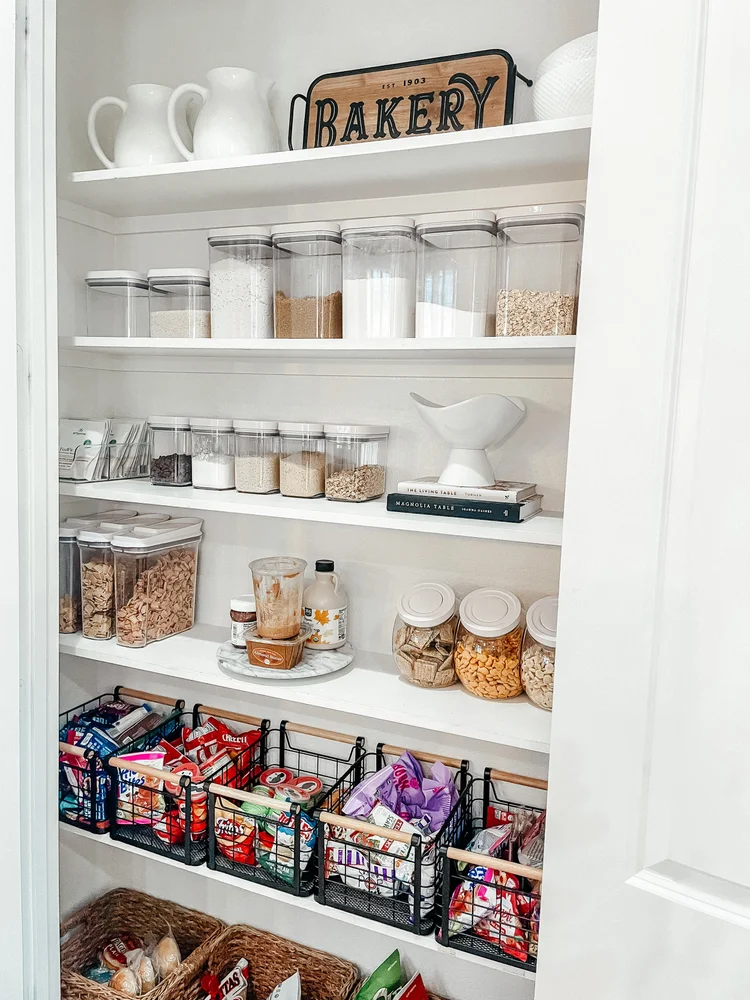
Credit: www.houseofharveyblog.com
Expert Tips For Efficient Organization
Organize your pantry by grouping similar items together. Store grains, spices, and canned goods in separate sections. Use clear containers for easy identification and access.
Organizing your pantry by category improves efficiency and reduces clutter. Expert tips ensure you make the most of the space and maintain freshness. Let’s delve into key strategies for optimal pantry organization.Maximizing Space With Shelving
Shelving creates more room and keeps items accessible. Adjustable shelves fit different-sized containers and boxes. Use vertical space to store taller items like cereal boxes. Install small shelves to hold spices and smaller containers. Label each shelf for quick identification. This helps save time during meal prep.Using Clear Containers
Clear containers make it easy to see contents. Choose airtight ones to preserve freshness. Group similar items together, like snacks or baking supplies. Stackable containers save space and keep the pantry tidy. Label them for easy access and organization. This avoids purchasing duplicates.Rotating Stock For Freshness
Rotating stock ensures older items are used first. Place new products behind older ones. Check expiration dates regularly. Keep frequently used items at the front. This prevents waste and keeps the pantry efficient. An organized pantry helps in cooking and meal planning.Maintaining Pantry Organization
Organize your pantry by grouping similar items together. Place canned goods, grains, and snacks in separate sections. Label shelves for easy access and maintain a tidy space.
Maintaining pantry organization ensures a tidy kitchen and easy meal prep. A well-organized pantry saves time and reduces food waste. By keeping your pantry in order, you make cooking stress-free. Here’s how to maintain your pantry organization effectively.Regular Inventory Checks
Perform regular inventory checks to know what you have. This helps avoid buying duplicates and wasting food. Set a reminder to do this weekly. Check expiration dates and use items before they expire. Create a list of items running low.Restocking Essentials
Always have pantry staples on hand. These include rice, pasta, canned goods, and spices. Keep a checklist of essentials you need regularly. Stock up during sales to save money. Place new items behind older ones to use them first.Adjusting Categories As Needed
Your pantry needs may change over time. Adjust categories to suit your current needs. If you start baking more, create a baking section. If you switch to a plant-based diet, organize a vegan section. Be flexible and update categories as needed.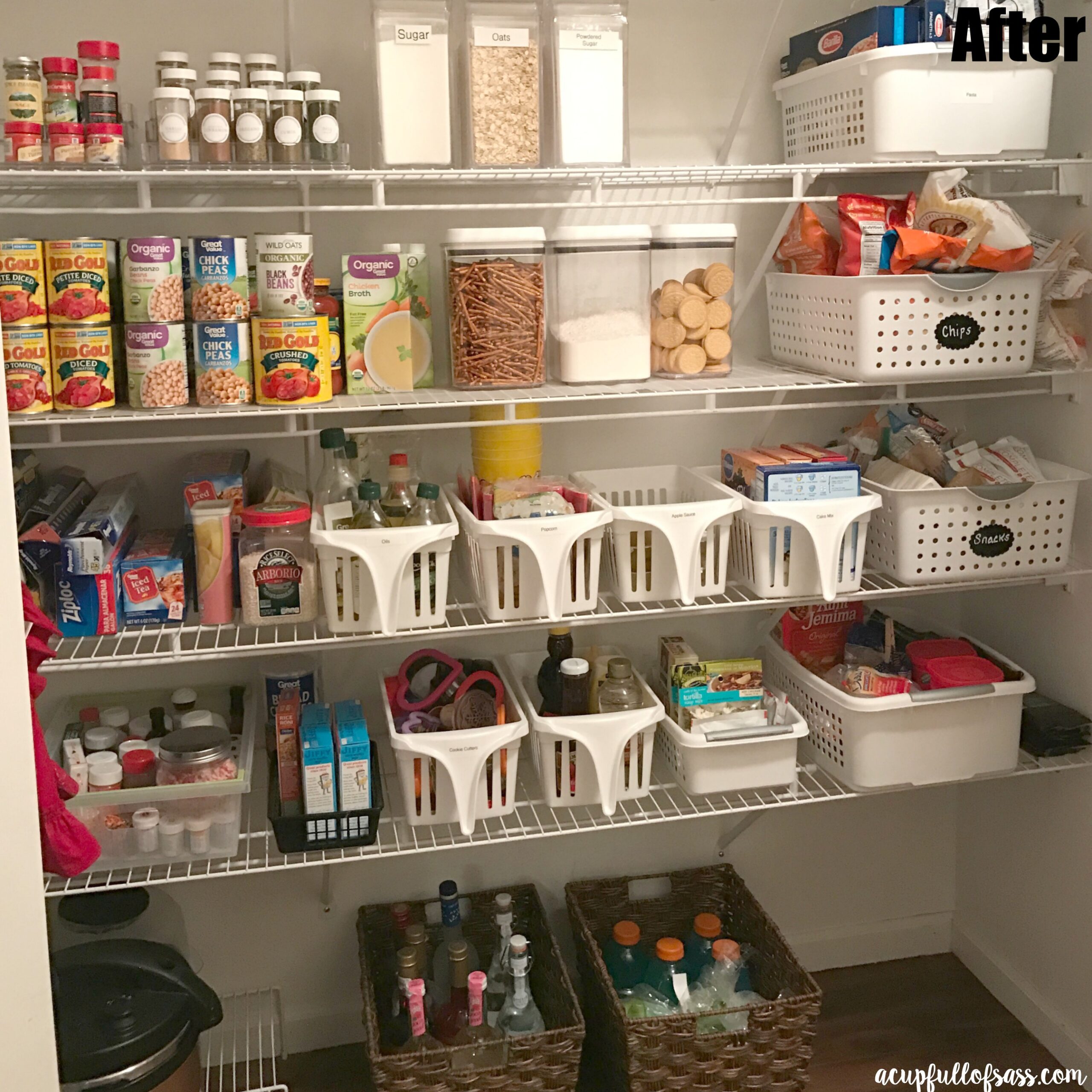
Credit: www.acupfullofsass.com
Frequently Asked Questions
What Are The 7 Pantry Zones?
The 7 pantry zones are grains, canned goods, snacks, baking supplies, condiments, breakfast items, and beverages. Organize each category separately for easy access. Label shelves for quick identification and maintain inventory to avoid duplicates. Keep frequently used items at eye level for convenience.
In What Order Should A Pantry Be Organized?
Organize your pantry by grouping similar items together. Place frequently used items at eye level. Store heavier items on lower shelves. Keep snacks and kids’ items accessible. Use clear containers for visibility and labels for easy identification. Ensure a clean, clutter-free space for efficient access.
How To Categorize Food Items?
Categorize food items by type, such as fruits, vegetables, grains, proteins, and dairy. Classify further by nutritional content, like carbohydrates, fats, or proteins. Consider storage needs, like frozen, refrigerated, or pantry. Group foods by meals, like breakfast, lunch, and dinner.
Organize by dietary preferences, such as vegan, gluten-free, or keto.
How Do You Sort Out Your Pantry?
Begin by emptying your pantry and categorizing items by type. Use clear containers for storage. Label each container for easy identification. Arrange items by expiration date, placing older ones upfront. Regularly clean and audit the pantry to maintain organization. Keep frequently used items within easy reach.
Conclusion
Organizing your pantry by category makes life easier. Find items faster. Cooking becomes more enjoyable. No more searching for that elusive spice. Save time and reduce food waste. Group similar items together. Cans with cans. Spices with spices. Create a system that works for you.
Label shelves or containers. This helps everyone in the household. Keep track of what you have. Make shopping lists simpler. A tidy pantry boosts your mood. Enjoy a clutter-free kitchen. Stay organized and efficient. Make the most of your space.
Happy cooking!

Hi, I’m Daniel Brooks—a food lover and kitchen gear enthusiast. I enjoy testing cookware, utensils, and gadgets to see what really works in everyday cooking. At PlugChef.com, I share honest reviews, comparisons, and simple guides to help you choose the best tools for a safer, smarter, and more enjoyable kitchen.
Related posts:
 What Type of Cooking Utensils are Safe: Expert Picks
 What Innovations Could Blenders Make: Unleashing Future Tech
 Smart Strategies to Organize a Small Kitchen: Maximize Space
 How to Organize a Kitchen Cabinet: Expert Tips & Tricks
 How to Organize Kitchen Drawers: Expert Tips and Tricks
 How to Organize a Corner Kitchen Cupboard: Expert Tips