
Is your medicine cabinet a cluttered mess? Do you struggle to find the right medication when you need it most?
You’re not alone. Many people overlook the importance of a well-organized medicine cabinet, but a little order can make a big difference. Imagine opening your cabinet and instantly spotting what you need, saving you time and reducing stress. In this guide, you’ll discover simple, effective strategies to transform your medicine cabinet into a neat and functional space.
Let’s dive into these easy steps that will bring peace of mind and a sense of control to your everyday life.
Assess Current Inventory
Begin by checking all items in your medicine cabinet. Remove expired or unnecessary medications. This helps make space for essentials.
Organizing your medicine cabinet starts with assessing your current inventory. This step is crucial for ensuring safety and efficiency. Begin by taking a good look at what you already have. This will help you identify essential medications and discard expired items. With a clear understanding, you can manage your cabinet better.Identify Essential Medications
Make a list of medications you use regularly. Include those prescribed by your doctor. Over-the-counter medications should also be considered. Vitamins and supplements are part of this list too. Group similar items together. This helps in quick access and saves time. Keep these items in a designated spot within the cabinet.Discard Expired Items
Check expiration dates on every medication. Look at the labels carefully. Expired medications can be harmful. They may not work effectively. Discard any item past its expiration date. Safely dispose of them according to local guidelines. This ensures your safety and keeps the cabinet clutter-free.
Credit: orgjunkie.com
Categorize Medications
Sort medications by type for easy access. Group pain relievers, allergy meds, and prescriptions separately. Keep labels visible to identify each category quickly.
Organizing your medicine cabinet can save time and reduce stress. A well-organized space ensures easy access to medications when needed. One crucial step is to categorize medications effectively. This method makes it easier to find what you’re looking for.Group By Purpose
Begin by grouping medications based on their intended use. This helps in quick identification during emergencies. – Pain relief medications in one section. – Cold and allergy treatments together. – Digestive aids and antacids in another area. – Vitamins and supplements in a separate spot. Clearly label each group for easy access. Visual cues can also help, like color-coded labels. This organization reduces confusion and speeds up retrieval.Sort By Frequency Of Use
Prioritize medications based on how often you use them. Place frequently used items at eye level for convenience. – Daily medications should be easily reachable. – Weekly treatments can be stored slightly lower. – Rarely used items can be placed at the back. This approach ensures quick access to daily necessities. It also helps avoid clutter from less-used items. Keep a list of expiration dates to stay updated. Regularly check and remove expired medications. This keeps the cabinet tidy and safe.Choose Storage Solutions
Choose storage solutions to keep your medicine cabinet tidy. Use clear containers to group similar items together. Label each container for easy identification and quick access.
Choosing the right storage solutions makes organizing your medicine cabinet easier. The goal is to find what you need quickly. Use appropriate containers and space-saving organizers. These will help maximize every inch of space. Keeping medications and supplies neat prevents confusion.Select Appropriate Containers
Start by selecting containers that fit your cabinet size. Clear containers allow you to see contents easily. Opt for containers with lids to prevent spills. Stackable containers save space and keep items tidy. Label each container for quick identification. Group similar items together, like pain relievers or band-aids.Utilize Space-saving Organizers
Maximize space with efficient organizers. Use shelf risers to create extra levels in your cabinet. Install small baskets on cabinet doors for additional storage. Lazy Susans are great for easy access to items at the back. Drawer dividers can separate small items like thermometers or scissors. Hooks or clips inside the cabinet can hold lighter items.Label Clearly
Ensure each medicine has a clear label. This helps find what you need quickly. Use large, easy-to-read fonts.
Organizing your medicine cabinet effectively can make a significant difference in your daily routine. A key component of this organization is ensuring everything is labeled clearly. Clear labeling helps you quickly identify the medicines you need, reducing the stress during emergencies or when you’re in a hurry. It also minimizes the risk of taking the wrong medication, which is crucial for your health and safety.Use Color-coded Labels
Using color-coded labels adds a visual layer to your organization system. Imagine reaching for a pain reliever and instantly knowing where it is because of its bright red label. Assign different colors for various categories like pain relief, allergies, or daily vitamins. This method not only speeds up your search but also makes the cabinet more visually appealing.Include Expiration Dates
Keeping track of expiration dates is essential for safety and efficiency. Label each medicine with its expiration date in bold, easily readable text. You might wonder, how often do we overlook expired meds? More often than you’d think. Regularly check and update these dates to avoid the risk of using ineffective or harmful medications. This small step can save you from a potential health hazard.Maintain Accessibility
Place frequently used medicines within easy reach. Use clear labels for quick identification. Ensure everything is visible for easy access.
Organizing your medicine cabinet is more than just tidying up; it’s about making sure everything is easily accessible and safe. When you maintain accessibility, you save time during those rushed mornings and ensure that emergencies are handled efficiently. A well-organized cabinet can prevent unnecessary stress and clutter, allowing you to focus on what’s important: your health.Prioritize Daily Medications
Start by placing daily medications front and center. Imagine your morning routine when every second counts. Having your essential pills within easy reach can make a big difference. Consider using clear containers or labeled baskets for better visibility. Stacking medications based on frequency of use can also be helpful. Those taken multiple times a day should be the easiest to grab. An orderly arrangement not only speeds up your routine but also minimizes the risk of missing doses.Ensure Child Safety
Child safety is paramount when organizing your medicine cabinet. How do you ensure that curious little hands can’t reach harmful substances? Utilize childproof containers and keep them on higher shelves. You might even consider a lockable cabinet. If your home is often visited by young children, this added security can provide peace of mind. Regularly check that safety measures are still effective, and educate older children on the importance of medicine safety. By maintaining accessibility and prioritizing safety, your medicine cabinet becomes not just a storage space, but a functional part of your home. How do you plan to make your medicine cabinet more efficient?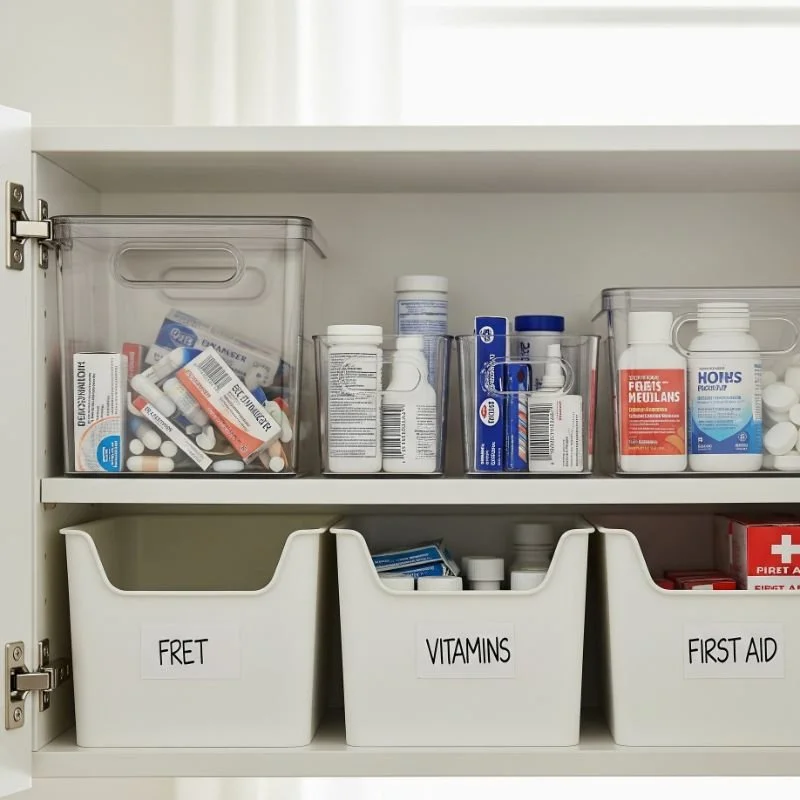
Credit: www.lorddecor.com
Regularly Review And Update
Regularly review and update your medicine cabinet to keep it organized. Discard expired medications and restock essentials for better health management. This ensures easy access and a clutter-free space.
Organizing your medicine cabinet is not a one-time task. Regularly reviewing and updating its contents is crucial to ensure safety and effectiveness. Neglecting this can lead to expired medications or a lack of necessary supplies when you need them the most. How often do you really check what’s in there? Let’s explore some practical strategies to keep your medicine cabinet in top shape.Schedule Routine Checks
Make it a habit to check your medicine cabinet at least twice a year. Align these checks with other recurring events like daylight saving time changes or spring cleaning. A simple calendar reminder can keep this task from slipping through the cracks. During these checks, dispose of expired or unused medications properly. This not only frees up space but also prevents accidental misuse. Have you ever found an expired prescription you forgot you had? Regular checks can help avoid this.Adapt To Changing Health Needs
Your health needs aren’t static, and neither should your medicine cabinet be. As seasons change, so do common ailments like allergies or colds, requiring different medications or supplies. Consider your family’s current health requirements. Are there new allergies or conditions to address? Ensure your cabinet reflects these changes, keeping it relevant and ready for any situation. Incorporate feedback from each family member. They might have insights or needs you haven’t considered. This ensures your medicine cabinet is a resource that meets everyone’s needs.Emergency Preparedness
Being prepared for emergencies is crucial for every home. A well-organized medicine cabinet can make a difference in urgent situations. Having the right supplies and an effective plan ensures you can respond quickly when needed. Let’s explore some key steps to enhance your emergency preparedness.
Stock Essential Supplies
Start by stocking up on essential supplies. Keep a list of items that are frequently needed. This includes pain relievers, antiseptics, and bandages. Make sure all items are within their expiration dates.
Consider adding a first aid manual. It’s a handy guide during emergencies. Don’t forget personal medications that family members require. Keep an adequate supply to last a few weeks.
Store everything in a cool, dry place. This helps in preserving the effectiveness of medicines. Remember to check your stock regularly. Replace items that are running low or expired.
Create A Quick Access Plan
Accessibility is key in emergencies. Create a quick access plan for your medicine cabinet. Place often-used items at the front. This reduces the time spent searching during an emergency.
Label shelves or containers for easy identification. This helps everyone in the household find what they need quickly. Use clear containers to see the contents without opening them.
Consider creating a list of emergency contacts. Include doctors, hospitals, and local emergency services. Attach it to the inside of the cabinet door.
Practice your quick access plan occasionally. Ensure every family member knows how to use it. This practice can save precious time when it matters most.

Credit: in.pinterest.com
Frequently Asked Questions
How Do You Organize Your Medicine Cabinet?
Organize your medicine cabinet by sorting medications by type and frequency of use. Label shelves for easy access. Store daily medications at eye level and place rarely used items higher. Dispose of expired medicines safely. Keep a list of medications for quick reference.
Regularly review and update the cabinet’s contents.
What To Always Have In Your Medicine Cabinet?
Stock your medicine cabinet with pain relievers, antihistamines, antiseptic wipes, band-aids, and a digital thermometer. Include a first-aid manual, tweezers, and gauze. Keep essential prescription medications. Regularly check expiration dates to ensure safety and effectiveness. Store everything in a cool, dry place out of children’s reach.
How To Organize A Lot Of Medication?
Sort medications by type and store in labeled containers. Use a pill organizer for daily doses. Keep a list of medications, dosages, and refill dates. Store in a cool, dry place, away from sunlight. Regularly check expiration dates and dispose of expired medications properly.
What Is The Correct Way To Organize Cabinets?
Organize cabinets by grouping similar items together. Use labels to identify contents easily. Keep frequently used items at eye level. Store heavy items on lower shelves for safety. Utilize bins and dividers for small items to maximize space.
Conclusion
A tidy medicine cabinet saves time and stress. It keeps your medications organized and easy to find. Check expiration dates regularly. Dispose of old medicines safely. Use labels for clear identification. Group similar items together. Store essential items at eye level.
Keep a list of medicines for quick reference. A clean cabinet means a healthier home. Feel more confident in managing your health. Take steps now to organize your space. Enjoy peace of mind knowing everything is in its place. Embrace the calm of a well-organized cabinet.

Hi, I’m Daniel Brooks—a food lover and kitchen gear enthusiast. I enjoy testing cookware, utensils, and gadgets to see what really works in everyday cooking. At PlugChef.com, I share honest reviews, comparisons, and simple guides to help you choose the best tools for a safer, smarter, and more enjoyable kitchen.
Related posts:
 What Type of Cooking Utensils are Safe: Expert Picks
 What Innovations Could Blenders Make: Unleashing Future Tech
 Smart Strategies to Organize a Small Kitchen: Maximize Space
 How to Organize a Kitchen Cabinet: Expert Tips & Tricks
 How to Organize Kitchen Drawers: Expert Tips and Tricks
 How to Organize a Corner Kitchen Cupboard: Expert Tips