
Your pantry is a treasure trove of ingredients waiting to transform your meals. But without the right organization, it can quickly become a cluttered mess.
You might think that organizing your pantry requires investing in a bunch of containers, but that’s not the case. Imagine opening your pantry and finding everything you need instantly, without spending a dime on storage solutions. Sounds appealing, right? This article will guide you through clever strategies to keep your pantry neat and tidy, using what you already have at home.
Dive in, and discover how simple tweaks can make your kitchen routine more efficient and enjoyable. Don’t miss out on these game-changing tips that will revolutionize the way you use your pantry.
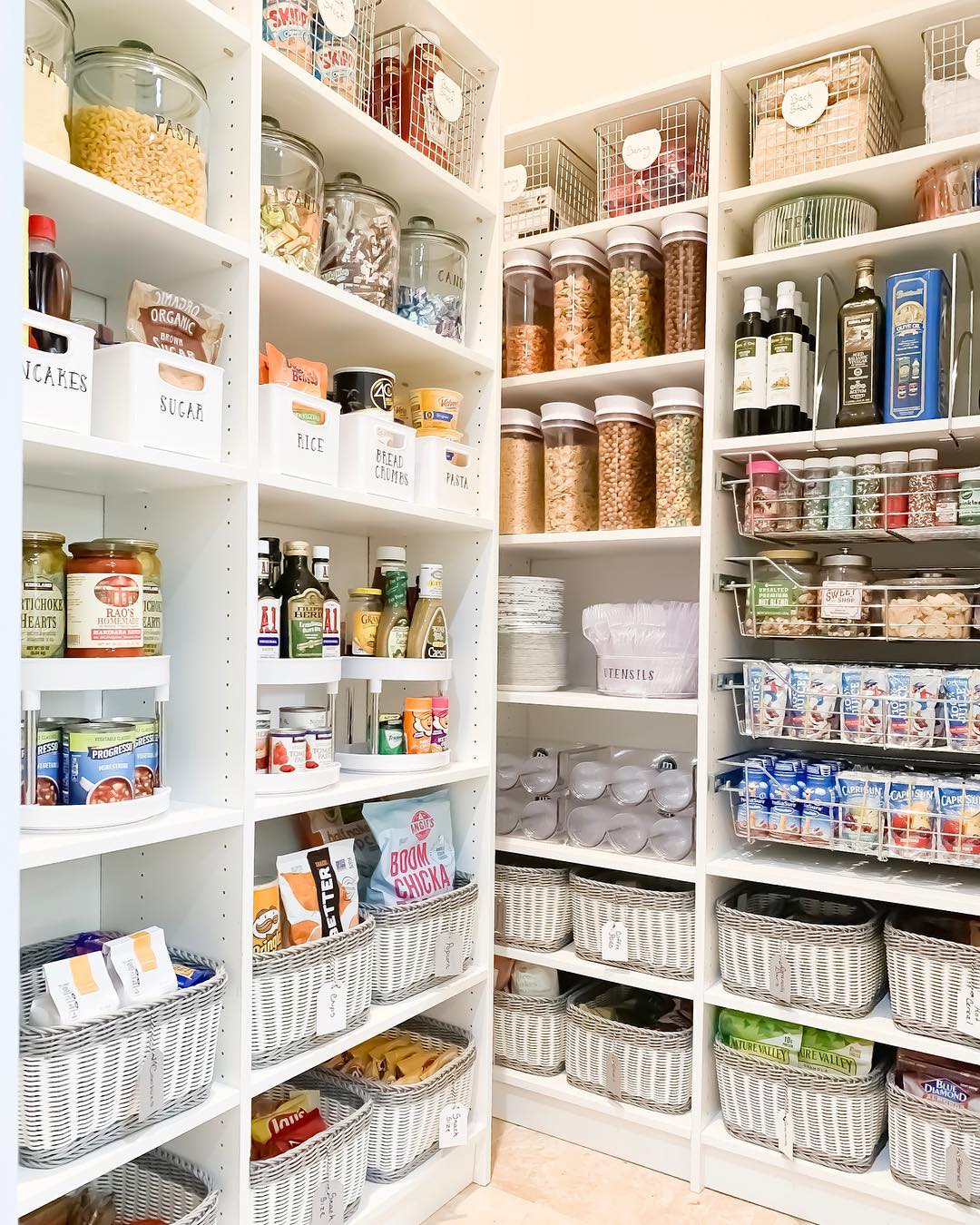
Credit: www.extraspace.com
Assessing Pantry Space
Assessing your pantry space is the first step to getting organized. Without containers, understanding the available space is crucial. You need to know where you can place items. It helps prevent clutter and ensures everything fits well.
Identify Available Shelving
Begin by identifying all the shelves in your pantry. Look for shelves that may be unused. Check for any hidden spaces that can store items. Note the depth and width of each shelf. This will help determine what can fit where.
Measure Dimensions
Use a measuring tape to get the dimensions of your shelves. Measure the height, width, and depth of each shelf. Jot down these measurements for easy reference. This ensures you know the exact space available for each item.
Grouping Similar Items
Arrange items by type or purpose to create order in your pantry. Place similar foods together for easy access and visibility. Use shelves efficiently by grouping canned goods, snacks, and baking supplies in distinct areas.
Grouping similar items is key to an organized pantry. It simplifies finding what you need and reduces clutter. Without containers, this method focuses on the natural arrangement of items. Grouping items by type makes sense and is visually pleasing. It creates an intuitive flow in your pantry. Let’s explore how to categorize and separate items effectively.Categorize Food Types
Start with basic food categories like grains, canned goods, and snacks. Place grains like rice and pasta together. This creates a dedicated spot for dry goods. Align canned goods side by side for easy access. Snacks should have their own section. This keeps your pantry looking neat and organized. Use labels for clarity if needed. Grouping items by type allows quick access to ingredients.Separate Non-food Items
Pantries often hold non-food items like cleaning supplies. Separate these from food items. This reduces confusion and maintains cleanliness. Designate a specific shelf or corner for non-food items. Keep them away from food to avoid contamination. Group cleaning supplies together for easy retrieval. This separation adds efficiency to your pantry space. Use labels to mark non-food sections if helpful.Utilizing Vertical Space
Maximize pantry space by installing shelves at different heights. Stack items like cans and jars vertically to save space. Use hooks or racks on doors to hang utensils or small tools.
Maximizing vertical space in your pantry can be a game-changer, especially if you’re working without containers. This approach not only saves precious floor space but also keeps your pantry looking neat and accessible. Imagine reaching for your favorite snack without having to dig through a cluttered shelf. Let’s explore how you can effectively utilize vertical space in your pantry.Install Adjustable Shelves
Adjustable shelves are your best friend when it comes to organizing a pantry. They allow you to customize the height according to the items you have. For instance, you can create taller spaces for cereal boxes and shorter ones for canned goods. This flexibility ensures every inch of your pantry is utilized. Have you ever thought about stacking items vertically rather than horizontally? With adjustable shelves, you can do just that, making room for more items and keeping everything visible.Use Hooks And Racks
Hooks and racks can transform your pantry into a highly functional space. Consider hanging mugs or small baskets on hooks to keep them off the shelves and within reach. Racks can be attached to the pantry door or walls to hold spices, oils, or even cutting boards. This not only frees up shelf space but also makes it easier to find what you need quickly. Picture having your most-used spices at eye level, neatly organized on a rack—cooking becomes a breeze! What other creative ways can you think of to use hooks and racks in your pantry?Labeling And Tagging
Organizing a pantry without containers can be a creative challenge. Labels and tags play a crucial role in maintaining order. They help identify items quickly and prevent confusion. Proper labeling makes it easier to find what you need. Let’s explore ways to create effective labels and tags.
Create Diy Labels
DIY labels add a personal touch to your pantry organization. Use paper or cardboard for making labels. Write the item names clearly with a marker. You can cut the labels into fun shapes to make them stand out. Attach them to jars, boxes, or shelves. Consider using tape or glue to secure them.
For a durable option, laminate the labels. Laminated labels resist stains and last longer. You can also use chalkboard paint on surfaces. Write on them with chalk for easy updates. Old gift tags can be repurposed as labels too. Just write the item name and tie them to containers.
Use Color Codes
Color coding simplifies the search process. Assign different colors to various categories. For example, use blue for grains and red for spices. This visual cue helps locate items faster. You can use colored stickers or tape for tagging.
Color-coded labels enhance the aesthetic appeal of your pantry. They make the space look organized and tidy. Use colored paper for labels to match your coding system. You may also paint shelves in different colors. This adds a fun twist to organizing without containers.
Creative Use Of Baskets
Organizing a pantry without containers can be challenging. Baskets offer a creative alternative. They are versatile and can hold various items. Using baskets adds style and functionality to your pantry. Their flexible nature makes them a practical choice. You can repurpose household baskets for an eco-friendly approach.
Repurpose Household Baskets
Look around your home for unused baskets. Old picnic baskets work well for storing dry goods. Laundry baskets can hold bulk items like bags of rice. Use small decorative baskets for spices and condiments. Repurposing baskets saves money and reduces waste. It turns clutter into organized storage.
Strategic Placement
Place baskets where they are easy to reach. Store frequently used items at eye level. Use deep baskets on lower shelves for larger items. Hang baskets on hooks to utilize wall space. Arrange baskets to create a neat, accessible pantry. Strategic placement enhances efficiency and accessibility.
Maximizing Drawer Space
Maximize drawer space by arranging items by size and frequency of use. Line up cans and boxes for easy access. Use labeled bags for small items, like spices, to keep everything tidy.
Maximizing drawer space is essential for a well-organized pantry. Many people overlook the potential of drawers, focusing instead on shelving. Drawers can be a powerful tool to keep items accessible and tidy. Without containers, smart strategies can help you utilize every inch.Utilize Drawer Dividers
Drawer dividers are a practical solution. They help separate different items and keep them in place. You can use simple cardboard or wooden dividers. These can be adjusted easily to fit your drawer size. Dividers prevent items from shifting and mixing. Creating compartments ensures everything stays organized. This method keeps snacks, spices, and small packets orderly. Dividers are inexpensive and can be made at home. They offer flexibility and customization for any drawer.Store Loose Items Efficiently
Loose items can become messy quickly. Group similar items together for efficiency. Use small boxes or baskets to hold them. This prevents them from rolling around in the drawer. Boxes can be repurposed from cereal or shoe boxes. Label these boxes for quick identification. This helps you find items without rummaging through the drawer. Ensure you keep frequently used items at the front. This makes them easy to reach. Stack small items vertically to save space. This way, you utilize the drawer height. Stacking is perfect for cans, jars, or packets. Efficient storage maximizes space and keeps everything within reach.Incorporating Diy Solutions
Tidy up your pantry using simple DIY tricks. Use recycled jars, baskets, or paper bags to group similar items. Label shelves with sticky notes for easy access and organization.
Organizing your pantry without the use of containers might sound challenging, but it can be both fun and cost-effective when you tap into your creative side. DIY solutions offer a unique approach that allows you to personalize your pantry space while making the most of what you already have at home. Whether you’re a seasoned DIY enthusiast or a newbie, there are plenty of ways to transform your pantry into a well-organized haven.Craft Custom Organizers
Why not make your own organizers tailored to your pantry’s specific needs? You can use cardboard boxes to create dividers for your shelves. Simply cut them to the desired size and wrap them in decorative paper or fabric for a polished look. Pegboards are another fantastic option. Mount one on an empty wall in your pantry to hang lightweight items such as measuring cups or small bags of snacks. This not only saves shelf space but also keeps frequently used items within easy reach. Consider using tension rods. They can be placed vertically or horizontally to hold items like cutting boards or baking sheets upright, maximizing your space efficiently.Use Recycled Materials
Look around your home for materials that can be repurposed into storage solutions. Glass jars, for example, can be used to store dry goods like rice, pasta, or spices. They provide a clear view of contents and add a rustic charm to your pantry. Old shoe boxes can serve as stackable trays. Label them for quick identification of items inside, such as snacks, baking supplies, or canned goods. Tin cans can be transformed into utensil holders. Simply remove the labels, clean them thoroughly, and paint or wrap them in fabric to suit your aesthetic. Attach them to a wooden board for a chic wall-mounted solution. What other items can you recycle and transform? Look around and let your creativity flow! Organizing your pantry doesn’t have to be expensive—sometimes the best solutions are already in your home, waiting to be discovered.
Credit: thecrownedgoat.com
Maintaining Organization
Keeping your pantry organized without containers can be a challenge. The key lies in maintaining organization consistently. A tidy pantry saves time and reduces stress. It also ensures you use items before they expire. Simple practices can keep your pantry neat. Let’s explore some practical steps.
Regularly Check Inventory
Check your pantry inventory every week. Note what you have and what you need. This prevents overbuying and reduces waste. Use a notepad or a digital list on your phone. Update it as you use or restock items. Checking inventory helps identify expired goods. Discard them promptly to maintain freshness.
Adjust As Needed
Adapting your pantry setup is crucial. As seasons change, so do your needs. Adjust the placement of items accordingly. Keep frequently used items within easy reach. Place lesser-used items at the back. This makes your pantry more efficient. Be flexible with your organization strategy. It should serve your current lifestyle and preferences.

Credit: www.thinkoutsidetheclosethouston.com
Frequently Asked Questions
How Do I Group Items In My Pantry?
Sort items by category such as grains, canned goods, and snacks. Store similar items together. Use clear bins or labels for easy identification. Place frequently used items at eye level. Rotate older items to the front to ensure they get used first.
What’s The Best Way To Organize A Pantry?
Start by grouping items by category, like grains, snacks, and canned goods. Use clear containers for visibility. Label shelves for easy identification. Keep frequently-used items at eye level and store heavier ones at the bottom. Regularly declutter and maintain an inventory to avoid overbuying.
In What Order Should A Pantry Be Organized?
Organize your pantry by grouping similar items together. Place frequently used items at eye level. Store heavier items on lower shelves. Label containers for easy identification. Keep snacks and kids’ items within reach. Regularly check for expired products and maintain cleanliness.
What Are The 7 Pantry Zones?
Pantry zones include baking essentials, dry goods, canned goods, snacks, breakfast items, beverages, and spices. Organize items by usage frequency for efficiency. Use clear containers for visibility and easy access. Maintain cleanliness and regularly check expiration dates. Proper zoning enhances functionality and makes cooking convenient.
Conclusion
Organizing your pantry doesn’t need containers. It’s all about creativity. Use shelves wisely to maximize space. Group similar items together for easy access. Arrange canned goods by size for neatness. Utilize baskets for loose items. Keep frequently used products within reach.
Label shelves for quick identification. Maintain a tidy space by discarding expired items regularly. These simple ideas help maintain order without buying containers. A clean pantry enhances your cooking experience. Start organizing today and enjoy a clutter-free kitchen. With a little effort, your pantry can be both functional and inviting.

I’m Abby Lu, a passionate home cook who loves simplifying everyday meals. At PlugChef.com, I share product reviews and cooking guides to help you find the best tools for your kitchen.
Related posts:
 What Type of Cooking Utensils are Safe: Expert Picks
 What Innovations Could Blenders Make: Unleashing Future Tech
 Smart Strategies to Organize a Small Kitchen: Maximize Space
 How to Organize a Kitchen Cabinet: Expert Tips & Tricks
 How to Organize Kitchen Drawers: Expert Tips and Tricks
 How to Organize a Corner Kitchen Cupboard: Expert Tips