
Imagine opening your pantry cabinet and instantly finding exactly what you need. No more rummaging through clutter or forgetting about that bag of flour buried in the back.
Organizing your pantry cabinet can save you time, reduce stress, and even help you save money. Does your pantry feel like it’s in chaos? You’re not alone. Many people struggle with keeping their pantry neat and accessible. But here’s the good news: organizing it is easier than you think.
With a few simple steps, you can transform your pantry into a functional and visually pleasing space. Ready to discover how? Dive in and learn how you can create a pantry that works for you, not against you.
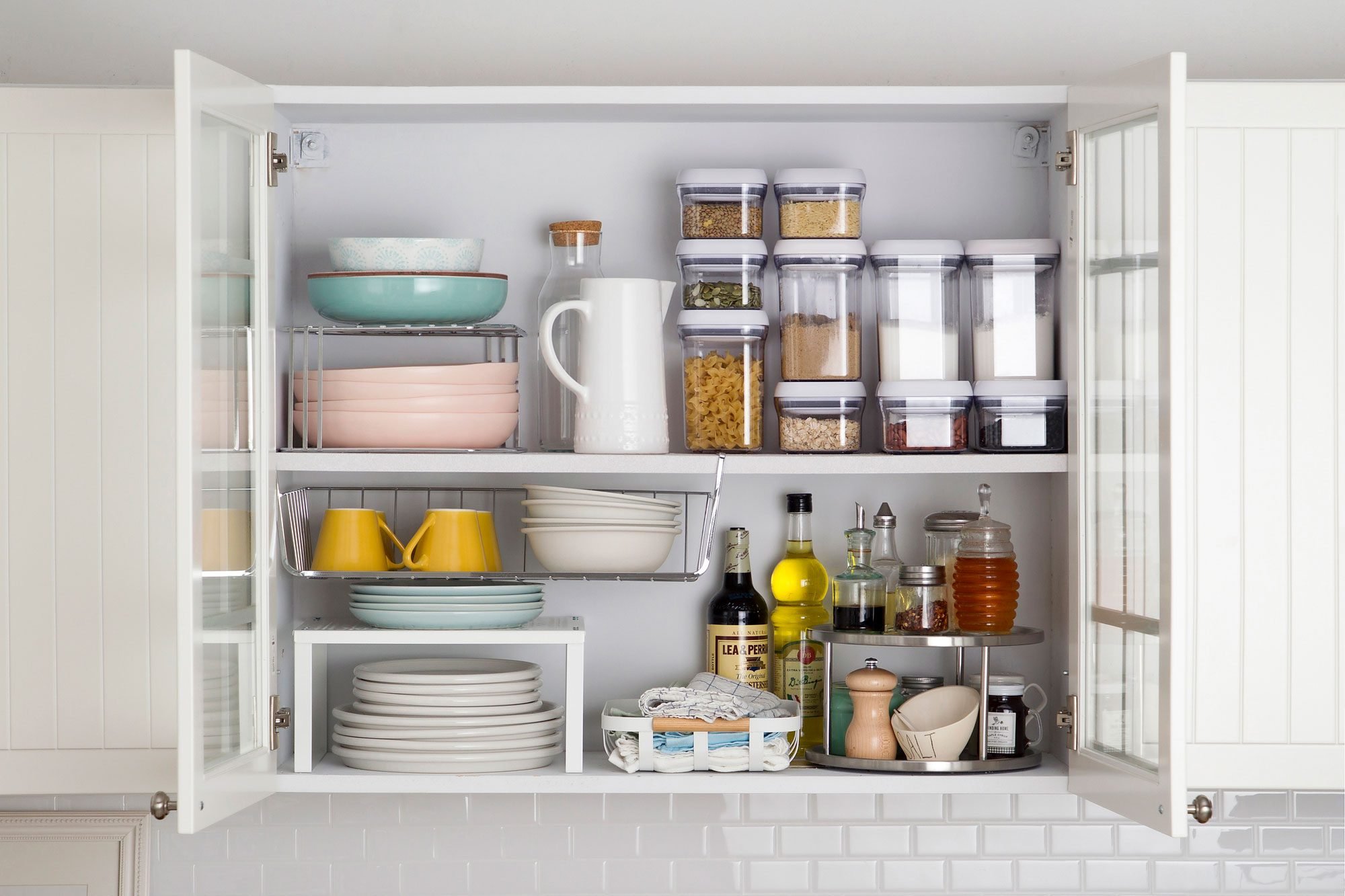
Credit: www.rd.com
Assessing Pantry Needs
Assessing Pantry Needs Identify essential items first to streamline your pantry cabinet. Categorize food groups for easy access and space-saving. Regularly check expiration dates and restock essentials to maintain an organized, efficient pantry.
Organizing your pantry cabinet begins with a critical first step: assessing your pantry needs. Understanding what you use, how often, and the limitations of your space can make all the difference. This process can transform a chaotic pantry into a streamlined, efficient space where everything has its place. But how do you determine what you truly need in your pantry?Identifying Essential Items
Begin by evaluating the items you use most frequently. A good starting point is to list the staples you can’t live without. These might include grains, oils, spices, or canned goods. Consider your typical meal prep routine. Do you often find yourself running to the store for that one missing ingredient? Keep track of those items—they’re essential. Think about your family’s dietary preferences. Are there specific snacks or ingredients that always need to be on hand? Prioritize these essentials to ensure your pantry supports your lifestyle.Understanding Space Limitations
Take a good look at your pantry’s physical space. Is it a walk-in, a small cabinet, or somewhere in between? Each has its unique set of challenges and opportunities. Measure your shelves and note any awkward corners or narrow spaces. This will help you determine which organizing tools, like bins or racks, can maximize your space. Keep in mind that less is often more. Overloading your pantry can lead to clutter and frustration. Focus on optimizing the space you have by storing items in a way that is both accessible and visually pleasing. Organizing your pantry is not just about tidying up; it’s about creating a system that works for you. What’s one small change you can make today that will make your pantry more functional tomorrow?Sorting And Categorizing
Organize your pantry cabinet by sorting items into categories like grains, snacks, and canned goods. Use clear labels and group similar products together for easy access. Keep frequently used items at eye level to simplify meal prep.
Sorting and categorizing items in your pantry cabinet brings order and efficiency. It saves time and reduces waste. Begin by examining every item. Consider its purpose, frequency of use, and expiry date. Once you have a clear view, it’s time to organize.Grouping Similar Items
Create clusters of similar items. Keep baking essentials together. Place spices in one area. Store canned goods in a separate section. This approach makes finding ingredients quick. It also helps in tracking inventory. You will know what you need to replenish and what you already have.Decluttering Unnecessary Products
Let go of expired or infrequently used products. Empty shelves of outdated goods. Donate items you won’t use. This process frees space. It also ensures that only fresh, relevant items remain. A clutter-free pantry is easier to maintain. It prevents confusion and promotes a cleaner look.Choosing Storage Solutions
Organize your pantry cabinet by using clear containers for easy visibility. Label each container to identify contents quickly. Arrange items by category for efficient access and storage.
Choosing the right storage solutions for your pantry can transform chaos into order. This process not only optimizes space but also ensures that everything is accessible and easy to find. Imagine opening your pantry and being greeted by a neatly organized space where every item has its place.Selecting Containers And Bins
Choosing the right containers and bins is crucial. Clear containers are a game-changer because they let you see exactly what’s inside without opening them. This visual clarity can save you time and reduce the likelihood of buying duplicates. Consider using airtight containers for dry goods like pasta, rice, and cereals. These not only keep your food fresh but also prevent unwanted pests. Bins with handles are great for grouping similar items together, making it easy to pull out and grab what you need. Think about your pantry’s layout. Are there deep shelves or narrow spaces? Choose containers that fit well within your available space to maximize efficiency.Utilizing Vertical Space
Maximize your pantry’s potential by using vertical space effectively. Stackable containers can make use of the height of your shelves, allowing you to store more in the same area. This is especially useful for smaller pantries where every inch counts. Consider installing shelf risers to create additional levels within your existing shelves. This can double the storage space for items like canned goods or jars. Using the back of the pantry door for extra storage is another smart solution. Hooks or hanging racks can hold lighter items like spices or snacks. Have you ever thought about how much space you’re not using above your shelves? Adding an extra shelf or using tall containers can help utilize this often-overlooked area. By choosing the right storage solutions, your pantry can become a well-organized haven where everything is easy to find and a pleasure to use. What creative storage solutions have you found helpful in your pantry?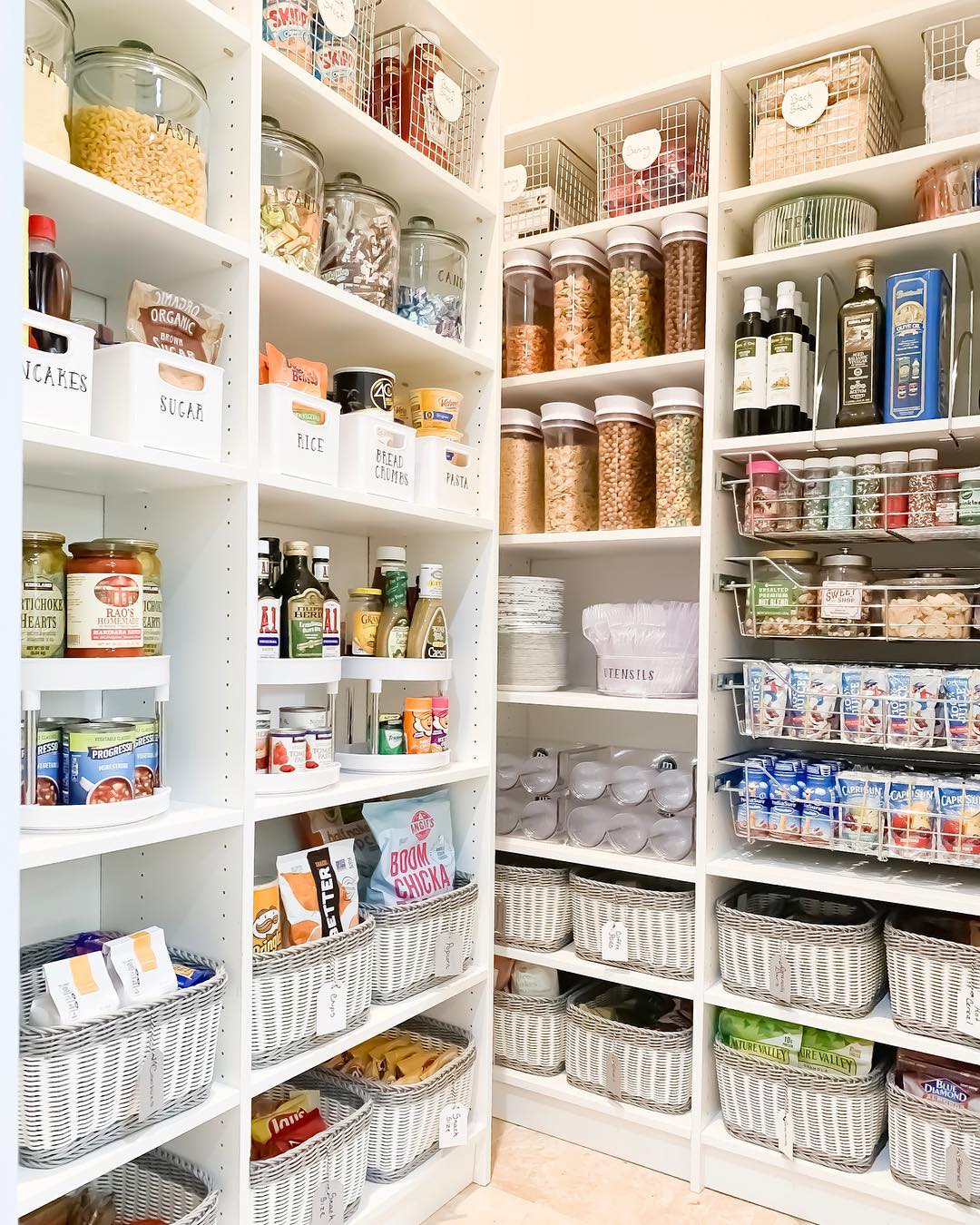
Credit: www.extraspace.com
Labeling For Efficiency
Labeling for Efficiency Organizing a pantry cabinet becomes easier with clear labels. Group similar items and mark each shelf. This helps you find things quickly and keeps your pantry tidy.
Labeling your pantry items is a simple yet effective way to boost organization and efficiency. It eliminates confusion, saves time, and ensures everyone in the household knows where to find things. But how do you craft labels that are both clear and consistent?Crafting Clear Labels
Clear labeling starts with choosing the right materials and design. Consider using waterproof labels if your pantry is prone to moisture. Keep text legible by using a simple font and a size that can be read from a distance. A label should include the item’s name and, if necessary, additional details like expiration dates or instructions. Think about the language you use. Should you label it ‘pasta’ or specify ‘spaghetti’? This is particularly important if you stock multiple variations of similar items.Maintaining Consistency
Consistency in labeling can make all the difference in maintaining an organized pantry. Use the same style, color, and size for all your labels to create a cohesive look. Decide on a labeling convention that works for your household. For instance, you might label all grains with a blue sticker and snacks with a green one. Regularly review your pantry to update labels as needed. Have you ever pulled out a jar, only to find its contents have changed but the label hasn’t? Keeping labels current helps avoid confusion. Labeling is not just about aesthetics; it’s about functionality. How do you ensure your pantry is as efficient as it is organized?Arranging For Accessibility
Organizing your pantry cabinet can make life easier in the kitchen. Arranging for accessibility helps you find items quickly. It also ensures your pantry is always neat. Let’s explore some ways to make your pantry more accessible.
Prioritizing Frequently Used Items
Place frequently used items at eye level. This makes them easy to reach. Store snacks, cereals, and spices in front. You won’t need to search through the entire pantry. Use clear containers for quick identification. Label each container for easy recognition. This saves time and reduces clutter.
Designating Zones For Specific Categories
Create zones for different food categories. Group similar items together. For example, keep baking supplies in one area. Store canned goods in another. This helps you find what you need without hassle. Use baskets or bins to separate zones. This keeps items organized and tidy. Consider using shelf dividers for extra organization.
Implementing Sustainable Practices
Organize your pantry cabinet by using clear containers and labels to reduce waste. Arrange items based on frequency of use for easy access. Adopt a “first in, first out” system to prevent expired goods.
Implementing sustainable practices in your pantry organization can significantly reduce your environmental impact while also saving you money and time. By focusing on eco-friendly solutions, you can create a pantry that supports a healthier planet and a more efficient household. Let’s dive into some actionable strategies for creating a sustainable pantry.Reducing Waste
Reducing waste starts with mindful purchasing. Buy only what you need, and plan meals to avoid excess. This not only helps the environment but also keeps your pantry clutter-free. Consider bulk buying for items you frequently use. Use glass jars or containers to store these goods, which also reduces the need for single-use packaging. Composting is another fantastic way to manage waste. Keep a small compost bin near your pantry for easy disposal of food scraps. You’ll be surprised at how much waste you can divert from landfills.Incorporating Reusable Solutions
Reusable solutions are key to a sustainable pantry. Swap out disposable bags for fabric or mesh alternatives, which can be used again and again. These bags are not only eco-friendly but also sturdy and reliable. Glass containers are a great investment. They are durable, easy to clean, and don’t leach harmful chemicals. Plus, they make it easy to see what you have, reducing the chance of double-purchasing. Think about the tools you use daily. Is there a single-use item you can replace with a reusable option? Perhaps a silicone baking mat instead of parchment paper, or beeswax wraps instead of plastic wrap. Small changes can make a big difference over time. By implementing these sustainable practices, you’ll create a pantry that not only meets your needs but also contributes positively to the environment. What changes will you make today?Maintaining Pantry Organization
Organize pantry cabinets by grouping similar items together. Use clear containers for easy identification and access. Regularly check expiration dates and keep frequently used items at eye level for convenience.
Maintaining Pantry Organization Keeping your pantry organized is not a one-time job, but an ongoing process. With the hustle and bustle of daily life, it’s easy for things to get out of place. However, by developing a maintenance routine, you can ensure that your pantry remains a functional and stress-free space.Regular Check-ups
Set aside time each month for a quick pantry check-up. Look for expired items and make note of what needs restocking. This habit ensures you always know what you have on hand, saving you time and money during grocery runs. Take a moment to tidy any sections that have become cluttered. You might find that your snacks or canned goods have migrated to new locations. Reorganizing these items can help restore order quickly.Adjusting Systems As Needed
Your pantry needs may change over time. Perhaps your family has developed a new fondness for a particular snack, or you’ve started cooking more at home. Adjust your storage systems to accommodate these changes. Don’t hesitate to swap out storage bins or add new shelves if necessary. The key is flexibility. An adaptable pantry can better serve your evolving needs and prevent chaos from creeping in. Ask yourself if the current organization still works for you. If you notice that certain items are consistently out of place, it may be time to rethink your system. Can you make small adjustments that will have a big impact?Enhancing Aesthetic Appeal
Organize your pantry cabinet by grouping similar items together for easy access. Use clear containers to display contents neatly, enhancing the aesthetic appeal. Label shelves for quick identification, creating a visually pleasing and functional space.
Enhancing the aesthetic appeal of your pantry cabinet can transform your kitchen. A well-organized pantry not only serves a functional purpose but also elevates your kitchen’s overall look. Making your pantry visually pleasing can inspire you to maintain its order. The key lies in balancing beauty with functionality.Incorporating Decorative Elements
Add decorative jars to store dry goods like pasta or grains. Glass containers showcase the contents while keeping them fresh. Use matching labels for a cohesive look. They help identify items quickly and add charm. Introduce baskets for an earthy touch. Choose wicker or wire to complement your style. These can hold snacks or bulky items. Consider adding a small framed print or chalkboard. It can display a menu or shopping list.Balancing Functionality And Style
Functionality should always meet style in your pantry. Arrange items by frequency of use, placing daily essentials at eye level. Use clear bins to group similar items together. This makes retrieval easy and keeps things tidy. Choose bins that complement your kitchen’s color scheme. Opt for open shelving to create a sense of space. This also allows easy access to your items. Keep a few decorative pieces to avoid a cluttered look. A plant or a small vase can add life.
Credit: www.facebook.com
Frequently Asked Questions
In What Order Should A Pantry Be Organized?
Start by sorting items by category. Place frequently used items at eye level. Store heavier items on lower shelves. Use clear containers for visibility. Label everything for easy identification.
What Are The 7 Pantry Zones?
Pantry zones include baking supplies, canned goods, dry goods, spices, breakfast items, snacks, and condiments. Organize each zone for easy access, ensuring items are clearly labeled. This setup maximizes pantry efficiency, making meal preparation quick and convenient. Keep frequently used items within reach for smoother kitchen operations.
How Do You Decide Where To Put Things In Kitchen Cabinets?
Organize kitchen items based on frequency of use, accessibility, and size. Store daily essentials within easy reach. Place heavier items on lower shelves and lighter ones higher. Keep similar items together for efficiency. Regularly assess and adjust as needed for optimal functionality and space utilization.
How Do I Group Items In My Pantry?
Organize pantry items by category: grains, canned goods, snacks, spices, and baking supplies. Use clear containers and labels. Place frequently used items at eye level for easy access. Regularly check expiry dates and adjust storage to ensure freshness. Rotate items to prevent waste and maintain order.
Conclusion
Organizing your pantry cabinet makes life simpler. Easy access to items saves time. Group similar products together for efficiency. Use clear containers for better visibility. Labels help in quick identification. Regularly check expiry dates to avoid waste. Keep frequently used items within reach.
Maintain order with periodic cleaning. Adjust shelves for optimal space use. Invest in storage solutions like baskets. A tidy pantry enhances kitchen functionality. Enjoy cooking more with everything organized. Start small and build your system gradually. A well-arranged pantry brings joy and convenience.

I’m Abby Lu, a passionate home cook who loves simplifying everyday meals. At PlugChef.com, I share product reviews and cooking guides to help you find the best tools for your kitchen.
Related posts:
 What Type of Cooking Utensils are Safe: Expert Picks
 What Innovations Could Blenders Make: Unleashing Future Tech
 Smart Strategies to Organize a Small Kitchen: Maximize Space
 How to Organize a Kitchen Cabinet: Expert Tips & Tricks
 How to Organize Kitchen Drawers: Expert Tips and Tricks
 How to Organize a Corner Kitchen Cupboard: Expert Tips