
Are you tired of opening your kitchen cabinets only to be greeted by a chaotic mess? In small spaces, every inch counts, and organizing your kitchen cabinets efficiently can transform your cooking area from cluttered to calm.
Imagine being able to find exactly what you need, when you need it, without the usual kitchen chaos. Sounds like a dream, right? But it doesn’t have to be. With a few clever strategies, you can make the most out of your limited space and enjoy a more organized and functional kitchen.
Whether you’re dealing with a tiny apartment kitchen or just want to make better use of your existing space, this guide is here to help. Let’s dive into practical tips and tricks that will revolutionize the way you use your kitchen cabinets, ensuring that every dish, pot, and gadget has its perfect place.
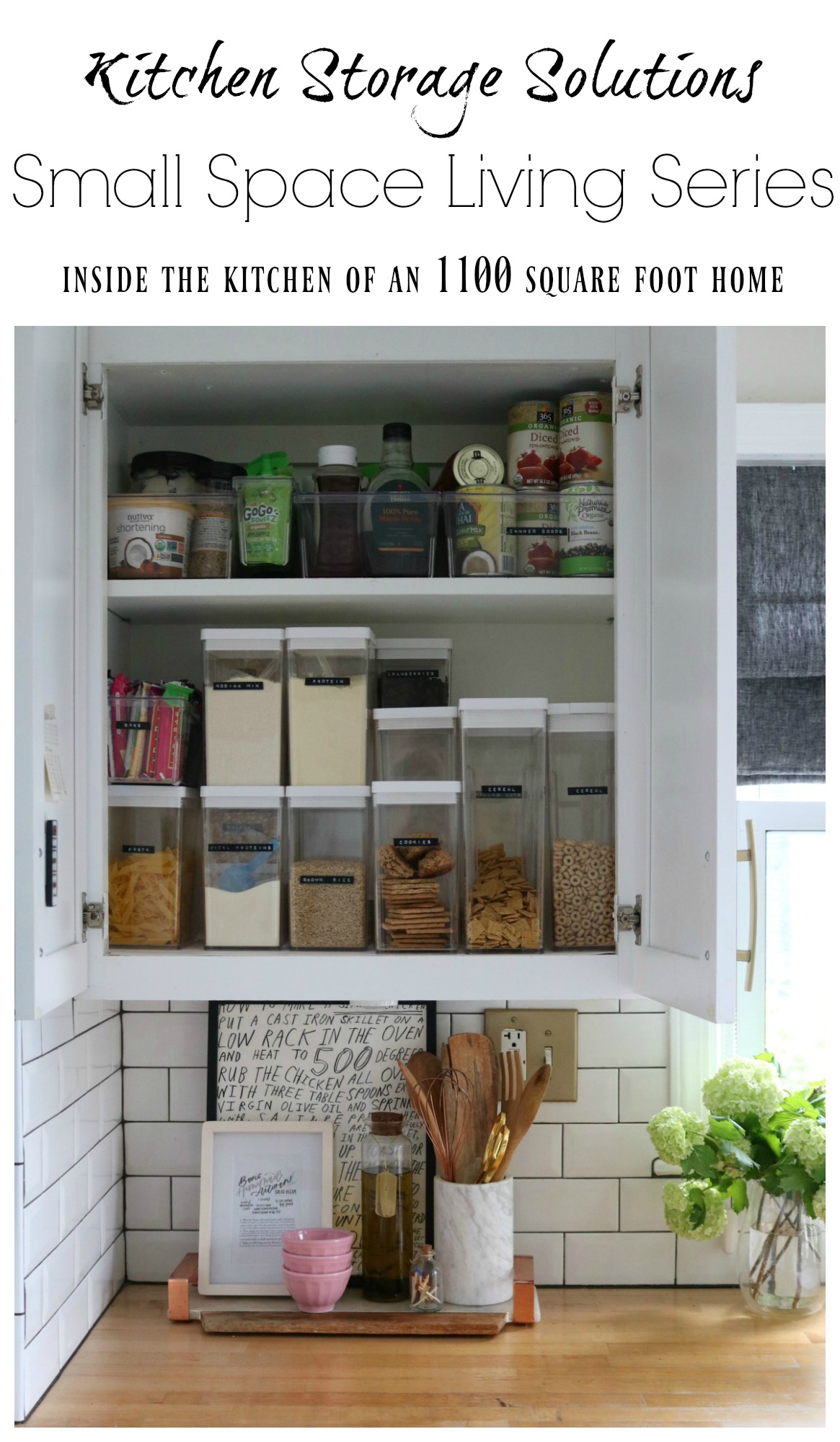
Credit: nestingwithgrace.com
How To Declutter Kitchen Cabinets
Organize kitchen cabinets in small spaces by sorting items by use and size. Place frequently used items within easy reach. Utilize stackable containers and shelf dividers to maximize storage.
Cluttered kitchen cabinets can be a real headache, especially in small spaces. Keeping them organized is crucial for a functional kitchen. With a few simple steps, you can transform your cabinets into a clutter-free zone. Let’s explore some effective ways to declutter your kitchen cabinets.
Assess Your Inventory Start by taking a good look at what’s inside your cabinets. This step is crucial to know what stays and what goes. – Check every item: Identify items you use often and those you rarely touch. – Discard expired goods: Throw away any expired food or ingredients.
– Evaluate duplicates: Keep only the necessary duplicates like mugs or bowls. Sort and Categorize Organizing items into categories can make your cabinets more efficient. Here’s how you can do it: – Group similar items: Keep baking supplies, spices, and snacks in separate sections.
– Use clear containers: Store items in clear bins for easy visibility and access. – Label shelves: Create labels for each category to maintain order. Maximize Vertical Space Utilize every inch of your cabinet space. Vertical space can be a game-changer in small kitchens.
Consider installing adjustable shelves or adding stackable racks. These additions make it easy to store more items without cluttering the space. Also, hooks on the inside of cabinet doors can hold small utensils or pot lids. Implement a Rotation System A rotation system ensures that all items are used before they expire.
– First-in, first-out: Use older items before newer ones. – Plan meals: Base meal planning on what’s already in the cabinets. – Regularly check stock: Keep an eye on items running low and restock as needed. Regular Maintenance Maintaining an organized kitchen requires routine attention.
Simple habits can make a big difference in keeping your cabinets tidy. Regularly clean and reorganize your cabinets. Set aside time each month for a quick clean-up. This practice helps in spotting expired items and rearranging misplaced goods. Organizing your kitchen cabinets might seem daunting, but with these tips, it becomes manageable.
How To Arrange Dishes In Kitchen Cabinets
Maximize space by stacking dishes vertically. Use adjustable shelves for flexibility. Group plates, bowls, and mugs together for easy access.
Arranging dishes in small kitchen cabinets can be tricky. But with smart strategies, you can make the most of your space. Here, we’ll explore efficient ways to stack and store your dishes, ensuring they are easy to access and neatly organized.
Use Stackable Dishware Choosing the right dishware can make a difference in storage: – Stackable Plates: These save space and fit neatly in cabinets. – Nesting Bowls: They fit inside each other, reducing space usage. – Uniform Sizes: Dishes of the same size stack more efficiently.
Prioritize Accessibility Position your dishes for easy access: Place frequently used items at the front. This saves time and effort when you need them. Less-used items should go at the back. This keeps your most-used dishes handy. Utilize Cabinet Height Maximize your cabinet’s vertical space: – Adjustable Shelves: These let you change shelf height for better fit.
– Shelf Risers: They create extra layers for stacking dishes. – Vertical Plate Holders: Store plates upright for easy access. Group by Type Organize dishes by their use: Keep similar items together. Plates with plates, bowls with bowls. This makes finding and grabbing items quicker and easier.
Grouping also helps in maintaining order. Consider Open Shelving Using open shelves can be practical: They offer quick access to dishes. Open shelves also encourage you to keep items tidy. Plus, they can add a decorative touch to your kitchen.
Just ensure items are neatly arranged.
How To Organize Pots And Pans In Cabinets
Maximize cabinet space by stacking pots and pans with lids on the side. Use adjustable racks to separate and keep them organized. Consider using hanging hooks for easy access and freeing up shelf space.
Finding the right way to store pots and pans in a small kitchen can transform your cooking experience. With limited space, smart organization becomes crucial. Let’s explore some effective methods for managing pots and pans within cabinets. Utilize Vertical Space Think vertically to maximize cabinet storage: – Stack pots: Place larger pots at the bottom, smaller ones on top.
– Use lid organizers: Keep lids tidy and accessible with vertical racks. – Hang hooks: Attach hooks inside cabinets for hanging pans. Implement Tiered Shelving Consider tiered shelving for better visibility: Adding tiered shelves helps organize pots and pans efficiently.
These shelves provide varied heights, making it easier to see and reach items. This method prevents stacking, which can cause clutter. Store Similar Items Together Grouping similar items simplifies cooking: – Separate by type: Keep pans and pots in different sections.
– Match by size: Align similar-sized pots for easy stacking. – Use dividers: Place dividers to keep stacks stable. Optimize Cabinet Doors Don’t overlook cabinet doors for storage opportunities: Attaching organizers to cabinet doors can save space. You can store lids or small pans on the inside of the doors.
This method helps utilize every inch of your kitchen cabinet effectively. Use Pull-Out Drawers Pull-out drawers offer easy access: – Install sliding drawers: Easily reach pots without moving others. – Designate spaces: Assign spots for specific items to avoid confusion.
– Label sections: Use labels for quick identification of pots and pans. Experiment with Nesting Techniques Nesting can save significant space: Try nesting pots and pans by size. Smaller ones fit neatly inside larger ones. This technique reduces clutter and keeps your kitchen organized.
How To Maximize Kitchen Cabinet Space
Maximize kitchen cabinet space by using shelf risers and stackable containers. Install hooks inside doors for utensils. Arrange items by frequency of use to save time and create an organized look in small spaces.
A cluttered kitchen can feel overwhelming, especially in tight spaces. Maximizing cabinet space is the key to a tidy and efficient kitchen. With smart strategies, you can make every inch count, transforming your kitchen into a functional space. Utilize Vertical Space Think vertically when organizing cabinets.
Use stackable shelves and risers to create more layers. This approach can help you maximize storage and keep things organized. – Stackable shelves: Create more layers for storing plates and bowls. – Cabinet risers: Elevate items and free up space below them.
– Hooks on cabinet doors: Hang mugs or utensils for easy access. Choose Adjustable Shelving Adjustable shelving is a game-changer for small kitchens. It lets you customize the space according to your needs. You can move shelves up or down to fit tall or short items.
Group Similar Items Together Grouping similar items together can streamline your kitchen routine. It makes finding things easier and keeps your cabinets tidy. – Categorize by function: Store baking items separately from cooking supplies. – Use baskets or bins: Keep small items like spices or packets together.
– Label containers: Ensure you can quickly identify what’s inside. Use Drawer Dividers Drawer dividers are essential for organizing small kitchen spaces. They can help you separate utensils and keep drawers neat. Store Lesser-Used Items Higher Up Place items you rarely use on higher shelves.
This frees up accessible space for daily essentials. Keep seasonal items or rarely-used gadgets at the top.
How To Organize Kitchen Cabinets On A Budget
Organizing kitchen cabinets in small spaces can be affordable. Utilize shelf risers and stackable bins to maximize storage. Group similar items together for easy access.
Living in a small space often means getting creative with storage. Organizing kitchen cabinets on a budget can seem challenging, but it’s entirely doable. With some clever strategies, you can maximize your storage and keep your kitchen clutter-free. Use Affordable Shelf Organizers Shelf organizers can make a big difference.
They help utilize vertical space: – Wire racks: Perfect for stacking dishes and pots. – Cabinet door organizers: Store lids or spices without taking up shelf space. – Tension rods: Divide cabinet areas for better storage of cutting boards and baking sheets.
Repurpose Household Items You don’t always need to buy new items. Look around your home for potential storage solutions: – Jars and containers: Use for storing dry goods like pasta or rice. – Magazine holders: Ideal for organizing plastic wraps and foil.
– Baskets and bins: Group similar items together for easy access. DIY Solutions Creating your own organizers can save money. Plus, it’s a fun project: – Cardboard dividers: Cut and fit them to keep utensils or lids organized. – Hanging baskets: Attach to the inside of cabinet doors for extra storage.
– Pegboards: Install inside cabinets to hang measuring spoons or small tools. Stick to a Minimalist Approach Sometimes less is more. Decluttering can create the illusion of more space: – Keep only what you need: Donate or sell items you rarely use.
– Group by frequency: Store frequently used items at eye level. – Use clear containers: Instantly see contents and avoid duplicates. Utilize Vertical Space Don’t overlook the potential of vertical storage: – Stackable shelves: Double the storage in a single cabinet.
– Hooks under shelves: Hang mugs or small pots. – Over-the-cabinet racks: Store cutting boards or trays without taking up shelf space. Embrace these strategies to make the most of your small kitchen on a budget.
How To Store Appliances In Kitchen Cabinets
Maximize cabinet space by arranging appliances based on size and frequency of use. Place everyday items within easy reach, while storing less-used gadgets in higher cabinets. Utilize stackable shelves and organizers to efficiently use vertical space, keeping the kitchen neat and accessible.
Organizing kitchen cabinets can be a real challenge, especially in small spaces. But with the right strategy, storing appliances becomes easier. Proper storage not only saves space but also keeps your kitchen tidy. Let’s explore some clever ways to store appliances in your cabinets.
Utilize Vertical Space Vertical space is often overlooked. Make the most of it to store appliances. – Stackable shelves: Add stackable shelves to use vertical space effectively. – Adjustable racks: Use adjustable racks to customize height for various appliances. – Over-the-door hooks: Hang lightweight appliances using hooks on cabinet doors.
Group Similar Appliances Grouping appliances helps maintain order and accessibility. – Categorize by use: Store similar appliances together based on their usage. – Label shelves: Label shelves or bins for easy identification. – Use dividers: Place dividers to separate different categories of appliances.
Invest in Pull-Out Drawers Pull-out drawers are a smart investment for better accessibility. Pull-out drawers make reaching appliances easy and efficient. They allow you to access items without disturbing the whole cabinet. Consider installing these drawers to simplify storage. Use Transparent Storage Bins Transparent bins provide visibility and organization.
– Easy identification: Clear bins help identify appliances quickly. – Stackable design: Stack bins to maximize cabinet space. – Lightweight material: Choose bins that are easy to move and clean. Consider Appliance Size Consider size for optimal storage. Some appliances are bulky, while others are compact.
Store larger appliances at the back and smaller ones at the front. This arrangement ensures easy access and efficient use of space.
How To Organize Corner Kitchen Cabinets
Maximize corner kitchen cabinets by using lazy Susans or pull-out shelves. Store rarely-used items in deeper areas. Keep frequently-used items at the front for easy access.
Organizing corner kitchen cabinets can seem daunting. Their unique shape often leads to wasted space. Yet, with the right approach, they can become a storage haven. Let’s explore some clever ways to maximize these tricky spots. Utilize Lazy Susans Lazy Susans can be lifesavers for corner cabinets.
They make it easy to access items without reaching deep into the cabinet. – Easy Access: Items are within reach with a simple spin. – Space Efficiency: Use the entire space, even the back corners. – Versatility: Suitable for small jars, spices, and canned goods.
Install Pull-Out Shelves Pull-out shelves offer a practical solution for corner cabinets. They transform hard-to-reach areas into accessible storage. – Effortless Reach: Slide out shelves bring items to you. – Customizable Options: Choose different heights for various items. – Improved Organization: Keep everything in order and visible.
Use Corner Cabinet Organizers Specialized organizers are designed to fit corner spaces. They help categorize and separate items for better arrangement. – Tiered Design: Multiple levels for storing different types of items. – Adjustable Shelves: Change the height to fit tall or short containers.
– Sturdy Construction: Supports heavier cookware and dishes. Consider Diagonal Drawers Diagonal drawers are an innovative way to use corner cabinets. They provide a unique approach to storage in these spaces. Diagonal drawers make use of the entire corner space.
They offer a practical and stylish storage solution. – Unique Design: Fits snugly into corner spaces. – Easy to Access: Items are more accessible than in regular cabinets. – Aesthetic Appeal: Adds a modern look to your kitchen. Store Less-Used Items Corner cabinets can store items you use less often.
This keeps your frequently needed items within easy reach elsewhere. – Seasonal Kitchenware: Store holiday-themed dishes or baking supplies. – Bulky Appliances: Keep large appliances that don’t fit elsewhere. – Special Occasion Items: Place items used only for special events here.
With these strategies, corner kitchen cabinets can become highly functional. No more wasted space or hard-to-reach items. Enjoy an organized and efficient kitchen!
How To Keep Kitchen Cabinets Organized
Efficiently organize kitchen cabinets in small spaces by using stackable containers and shelf risers. Arrange items by frequency of use, placing daily essentials within easy reach. Utilize cabinet doors for additional storage with hooks or small racks.
Organizing kitchen cabinets in a small space can feel like a puzzle. But with a few smart strategies, you can maximize your storage and maintain order. Here are some tips to keep your kitchen cabinets neat and tidy. Group Similar Items Together Start by grouping similar items.
This makes finding things quicker and keeps everything in its place. – Pantry goods: Keep all canned and dry goods together. – Cooking utensils: Place spatulas, spoons, and ladles in one area. – Baking supplies: Store baking sheets, mixing bowls, and measuring cups together.
Use Vertical Space Vertical space is often overlooked in cabinets. It’s an easy way to create more room. – Stackable shelves: Add these to create more levels for storage. – Hooks: Use them for hanging mugs or lightweight pots. – Tension rods: Ideal for storing cutting boards or baking sheets upright.
Label Everything Labels are a simple tool to maintain order. They make it easy to find and return items to their spot. Use Bins and Containers Using bins can help to keep your cabinets organized. They group items together and prevent clutter.
– Clear bins: Allow you to see contents at a glance. – Stackable containers: Optimize space by stacking them neatly. – Baskets: Great for storing larger, bulkier items. Rotate Items Regularly Regular rotation helps keep your cabinets tidy. It also ensures you use items before they expire.
– Check dates: Move older items to the front. – Seasonal items: Store them in the back when not in use. – Weekly check: Spend a few minutes each week tidying up. Invest in Door Storage The inside of cabinet doors offers additional storage space.
Utilize it to keep small items organized. Keep Essentials Accessible Make sure frequently used items are easy to reach. This saves time and keeps you organized. – Everyday dishes: Store them at eye level. – Cooking oils and spices: Place these near the stove.
– Cleaning supplies: Keep them under the sink for easy access. By following these tips, your small kitchen can feel more spacious and efficient.
How To Organize Kitchen Cabinets For Baking
Arrange baking tools and ingredients within easy reach for efficient use of small kitchen spaces. Utilize stackable containers and clear bins to maximize cabinet storage. Label everything for quick access and maintain order.
Organizing kitchen cabinets can be a fun puzzle to solve. Especially when space is limited. For baking enthusiasts, having a tidy space means easier access to all your tools and ingredients. Create Dedicated Zones Think about grouping items by purpose.
This helps in keeping things organized. – Baking essentials: Keep flour, sugar, and baking soda together. Use clear containers to see what’s inside. – Tools and gadgets: Store mixers, whisks, and spatulas in one area. Consider hanging them on hooks or placing them in a drawer.
– Bakeware: Stack pans, trays, and molds neatly. Use vertical dividers to maximize space. Utilize Vertical Space Vertical space is often overlooked. It can be a game-changer in small kitchens. – Shelving: Install shelves to hold jars and containers. This frees up counter space.
– Hooks: Use hooks on cabinet doors for measuring cups and spoons. Keep them within easy reach. – Tiered racks: Use tiered racks for spices and extracts. This makes them easier to find. Optimize Drawer Organization Drawers can become messy quickly.
Use organizers to keep things tidy. – Drawer dividers: Divide drawers for different tools. This prevents items from mixing. – Labels: Label drawer sections for quick access. This helps family members find things easily. – Stackable trays: Use stackable trays for small items.
This saves space and keeps things visible. Smart Storage Solutions Smart storage is key in small spaces. Find creative ways to store your items. – Lazy Susans: Use Lazy Susans for oils and sprays. They make reaching items easy. – Pull-out shelves: Consider pull-out shelves for deep cabinets.
These provide easy access to items at the back. – Cabinet door organizers: Use organizers on cabinet doors for small gadgets. This keeps them out of the way but accessible.
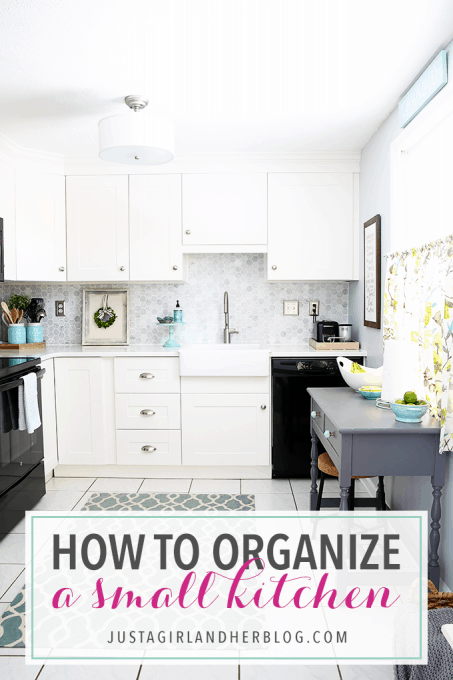
Credit: justagirlandherblog.com
Frequently Asked Questions
How Do You Decide Where To Put Things In Kitchen Cabinets?
Organize kitchen cabinets by frequency of use. Place everyday items at eye level and near the workspace. Store heavier items on lower shelves and lighter items higher. Group similar items together, like spices or baking supplies. Ensure easy access to essentials to improve efficiency.
How To Organize A Kitchen With Little Cabinet Space?
Use vertical space with hanging racks and shelves. Opt for stackable containers and multi-purpose tools. Declutter regularly to maximize space. Label jars and containers for easy access. Utilize drawer dividers for better organization.
Which Kitchen Layout Is Best For Small Spaces?
The galley kitchen layout suits small spaces best. It maximizes efficiency with parallel countertops, utilizing vertical space. This design ensures easy movement and access to appliances, making it ideal for compact areas. Optimize storage with clever solutions like pull-out cabinets and wall-mounted racks for a functional, clutter-free kitchen.
What Are The 10 Steps For Organizing Kitchen Cabinets?
1. Empty all cabinets. 2. Clean shelves thoroughly. 3. Categorize items by type. 4. Discard expired goods. 5. Use organizers and bins. 6. Store frequently-used items at eye level. 7. Place heavy items lower. 8. Label storage containers. 9. Utilize vertical space.
10. Adjust as needed for efficiency.
Conclusion
Organizing kitchen cabinets in small spaces can feel challenging. But with smart planning, you can maximize every inch. Start by decluttering and removing what you don’t need. Arrange dishes neatly to save space. Use shelves and dividers to stack pots and pans.
Consider budget-friendly solutions like baskets and hooks. Store appliances you use less frequently in harder-to-reach spots. For corner cabinets, use lazy Susans or pull-out racks. Keep baking essentials together for easy access. Regularly revisit your setup to maintain order. With these tips, your small kitchen can be efficient and tidy.
Enjoy your organized space!

I’m Abby Lu, a passionate home cook who loves simplifying everyday meals. At PlugChef.com, I share product reviews and cooking guides to help you find the best tools for your kitchen.
Related posts:
 What Type of Cooking Utensils are Safe: Expert Picks
 What Innovations Could Blenders Make: Unleashing Future Tech
 Smart Strategies to Organize a Small Kitchen: Maximize Space
 How to Organize a Kitchen Cabinet: Expert Tips & Tricks
 How to Organize Kitchen Drawers: Expert Tips and Tricks
 How to Organize a Corner Kitchen Cupboard: Expert Tips