
Is your pantry a chaotic mess where you can never find what you need? You’re not alone.
Many people struggle with organizing their deep pantries, leading to frustration and wasted time. Imagine opening your pantry and instantly finding exactly what you’re looking for, every single time. Sounds like a dream, right? With a few simple strategies, you can transform that overwhelming space into a model of efficiency and order.
You’ll discover practical tips to streamline your pantry and make your life easier. Get ready to turn clutter into clarity and chaos into calm. Are you ready to dive in and reclaim your pantry? Let’s get started.
Credit: www.thinkoutsidetheclosethouston.com
Benefits Of A Well-organized Pantry
How to Organize a Deep Pantry A well-organized pantry saves time and reduces stress. Group similar items together for easy access. Use clear containers to spot ingredients quickly. Keep frequently used items at the front. Labels help maintain order. Maximize space with shelf risers and baskets.
Enjoy a clutter-free cooking experience.
Organizing a deep pantry offers numerous advantages. It transforms your cooking and grocery shopping experience. A tidy pantry enhances meal preparation, saves time, and reduces waste. It makes it easier to find ingredients and keeps your food fresher longer. A well-organized pantry also improves kitchen aesthetics and creates a more functional cooking space.Improved Meal Preparation
A neat pantry speeds up meal prep. You quickly find what you need. It helps you plan meals efficiently and reduces stress during cooking.Time Savings
A structured pantry saves time. You spend less time searching for items. You avoid buying duplicates and streamline grocery shopping.Reduced Food Waste
Organizing your pantry cuts down on waste. You use ingredients before they expire. You can see what you have and plan meals accordingly.Enhanced Kitchen Aesthetics
A tidy pantry boosts kitchen appeal. It creates a clean, inviting space. It adds to the overall aesthetic of your kitchen.Increased Functionality
An orderly pantry enhances kitchen functionality. It allows you to cook efficiently. You have everything you need at your fingertips.Assessing Your Pantry Space
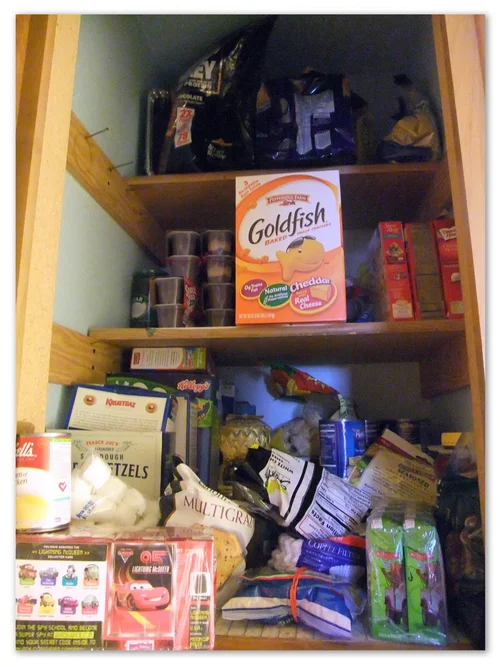
Organizing a deep pantry can be a daunting task, but it all begins with assessing your space. Understanding what you have and what you need is crucial. This step helps you streamline your efforts and avoid unnecessary clutter. Imagine opening your pantry and finding everything neatly arranged and easy to access. Isn’t that a dream worth achieving? Let’s dive into how you can evaluate your pantry space effectively.
Evaluate Storage Needs
Start by taking a thorough inventory of what you currently store in your pantry. Are there items you haven’t used in months? Identify what you use frequently and what you could potentially discard or donate.
Consider how often you shop for groceries. If you buy in bulk, ensure your pantry can accommodate large quantities without turning into a chaotic mess.
Think about your lifestyle and cooking habits. Do you enjoy experimenting with new recipes? You might need space for diverse ingredients. Tailoring your storage to your habits can make cooking more enjoyable.
Measure Available Space
Grab a measuring tape and get to work. Measure the height, width, and depth of your pantry. Knowing the exact dimensions is vital for purchasing organizers or shelving that fits perfectly.
Look for any awkward corners or unused spaces. These areas might be perfect for storing small items or adding custom shelving solutions.
Consider vertical space. Can you stack items or add a tiered organizer to maximize storage? Often, pantries have more vertical space than we realize, opening up new possibilities for efficient storage.
With a clear understanding of your storage needs and available space, you’re on your way to a well-organized pantry. What’s the most surprising thing you’ve discovered in your own pantry assessments? It might just be the key to unlocking a more functional space.
Categorizing Pantry Items
Organizing a deep pantry can feel like a big task. A key step in this process is categorizing pantry items. This makes finding and accessing what you need much easier. Proper categorization can also help avoid food waste and save time. Below, explore effective ways to categorize items in your pantry.
Group Similar Foods
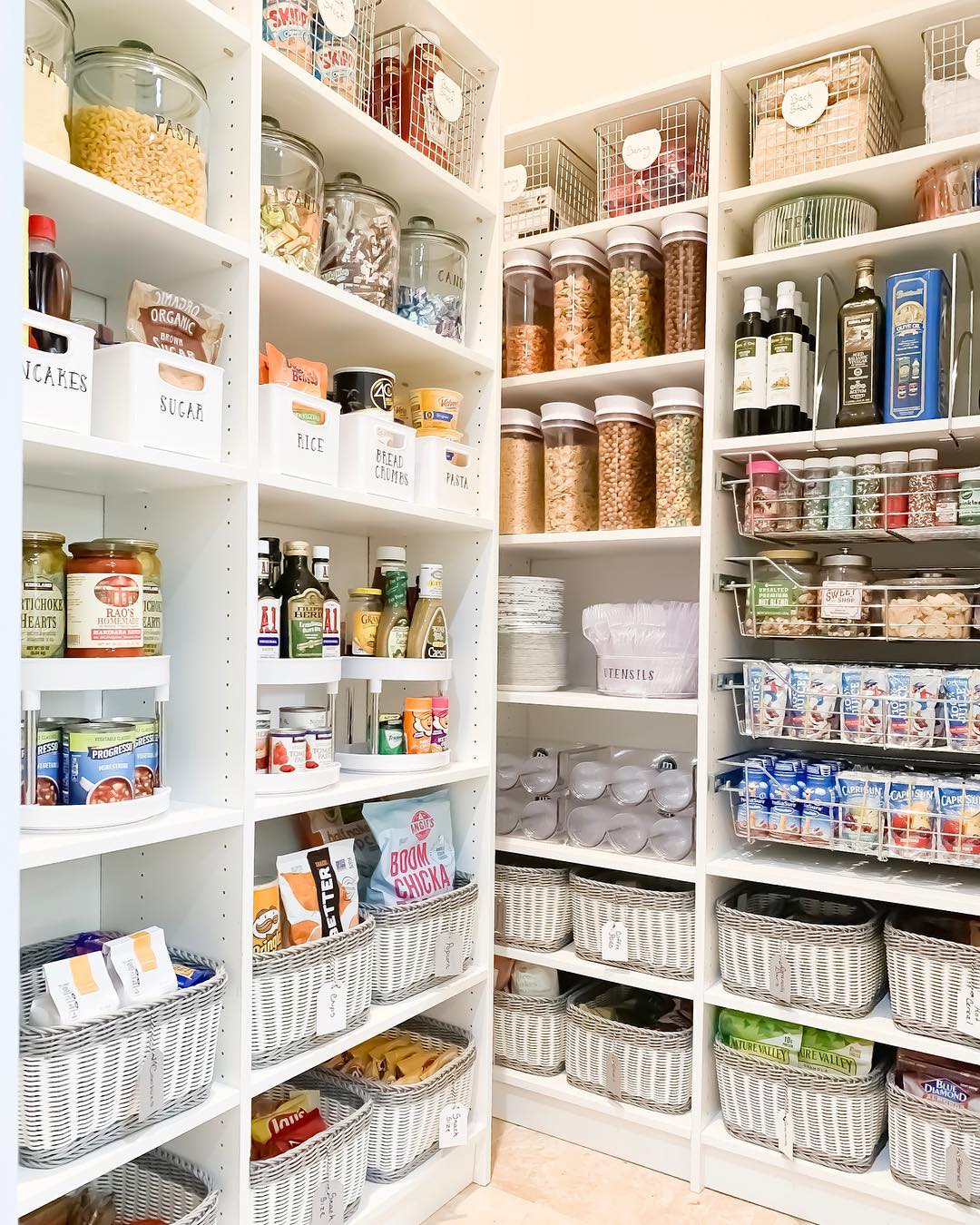
Begin by grouping similar foods together. Place canned goods in one section. Sort them by type, like soups, vegetables, and fruits. Keep grains, pasta, and rice in another area. Use clear containers for visibility. This helps prevent purchasing duplicates. For snacks, dedicate a shelf or basket. Keep all snack items there for easy access. Grouping similar items saves time and keeps your pantry neat.
Identify Non-food Supplies
A pantry often holds more than just food. Identify non-food supplies stored there. These may include paper towels or cleaning products. Designate a specific area for these items. Use bins or baskets to keep them organized. Label each container to avoid confusion. This prevents mixing food with non-food items. Properly organizing these supplies can make your pantry more functional.
Credit: www.extraspace.com
Choosing The Right Storage Solutions
Organize a deep pantry efficiently by utilizing stackable containers and clear bins. Arrange items by category for easy access and visibility. Label shelves and containers to streamline your search for ingredients.
Organizing a deep pantry can transform your kitchen into a more efficient and enjoyable space. The key to conquering this task lies in choosing the right storage solutions that maximize space while keeping everything accessible. It’s not just about making the pantry look neat; it’s about creating a system that works for you and your household.Selecting Containers
Choosing containers isn’t just about aesthetics. Think about the functionality each type offers. Clear containers let you see what’s inside at a glance, helping prevent items from getting lost in the abyss of your pantry. Consider using stackable containers to make the most of vertical space. They help create a uniform look and make it easier to keep track of inventory. Airtight containers are also a great investment, especially for dry goods like flour and sugar, ensuring freshness and reducing waste.Utilizing Shelving Options
Shelves can be a game changer in a deep pantry. Adjustable shelves allow you to customize the space according to your needs. Have you considered pull-out shelves? They make accessing items at the back a breeze, saving you from the dreaded pantry dive. Floating shelves can also add a touch of style while providing extra storage. They are perfect for storing frequently used items, keeping them within easy reach. Think about the height and depth of the shelves to ensure they accommodate your biggest items.Incorporating Baskets And Bins
Baskets and bins are your pantry’s best friends. They help group similar items together, making it easier to find what you need quickly. Imagine opening your pantry to find all your snacks in one basket, neatly organized and accessible. Labeling bins can further enhance organization. It eliminates guesswork and helps everyone in the household know where things belong. Consider using bins with handles for easy pull-out access, especially for heavier items or those stored on higher shelves. Choosing the right storage solutions involves understanding your pantry’s unique needs. Think about how you use your space and what would make your pantry work better for you. Is your current setup hindering your cooking efficiency? Maybe it’s time for a storage solution upgrade.Labeling For Easy Access
Labeling your pantry helps you find items quickly. A deep pantry can feel overwhelming without labels. Proper labeling turns chaos into order. It makes cooking and grocery shopping easier. Labels save you time and reduce stress. Let’s explore how to create effective labels.
Creating Clear Labels
Start by choosing the right label material. Sticky labels work best on jars and cans. Use waterproof labels for items in moist areas. Write clear, legible names on each label. Use a bold, simple font for visibility. Avoid tiny, decorative fonts that can be hard to read.
Include expiration dates on labels. Marking expiration dates prevents food waste. Place labels at the front for easy viewing. Ensure labels are consistent across all items. Consistency enhances efficiency and clarity.
Using Color-coded Systems
Color coding helps categorize items quickly. Assign colors to different food types. For example, use red for spices and green for grains. Color coding aids in quick identification. It helps you locate items without reading each label.
Use high-contrast colors for better visibility. Bright colors stand out against pantry backgrounds. Test color combinations for readability. Choose colors that are easy on the eyes. Color coding adds a visual element to organization.
Maximizing Deep Shelves
Deep shelves in a pantry can be challenging. Items often get lost in the back. Maximizing the space requires smart strategies. With the right techniques, you can easily access everything. This section explores effective ways to make deep shelves work for you.
Employing Lazy Susans
Lazy Susans are perfect for deep shelves. They rotate, offering easy access to items. Place one in the center of the shelf. Store spices, sauces, or small containers on it. Spin the Lazy Susan to reach items in the back. This prevents clutter and keeps everything visible.
Stacking Techniques
Stacking efficiently saves space. Use clear containers to stack items. This keeps contents visible. Label each container for easy identification. Stack larger items at the back. Place smaller items in front. This creates a tiered effect. It helps you see and reach everything.
Maintaining Pantry Organization
Organizing a deep pantry can make finding items easier. Start by grouping similar products together. Use clear bins or baskets to help see what’s inside. Labels can ensure everything goes back in the right place. Regularly check and rearrange to maintain order.
Maintaining pantry organization is key to a well-functioning kitchen. A clutter-free pantry saves time and reduces stress. With simple habits, you can keep your pantry neat and tidy. Regular checks and seasonal updates are essential. These practices ensure your pantry stays organized. Let’s explore how to maintain your pantry’s order.Regular Inventory Checks
Regularly checking your pantry is important. It helps you know what you have. This prevents buying duplicates. Make a list of items you use often. Check this list every month. Remove expired items. Place them in a separate bin. This keeps shelves tidy and safe.Seasonal Reorganization
Seasons bring changes in cooking habits. Organize your pantry to match these changes. In summer, keep grilling spices within reach. In winter, bring baking ingredients forward. Rotate items based on season. This makes it easy to find what you need. It also keeps your pantry fresh and organized.
Credit: savvyandsorted.com
Expert Tips For Long-term Success
Organizing a deep pantry for long-term success involves strategic planning and efficient use of space. Group similar items together and label shelves clearly for easy access. Regularly check expiration dates and rotate stock to keep everything fresh and usable.
Organizing a deep pantry is more than just stacking cans and boxes. It’s about creating a system that evolves over time, ensuring long-term success. By incorporating expert tips, you can keep your pantry efficient and adaptable to your lifestyle. Let’s dive into some actionable insights that can help you maintain a well-organized pantry for years to come.Adapting To Changing Needs
Life is dynamic, and so are your pantry needs. As your family grows or dietary preferences shift, your pantry should accommodate these changes. Regularly evaluate what’s in your pantry and adjust the layout to suit current habits. Consider dedicating a section for items you frequently use. If your family suddenly loves a new cereal, make it easily accessible. This approach reduces clutter and makes meal prep more efficient.Incorporating New Trends
Trends in food and storage solutions can impact how you organize your pantry. Stay informed about new pantry storage ideas that can maximize space. Whether it’s stackable containers or rotating shelves, new tools can transform your pantry’s functionality. Embrace trends that align with your needs. A friend of mine recently switched to glass jars for storing grains and found it not only saved space but also kept food fresher. What small change can you make today that will make a big difference? By staying flexible and open to new ideas, your pantry can remain an effective and enjoyable part of your home.Frequently Asked Questions
How To Maximize Space In A Deep Cabinet?
Use stackable bins and lazy susans for easy access. Install pull-out shelves and vertical dividers. Group similar items together. Utilize clear containers for visibility. Organize by frequency of use. Maintain cleanliness for better space management.
What To Do With Cabinets That Are Too Deep?
Use pull-out shelves to access items easily in deep cabinets. Install a lazy Susan for corner cabinets. Store less-used items at the back and frequently-used ones at the front. Utilize cabinet organizers for better arrangement. Consider custom solutions for optimized storage.
How To Fix A Pantry That Is Too Deep?
Install pull-out shelves for easy access. Use bins or baskets to categorize items. Add lighting to improve visibility. Place frequently used items at the front. Consider using a step stool for higher shelves.
What Are The 7 Pantry Zones?
The 7 pantry zones are baking, breakfast, snacks, canned goods, grains and pasta, spices and seasonings, and beverages. Organizing these zones helps streamline cooking and inventory management, enhancing kitchen efficiency.
Conclusion
A well-organized pantry makes life easier. You find items quickly. Less food goes to waste. You save money. It feels satisfying. Start by grouping similar items together. Use labels. Clear containers help see contents. Keep heavy items on lower shelves.
Rotate stock regularly. Remember, a tidy space boosts your mood. A little effort goes a long way. Enjoy the benefits of an orderly pantry. Cooking becomes more fun. Your kitchen stays clutter-free. Small changes make a big difference. Happy organizing!

I’m Abby Lu, a passionate home cook who loves simplifying everyday meals. At PlugChef.com, I share product reviews and cooking guides to help you find the best tools for your kitchen.
Related posts:
 What Type of Cooking Utensils are Safe: Expert Picks
 What Innovations Could Blenders Make: Unleashing Future Tech
 Smart Strategies to Organize a Small Kitchen: Maximize Space
 How to Organize a Kitchen Cabinet: Expert Tips & Tricks
 How to Organize Kitchen Drawers: Expert Tips and Tricks
 How to Organize a Corner Kitchen Cupboard: Expert Tips