

Imagine opening your closet pantry to find every item neatly arranged and easy to locate. Sounds like a dream, right?
The reality is, with the right techniques, this dream can become your everyday experience. You might feel overwhelmed by the clutter in your pantry, but you’re not alone. Many people struggle with keeping this small yet vital space organized. The good news is, organizing your closet pantry doesn’t have to be a daunting task.
By following some simple steps, you can transform it into a well-organized space that not only looks good but also functions efficiently. Curious to learn how you can achieve this transformation with ease and perhaps even a bit of fun? Stick around, and discover the secrets that will revolutionize how you use your pantry space.
Decluttering Essentials
Organizing a closet pantry can transform a chaotic space into a streamlined storage haven. The first step in this transformation is decluttering, which involves making decisions about what items deserve prime pantry real estate. Decluttering essentials help you create space, maintain order, and ultimately simplify your life. Let’s dive into the key aspects of this process.
Sorting And Categorizing Items
Begin by pulling everything out of your pantry. Seeing all the items laid out can be overwhelming, but it’s crucial for a thorough sort. Categorize them into groups such as canned goods, snacks, baking supplies, and spices. When you see duplicates or items hiding at the back, you’ll realize why sorting is vital.
Consider using clear bins or baskets to keep similar items together. This not only helps in finding things quickly but also keeps the pantry looking tidy. Labeling these containers adds an extra layer of organization and makes it easier for everyone to maintain order.
Deciding What To Keep Or Discard
Now comes the tough part: deciding what stays and what goes. Ask yourself, “When was the last time I used this?” If it’s been months or years, it might be time to let it go. Check expiration dates and toss out anything past its prime.
Keep items that your family uses regularly. Think about whether you have space for all the items you want to keep. Sometimes holding onto less means gaining more usable space and ease of access.
Donating And Recycling Options
Before you discard items, consider whether they can be donated. Local food banks often welcome non-perishable goods. This can be a fulfilling way to declutter while helping others.
For items that can’t be donated, look into recycling options. Many communities offer recycling for glass, cardboard, and certain plastics. This not only reduces waste but also supports environmental sustainability.
Decluttering your closet pantry can be a rewarding project. What will you learn about your shopping habits in the process? By taking small steps, you can make a big impact in your home and community.
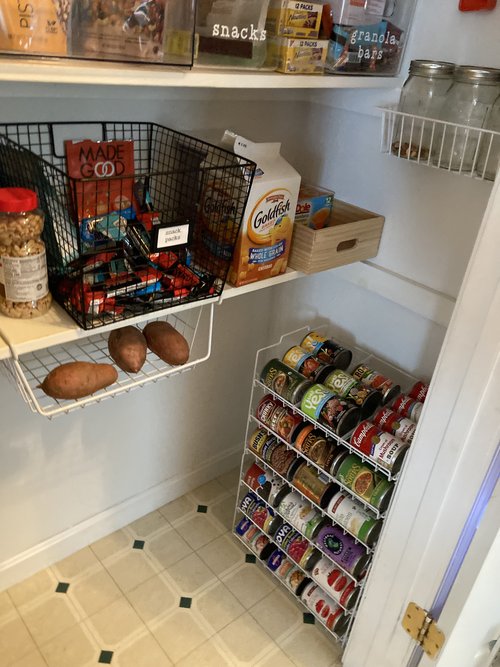
Credit: www.birchlandinghome.com
Maximizing Space
Maximizing space in a closet pantry begins with smart shelving solutions. Group similar items together for easy access. Use clear containers to see contents quickly and save space.
Maximizing Space in your closet pantry isn’t just about cramming everything in; it’s about smart strategies that transform chaos into order. Have you ever found yourself playing pantry Tetris, trying to make everything fit? With a few strategic moves, you can reclaim your pantry space and make it work for you. Let’s dive into some practical tips that will have you wondering why you didn’t think of them sooner.Utilizing Vertical Storage
Vertical storage can be a game-changer. Think of those unused walls or the backs of doors. Install hooks or racks to hang items like pots, pans, or even cleaning supplies. It’s amazing how much room you can free up by simply going vertical. Consider a tiered shelving system. This allows you to store more and see everything at a glance.Incorporating Adjustable Shelves
Adjustable shelves are your secret weapon for a flexible pantry. They let you customize space according to your needs. Have a tall cereal box or a stack of canned goods? Adjust the height and you’re good to go. This adaptability keeps your pantry dynamic and ready for change, fitting everything perfectly.Choosing Compact Containers
Compact containers are essential for maximizing space. Opt for stackable or uniform-sized containers to minimize wasted space. They make your pantry look neat and allow you to store more efficiently. Label them clearly. Knowing what’s inside each container prevents unnecessary searching. Wouldn’t you prefer a pantry where everything has its place? Maximizing space is about clever organization, not more storage. What changes can you make today to transform your pantry into a space-saving haven?Efficient Labeling
Efficient labeling transforms closet pantry organization. Clear labels help identify food items swiftly, reducing time spent searching. A well-labeled pantry ensures easy access, maintaining order and clarity.
Efficient labeling is the backbone of a well-organized closet pantry. It transforms a cluttered space into a model of clarity and function. By investing time in creating a robust labeling system, you not only streamline your pantry but also make it a joy to use. Imagine being able to find your favorite spices, grains, and snacks at a glance, effortlessly. Your pantry can become a source of inspiration rather than frustration. So, what does it take to achieve efficient labeling?Types Of Labels And Tags
Choosing the right type of label is crucial. You have options like adhesive labels, chalkboard tags, and even digital labels for those tech-savvy organizers. Adhesive labels are versatile and come in various sizes, perfect for jars and containers. Chalkboard tags offer a rustic look and can be reused by simply wiping clean. Digital labels, connected to smart home systems, can update automatically with your inventory. Which type suits your style and needs?Creating A Labeling System
Start by categorizing your pantry items. Group similar products together, such as baking supplies, snacks, and canned goods. Once categorized, assign a specific label design or color to each group. This visual cue helps you find items quicker and keeps everything in its place. Use clear, easy-to-read fonts for your labels. Consider adding purchase or expiration dates to keep track of freshness.Maintaining Label Clarity
Consistency is key to maintaining clarity in your labeling system. Regularly check that labels are still legible and replace any that have become worn or faded. Keep a small kit with your labeling supplies handy for quick updates. Encourage everyone in your household to respect the system. If someone uses the last of an item, they should update the label accordingly. This ensures your pantry remains organized and efficient for everyone. Are there areas in your pantry that might benefit from clearer labels?
Credit: food52.com
Organizational Tools
Organizing a closet pantry can transform your kitchen space. Organizational tools play a crucial role in maximizing storage and accessibility. With the right tools, your pantry becomes a well-arranged haven for all your essentials. Let’s explore various organizational tools that can help keep your closet pantry tidy and efficient.
Types Of Bins And Baskets
Bins and baskets are essential for organizing pantry items. They come in various sizes and materials like plastic, wire, and woven fabric. Choose clear bins for easy visibility of contents. Stackable bins optimize vertical space. Label bins to identify items quickly. Baskets with handles are convenient for accessing items stored high up.
Using Door Organizers
Door organizers utilize often overlooked space. Install racks or shelves on the inside of pantry doors. Use them to store spices, condiments, or small jars. Adjustable shelves allow customization based on item sizes. Hanging pockets can store snacks or small packets. Door organizers keep frequently used items within easy reach.
Drawer Dividers And Inserts
Drawer dividers help separate pantry items neatly. They prevent clutter by creating specific sections within drawers. Use inserts to categorize and store small items like utensils or baking tools. Adjustable dividers accommodate various item sizes. Inserts can be removed for cleaning, ensuring hygiene in your pantry space.
Arranging For Accessibility
Arranging your closet pantry for accessibility can save time and reduce stress. A well-organized pantry ensures you find what you need quickly. This makes meal prep and cooking more enjoyable. By following these tips, you can create a functional and efficient pantry space.
Prioritizing Frequently Used Items
Place frequently used items at eye level. This makes them easy to grab. Store essentials like snacks, cereal, and canned goods in this area. Use clear containers for visibility. Label them to avoid confusion. This method saves time during busy meal times.
Creating Zones For Easy Access
Divide your pantry into zones. Group similar items together. For example, keep baking supplies in one area. Place pasta and grains in another. This system simplifies finding items. Use bins or baskets for smaller items. This prevents clutter and keeps everything tidy.
Rotating Seasonal Items
Rotate items with the seasons. Move summer items forward in warmer months. Shift winter goods forward as temperatures drop. Store seasonal items in the back when not in use. This helps prevent expired food. It also keeps your pantry fresh and relevant.
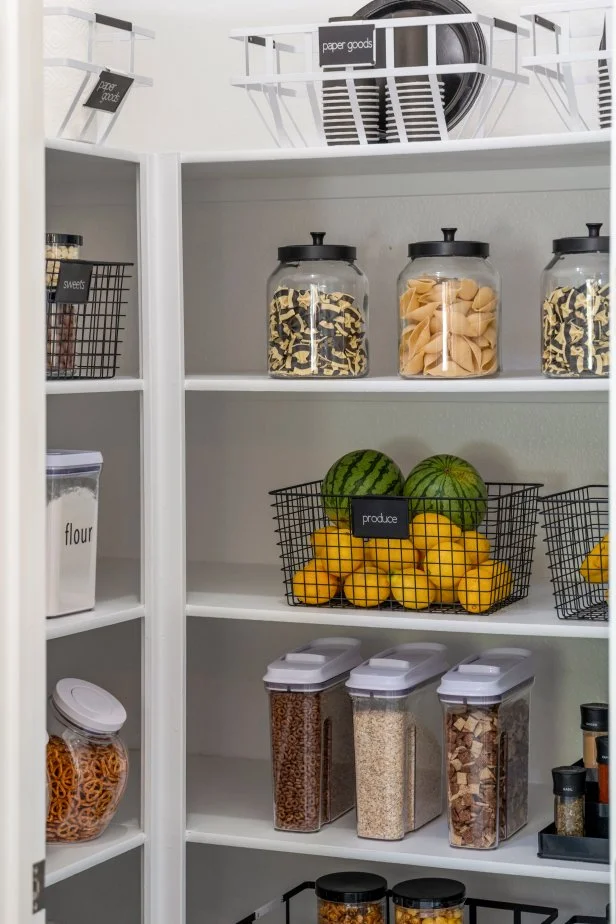
Credit: www.hgtv.com
Aesthetic Touches
Elevate your closet pantry with aesthetic touches by incorporating uniform storage containers and color-coordinated labels. Arrange items by category for easy access and a visually pleasing setup.
Adding aesthetic touches to your closet pantry can transform it from a mere storage space to a beautiful, functional area that enhances your daily life. With the right color scheme, decorative elements, and smart lighting solutions, you can create a pantry that is not only organized but also visually appealing. Let’s explore some practical ways to add these aesthetic touches.Choosing A Color Scheme
Begin by deciding on a cohesive color scheme for your pantry. Consider your kitchen’s overall color palette to ensure a seamless flow. Light colors like whites, soft pastels, or gentle grays can make a small pantry feel larger and more inviting. Use baskets, bins, and labels that complement your chosen colors. For instance, if your kitchen has a rustic theme, woven baskets and wooden labels can enhance that aesthetic. Selecting a consistent color scheme helps in visually unifying the space.Incorporating Decorative Elements
Decorative elements can elevate the look of your pantry. Open shelving with neatly arranged jars and cans not only looks organized but also adds a touch of style. Transparent glass jars with uniform labels can make everyday items look chic. Think about adding a small piece of art or a decorative sign that reflects your personality. A simple chalkboard for notes can be both functional and stylish. Remember, the goal is to create a space that feels as good as it functions.Lighting Solutions For Small Spaces
Lighting plays a crucial role in enhancing the aesthetics of your pantry. Consider installing LED strip lights under shelves for a modern touch that highlights your organized items. These lights are energy-efficient and provide excellent visibility. For a cozy ambiance, use battery-operated puck lights that can be easily installed without professional help. If your pantry has a door, adding a motion sensor light can be a practical and stylish solution. Proper lighting not only improves functionality but also adds warmth and charm to the space. By thoughtfully choosing colors, adding decorative elements, and optimizing lighting, you can create a closet pantry that’s both beautiful and practical. What’s your favorite way to add a personal touch to your pantry?Maintaining Order
Organize a closet pantry by categorizing items for easy access. Use clear containers to store smaller items. Label shelves and bins to maintain order effortlessly.
Maintaining order in your closet pantry can feel like an ongoing battle. However, with a few strategic practices, you can keep it tidy and functional. Let’s explore how you can ensure your pantry remains organized and efficient over time.Regular Clean-up Schedule
Set a consistent schedule for cleaning your pantry. Whether it’s once a month or every season, stick to it. This routine will prevent clutter from building up and ensure expired items are promptly discarded. Take a moment to assess your pantry’s contents during each clean-up. Are there items you never use? If so, consider donating them or repurposing them in your meal plan. Consistently clearing out unused items creates more space for essentials.Revisiting And Adjusting System
Your pantry system should be flexible. What worked last year might not work this year. Regularly revisit your organization methods and adjust them to fit your current needs. Think about the new habits or products you’ve introduced. Do they fit well into your existing organization structure, or do they require a new approach? Making small adjustments ensures that your pantry evolves with your lifestyle.Encouraging Family Participation
Involving your family in maintaining the pantry can make a significant difference. Assign simple tasks to each family member, like checking expiration dates or grouping similar items together. When everyone has a role, the responsibility doesn’t fall on one person. It also encourages a sense of ownership and helps everyone understand the importance of keeping the pantry organized. Consider having a family meeting to discuss pantry rules. Ask for input on what works and what doesn’t. This collaborative approach can lead to creative solutions you might not have thought of on your own.Frequently Asked Questions
How To Organize A Pantry Closet?
Sort items by category and place frequently used ones at eye level. Use clear containers for visibility. Label shelves and containers for easy identification. Utilize door racks for extra space. Regularly check and declutter expired goods to maintain order.
What Are The 7 Pantry Zones?
The 7 pantry zones are baking supplies, grains and pasta, snacks, canned goods, breakfast items, condiments, and spices. Organize each zone for easy access and efficient use of space. Keep items grouped by category for better storage and retrieval. Regularly check and rotate stock to maintain freshness.
In What Order Should A Pantry Be Organized?
Organize pantry items by category: grains, canned goods, snacks, spices, and baking essentials. Place frequently used items at eye level. Store heavy items on lower shelves. Use clear containers for visibility and label them. Regularly check expiry dates and rotate stock for freshness.
How Do I Group Items In My Pantry?
Organize pantry items by category, such as grains, canned goods, and snacks. Use clear containers and labels. Arrange items by size and frequency of use. Keep similar items together for easy access and visibility. Regularly check and rotate stock to maintain freshness and order.
Conclusion
A tidy closet pantry makes life easier. You find items quickly. Less clutter, more space. Organize shelves by category. Use containers for small items. Label everything clearly. It saves time and reduces stress. Regular cleaning keeps it neat. Adjust as your needs change.
Stay consistent with your system. Enjoy a more efficient kitchen experience. Smart organization boosts productivity. Feel proud of your organized pantry. Friends might envy your neatness. Keep your pantry a pleasant place. Enjoy cooking without chaos. Celebrate your effort in organizing.
Your pantry is now a true asset.

Hi, I’m Daniel Brooks—a food lover and kitchen gear enthusiast. I enjoy testing cookware, utensils, and gadgets to see what really works in everyday cooking. At PlugChef.com, I share honest reviews, comparisons, and simple guides to help you choose the best tools for a safer, smarter, and more enjoyable kitchen.
Related posts:
 What Type of Cooking Utensils are Safe: Expert Picks
 What Innovations Could Blenders Make: Unleashing Future Tech
 Smart Strategies to Organize a Small Kitchen: Maximize Space
 How to Organize a Kitchen Cabinet: Expert Tips & Tricks
 How to Organize Kitchen Drawers: Expert Tips and Tricks
 How to Organize a Corner Kitchen Cupboard: Expert Tips

