
Imagine a kitchen where you clean with products that are good for the planet and even better for your health. Picture bottles and jars that aren’t tossed into the bin after use but instead reused in creative ways.
Sounds ideal, right? Well, this dream can become your reality. By making your own zero waste kitchen cleaning products, you can reduce your environmental footprint and embrace a healthier lifestyle. Are you ready to transform your kitchen into a green haven?
This guide will walk you through easy, practical steps to create cleaning solutions that are both effective and eco-friendly. No more harmful chemicals, no more waste. Just fresh scents and sparkling surfaces. Dive in, and discover how you can make your kitchen cleaner and greener with zero waste.
Benefits Of Zero Waste Cleaning Products
Switching to zero waste cleaning products offers many benefits. These eco-friendly solutions reduce waste and promote sustainability. They also provide a healthier environment at home. Let’s explore the advantages of these products further.
Zero waste cleaning products help the planet. They reduce plastic waste significantly. Most traditional cleaners come in single-use packaging. In contrast, zero waste alternatives often use reusable or biodegradable materials. This approach minimizes landfill contribution and supports a cleaner Earth.
Health Benefits
Many zero waste cleaners use natural ingredients. These ingredients are often non-toxic and gentle on the skin. This reduces the risk of allergies and skin irritations. Natural cleaners also improve indoor air quality by reducing chemical exposure.
Cost Savings
Making your own cleaning products can save money. Store-bought cleaners can be expensive over time. Homemade alternatives use simple, affordable ingredients like vinegar and baking soda. These items are often already in your pantry.
Customizable Solutions
With zero waste cleaning products, you can tailor solutions to your needs. You control the ingredients and scents. This customization ensures your home smells and feels just right. It’s also a fun way to experiment and find the perfect blend for your space.
Encourages Mindful Living
Using zero waste cleaning products inspires mindful living. It encourages thinking about product choices and their impact. This mindset often extends beyond cleaning and into other life areas. It fosters a lifestyle focused on sustainability and awareness.
Credit: www.bambuhome.com
Key Ingredients For Diy Cleaners
Creating zero waste kitchen cleaning products is rewarding and eco-friendly. The key lies in using natural, easily available ingredients. These ingredients not only clean effectively but also reduce your carbon footprint. In this section, discover essential components for DIY cleaners.
Natural Ingredients Overview
Simple ingredients make up most zero waste cleaners. Baking soda works well for scrubbing. It removes grime without scratching surfaces. Vinegar is a strong natural disinfectant. It cuts through grease and kills bacteria. Lemon juice adds a fresh scent and helps with tough stains. These ingredients are often already in your pantry.
Essential Oils For Fragrance
Essential oils enhance the cleaning experience with pleasant scents. They are natural and safe. Lavender oil offers a calming fragrance. It also has antibacterial properties. Lemon oil provides a fresh, clean scent. It pairs well with vinegar for an uplifting aroma. Tea tree oil is known for its strong antiseptic qualities. Just a few drops can transform your cleaner.
Basic Tools And Supplies
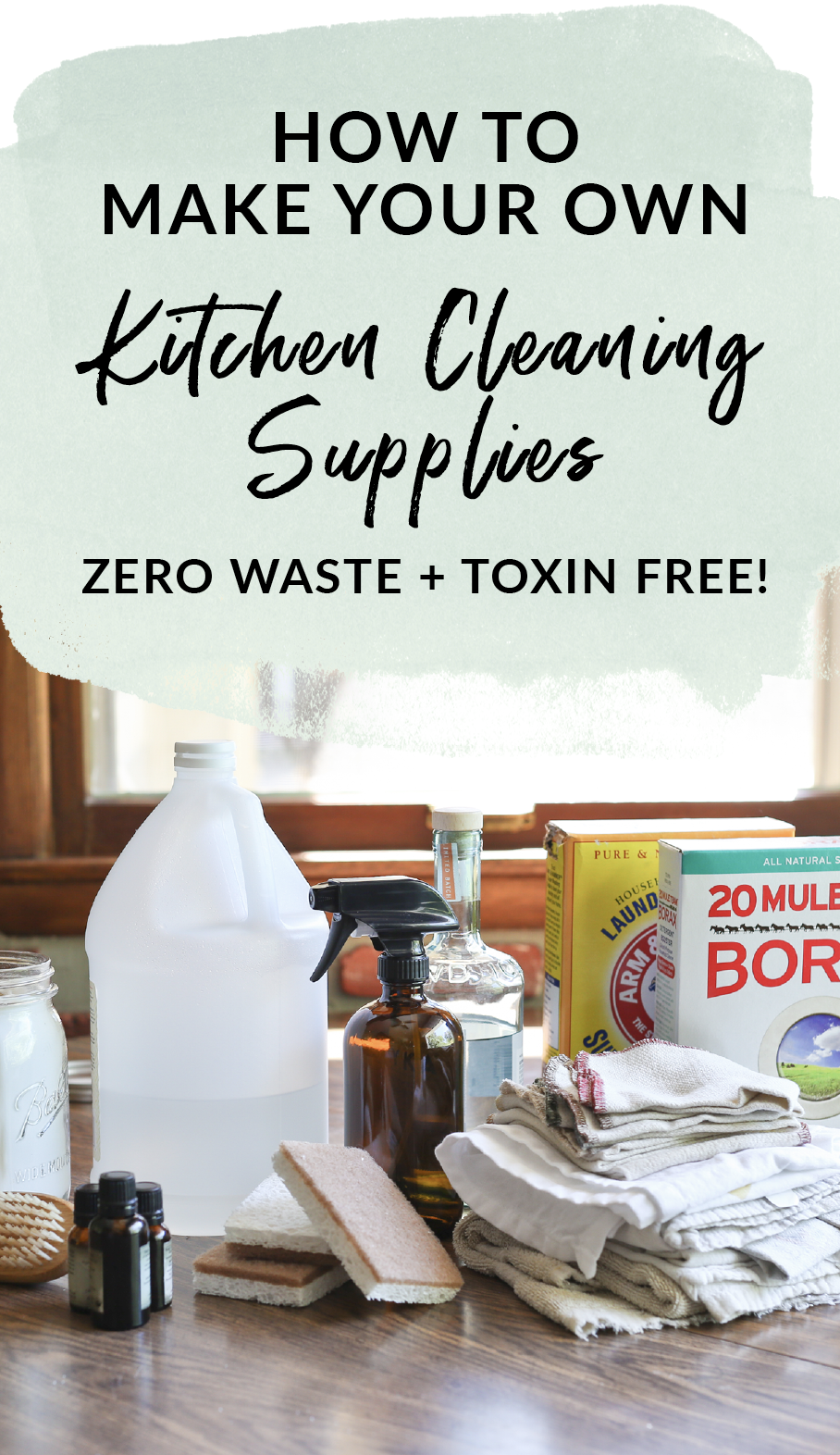
Creating zero waste kitchen cleaning products is both rewarding and sustainable. You can reduce waste and avoid harmful chemicals. To start making these eco-friendly products, you’ll need some basic tools and supplies. These essentials will help you mix, store, and use your homemade cleaners effectively.
Reusable Containers
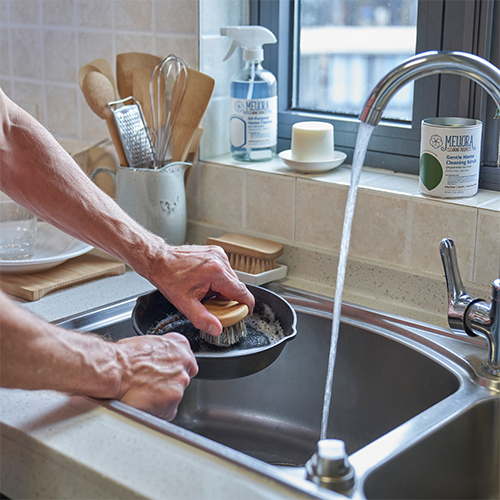
Choose glass jars or bottles with tight lids. These containers keep your cleaning solutions fresh. They are easy to clean and reuse. Use different sizes for various cleaning products. Label each container with its contents. This helps you identify them quickly.
Mixing Tools
Use a sturdy spoon or spatula for mixing. A whisk works well for liquids. A funnel is handy for pouring solutions into bottles. Measuring cups or spoons ensure correct ingredient ratios. These tools are easy to clean and store.
With these basic tools and supplies, you’re ready to make cleaning products. Create eco-friendly solutions that reduce waste and protect the environment.
Credit: www.greenwillowhomestead.com
Making All-purpose Cleaner
Creating your own all-purpose cleaner reduces waste and saves money. It’s an eco-friendly approach to keeping your kitchen spotless. Homemade cleaners use natural ingredients, which are safer for the environment. They are also gentle on your skin. Learn how to make an effective cleaner with simple ingredients.
Simple Recipe Guide
Gather these ingredients: one cup of water, one cup of white vinegar, and the juice of one lemon. You will also need a spray bottle and a funnel. First, pour the water into the spray bottle using the funnel. Next, add the white vinegar to the water. Squeeze the lemon juice into the mixture. Shake the bottle well to combine all ingredients. Your cleaner is now ready to use.
Effective Usage Tips
Use the cleaner on countertops, sinks, and stovetops. Spray it directly onto the surface. Wipe with a clean cloth. For tough stains, let it sit for a few minutes. Rinse with water if needed. Avoid using it on natural stone surfaces. The acid can damage them. Store the cleaner in a cool, dark place. This keeps it fresh longer.
Crafting Natural Dish Soap
Creating eco-friendly dish soap is simple and sustainable. Blend natural ingredients like vinegar, baking soda, and essential oils. Enjoy a clean kitchen while reducing waste with homemade solutions.
Crafting Natural Dish Soap is an exciting step towards a more sustainable kitchen. Imagine the satisfaction of cleaning dishes without relying on chemicals that harm the planet. With a few simple ingredients, you can create an effective and eco-friendly dish soap that not only cleans but also contributes to a zero waste lifestyle.Ingredients Needed
Creating your own dish soap is easier than you might think. You need just a handful of ingredients: – Castile Soap: A vegetable-based soap that is gentle yet powerful. – Water: Essential for diluting the soap. – Essential Oils: For fragrance and added cleaning properties. Consider lemon or tea tree. – White Vinegar: Helps cut through grease. – Baking Soda: Provides mild abrasiveness for scrubbing. These ingredients are often already in your home, making this an accessible project for anyone.Step-by-step Process
Crafting your dish soap is a straightforward process. 1. Mix the Castile Soap and Water: Start with a ratio of 1:1. Adjust to your preferred consistency. 2. Add Essential Oils: Use about 10-15 drops for fragrance. Lemon oil is great for degreasing, while tea tree oil is antibacterial. 3. Include White Vinegar: Pour in a tablespoon to help with grease removal. 4. Stir in Baking Soda: Add a teaspoon for scrubbing power. It’s especially useful for stubborn stains. 5. Combine Thoroughly: Mix until fully integrated. 6. Pour into a Dispenser: Use an old soap bottle to reduce waste. Making dish soap at home can be a fun experiment. You might find yourself tweaking the recipe as you discover what works best for your needs. Have you considered the impact of commercial cleaning products on the environment? By crafting your own, you not only reduce waste but also control what’s in your soap. This ensures a healthier home and planet. What adjustments will you make to personalize your dish soap?
Credit: zerowastestore.com
Creating Eco-friendly Scrub
Crafting zero waste kitchen cleaning products ensures an eco-friendly scrub without harmful chemicals. Use natural ingredients like baking soda, vinegar, and lemon for effective cleaning. Reduce waste by reusing old cloths or sponges. This approach promotes sustainability and keeps your kitchen sparkling clean.
Creating a zero waste kitchen isn’t just about reducing plastic or saving money. It’s about crafting a space that reflects your values and commitment to the environment. One great way to start is by making your own eco-friendly scrub. Imagine the satisfaction of cleaning with products that are safe for you, your family, and the planet.Combining Ingredients
Crafting your own scrub is easier than you might think. Start with common household items like baking soda and salt. These ingredients are natural abrasives, perfect for tackling tough stains. Add a few drops of essential oil for fragrance and antibacterial properties. Lavender, lemon, or tea tree oil are excellent choices. Use white vinegar to help cut through grease. Mix these ingredients in a reusable jar. You’ll find that this simple combination works wonders on kitchen surfaces without the harsh chemicals. What better way to clean your home than with items you trust?Application Techniques
Once you’ve mixed your scrub, it’s time to put it to work. Apply the scrub directly to the surface with a damp cloth or sponge. For particularly stubborn stains, let the scrub sit for a few minutes. This allows the ingredients to break down grime effectively. Rinse with warm water and wipe clean. Your kitchen will sparkle, and you’ll have peace of mind knowing that harmful chemicals aren’t lingering on surfaces. Have you ever noticed how cleaning feels less like a chore when you know you’re doing good for the planet? Using your homemade scrub not only cleans your kitchen but also lightens your environmental footprint. If you’ve tried making your own cleaning products, what has been your favorite recipe? Share your thoughts and inspire others to join the zero waste movement.Storing Homemade Products
Storing homemade cleaning products correctly can extend their shelf life. Proper storage ensures effectiveness and safety. Knowing how to store these products is essential. It prevents spills and confusion. This section will guide you on the best practices.
Best Practices For Longevity
Use airtight containers for homemade cleaners. They keep air and moisture out. Glass jars are ideal for storage. They don’t react with the ingredients. Store products away from direct sunlight. Sunlight can degrade them over time. A cool, dark place is best. This helps maintain their potency and effectiveness.
Labeling And Organization
Label each container clearly. Include the product name and date made. This prevents mix-ups and tracks freshness. Use waterproof labels for durability. Organize products by type or use. Keep similar products together for easy access. Create a dedicated space for your supplies. This keeps your kitchen neat and efficient.
Common Mistakes To Avoid
Many people make errors creating zero waste kitchen cleaning products. Overusing essential oils can cause skin irritation. Using vinegar on granite damages the surface.
Creating your own zero waste kitchen cleaning products is a rewarding and sustainable endeavor. However, there are common mistakes that can turn your eco-friendly project into a less effective one. Understanding these pitfalls ensures your efforts are not only environmentally friendly but also efficient and practical.Ingredient Missteps
Choosing the right ingredients is crucial. It’s tempting to mix different substances hoping for a miracle cleaner, but some combinations can be counterproductive. Vinegar and baking soda, although great individually, cancel each other out when mixed. Another mistake is using essential oils without understanding their properties. Some oils are not suitable for cleaning due to their greasy nature, which can leave residues. Always research your ingredients and test small batches.Storage Errors
Storing your homemade cleaners improperly can lead to spoilage or reduced effectiveness. Using old plastic containers may seem like a good zero waste option, but they can react with certain natural ingredients. Opt for glass jars or reusable bottles to avoid chemical reactions. Label your containers with ingredients and date of creation. This not only helps you keep track of freshness but also prevents the use of expired or ineffective products. Consider your storage environment. Direct sunlight can alter the chemical composition of some mixtures, making them less effective. A cool, dark place is ideal for maintaining the integrity of your cleaning products. Have you ever wondered why a cleaner you made last month is no longer effective? It might be due to one of these storage errors. Reflecting on your practices can lead to better results and less waste.Environmental Impact
Imagine a world where cleaning your kitchen doesn’t contribute to pollution. Making zero waste kitchen cleaning products can have a powerful environmental impact. By reducing waste and choosing sustainable options, you’re not only helping the planet but also creating a healthier home.
Reduction Of Waste
Every year, countless plastic bottles and chemical-laden products end up in landfills. By making your own cleaning solutions, you drastically cut down on this waste. Consider using reusable glass jars or bottles to store your creations.
Think about how many plastic containers you’ve discarded this year. Now, imagine if you had reused just a fraction of those. By reducing waste, you’re contributing to a cleaner environment for future generations.
Sustainable Choices
Choosing eco-friendly ingredients is a game-changer. Opt for simple ingredients like vinegar, baking soda, and lemon juice. They’re not only effective but also biodegradable.
Have you noticed how many cleaning products contain harsh chemicals? By choosing natural alternatives, you’re ensuring that harmful substances aren’t rinsed down the drain and into the water supply. Your choices can lead to significant environmental improvements.
Next time you clean, consider the impact of your choices. Are you contributing to pollution, or are you part of the solution? Making sustainable choices in your kitchen is a small step with a big impact.
Tips For Transitioning To Zero Waste
Create zero waste kitchen cleaning products using natural ingredients like vinegar and baking soda. These items clean effectively without harmful chemicals. Reuse old spray bottles and cloths to reduce waste further.
Transitioning to a zero waste lifestyle, especially in the kitchen, can seem daunting at first. But with the right mindset and resources, you can easily make the switch. Imagine a kitchen free from plastic waste, filled with natural and homemade cleaning products that are just as effective as their commercial counterparts. The journey towards zero waste is not just about the environment; it’s about creating a healthier space for you and your family. Here are some practical tips to help you on your zero waste journey, focusing on essential mindset shifts and leveraging community resources.Mindset Shift
Embracing a zero waste lifestyle begins with changing how you think about waste. It’s not just about recycling more; it’s about reducing waste from the start. Ask yourself: Do I really need this product? Could I make it myself? Start small. Make one change at a time, like replacing paper towels with washable cloths. Celebrate these small victories—they add up and make a big difference over time. Consider the impact of each product you use. When I switched to homemade cleaning products, I noticed fewer bottles to dispose of and a fresher kitchen atmosphere. This mindset of reducing waste rather than just managing it transforms your entire approach.Community Resources
Don’t go it alone. Connect with local zero waste groups or online communities. These groups are treasure troves of tips and tricks for reducing waste and making your own products. Many communities offer workshops or classes on making zero waste cleaning products. Check local community centers or libraries for these events. They’re a great way to learn and meet like-minded people. Utilize online forums and social media groups dedicated to zero waste living. They often share recipes for homemade cleaning products and provide support when you encounter challenges. Have you ever thought about the power of sharing and learning from others on the same journey? By shifting your mindset and tapping into community resources, you’ll find the transition to a zero waste kitchen not only achievable but also rewarding. What changes can you start making today?Frequently Asked Questions
How Can I Make My Own Eco-friendly Cleaning Products?
Mix vinegar, water, and essential oils for an all-purpose cleaner. Use baking soda for scrubbing tough stains. Combine lemon juice and olive oil for polishing wood surfaces. Blend castile soap with water for a dishwashing liquid. Store products in reusable containers to enhance sustainability.
How To Make Non-toxic Kitchen Cleaner?
Mix equal parts of white vinegar and water in a spray bottle. Add a few drops of essential oil for fragrance. Shake well before use. This DIY cleaner effectively cleans surfaces and is non-toxic. Ensure proper ventilation while cleaning. Safe for most kitchen surfaces.
What Is The Best Homemade Natural All-purpose Cleaner?
Mix equal parts of vinegar and water for a natural cleaner. Add lemon juice for fragrance. This solution effectively cleans surfaces, removes stains, and is environmentally friendly. Shake well before each use for best results. Avoid using on marble or granite to prevent damage.
What Is The Two Ingredient Cleaning Spray For Everything?
The two-ingredient cleaning spray combines equal parts of white vinegar and water. This mixture effectively cleans surfaces, cuts through grime, and deodorizes. Safe for most surfaces, it’s a natural, eco-friendly option. Ensure proper ventilation when using vinegar due to its strong scent.
Conclusion
Creating zero waste kitchen cleaners is simple and effective. These products help reduce waste and save money. Use basic ingredients like vinegar and baking soda. They clean well and are safe for your home. Start small and make changes gradually.
Every step counts towards a greener planet. Encourage others to try these eco-friendly solutions. Share your experiences and tips with friends and family. Together, we can make a big impact. Your kitchen can be clean and environmentally friendly. Enjoy a cleaner space without harming the earth.

I’m Abby Lu, a passionate home cook who loves simplifying everyday meals. At PlugChef.com, I share product reviews and cooking guides to help you find the best tools for your kitchen.
Related posts:
 What Type of Cooking Utensils are Safe: Expert Picks
 What Innovations Could Blenders Make: Unleashing Future Tech
 Smart Strategies to Organize a Small Kitchen: Maximize Space
 How to Organize a Kitchen Cabinet: Expert Tips & Tricks
 How to Organize Kitchen Drawers: Expert Tips and Tricks
 How to Organize a Corner Kitchen Cupboard: Expert Tips