
Imagine the joy of using a handcrafted wooden spoon that you made yourself. It’s not just a tool but a piece of art that adds warmth and personality to your kitchen.
You might think making wooden kitchen utensils is complex, but it’s simpler than you imagine. With a few basic tools and a bit of patience, you can create beautiful, functional pieces that will last a lifetime. As you dive into this process, you’ll discover the satisfaction of crafting something with your own hands.
By the end of this article, you’ll not only know how to make these utensils but also feel inspired to start creating. So, let’s unleash your creativity and explore the rewarding world of woodworking!
Choosing The Right Wood
Creating wooden kitchen utensils starts with selecting the right wood. Wood choice impacts durability and safety. It also affects the utensil’s look and feel. Not every wood type is suitable. Certain woods are better for kitchen use. Let’s explore which woods work best.
Types Of Wood Suitable For Utensils
Some woods are ideal for kitchen utensils. Maple is a popular choice. It’s hard and durable. Maple is also non-toxic, making it safe. Beech is another option. It offers strength and resists wear. Cherry wood provides a warm color. It’s also durable and smooth. Walnut is darker and adds elegance. It is strong and less likely to splinter.
Factors To Consider In Wood Selection
Several factors influence wood selection. Hardness is crucial. Hardwoods resist dents and scratches better. Grain pattern is another consideration. Tight grains provide smoothness. Look for non-toxic woods. They ensure safety during food preparation. Consider the wood’s finish. Some woods polish better than others. This affects the utensil’s look. Lastly, think about availability. Locally sourced wood can be more sustainable.
Essential Tools And Materials
Creating wooden kitchen utensils is a rewarding project. It combines creativity with functionality. To start, gather the right tools and materials. This ensures a smooth crafting experience. The right tools make all the difference. They help achieve the desired finish and durability. Below, we explore the essentials needed for this project.
Basic Tools Needed
A few basic tools are essential for crafting wooden utensils. Start with a good quality saw. It helps cut the wood into the desired shape. A coping saw is great for intricate designs. Next, use chisels for carving and shaping. They allow for more detailed work. Sandpaper is crucial for a smooth finish. Start with coarse grit and move to finer ones. A spokeshave helps shape and smooth curves. Finally, a drill is useful for creating holes or details.
Additional Materials For Finishing
After shaping, focus on finishing the utensils. This ensures longevity and safety for kitchen use. Food-safe wood oil is a must. It seals and protects the wood. Beeswax can provide additional protection and shine. Consider using non-toxic paint for decorative touches. A soft cloth is useful for applying finishes. Proper finishing enhances the wood’s natural beauty. It also makes the utensils water-resistant.
Designing Your Utensils
Creating wooden kitchen utensils offers a unique opportunity to blend functionality with personal style. The design process is where your creativity truly shines. Whether you’re crafting a spatula or a spoon, it’s essential to start with a clear vision of what you want your finished product to look like.
Creating A Template
Think of templates as your guiding map. They help you maintain consistency and precision. Start by sketching your utensil shape on a piece of paper or using a computer program.
Trace around existing utensils you love or draw freehand designs that reflect your personality. Remember, symmetry isn’t always necessary; sometimes, a quirky curve can add charm.
A template ensures that each piece you make feels uniform and professional. It’s your blueprint, giving you a clear path to follow.
Customizing Designs
Customization is the fun part where you add your personal touch. Think about the different types of wood you can use—each brings its own color and grain pattern.
Consider adding engravings or carvings to your utensils. A simple line or a complex pattern can transform your design from ordinary to extraordinary.
What unique features will make your utensils stand out? Maybe it’s a handle that fits perfectly in your hand or a decorative edge that catches the eye. Let your imagination run wild!
Designing your own wooden kitchen utensils is a rewarding experience. What story will your creations tell?

Credit: www.instructables.com
Cutting And Shaping The Wood
Crafting wooden kitchen utensils requires precision in cutting and shaping the wood. Start by selecting quality timber for durability. Use sharp tools to carve smooth and functional designs, ensuring comfort and ease in handling.
Creating your own wooden kitchen utensils is a rewarding project that combines craftsmanship with functionality. It all starts with the essential step of cutting and shaping the wood. This phase lays the foundation for the finished product and influences the utensil’s usability and aesthetic appeal. As you embark on this journey, consider the tools and techniques that can transform a simple block of wood into a beautiful, handcrafted kitchen essential.Using Saws And Knives
When cutting the wood, precision is key. A bandsaw or a coping saw can be your best friend for shaping the outline of your utensil. These tools allow you to follow intricate patterns with ease, offering control and accuracy. You’ll want to ensure your saw is sharp to avoid splintering the wood. Once you have your basic shape, a carving knife helps refine and define. This step is where your utensil begins to take on its unique character. Use the knife to carve out the finer details, like the bowl of a spoon or the prongs of a fork. Remember, patience is crucial—take your time to avoid mistakes.Sanding For Smoothness
After cutting and shaping, sanding is essential for achieving a smooth finish. Begin with coarse-grit sandpaper to eliminate any rough edges. This step is vital for comfort, ensuring that the utensil feels pleasant to hold and use. Gradually switch to finer grits to enhance the smoothness. Sanding not only improves texture but also prepares the wood for finishing. You might notice how the grain begins to shine through, revealing the wood’s natural beauty. Have you ever touched a wooden spoon so smooth it felt like silk? That’s the result of meticulous sanding. Challenge yourself to reach that level of craftsmanship. Investing time in cutting and shaping the wood is where your vision begins to materialize. Each cut and each stroke of sandpaper brings you closer to a functional piece of art. How will your wooden utensil stand out in your kitchen?Finishing Touches
Crafting wooden kitchen utensils requires careful sanding and smoothing. These finishing touches ensure a comfortable grip and aesthetic appeal. Oiling the wood adds a protective layer, enhancing durability and giving a rich, natural sheen.
Crafting wooden kitchen utensils is an exciting journey that combines skill, creativity, and the satisfaction of creating something functional. Once you’ve carved your spoon or spatula, the final steps are crucial to ensure its durability and aesthetic appeal. The finishing touches not only protect the wood but also enhance its natural beauty. So, let’s dive into the essential processes of applying oil and sealant and polishing techniques to give your creations a professional finish.Applying Oil And Sealant
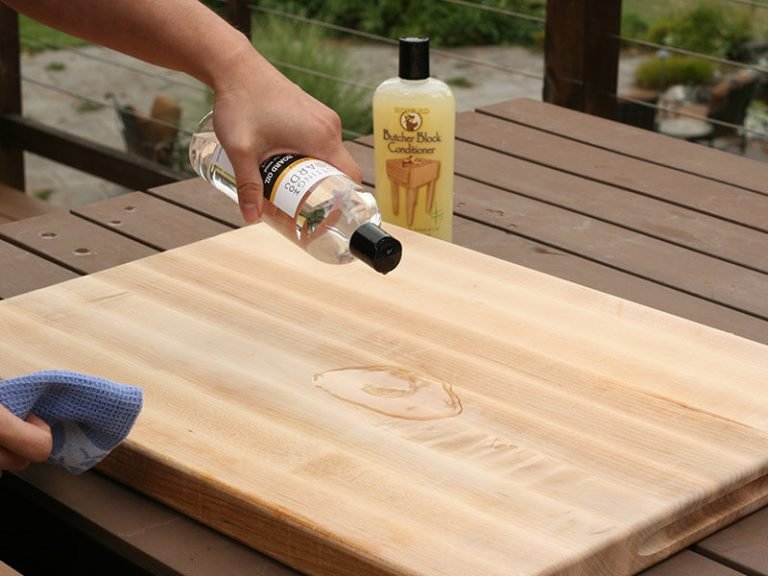
The application of oil is a key step in preserving the wood and highlighting its grain. Mineral oil is often recommended due to its food-safe properties and ability to penetrate deeply, nourishing the wood. Apply a generous amount using a clean cloth, rubbing it in the direction of the grain. This process not only protects but also accentuates the natural patterns of the wood. Consider adding a sealant for extra protection against moisture and wear. Beeswax is a popular choice; it creates a natural barrier without introducing harmful chemicals. Warm the beeswax slightly for easy application and spread it evenly. Allow it to sit for a few hours before wiping off any excess.Polishing Techniques
Once the oil and sealant are applied, polishing brings out the shine and smoothness of your utensil. You can start with a fine-grit sandpaper to smooth any rough edges or imperfections. Sand gently to avoid removing too much material or altering the shape. Consider using a soft cloth for the final polish. Buff the surface in circular motions to achieve a glossy finish that feels great in your hand. This step transforms a rough creation into a gleaming masterpiece. Have you ever noticed how a well-polished wooden spoon feels different? It’s not just about aesthetics; it’s about the tactile experience. When you hold a polished utensil, you feel a sense of pride in your craftsmanship. Remember that each step in the finishing process is an opportunity to personalize your creation. Are you adding a touch of personality to your work with a unique oil blend or polish technique? Every detail counts, and these finishing touches are what elevate your handmade utensils from simple tools to cherished kitchen companions.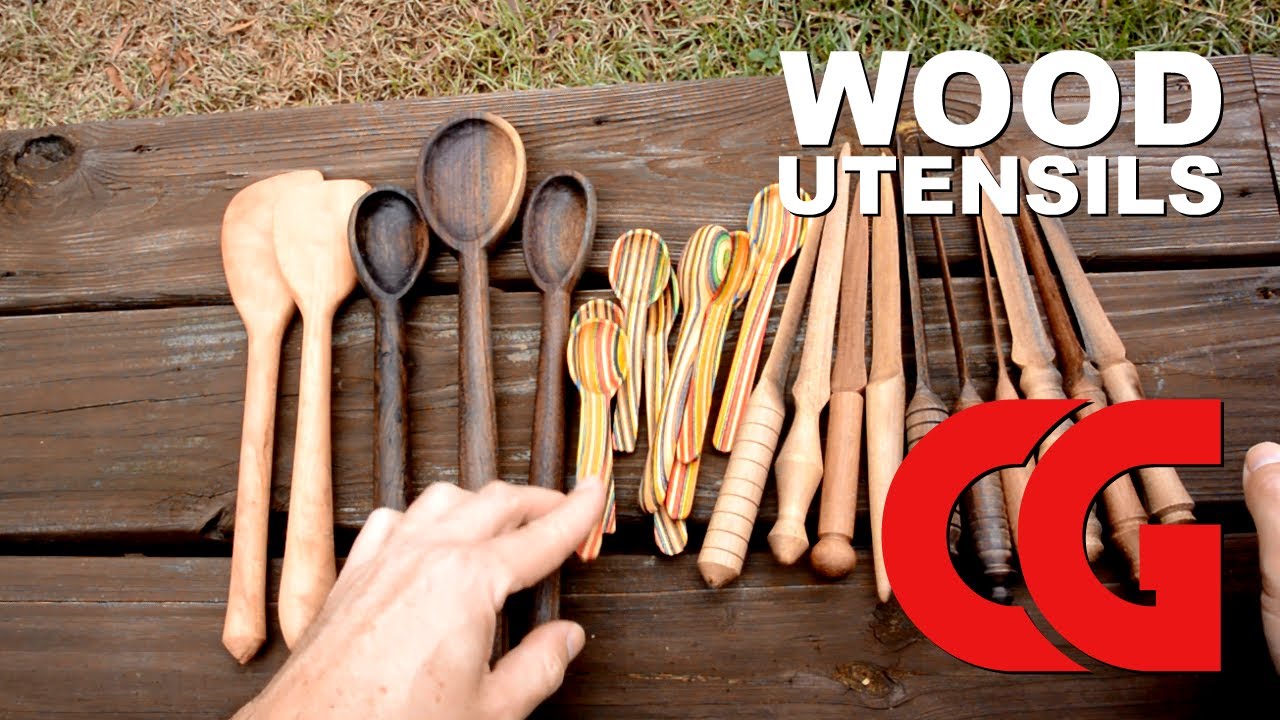
Credit: www.youtube.com
Maintaining Your Wooden Utensils
Crafting wooden kitchen utensils requires attention to detail and care. Regular oiling keeps them smooth and prevents cracking. Clean with mild soap and water, avoiding prolonged soaking to maintain their quality.
Maintaining Your Wooden Utensils Wooden kitchen utensils are more than just tools; they’re a timeless addition to your cooking arsenal. To keep them in top shape, regular maintenance is key. Proper care not only extends their lifespan but also ensures they remain safe and hygienic for food preparation. Let’s dive into some practical tips to help you maintain your wooden utensils so they continue to serve you well.Cleaning And Care Tips
Regular cleaning is essential for your wooden utensils. After each use, wash them with warm water and mild soap. Avoid soaking them as wood absorbs water, which can cause warping or cracking over time. Pat your utensils dry immediately with a towel. Letting them air dry can lead to moisture retention, which is not ideal. Store them in a dry place to prevent mold growth. Have you ever noticed your wooden spoon getting rough? Sand it lightly with fine-grit sandpaper to smooth out the surface. This simple step can rejuvenate your utensil, making it feel like new again.Re-oiling For Longevity
Your wooden utensils need a little love to stay functional and beautiful. Re-oiling is an effective method to maintain their integrity. Use food-safe mineral oil or beeswax, applying a generous amount to the entire surface. Why re-oil, you ask? Oiling helps prevent the wood from drying out and cracking. It also adds a protective layer that repels moisture and food odors. To oil your utensils, pour a small amount of oil onto a clean cloth. Rub it into the wood, following the grain. Let the utensil absorb the oil for a few hours or overnight before wiping off any excess. This ritual can significantly prolong the life of your cherished wooden tools. Taking these steps might seem like extra work, but consider the satisfaction of using well-maintained utensils that enhance your cooking experience. What other kitchen tool gives you the same warm, tactile feedback as wood? Your efforts will pay off with years of reliable use.Safety Tips For Diy Projects
Crafting wooden kitchen utensils demands attention to safety. Wear protective gear like gloves and goggles to shield against splinters and dust. Ensure tools are sharp and use them carefully to prevent accidents.
Creating wooden kitchen utensils is a rewarding DIY project, combining creativity with practicality. However, safety should be your top priority. Whether you’re a seasoned DIYer or a beginner, understanding safety tips is crucial. Protecting yourself and handling tools with care can prevent accidents and ensure a smooth crafting experience.Protective Gear And Precautions
Before you start, make sure you’re dressed for the job. Wearing protective gear can save you from potential injuries. Safety goggles are essential to protect your eyes from wood dust and flying debris. Consider wearing a dust mask or respirator. It will help you avoid inhaling fine wood particles that can irritate your lungs. Gloves can protect your hands, but choose those that offer flexibility and grip. Loose-fitting gloves can be hazardous around power tools. Is your workspace safe? Ensure your area is well-lit and clutter-free. A tidy workspace reduces the risk of accidents. Are all your tools in good condition? Inspect them regularly to avoid any mishaps caused by faulty equipment.Safe Handling Of Tools
Using tools safely is as important as wearing protective gear. Familiarize yourself with each tool. Read the user manual if it’s your first time using it. Maintain a firm grip on your tools. A steady hand ensures precision and reduces the chances of slips. Keep your fingers away from sharp edges. Remember, tools can be unpredictable if mishandled. Unplug power tools when not in use. It may seem obvious, but leaving them plugged in can lead to accidental starts. Always use tools for their intended purpose. Misusing them increases the risk of injury and can damage your project. Pause and think before each step. Are you holding the chisel correctly? Is the saw blade sharp enough for a clean cut? Taking a moment can prevent costly mistakes and injuries. By following these tips, you’ll not only create beautiful kitchen utensils but also ensure your crafting journey is safe and enjoyable. What safety measures do you prioritize when tackling DIY projects?
Credit: www.youtube.com
Frequently Asked Questions
What Type Of Wood Is Best For Wooden Cooking Utensils?
Hardwoods like maple, beech, and walnut are ideal for wooden cooking utensils. These woods are durable, non-reactive, and resist absorbing flavors. They are also gentle on cookware surfaces, ensuring longevity for both the utensils and the pots or pans they are used with.
What Wood Is Safe To Make Spoons Out Of?
Maple, cherry, and walnut are safe woods for making spoons. They are non-toxic and durable. Choose hardwoods to ensure longevity and safety in kitchen use. Avoid using softwoods like pine as they can splinter easily. Always ensure the wood is untreated and food-safe.
What Type Of Wood Is Used For Utensils?
Commonly used woods for utensils include maple, walnut, cherry, bamboo, and beech. These woods are durable, non-toxic, and have a smooth finish. They resist water and food stains well, making them ideal for kitchen use. Choose sustainably sourced wood for environmentally friendly options.
Do Professional Chefs Use Wooden Utensils?
Yes, professional chefs often use wooden utensils. They are gentle on cookware and don’t scratch surfaces. Wooden utensils are durable, heat-resistant, and don’t react with acidic foods. They provide a comfortable grip and are preferred for tasks requiring precision and control.
Chefs appreciate their versatility in various cooking techniques.
Conclusion
Crafting wooden kitchen utensils is a rewarding hobby. You learn new skills and create unique items. Start with basic tools and materials. Patience is key. Mistakes help you improve. Sand and finish for a smooth touch. Wooden utensils add charm to any kitchen.
Personalize them with designs or engravings. They make thoughtful gifts too. Enjoy the process and the satisfaction it brings. Remember to care for your creations. Hand wash and oil regularly. Your handmade utensils will last for years. Happy crafting!

Hi, I’m Daniel Brooks—a food lover and kitchen gear enthusiast. I enjoy testing cookware, utensils, and gadgets to see what really works in everyday cooking. At PlugChef.com, I share honest reviews, comparisons, and simple guides to help you choose the best tools for a safer, smarter, and more enjoyable kitchen.
Related posts:
 What Type of Cooking Utensils are Safe: Expert Picks
 What Innovations Could Blenders Make: Unleashing Future Tech
 Smart Strategies to Organize a Small Kitchen: Maximize Space
 How to Organize a Kitchen Cabinet: Expert Tips & Tricks
 How to Organize Kitchen Drawers: Expert Tips and Tricks
 How to Organize a Corner Kitchen Cupboard: Expert Tips